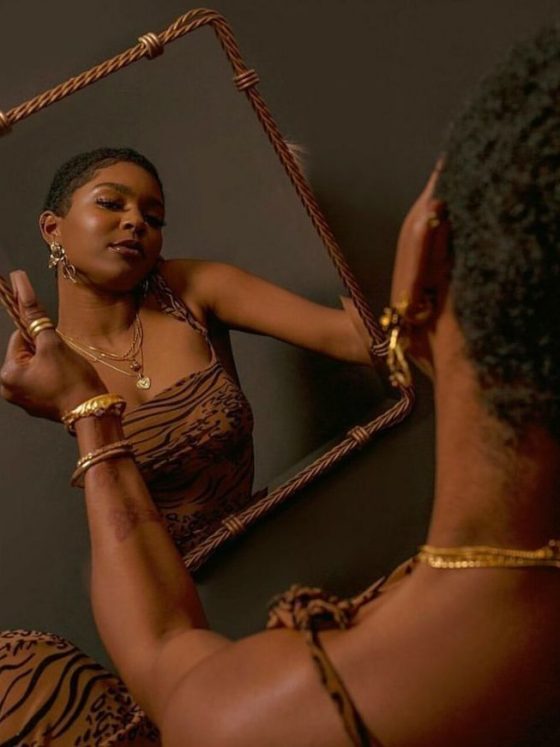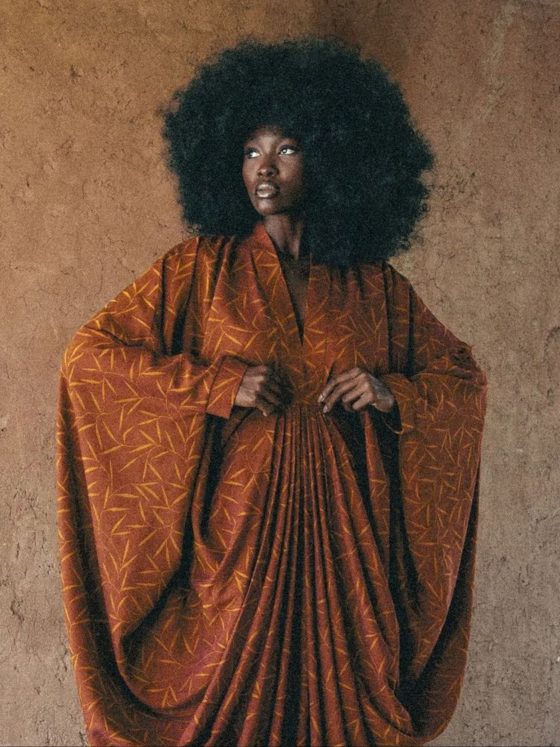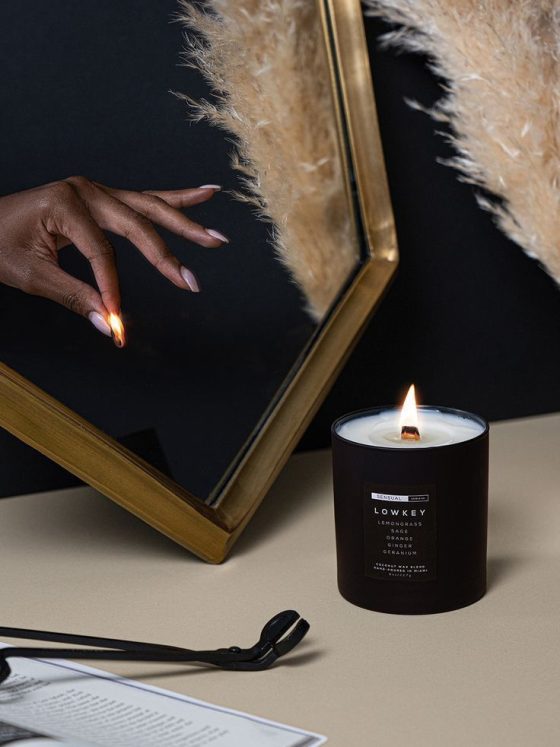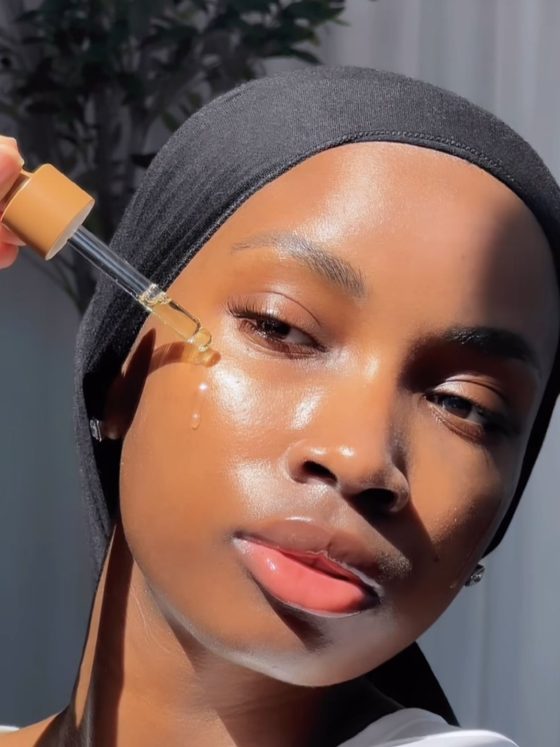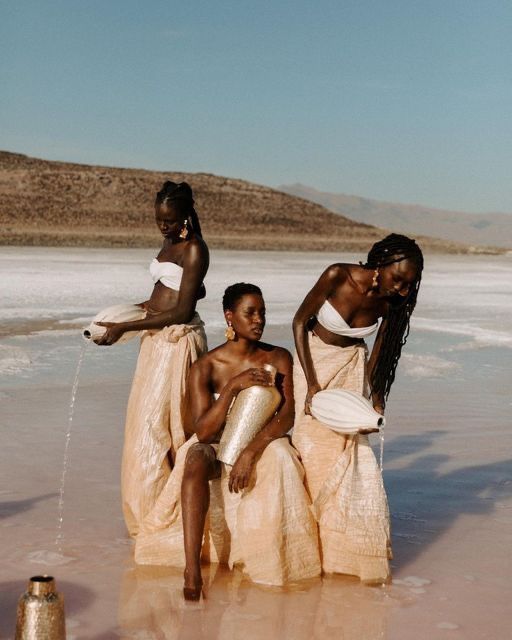
Before wellness had language, it had memory. It lived in kitchens where leaves simmered quietly, in bathtubs prepared with more care than water alone could hold, and in evenings when rhythm filled the air and bodies remembered how to soften. For many of us shaped by Afro-Caribbean inheritance, whether by blood, proximity, or diaspora, care was never abstract. It was practised. Repeated. It was passed down without ceremony, yet it was rich with meaning.
These rituals were not taught as “healing systems.” They were simply what you did when life weighed heavily: a bath prepared after prolonged sadness, a scent used before stepping into unfamiliar spaces, and a gathering designed to restore emotional balance as much as joy. Over time, those acts revealed themselves as something deeper, a philosophy of wellness rooted in African cosmology, refined through survival, and preserved through craft.
Today, Afro-Caribbean wellness rituals stand at a rare intersection. They are intimate yet global, ancestral yet adaptable. They speak to a generation seeking care that feels intentional rather than performative, meaningful rather than market-led. To engage these practices now is not to revisit the past; it is to remember that wellbeing, at its best, has always been personal, communal, and designed to endure.
Afro-Caribbean wellness blends ancestral herbal crafts, ritual baths, and communal ceremonies, rooted in heritage and reframed for modern ethical care.
Ancestral Provenance and Cultural Identity
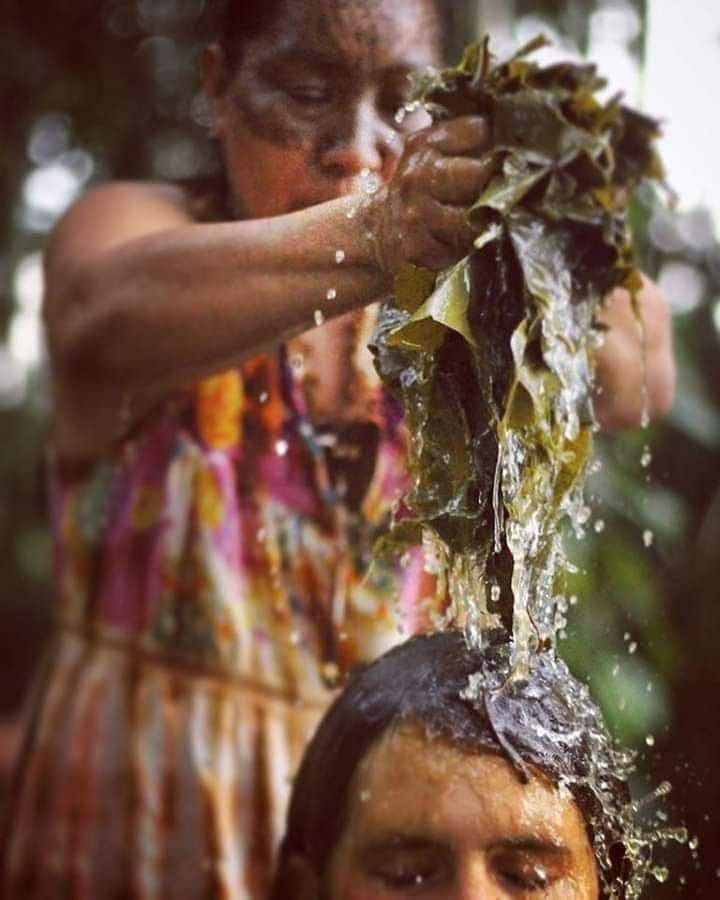
Every Afro-Caribbean ritual begins with lineage. Plants, prayers, and protocols carry the memory of African origins, Indigenous ecology, and diasporic survival. Knowledge is transmitted through elders, healers, and community practice, positioning wellness as cultural craftsmanship rather than folklore.
This emphasis on provenance reinforces identity. Ritual knowledge affirms belonging, preserves memory, and resists cultural erasure. In the contemporary landscape, understanding origin protects these practices from dilution and reframes them as intellectual and cultural assets worthy of respect.
Herbal Craft as Living Technology
Herbal craft is technical and empirical. Decoctions, poultices and baths are calibrated responses to fevers, skin conditions, grief and spiritual affliction. Practitioners combine local botany with observation: which leaf reduces fever, which bark soothes inflammation, which bitter plant repels what is locally called “bad wind.” This botanical competence is artisanal knowledge, refined, transmitted and adapted across geographies. In contemporary terms, it intersects with sustainability and ethical sourcing: responsible harvest practices, respect for biodiversity and recognition of community custodianship.
Diaspora Innovation and Cross-Cultural Translation
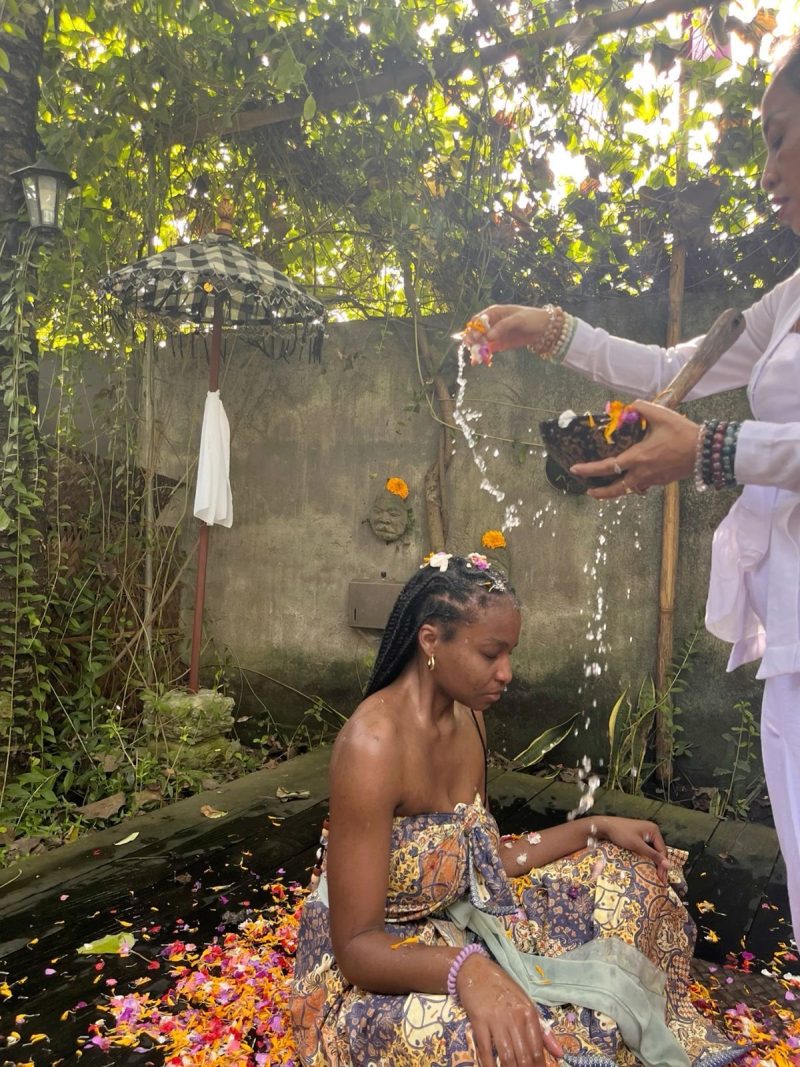
Diaspora influences refract these practices into urban contexts. In cities, apothecaries, ritualists and cultural entrepreneurs adapt bush medicine to apartments. Life, creating accessible micro-rituals (scented sprays, curated baths, guided ceremonial spaces) while negotiating legal, health and ethical constraints. This translation is a creative act: it sustains diaspora identity, informs global artistic influence in fashion and scent, and seeds cross-cultural narratives in contemporary design.
Sustainability and ethical luxury are non-negotiable pillars for any modern engagement. Heritage brands, cultural institutions and practitioners must prioritise fair remuneration, transparent sourcing and ecological stewardship. Crafting modern luxury around Afro-Caribbean ritual materials means investing in training, biodiversity protection and community royalties rather than anonymous appropriation.
Medical Pluralism and Responsible Practice
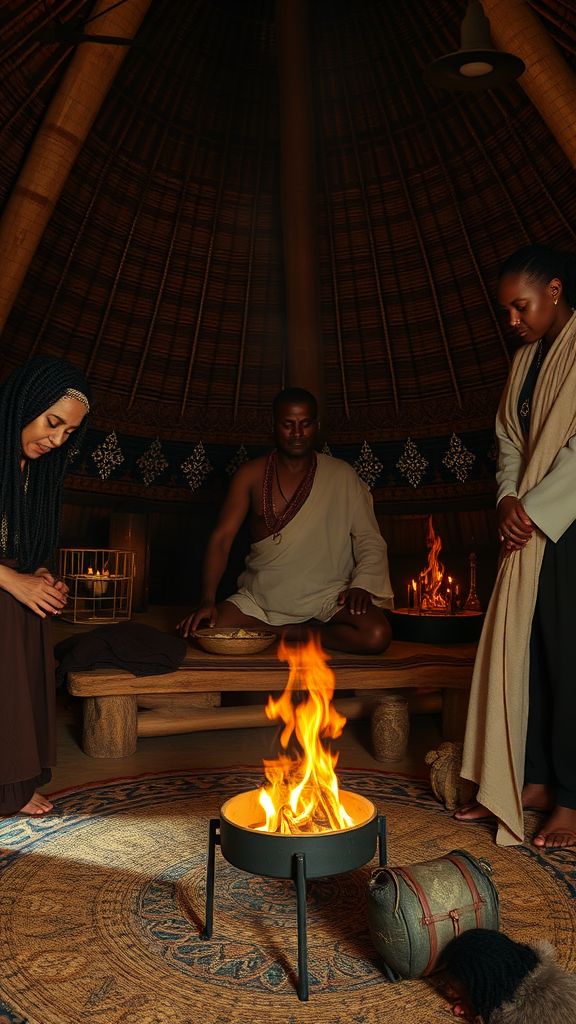
Afro-Caribbean wellness traditions coexist with biomedical care. Many practitioners and participants move fluidly between systems, addressing physical symptoms while attending to emotional or spiritual well-being. This plural approach reflects pragmatism rather than opposition.
However, safety remains critical. Clear protocols, health literacy, and collaboration with medical professionals protect both practitioners and participants—especially regarding plant toxicity, allergies, and pregnancy.
Conclusion
Afro-Caribbean wellness rituals are simultaneously an ancestral archive, an artisanal craft, and a living civic practice. They demand interpretation that is rigorous, ethical and generative: rigorous in honouring provenance; ethical in respecting custodianship and biodiversity; generative in informing contemporary luxury, fashion, and lifestyle innovation rooted in African diasporic identity. To engage with these rituals responsibly is to participate in a cross-cultural story that elevates both heritage and future possibility.
5 FAQs
- What defines an Afro-Caribbean wellness ritual?
A defined ritual combines botanical knowledge, structured protocols (baths, washes, decoctions), and communal or spiritual practices tied to lineage and island histories. - Are ritual herbs safe to use?
Many herbs are safe when used appropriately, but some interact with medications or are contraindicated during pregnancy. Consult a qualified healer and a medical professional before ingesting or applying new remedies. - How do these rituals connect to modern luxury and fashion?
Designers and brands translate ritual aesthetics and scent palettes into garments, fragrances and experiences. Ethical translation prioritises the recognition of practitioners, sustainable sourcing, and the consideration of cultural context. - Can non-Caribbean people participate respectfully?
Yes, responsibly. Learn from named practitioners, cite sources, avoid commercialising sacred rites, and support community-led projects rather than extracting formulas for profit. - Where does sustainability fit in this practice?
Sustainability is central: ethical harvests, biodiversity protection, fair pay for holders of botanical knowledge, and reinvestment in source communities to ensure rituals remain viable and just.