African writers are shaking up modern literature, blending old-school storytelling with a sharp, modern edge. You see their names everywhere, Booker Prize shortlists, bestseller lists, anywhere people care about good writing. These authors cross borders and make you feel Africa’s heart, even from afar. They tackle colonial history, identity, politics, and personal change with a style that rivals any literary tradition. This book isn’t about getting a seat at the table. These writers are building the table. They’re raising the bar for what literature can be, showing that stories rooted in heritage are driving some of the most exciting changes in books today.
Explore 10 African writers reshaping modern literature with heritage-rich stories, bold voices, and award-winning works that captivate readers worldwide.
Top 10 African Literature Writers
1. Chimamanda Ngozi Adichie – The Literary Phenomenon
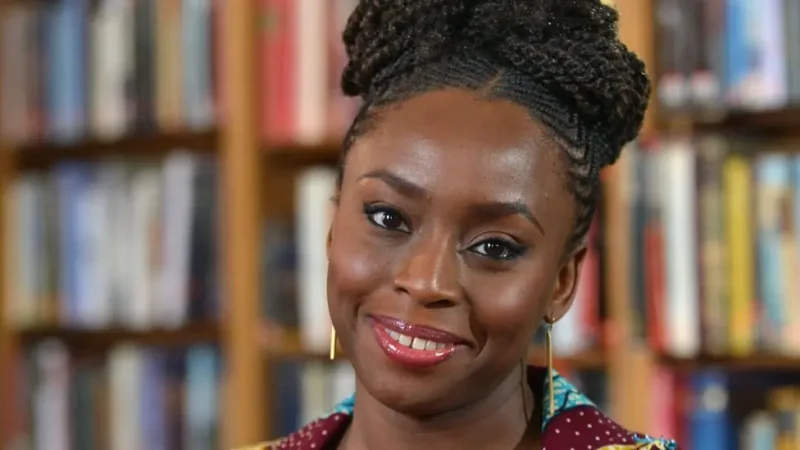
Chimamanda Ngozi Adichie came back in March 2025 with Dream Count, her first novel in over ten years, published by Alfred A. Knopf. She stands apart from other African writers. Purple Hibiscus won the Commonwealth Writers’ Prize. Half of a Yellow Sun snagged the Women’s Prize for Fiction “Best of the Best,” and Americanah took the National Book Critics Circle Award. Her books are out there in more than 55 languages. Adichie isn’t just a literary heavyweight; her voice echoes in feminist debates and cultural conversations all over the globe. Dream Count follows four Nigerian women as they try to find love and themselves during the pandemic. It’s proof she’s still at the top of her game, and everyone else is still trying to catch up.
2. Chigozie Obioma – The Heir to Achebe
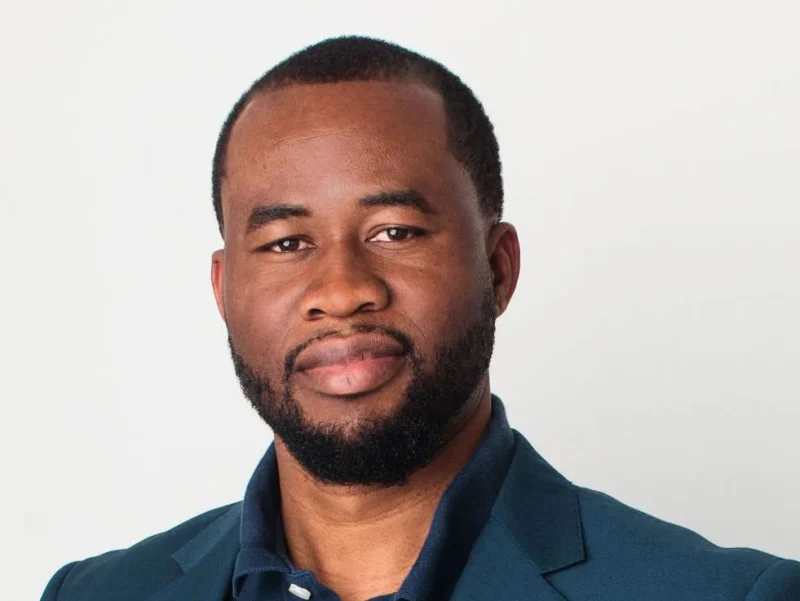
Chigozie Obioma burst onto the scene with The Fishermen and An Orchestra of Minorities, both Booker Prize shortlists, so his name got big fast. He’s picked up the FT/Oppenheimer Funds Emerging Voices Award, the NAACP Image Award, and the Los Angeles Times Award for First Fiction. His newest book, The Road to the Country, made the Dublin Literary Award longlist and was called one of the year’s best by The Boston Globe and The Economist. Obioma stands out for weaving Igbo myths into modern storytelling, keeping oral traditions alive whilst still breaking new ground.
3. NoViolet Bulawayo – Satirical Mastermind
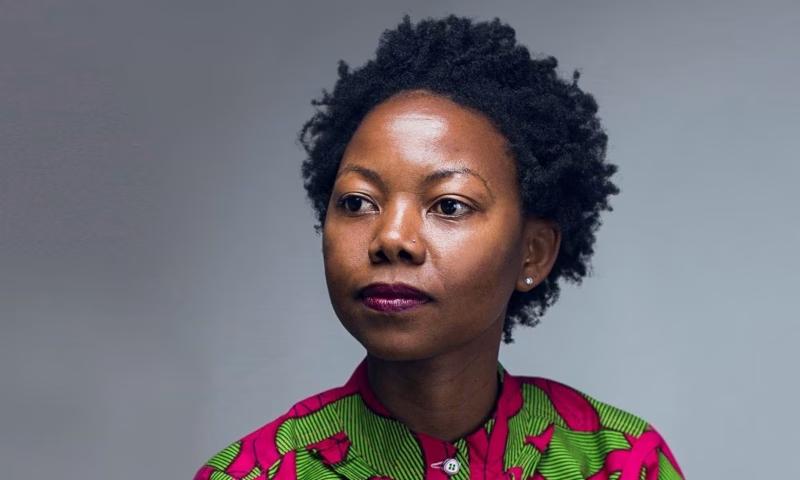
NoViolet Bulawayo’s debut, We Need New Names, was a finalist for the Booker Prize in 2013. Then she did it again in 2022 with Glory, making her the first Black African woman shortlisted twice. She just picked up the 2025 Best of Caine Award for “Hitting Budapest”, a story that won the Caine Prize back in 2011. Bulawayo doesn’t pull punches. Her novel Glory uses animal allegory to rip into Zimbabwe’s political chaos with a sharp, satirical edge. She’s fearless, willing to stare down tyranny and turn it into art.
4. Tsitsi Dangarembga – Pioneer of Zimbabwean Literature
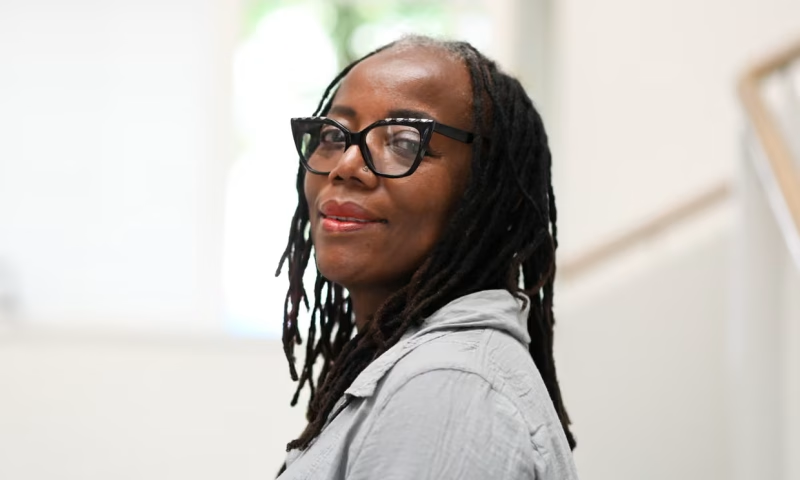
Tsitsi Dangarembga broke new ground with Nervous Conditions in 1988, the first English-language novel published by a Black Zimbabwean woman. It won the Commonwealth Writers’ Prize, and, decades later, the BBC named it one of the 100 books that shaped the world. Her novel This Mournable Body made the Booker shortlist in 2020, and she took home the Windham-Campbell Literature Prize in 2022. Dangarembga digs deep into colonialism, patriarchy, and education. Her trilogy doesn’t just tell stories; it maps out Zimbabwe’s journey through the lives of unforgettable characters.
5. Abdulrazak Gurnah – Nobel Laureate
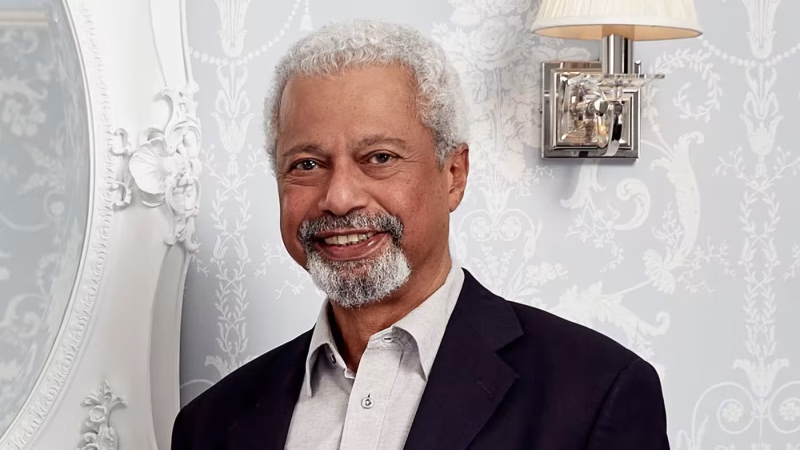
Abdulrazak Gurnah, a Tanzanian writer, won the Nobel Prize in Literature in 2021. Only five African writers have ever received that honour; he’s one of them. His novels, like Paradise, By the Sea, and Desertion, don’t shout. They quietly unravel the pain of colonialism, displacement, and what it really feels like to be a refugee. Before Gurnah, four other Africans took home the Nobel: Wole Soyinka in 1986, Naguib Mahfouz in 1988, Nadine Gordimer in 1991, and J.M. Coetzee in 2003. Gurnah stands out among writers who dig into diasporic identity. His work is both rooted in East Africa and universal in its reach, blending deep historical detail with the kind of close-up, personal storytelling that sticks with you.
6. Wole Soyinka – The Elder Statesman
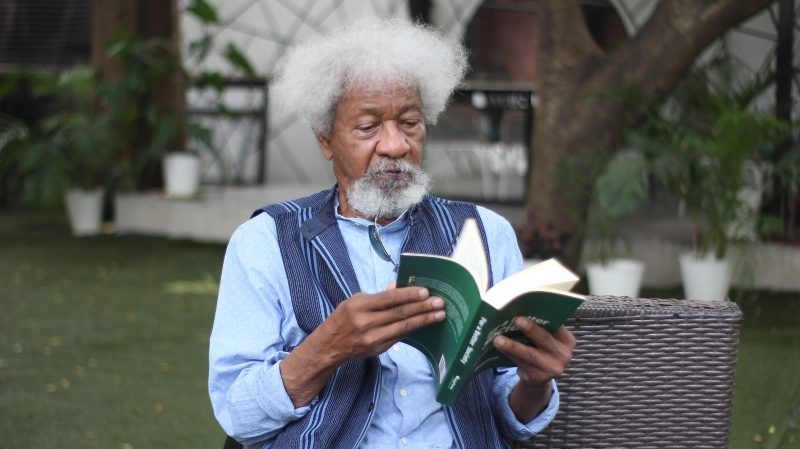
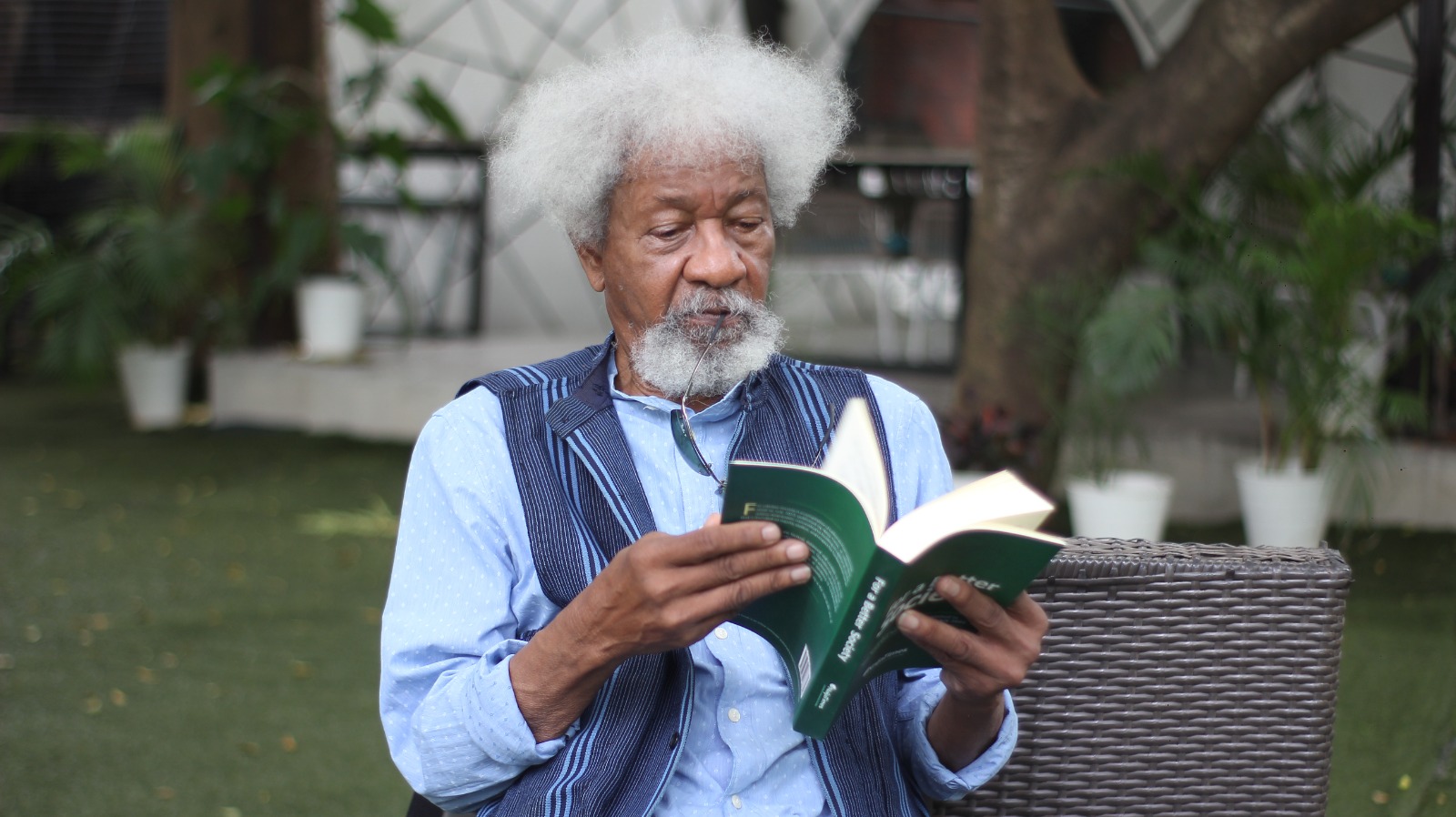
Wole Soyinka, Nigeria’s literary giant, became the first Black person to win the Nobel Prize in Literature back in 1986. He’s also a patron of The Caine Prize for African Writing and, for anyone who cares about African literature, a legend. His plays, poems, and essays have influenced generations of writers and set the standard. Even after decades, Soyinka continues to push boundaries. His recent novel, Chronicles from the Land of the Happiest People on Earth, takes on Nigeria’s political mess and corruption with razor-sharp satire. After sixty years of writing, he still refuses to go quiet.
7. Leila Aboulela – Pioneer of Muslim African Narratives
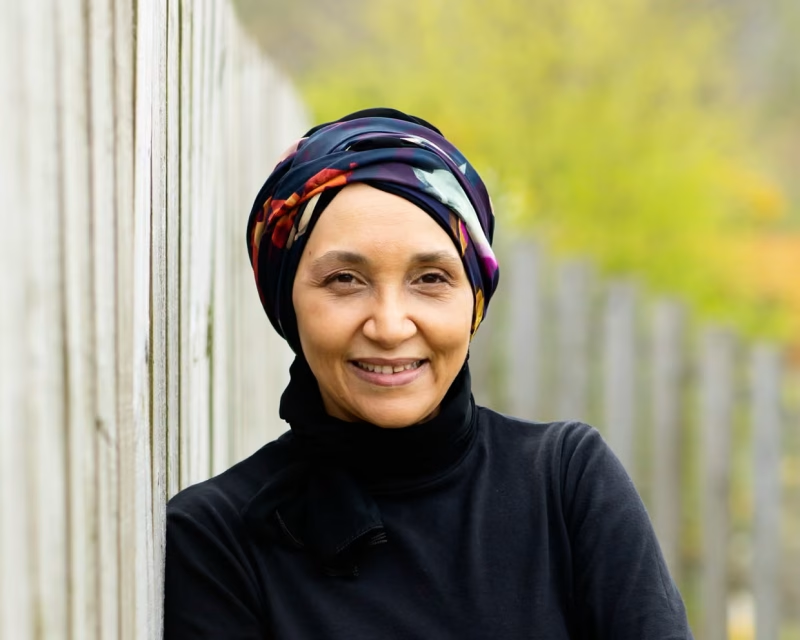
Leila Aboulela, born in Sudan, broke new ground when she won the very first Caine Prize in 2000 for her short story “The Museum”. Her novels, The Translator, Minaret, and River Spirit, prominently feature Muslim African experiences, fusing faith, migration, and identity with a poetic flair. Aboulela’s writing fills a critical gap: she makes it clear that African writers come from diverse religious backgrounds, something Western readers often miss. Her latest novel, River Spirit, dives into Sudan’s Mahdist uprising and shows how fiction gives African writers the power to reclaim their histories.
8. Nadia Davids –Emerging Voice
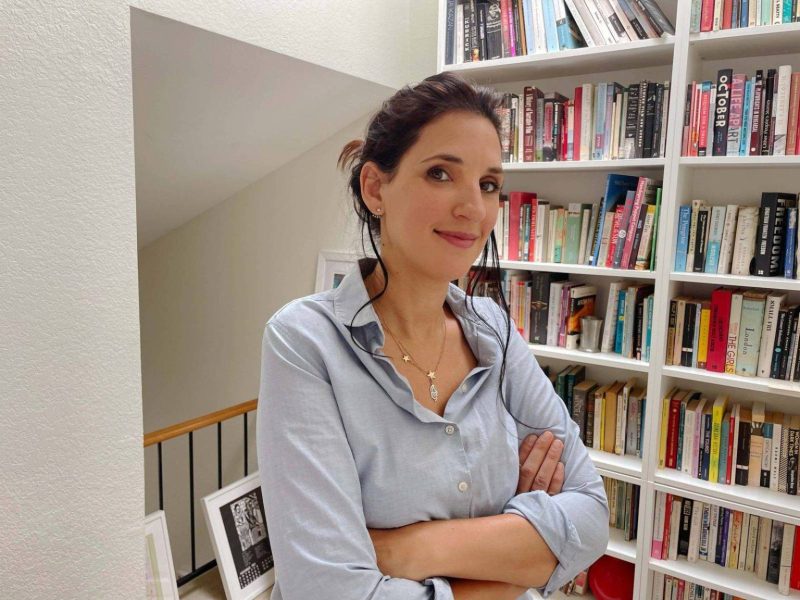
Nadia Davids from South Africa grabbed the 2024 Caine Prize for African Writing with her remarkable short story “Bridling,” published in The Georgia Review. She’s part of the new wave of African writers. Her short fiction stands out for its inventive style and depth, tackling questions of identity, place, and bodily autonomy. Davids writes with a mix of restraint and emotional punch, proving that there are always new voices and perspectives ready to shake up the world of African literature.
9. Jennifer Nansubuga Makumbi – Ugandan Literary Force
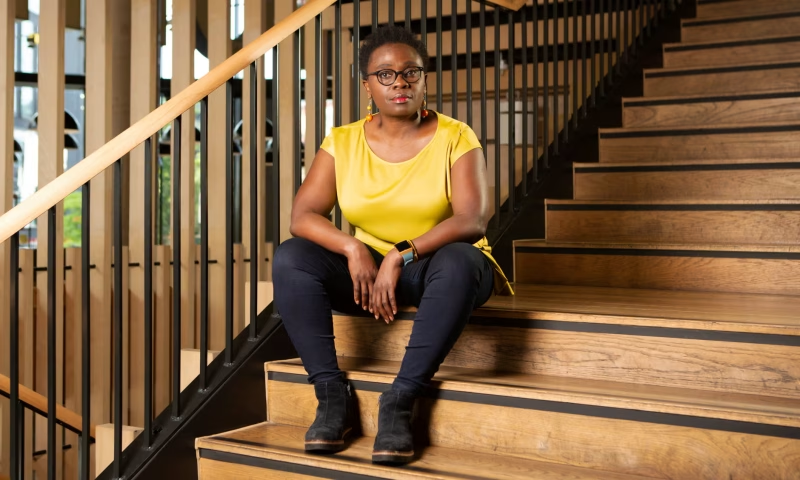
Jennifer Nansubuga Makumbi, who hails from Uganda, made her mark with her first novel, Kintu, which won the Kwani? Manuscript Project in 2013. She’s also served as a judge for the 2025 Best of Caine Award, working alongside Nobel winner Abdulrazak Gurnah. Her novel The First Woman digs into female agency and mythmaking in Uganda. Makumbi has a knack for reimagining old stories in new ways, primarily through a feminist lens. She respects oral tradition but doesn’t shy away from challenging its patriarchal side—creating stories that honour heritage while pushing it to grow.
10. Siphiwe Gloria Ndlovu – Zimbabwean Multidisciplinary Artist
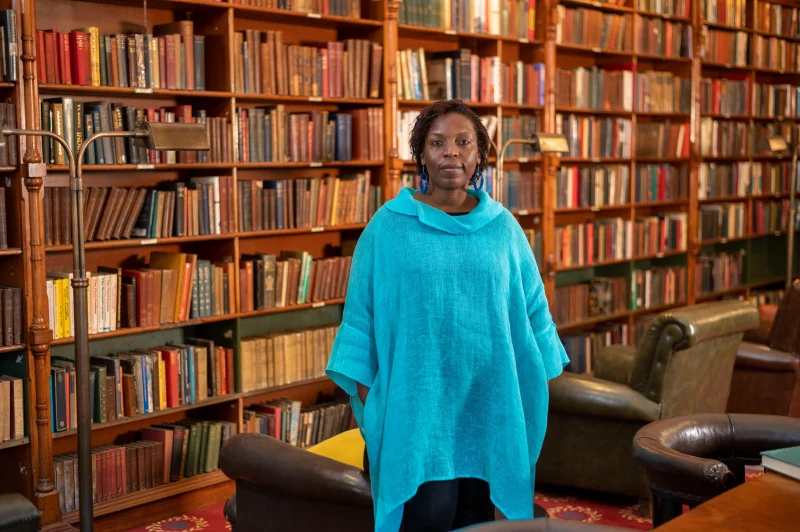
Siphiwe Gloria Ndlovu stands out among Zimbabwean writers. She’s the author behind The Theory of Flight (2018), The History of Man (2020), and The Quality of Mercy (2022), all novels that critics can’t stop praising. In 2018, she became a Morland Scholar, and in 2022, the Windham-Campbell Prize came her way. But Ndlovu’s more than a writer. She’s also a filmmaker and a scholar, constantly moving between creative worlds. Her trilogy digs deep into Zimbabwe’s past, weaving family stories together to show how African writers can build sweeping multi-book sagas every bit as bold as anything on the world stage. She’s proof that African writers have vision and the stamina to see it through.
READ ALSO:
- Budget-Friendly Countries Nigerians Can Visit With ₦1 Million in 2025
- Top 10 Must-Try Ankara and Aso-Ebi Styles for Weddings and Events in 2025
- Best Nature Spots in Abia State You Should Visit in 2025
How Are These Writers Transforming Literature?
These African writers aren’t just joining the conversation; they’re changing the rules. They bring in storytelling rhythms pulled straight from oral traditions: call-and-response, time that loops and circles, and characters who belong to communities, not just themselves. They stretch the English language, mixing in indigenous words and creating new forms that reflect their heritage. But here’s the fundamental shift: they show that themes like love, loss, ambition, and identity don’t need a Western filter to be universal. These stories hit just as strongly when they come from African voices, shaped by African experiences.
Why Does Heritage Matter to Modern Literature?
What sets these writers apart is their refusal to smooth out the edges for the sake of fitting in. They know their heritage isn’t a barrier; it’s their edge. Their stories pull from colonial histories, independence struggles, old oral tales, spiritual beliefs, and the pulse of today’s cities. Western writers simply can’t tap into these same wells. That heritage isn’t just background noise; it’s the signature that makes their work essential to the evolution of literature, not just a footnote.
Frequently Asked Questions (FAQs)
Who are the most awarded African writers?
Some of the most celebrated African writers include Wole Soyinka and Abdulrazak Gurnah, both Nobel Prize winners. Chimamanda Ngozi Adichie has picked up the Commonwealth Writers’ Prize and the National Book Critics Circle Award. Chigozie Obioma has been shortlisted for the Booker Prize twice, and NoViolet Bulawayo is the first Black African woman to make that shortlist twice.
What themes do African writers explore?
African writers explore themes such as the aftermath of colonialism, questions of identity in the diaspora, political corruption, gender inequality, faith, migration, family, the preservation of oral traditions, and the tension between traditional values and modern life. Their stories are rooted in specific cultures but always reach for something universal.
Why are African writers gaining global recognition?
The answer’s simple: their work is outstanding. Their craft is sharp, their perspectives are fresh, and international prizes keep taking notice. Online platforms make it easier for people everywhere to read African literature, and publishers now see both the artistic and commercial value in it.
How do African writers differ from Western authors?
African writers often focus on the group, not just the individual. They use oral storytelling tricks, mix realism with myth, and face colonial legacies head-on, territory Western writers can’t really claim. Their stories often jump between languages and refuse to stick to straight-line plots.
Where can readers discover African writers?
You’ve got options: literary prizes like the Caine and the Booker spotlight new talent, publishers like Cassava Republic and Jacaranda Books focus on African voices, and magazines like Brittle Paper keep the conversation going. Book clubs and social media are also great spots to connect with these writers and their work.