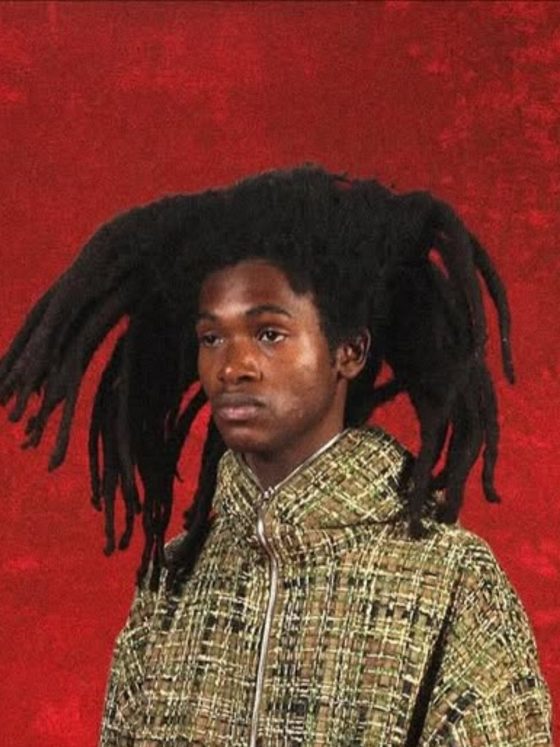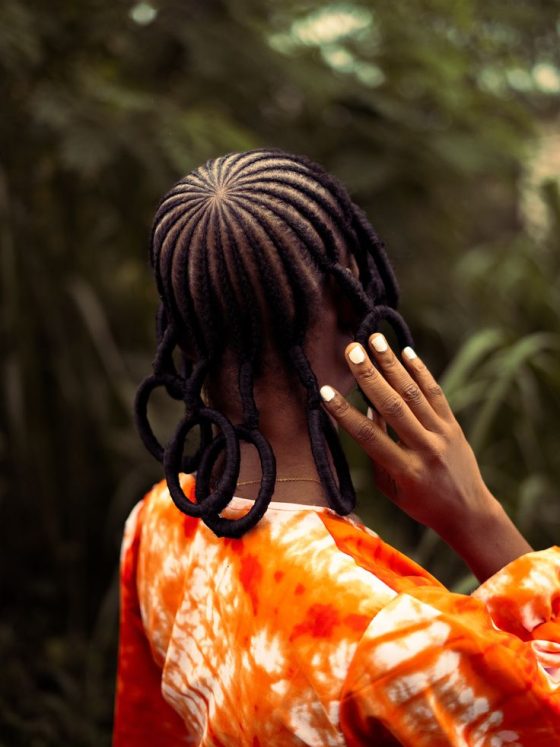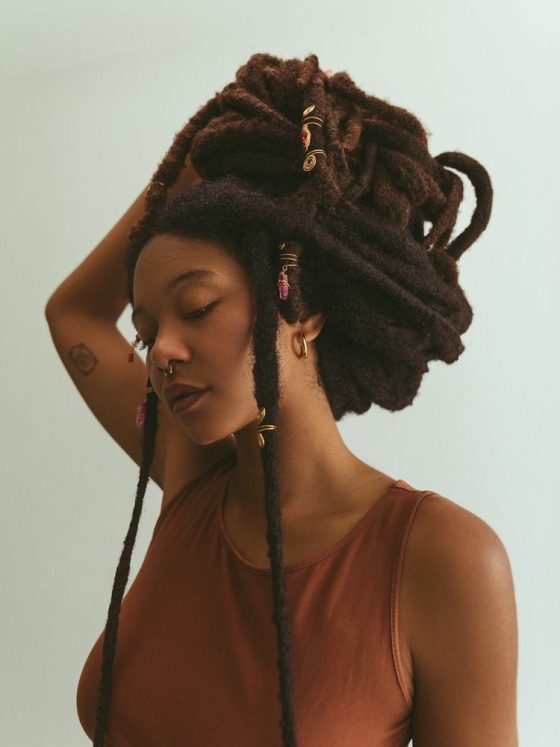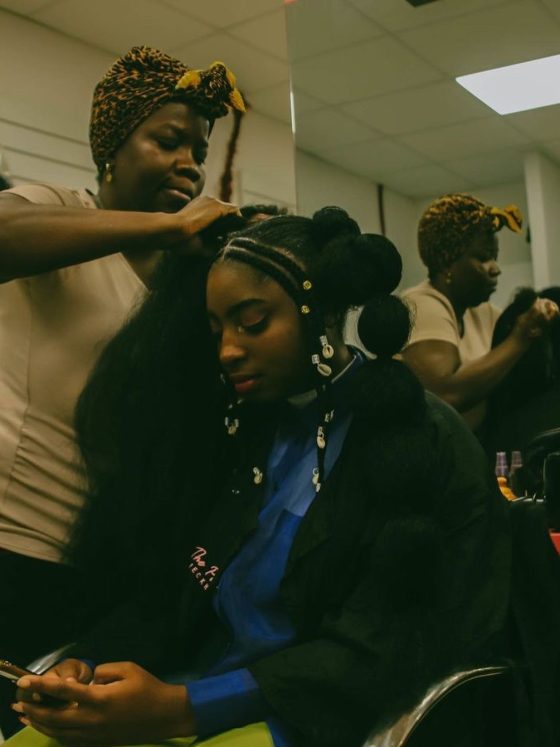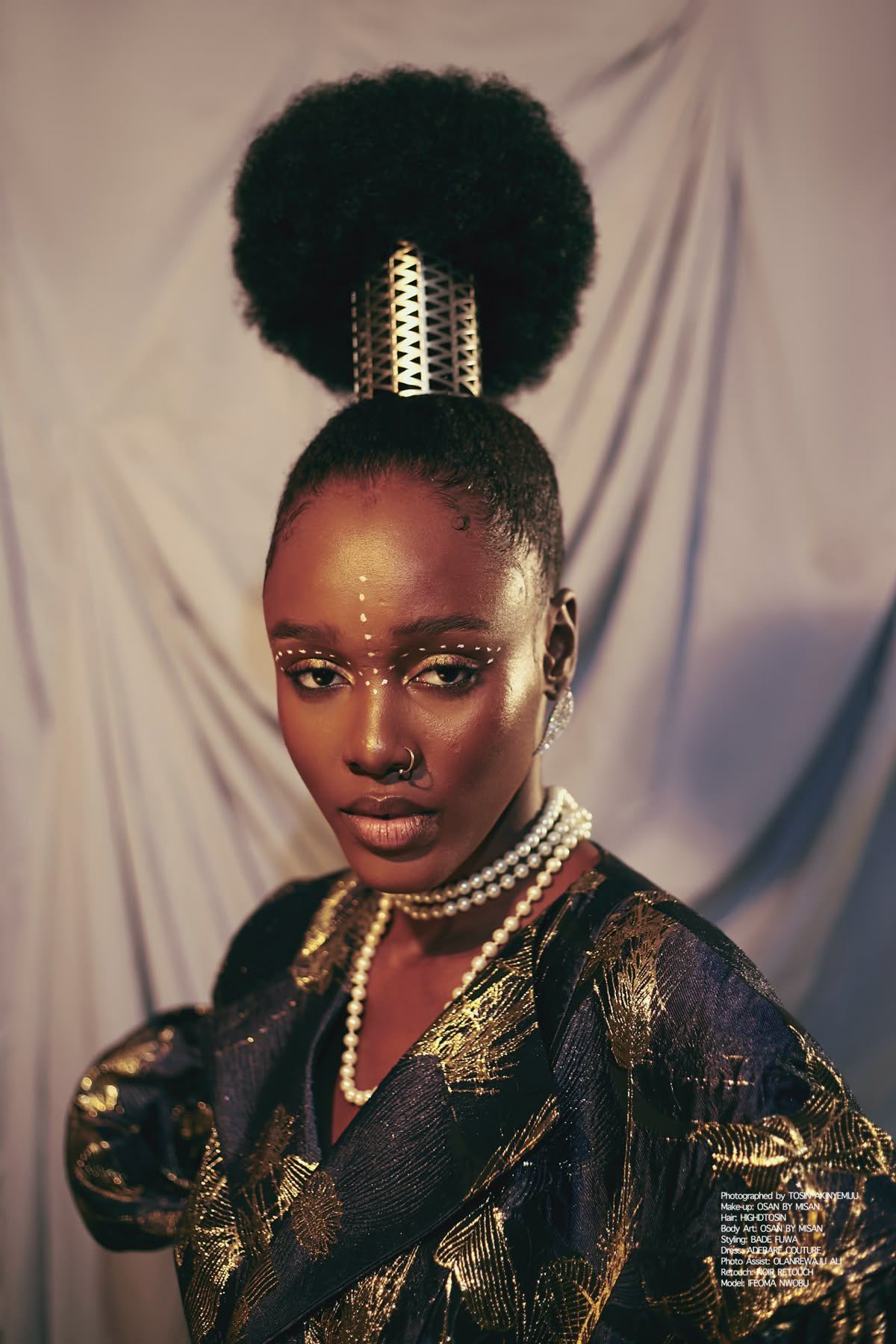
Black hair carries a long memory. It holds stories of ancestry, craftsmanship, migration, reinvention, and resilience. From the intricate braiding traditions across the African continent to the bold affirmations of the natural hair movement, Black hair has never been a trend; it is a living archive. In today’s global landscape, where fashion, culture, and media constantly collide, Black hair stands at the center of conversations about identity, luxury, belonging, and power. Its evolution mirrors the journey of Black communities across the world: rooted in heritage yet shaping the future of beauty with clarity, confidence, and intention.
From African heritage to global fashion, explore how Black hair shapes identity, culture, innovation, and the modern conversation around beauty and power.
Heritage, Identity, and the Artistry of African Hair
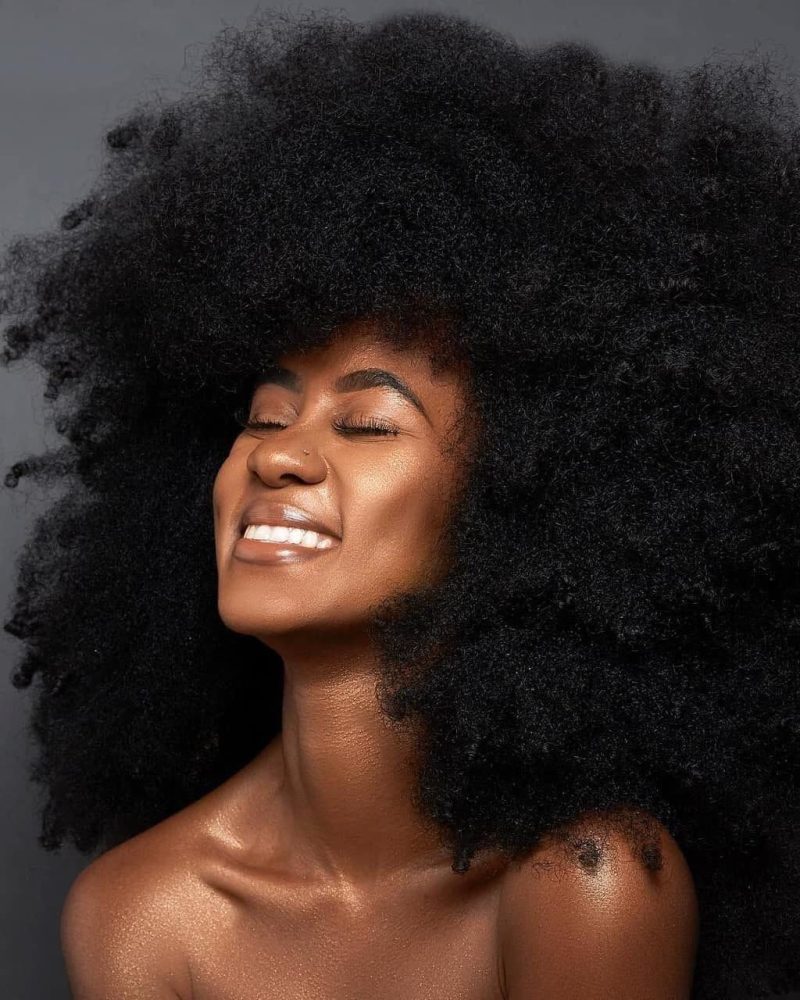
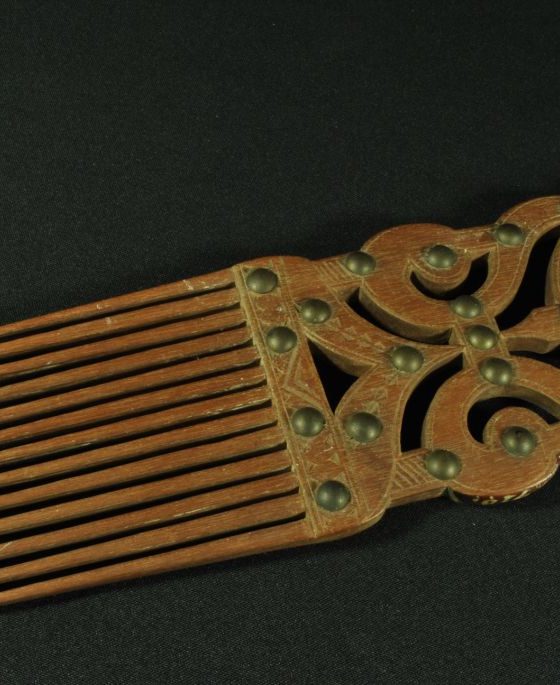
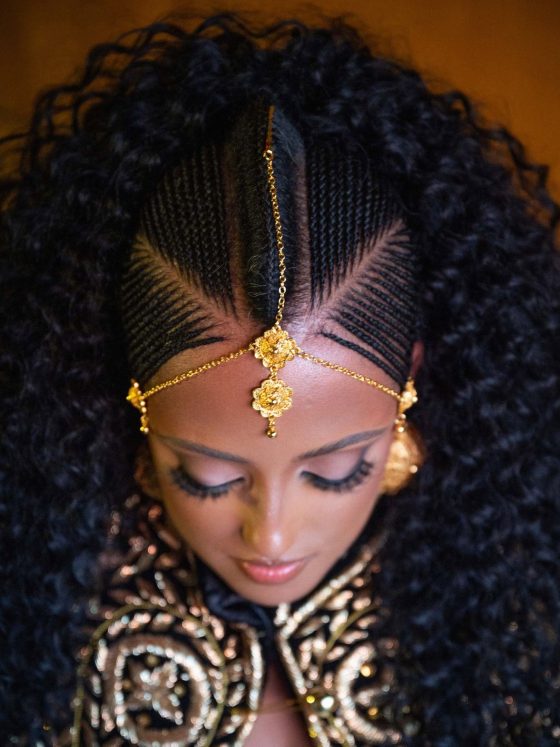
Across African societies, hair has long been a social language. Styles signified lineage, age, marital status, spirituality, and community ties. Braiding was not merely grooming; it was ceremony, creativity, and cultural continuity. Techniques such as cornrows, fulani braids, threading, and sculptural styles demonstrated an advanced artistry that blended mathematics, symbolism, and storytelling.
Today, these traditions inform the global understanding of Black hair. The cultural craftsmanship that emerged centuries ago still guides the modern world’s fascination with African texture, rhythm, and technique.
Migration, Resistance, and the Politics of Beauty
The transatlantic slave trade disrupted cultural expression, yet hair remained a quiet form of resistance. Enslaved Africans adapted their grooming practices under brutal conditions, preserving elements of identity through protective styles and communal care.
With colonisation came the rise of Eurocentric beauty standards, which devalued African textures and encouraged assimilation. Straightening became a survival tool. Hair was policed in classrooms, workplaces, and public life, shaping how generations understood beauty and respectability.
This history explains why today’s global conversations are not merely aesthetic; they are political. Every twist, loc, or Afro challenges centuries of imposed ideals.
The Natural Hair Renaissance and the Rise of Modern Luxury
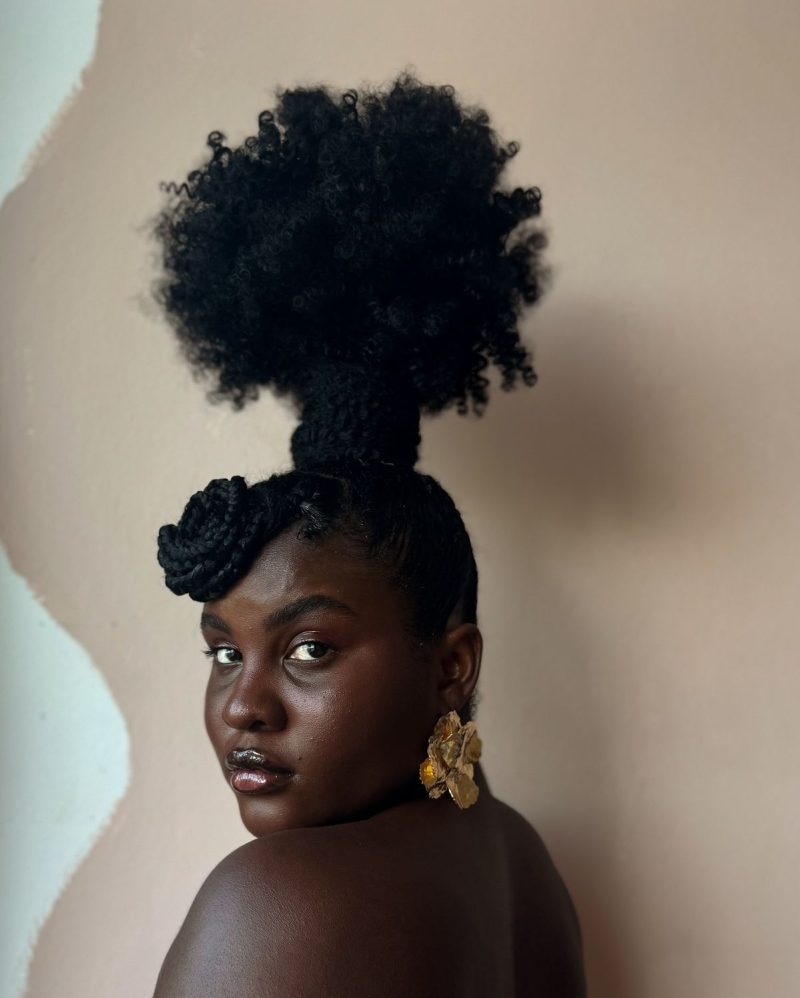
The late 20th and early 21st centuries ushered in a major shift. The natural hair movement encouraged a return to texture, celebrating curls, coils, and kinks with intellectual and cultural pride. Social media amplified this renaissance, giving creators, stylists, and entrepreneurs room to shape new narratives.
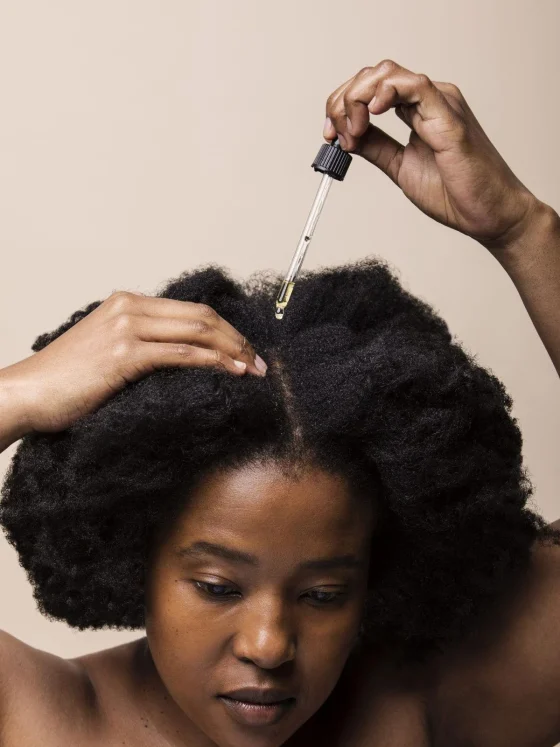
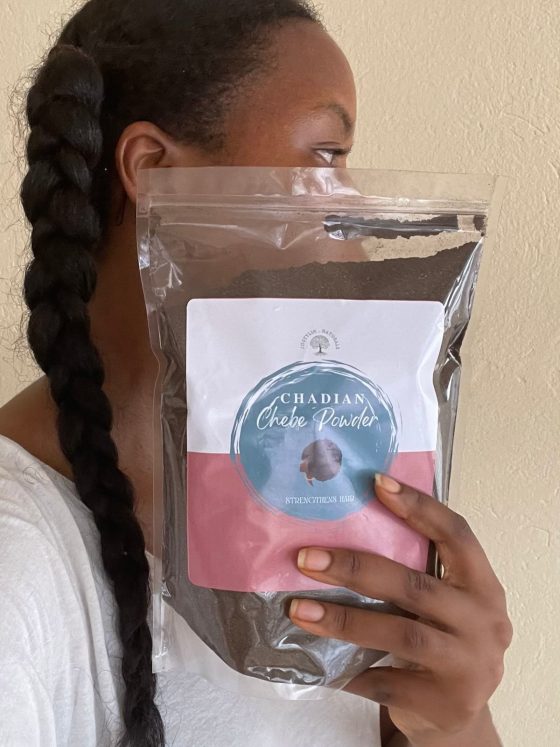
As the movement matured, it inspired a modern luxury approach to Black haircare: high-performance formulations, ethically sourced botanicals, innovative salon techniques, and brands rooted in African ingredients such as shea, moringa, baobab, and chebe.
This era reframed Black hair as premium, intentional, and tech-informed—an ecosystem where tradition meets scientific advancement.
READ ALSO:
Heritage-Led Global Dialogue
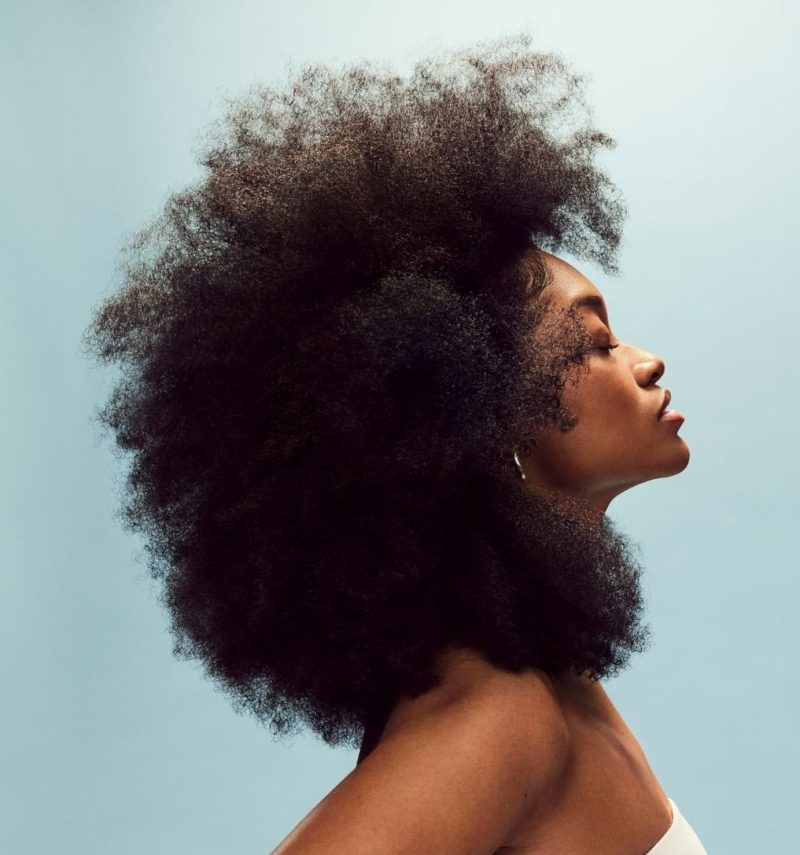
Black hair now sits at the heart of global artistic influence. Runways, editorials, film, and music lean heavily into Afro-textured aesthetics, often pulling inspiration from African braiding patterns, tribal motifs, and diaspora street culture. Across Lagos, Accra, Johannesburg, London, New York, and the Caribbean, stylists create new languages of beauty that travel across borders. Diaspora artists remix tradition with futurism, turning their hairstyles into cultural statements that honour history while pushing design forward.
Yet this influence also sparks debates around cultural appropriation, authorship, and credit. These discussions illustrate the importance of respect, context, and acknowledgement when Black aesthetics enter mainstream culture.
The Future of Black Haircare
Rising awareness around wellness and environmental responsibility is shaping a new frontier. Especially when products target Black communities, consumers are demanding transparency, clean ingredients, and sustainable sourcing practices.
African beauty ecosystems offer unique solutions: indigenous plants, regenerative farming, and community-led production that empower local artisans. Brands rooted in ethical luxury reflect a future where beauty does not exploit heritage but uplifts it.
The evolution of Black hair is therefore also an evolution of values, centred on dignity, safety, and global responsibility.
Conclusion
The story of Black hair is a story of continuity. It begins in African villages and royal courts, travels through migration and survival, and rises today as a global force shaping beauty, culture, and commerce. Its evolution reflects a blend of heritage, artistry, innovation, and identity, proving that Black hair is not only a cultural symbol but a creative engine influencing the world. As conversations expand, one truth remains: Black hair will always be a site of self-definition, cultural memory, and boundless possibility.
5 FAQs
- Why is Black hair deeply tied to identity?
Hairstyles historically communicated ancestry, community status, and cultural values, making hair a core part of African identity.
- How did colonisation affect Black hair traditions?
Colonial systems enforced Eurocentric beauty standards, leading to widespread pressure to straighten or conceal natural textures.
- What sparked the natural hair movement?
A combination of cultural pride, digital communities, and a rejection of narrow beauty ideals revived global appreciation for natural textures.
- Why is Black hair central to modern luxury and innovation?
The global market now seeks high-quality formulations, ethical sourcing, and advanced techniques that cater specifically to textured hair.
- How does the diaspora shape global Black hair trends?
Through art, music, fashion, and digital culture, diaspora communities remix tradition with modern influence, driving worldwide creative expression.