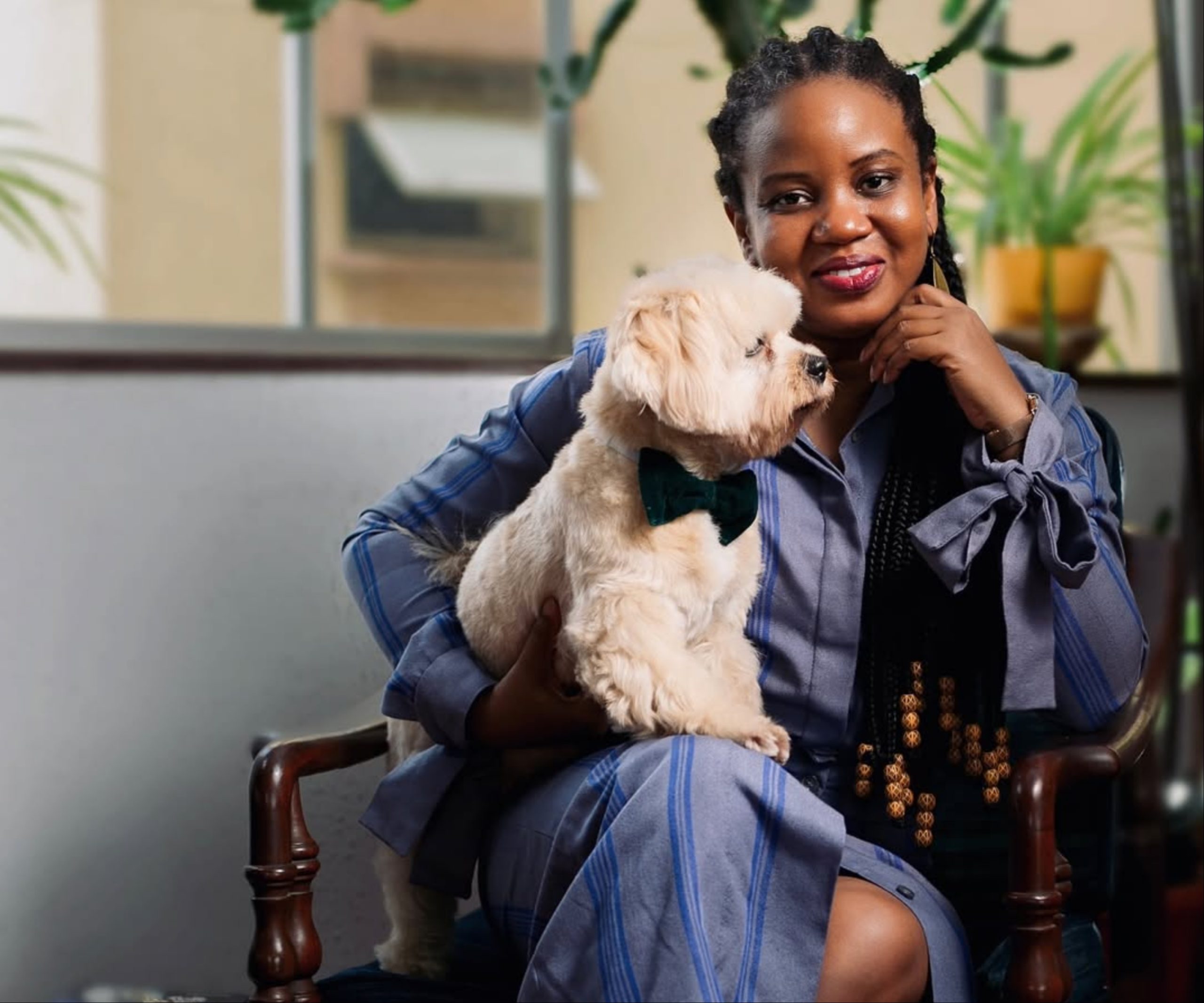
Jumoke Sanwo saw something more in the fire exit at Silverbird Galleria in Victoria Island, Lagos, a spot that most people would typically ignore. Back in 2016, she turned that forgotten hallway into the Revolving Art Incubator. Jumoke Sanwo not only displayed a few paintings, but she also revolutionised the art scene in Lagos, changing the boundaries of who can create art, where it can be displayed, and how it can unite people. What started as a staff entrance and emergency route grew into one of the city’s most daring artist-run spaces. Even The New York Times took notice by 2019.
Sanwo’s idea was simple but bold: build an in-between space, a place where creatives could rethink what art means right now and what it could become. Lagos desperately needed this. Instead of copying the same old exclusive clubs, RAI threw its doors open, making space for anyone curious, encouraging wild experiments, and bringing together people who might never have met otherwise.
Explore how Revolving Art Incubator (RAI) democratises Lagos’s art scene through experimental space, cross-disciplinary collaboration, and global reach.
Why Lagos Needed Something Different
When RAI arrived, the art scene in Lagos felt constrained by traditional norms. Imagine a city bursting with energy, home to over 21 million people, yet with fewer than 15 real art organisations. Most of them were tucked away on the island, in affluent neighbourhoods like Ikoyi and Victoria. The shows? Invitation-only, mainly for the wealthy, turning exhibitions into a kind of private sport. Regular folks got shut out, and young artists with big ideas felt stuck. If you wanted to show your work, you either made what galleries thought would sell, or you ended up in makeshift spaces with zero support. The gap between the city’s creative energy and the places to use it was huge.
Sanwo knew this firsthand. She’s a storyteller and cultural producer, always digging into how postcolonial reality shapes what we remember and how we move through space. After she took part in the 2015 Venice Biennale with the Invisible Borders Trans African Photography collective, she saw just how much a real platform mattered. Lagos didn’t have enough of those. So she asked herself: What kind of space would help someone like me grow? Then she went out and built it.
Turning a Fire Exit into a Cultural Doorway
That fire exit spot? It wasn’t a last resort; it was a masterstroke. Being in a busy mall made the space open and unpredictable. People could wander through, even if nobody were there to greet them. It smashed the old gallery vibe, where everything’s watched, guarded, and a bit intimidating. Instead, RAI felt effortless, almost accidental.
The Silverbird Galleria brought in everyone, not just art insiders. Shoppers, diners, commuters, and anyone passing by had a shot at stumbling into art. Even bankers from nearby offices found themselves drawn in, reconnecting with creative sides they’d buried under Lagos’s non-stop grind. Some started writing again; a few even put out music.
This wasn’t just about art on walls. It was Sanwo’s way of saying public space in Lagos matters. In a city where privatisation keeps swallowing up common ground, RAI pushed back. Art doesn’t have to stay locked away in fancy, guarded rooms. It belongs out in the open, for everyone.
Cross-Disciplinary Innovation
RAI doesn’t stick to one discipline. Instead, it brings together all kinds of creatives, painters, photographers, poets, technologists, architects, you name it, to spark ideas you just can’t get from working alone. They organise people not by what medium they use but by the questions they’re chasing. So, you walk into a room and observe a spoken word artist brainstorming with a sculptor or a photographer, swapping ideas with an architect. Suddenly, old boundaries fade. People start seeing new ways to work, and the results feel fresh and surprising.
You can see this thought in all of RAI’s programmes. The Artist-At-Work initiative gives artists space to try things and figure out their process. Art+VR workshops hand creatives new tools, letting them play with extended reality to tell stories. Sometimes they team up with tech incubators to build digital assets, NFTs and the like, putting Nigerian artists right at the cutting edge.
outSPOKEN: Documenting the Contemporary Moment
outSPOKEN stands out. Every two weeks, RAI hosts this oral diary, a mix of poetry, spoken word, and music, all focused on what’s happening right now. Lagos is full of conversations about the past or wild guesses about the future, but honest talk about the present? That’s rare. Sanwo picked up on this gap, and outSPOKEN really leans into it.
Here’s how it works: poets-in-residence dig into current events, scrolling through news and social media to pick out the stories everyone’s talking about. Political shifts, protests, cultural trends, whatever’s in the air, they turn it into poetry and performance. Then they gather at RAI, not just to perform, but to speak with the audience. Over time, these poets build up a body of work, maybe even enough for future anthologies that capture what it feels like to live in Lagos right now.
But the real magic? outSPOKEN draws in people from all over: students, professionals, and regular folks who don’t usually hit up art events. They come for the performances but stay for the conversations. Suddenly, art isn’t just for insiders; it’s part of everyday life, a way to wrestle with what’s happening in the city.
International Recognition and Impact
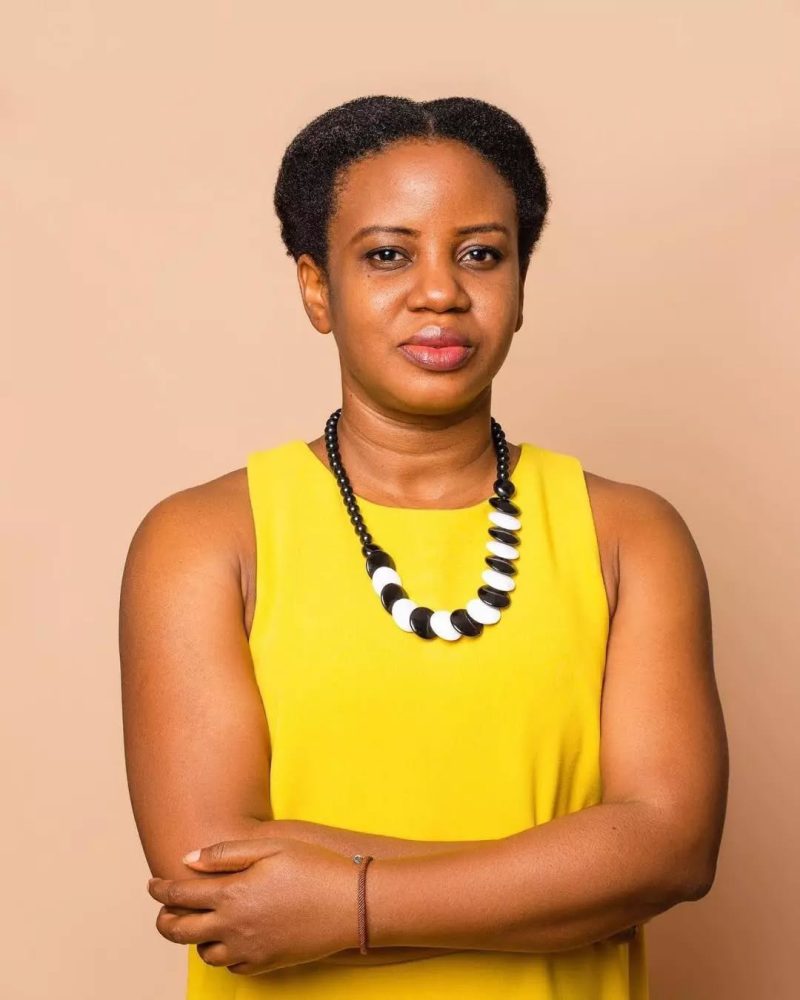
Since it started, RAI has shown work from more than 50 artists, solo shows, group exhibitions, you name it, and its influence stretches way beyond Lagos. It’s not just about the artists in the room; RAI’s reach has gone international, thanks in part to Sanwo’s own projects and innovative collaborations.
Take Sanwo’s VR film “Lagos at Large.” Made through Electric South’s VR lab, it premiered at IDFA in Amsterdam, picked up nominations for storytelling and creative tech, and even landed on Forbes’ list of top XR experiences in 2019. The film gives you an up-close look at Lagos through the eyes of Njideka, a daughter of the diaspora. She tackles big topics, gentrification, urban change, and postcolonial identity, all through poetic narration.
This kind of work shows how RAI’s approach lets Nigerian artists play on the global stage, especially in new media, without losing their roots. They’re not just copying Western trends. They’re building something uniquely African, making sure their perspectives shape the digital future.
READ ALSO:
- The Best Festive Celebrations Across Northern Nigeria
- The Rise Of Cultural Art Tours Across West Africa
- Notable Towns In Bayelsa Worth Visiting This Festive Season
Ecosystem Development and Artist Support
The way RAI works, experimental, open to all, not driven by commercial sales, has inspired other alternative spaces around Lagos. Sanwo points out that having more of these places gives artists freedom. They don’t have to make art just to sell; they can try new things, take risks, and know there’s a space that’ll support them.
Through its Artist Management Programme, RAI selects a few artists for long-term support. They help with career planning, research, shows, and connections abroad. Through partnerships like the Arthouse Foundation, they offer residencies, production support, and mentorship, especially for up-and-coming artists.
But you can feel RAI’s influence beyond just these programs. They’ve proven you don’t need a fancy white-cube gallery or a posh neighbourhood for art to matter. You can reach broad audiences, keep your integrity, and still make an impact. Because of RAI, the creative community in Lagos dreams a little bigger about what’s possible.
Indigenous Knowledge and Global Dialogue
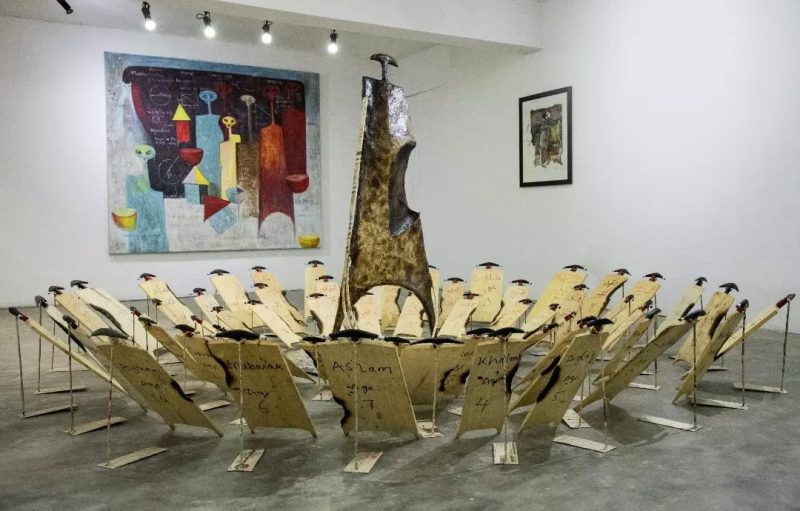
Sanwo’s idea of “global localisation”, or the “glocal” approach, puts different cultures, histories, and traditions front and centre, not as background noise, but as real players in the global scene. Instead of flattening everything into one bland, global culture or slipping into rigid nationalism, this way of thinking lets Nigerian artists join international conversations without losing themselves. They set the terms.
You see this clearly with RAI. The space really leans into what Boaventura de Sousa Santos calls “alternative thinking of alternatives”. RAI digs into the hidden structures of culture, those everyday, informal ways of doing things and traditional methods, using them as fuel for art. Instead of brushing off informal economies or local knowledge as old-fashioned or in the way, RAI treats them as sources of wisdom. There are lessons there that speak to today’s problems.
Conclusion
Eight years in, Revolving Art Incubator proves you don’t have to choose between being open to everyone and pushing for artistic brilliance. They go hand in hand. RAI has breathed life into forgotten corners, turned them into cultural landmarks, and put experimentation ahead of commercial gain. They’ve built bridges between art forms and between people. In doing all this, RAI has changed the idea of what an art space can be in Lagos. And honestly, the model works beyond Nigeria.
The evidence is all around. Thousands of creatives have passed through RAI’s doors. Artists have launched real careers from their exhibitions. People have discovered art in unexpected locations. That’s what happens when you design an institution with intention. As Lagos keeps growing and Nigeria’s creative world gets bigger, places like RAI aren’t just lovely to have; they’re essential. They give artists the support they need, create space for new ideas, connect local culture to global conversations, and prove that drawing on tradition can lead to better futures. At RAI, the fire exit isn’t just an odd entrance; it’s an open door to art, community, and possibility.
Frequently Asked Questions
1. What is Revolving Art Incubator (RAI)?
RAI is a multidisciplinary art incubator founded in Lagos, Nigeria, in 2016. It gives up-and-coming and mid-career artists a space to experiment, collaborate across fields, dive into immersive tech, and join today’s conversations.
2. Where is RAI located?
You’ll find RAI in the fire exit of Silverbird Galleria on Victoria Island, Lagos. It’s an unusual spot, picked deliberately so that anyone can walk in, no matter the time.
3. Who founded RAI?
Jumoke Sanwo started RAI. She’s a storyteller, cultural producer, and lens-based artist who digs into how postcolonial realities shape memories and the city’s development in Lagos.
4. What is outSPOKEN?
outSPOKEN is RAI’s biweekly event. Think of it as an oral diary for the present, with poetry, spoken word, and music. Poets-in-residence respond to what’s happening socially and politically right now.
5. What kind of artists does RAI support?
RAI welcomes experimental and conceptual artists across a wide range of fields, including visual arts, photography, sculpture, installation, performance, poetry, architecture, new media, and extended reality.
6. Has RAI received international recognition?
Yes. In 2019, The New York Times called RAI one of Lagos’s sharpest artist-run spaces. Sanwo’s VR film “Lagos at Large” debuted at IDFA and landed on Forbes’ top 50 XR experiences of 2019.
7. How many artists has RAI showcased?
Since opening in 2016, RAI has featured over 50 artists in both solo and group shows, and it has reached thousands more through workshops, talks, and development programs.
8. What makes RAI different from traditional galleries?
RAI isn’t chasing sales. It’s a non-commercial space that prioritises artistic growth, keeps public access free, encourages crossover between disciplines, and explores new tech like VR and NFTs.