Menu
  • AFRICA
    • African Fashion
    • African Designers
    • Textiles & Craft
    • Heritage Clothing
    • Made in Africa
    • Regional Style
  • DIASPORA
    • Diaspora Voices
    • Diaspora Connects
    • UK Scene
    • US Scene
    • Caribbean Diaspora
    • Afro-Latino Identity
    • Migration & Identity
  • CULTURE
    • Style & Identity
    • Ceremony & Ritual
    • Art & Music
    • Cultural Inspirations
    • Black Culture
    • Heritage Stories
  • FASHION
    • Trends
    • Street Style
    • Runway
    • Sustainable Fashion
    • Tailoring
    • Luxury Fashion
  • INDUSTRY
    • Editorial Intelligence
    • Market Trends
    • Brand Strategy
    • Retail & Commerce
    • Partnerships
    • Reports
    • Insights
    • Omiren Style Index
  • BEAUTY
    • Skincare
    • Makeup
    • Hair & Hairstyle
    • Fragrance
    • Beauty Traditions
    • Natural Beauty
  • MEN
    • Men’s Style
    • Grooming Traditions
    • Traditional & Heritage
    • The Modern African Man
    • Menswear Designers
  • WOMEN
    • Women’s Style
    • Evening Glam
    • Workwear & Professional
    • Streetwear for Women
    • Accessories & Bags
    • Bridal
  • NEWS
    • Cover Stories
    • Fashion Weeks
    • Opinion & Commentary
    • Style Icons
    • Rising Stars
  • DIRECTORY
    • Designers
    • Brands
    • Boutiques
    • Stylists
    • Models
    • Photographers
    • Creative Teams
    • Events
    • Production
    • Materials & Suppliers
Subscribe
OMIREN STYLES OMIREN STYLES

Fashion · Culture · Identity

OMIREN STYLES OMIREN STYLES OMIREN STYLES OMIREN STYLES
  • AFRICA
    • African Fashion
    • African Designers
    • Textiles & Craft
    • Heritage Clothing
    • Made in Africa
    • Regional Style
  • DIASPORA
    • Diaspora Voices
    • Diaspora Connects
    • UK Scene
    • US Scene
    • Caribbean Diaspora
    • Afro-Latino Identity
    • Migration & Identity
  • CULTURE
    • Style & Identity
    • Ceremony & Ritual
    • Art & Music
    • Cultural Inspirations
    • Black Culture
    • Heritage Stories
  • FASHION
    • Trends
    • Street Style
    • Runway
    • Sustainable Fashion
    • Tailoring
    • Luxury Fashion
  • INDUSTRY
    • Editorial Intelligence
    • Market Trends
    • Brand Strategy
    • Retail & Commerce
    • Partnerships
    • Reports
    • Insights
    • Omiren Style Index
  • BEAUTY
    • Skincare
    • Makeup
    • Hair & Hairstyle
    • Fragrance
    • Beauty Traditions
    • Natural Beauty
  • MEN
    • Men’s Style
    • Grooming Traditions
    • Traditional & Heritage
    • The Modern African Man
    • Menswear Designers
  • WOMEN
    • Women’s Style
    • Evening Glam
    • Workwear & Professional
    • Streetwear for Women
    • Accessories & Bags
    • Bridal
  • NEWS
    • Cover Stories
    • Fashion Weeks
    • Opinion & Commentary
    • Style Icons
    • Rising Stars
  • DIRECTORY
    • Designers
    • Brands
    • Boutiques
    • Stylists
    • Models
    • Photographers
    • Creative Teams
    • Events
    • Production
    • Materials & Suppliers
  • Sustainable Fashion

Sustainability in Style: How Hausa Street Fashion Redefines Conscious Dressing

  • Fathia Olasupo
  • November 10, 2025
Sustainability in Style: How Hausa Street Fashion Redefines Conscious Dressing

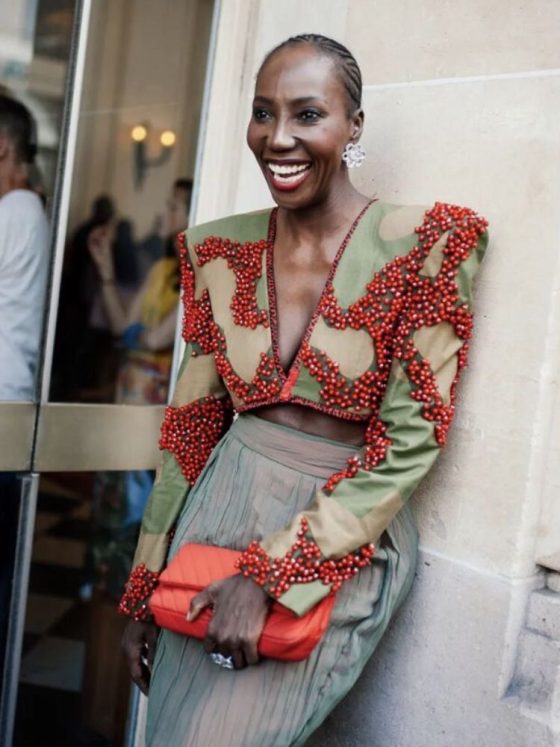
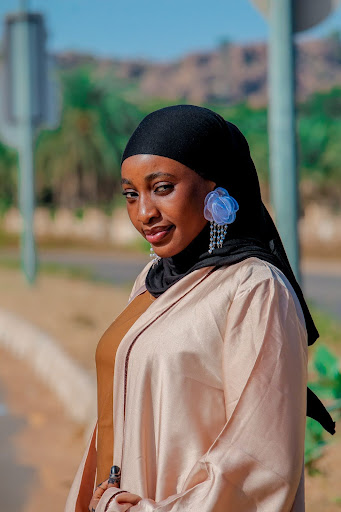
In an era where the fashion industry races to produce what’s next, Hausa street fashion quietly stands still, and that’s its greatest strength. Rooted in tradition yet effortlessly modern, it reflects a lifestyle of sustainability long before the word became fashionable. 

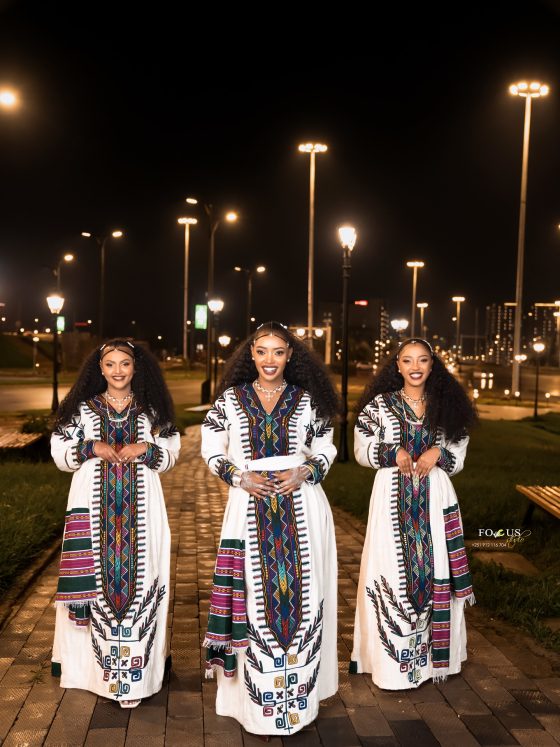
Every scarf, every flowing gown, and every pattern tells a story of longevity, reuse, and care. For Hausa women, dressing beautifully has never required excess; it has always meant being intentional about their appearance.

Across the streets of Northern Nigeria, the modern Hausa woman proves that sustainable fashion isn’t a movement; it’s a mindset ingrained in her culture.


Explore how Hausa street fashion blends sustainability and inclusivity, proving that conscious dressing is an African tradition, not a trend.


The Art of Longevity: Fashion That Lasts Beyond Trend
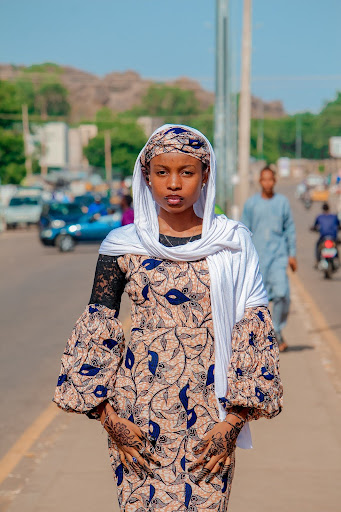
The Art of Longevity: Fashion That Lasts Beyond Trend

Fast fashion thrives on novelty, but Hausa fashion thrives on endurance. Many Hausa women wear pieces that have outlived seasons, stitched from fabrics passed down through generations. Rather than discarding, they revive and re-dye faded wrappers, layering aged materials with newer accents, and turn family textiles into personal statements.

These clothes aren’t old; they’re storied. Every fold of cotton or silk carries the memory of care, the mark of skill, and the comfort of familiarity. In this way, Hausa street fashion naturally embodies slow fashion, built on durability and meaning, rather than impulse or excess.

By maintaining garments rather than replacing them, Hausa women unconsciously practice the very principle the global fashion world now calls “circularity.”


Locally Made, Globally Relevant
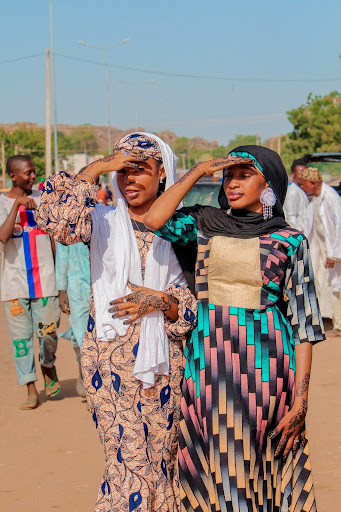
Locally Made, Globally Relevant

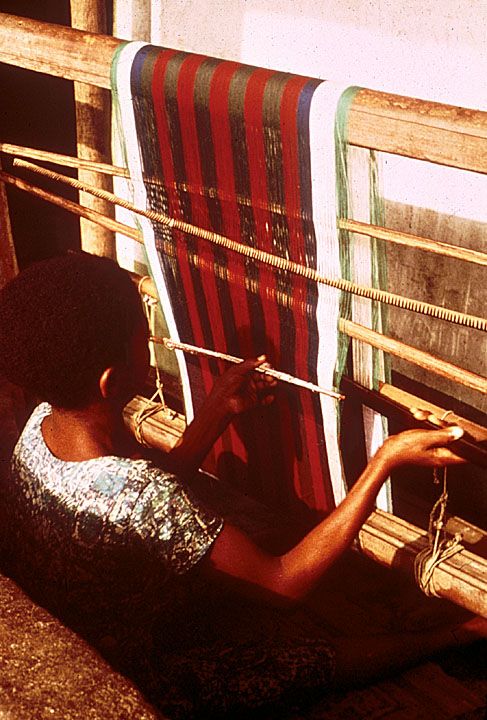
Behind every Hausa outfit is a chain of local craftsmanship that sustains communities. The fabrics often come from Northern Nigeria’s traditional markets, hand-dyed indigos, embroidered cottons, and soft silks woven by local artisans. The tailors and dyers are not anonymous; they are neighbours, relatives, and friends.

This system supports a self-sufficient ecosystem. By opting for local production, Hausa women safeguard skills that might otherwise disappear under the influence of mass manufacturing.

And yet, these garments made locally and worn modestly resonate globally. They prove that ethical production and elegance are not opposites; they are the essence of sustainable beauty.


Modesty as Minimalism
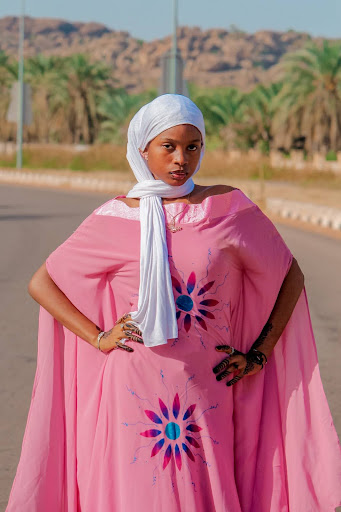
Modesty as Minimalism

Minimalism in the Western sense is often about simplicity of design. But for Hausa women, modesty is minimalism; it is fashion guided by restraint, intentional layering, and conscious selection.

Each outfit is composed thoughtfully: fabrics are chosen for their quality, colours are matched for harmony, and accessories are used sparingly. There’s no waste in this form of dressing, no constant urge for reinvention. The result is fashion that endures, elegant, timeless, and sustainable by design.

Modesty, therefore, becomes both a spiritual and environmental act. By rejecting excess, Hausa women naturally resist the waste culture of fast fashion.

READ MORE:

  • Guide to Sustainable Fashion in Nigeria: Brands & Trends to Watch
  • Heritage Reimagined: Reviving Lost Nigerian Fashion Techniques for a Sustainable Future


Fashion for Every Woman

Inclusivity is not an idea in Hausa street fashion; it’s a practice. Whether young or elderly, slim or full-figured, married or single, every woman finds confidence in the fluid silhouettes and comfortable fabrics of Hausa attire.

The clothing is designed to fit life, not the other way around. It embraces individuality without demanding exposure or conformity to Western beauty standards. Like abaya and zani, Hausa fashion prioritises comfort, respect, and self-assurance, giving every woman a place in the conversation about beauty.

Inclusivity here means visibility without hierarchy. In the Hausa context, you don’t have to fit into fashion; fashion already fits you.


Culture as the Blueprint for Eco-Fashion
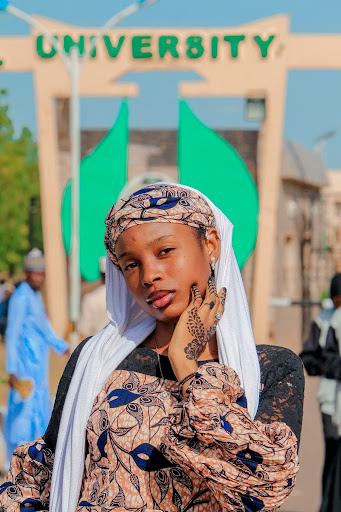
Culture as the Blueprint for Eco-Fashion

Long before sustainability became a global concern, Hausa culture had already embedded it into daily life. Clothes were tailored to last, fabrics were sourced locally, and waste was minimal. Nothing went unused; from repurposed headscarves to recycled wrappers, every fabric found a new purpose.

This natural rhythm of minimalism, mindfulness, and respect mirrors what sustainability advocates preach today. Hausa fashion demonstrates that Africa has long held the answers to fashion’s sustainability crisis. The continent doesn’t need to imitate global eco-trends; it needs to amplify its own unique ones.

In every street portrait, Hausa women embody what the world is still learning: that sustainability is not innovation; it’s inheritance.


FAQs

  1. What makes Hausa street fashion sustainable?

Hausa street fashion values longevity, reusability, and craftsmanship. Clothes are often locally made, repaired, and reused, thereby reducing waste and preserving traditional craftsmanship.

  1. How does Hausa fashion promote inclusivity?

The designs cater to all women, regardless of size, age, or background, with comfortable silhouettes that emphasise confidence over conformity.

  1. Why is local production important in Hausa fashion?

Local tailors, dyers, and weavers sustain indigenous economies and preserve centuries-old skills, ensuring that fashion remains both ethical and culturally rich.

  1. How is Hausa modesty connected to sustainability?

Modesty encourages conscious consumption and thoughtful dressing, a natural form of minimalism that promotes waste reduction and prioritises quality over quantity.

  1. Can Hausa street fashion influence global sustainability trends?

Yes. By demonstrating that tradition and eco-consciousness can coexist, Hausa fashion provides a model for global brands seeking genuine sustainability rooted in culture.

Post Views: 424
Related Topics
  • African Street Style
  • Cultural Fashion Trends
  • Hausa Fashion
  • Modest Streetwear Nigeria
Fathia Olasupo

olasupofathia49@gmail.com

You May Also Like
The Future of Fashion in Burkina Faso: Sustainability and Innovation
View Post
  • Sustainable Fashion

The Future of Fashion in Burkina Faso: Sustainability and Innovation

  • Faith Olabode
  • June 5, 2026
The Gojjam Amhara Fetel Dress
View Post
  • Sustainable Fashion

The Gojjam Amhara Fetel Dress

  • Meseret Zeleke
  • June 3, 2026
Burkinabé Cotton and Textiles: The Foundation of Sustainable Fashion
View Post
  • Sustainable Fashion

Burkinabé Cotton and Textiles: The Foundation of Sustainable Fashion

  • Faith Olabode
  • June 2, 2026
Sustainable Fashion in Mali: Handmade Textiles and the Future of Design
View Post
  • Sustainable Fashion

Sustainable Fashion in Mali: Handmade Textiles and the Future of Design

  • Philip Sifon
  • June 2, 2026
View Post
  • Sustainable Fashion

The Future of Fashion in Senegal: Sustainability, Tailoring, and Global Reach

  • Philip Sifon
  • May 19, 2026
Investing in Textile Heritage: The Business Case for Preserving What Western Fast Fashion Cannot Copy
View Post
  • Sustainable Fashion

Investing in Textile Heritage: The Business Case for Preserving What Western Fast Fashion Cannot Copy

  • Rex Clarke
  • May 19, 2026
Sustainable Fashion in Ghana: Upcycling, Craftsmanship, and the Future of African Design
View Post
  • Sustainable Fashion

Sustainable Fashion in Ghana: Upcycling, Craftsmanship, and the Future of African Design

  • Philip Sifon
  • May 12, 2026
Kalu Putic From the Walls of Mekelle to the World's Runways
View Post
  • Sustainable Fashion

Kalu Putic From the Walls of Mekelle to the World’s Runways

  • Rex Clarke
  • May 2, 2026

Leave a Reply Cancel reply

Your email address will not be published. Required fields are marked *

The Omiren Argument

African fashion and culture are not emerging. They are foundational. We document, interpret, and argue for the full cultural weight of African and diaspora dress. With precision. Without apology.

Omiren Styles Fashion · Culture · Identity

All 54 African Nations
Caribbean · Afro-Latin America
The Global Diaspora

Platform

  • About Omiren Styles
  • Our Vision
  • Our Mission
  • Editorial Pillars
  • Editorial Policy
  • The Omiren Collective
  • Campus Style Initiative
  • Sustainable Style
  • Social Impact & Advocacy
  • Investor Relations

Contribute

  • Write for Omiren Styles
  • Submit Creative Work
  • Join the Omiren Collective
  • Campus Initiative
Contact
contact@omirenstyles.com
Our Reach

Africa — All 54 Nations
Caribbean
Afro-Latin America
Global Diaspora

African fashion intelligence, in your inbox.

Editorial features, designer profiles, cultural commentary. No noise.

© 2026 Omiren Styles — Rex Clarke Global Ventures Limited. All rights reserved.
  • Privacy Policy
  • Editorial Policy
  • Terms of Use
  • Accessibility
Africa · Caribbean · Diaspora
The Omiren Argument

African fashion and culture are not emerging. They are foundational. We document, interpret, and argue for the full cultural weight of African and diaspora dress. With precision. Without apology.

Omiren Styles Fashion · Culture · Identity
  • About Omiren Styles
  • Our Vision
  • Our Mission
  • Editorial Pillars
  • Editorial Policy
  • The Omiren Collective
  • Campus Style Initiative
  • Sustainable Style
  • Social Impact & Advocacy
  • Investor Relations
  • Write for Omiren Styles
  • Submit Creative Work
  • Join the Omiren Collective
  • Campus Initiative
Contact contact@omirenstyles.com

All 54 African Nations · Caribbean
Afro-Latin America · Global Diaspora

African fashion intelligence, in your inbox.

Editorial features, designer profiles, cultural commentary. No noise.

© 2026 Omiren Styles
Rex Clarke Global Ventures Limited.
All rights reserved.

  • Privacy Policy
  • Editorial Policy
  • Terms of Use
  • Accessibility
Africa · Caribbean · Diaspora

Input your search keywords and press Enter.