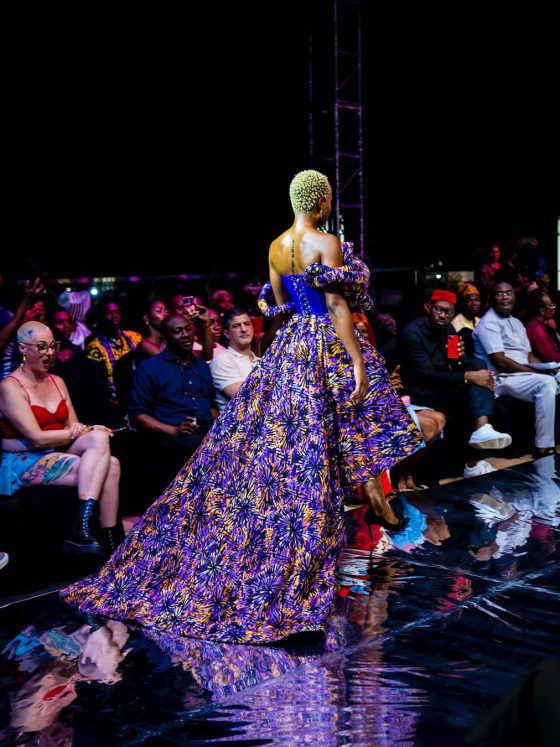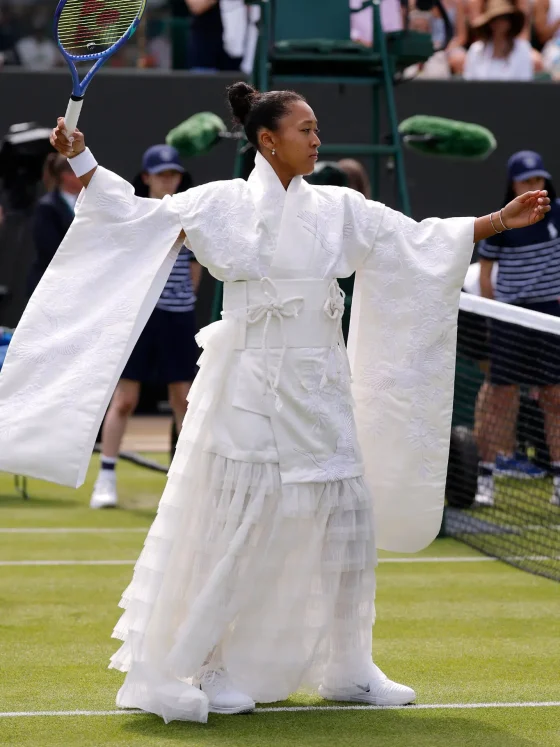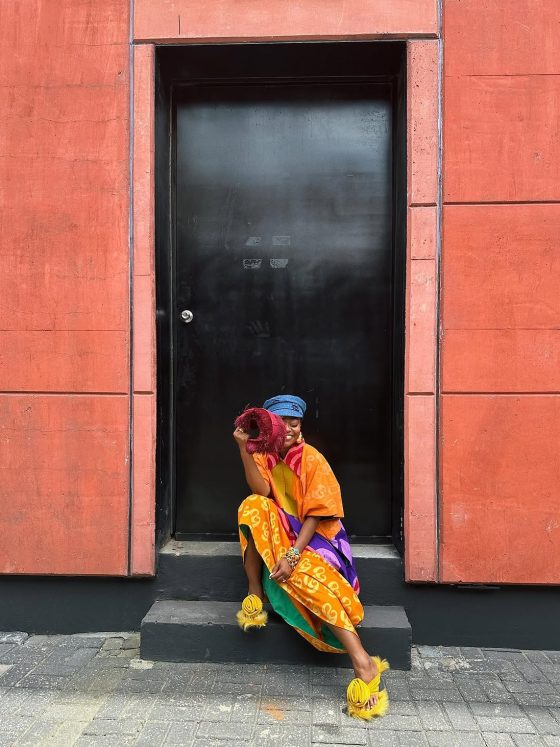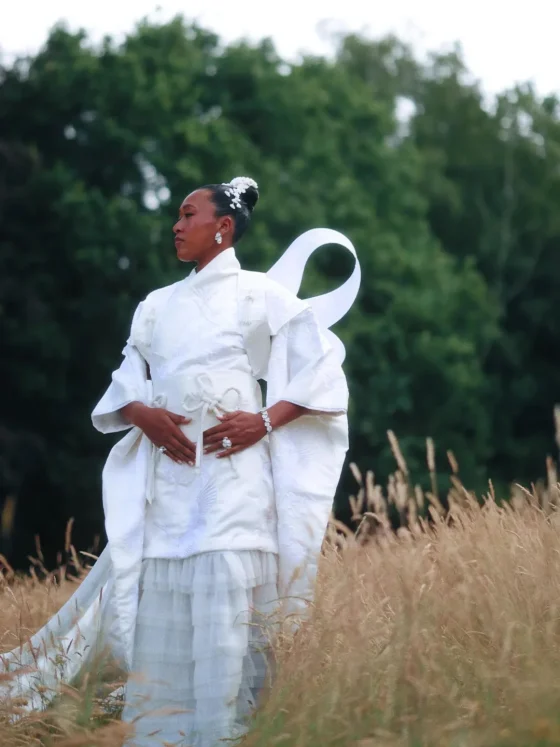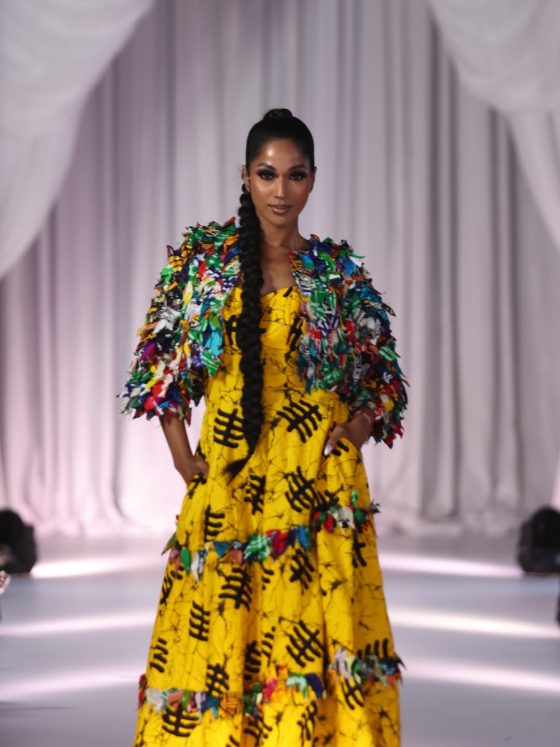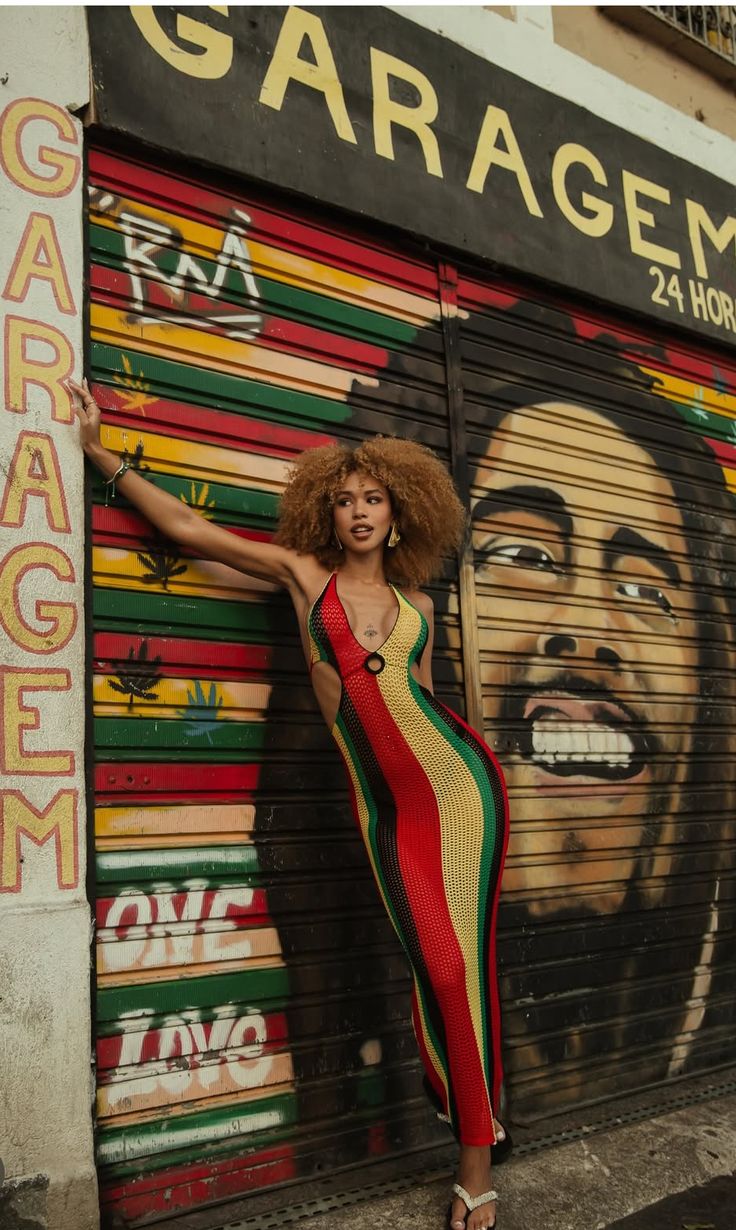
When Jamaican designer Cedella Marley created uniforms for Jamaica’s Olympic teams, the garments carried more than national colours. The designs balanced athletic function, public image, and cultural visibility without reducing Jamaican identity to stereotype. Elsewhere in Kingston, independent designers work on much smaller scales, producing collections in studios, workshops, and shared creative spaces, where access to fabric, manufacturing costs, and export limitations shape every design decision. Jamaican fashion design is not organised around one aesthetic movement. It is built through multiple creative approaches operating under uneven conditions.
The global image of Jamaican style has long been dominated by Rastafarian symbolism, reggae iconography, and tourism marketing. Jamaican designers have had to work within and against those expectations at the same time. The result is a fashion industry where many creatives are focused not on making Jamaican fashion visible for the first time, but on expanding what people think Jamaican fashion is allowed to look like.
Jamaican designers are shaping fashion through tailoring, craft, and contemporary Caribbean identity beyond reggae stereotypes.
Beyond Reggae Symbolism and Tourist Aesthetics
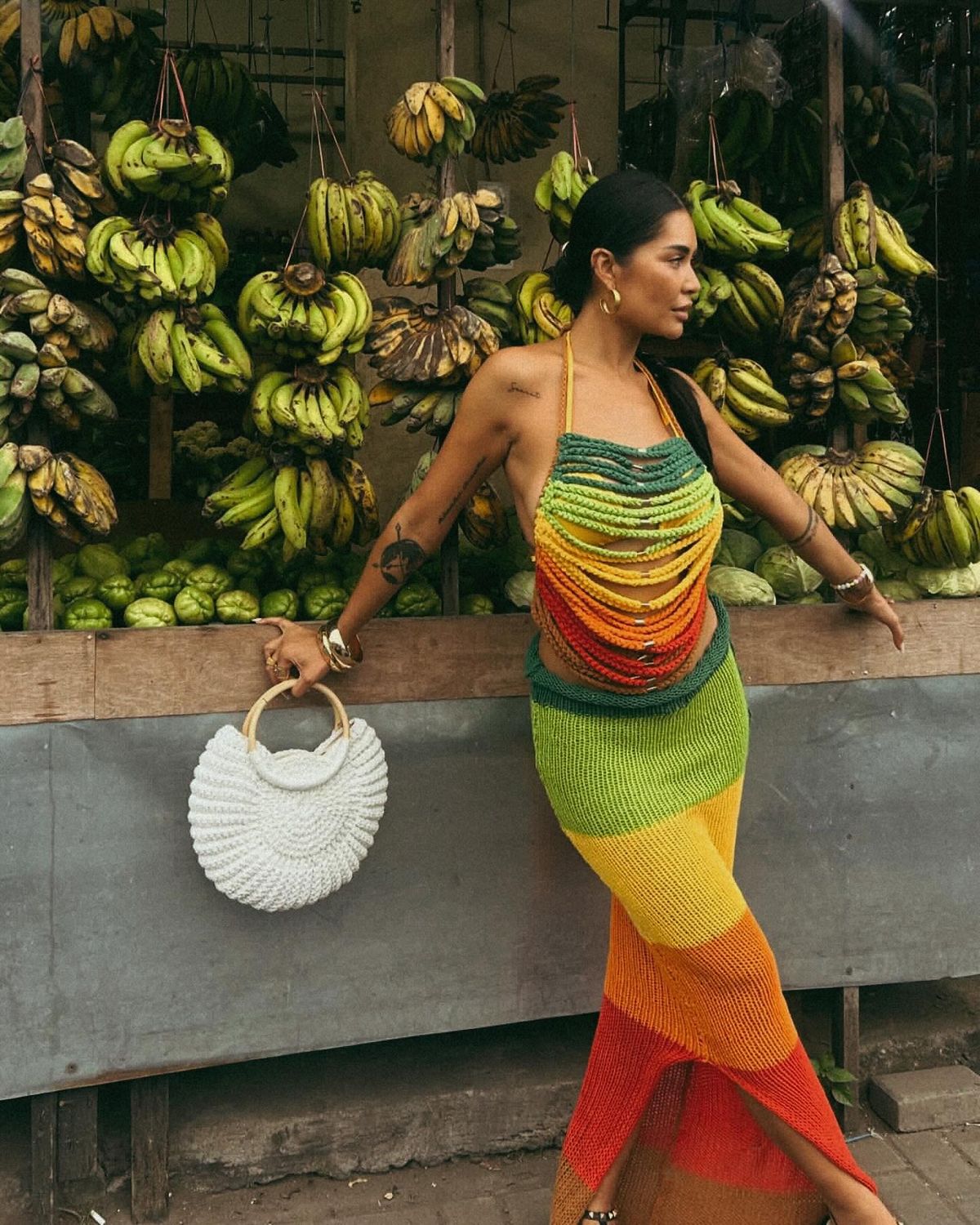
Internationally, Jamaican fashion is often reduced to a narrow visual vocabulary built around red, gold, and green colour palettes, crochet textures, beachwear, or reggae-associated imagery. Designers within Jamaica have repeatedly pushed against that limitation by developing work that reflects broader aspects of Jamaican life and contemporary Caribbean design.
Carl Williams became known for sharply tailored menswear and formal design work that drew on Jamaican presentation culture without resorting to costume-like references. His garments focused on structure, elegance, and craftsmanship, positioning Jamaican design within luxury and occasion wear rather than novelty.
Other designers approach identity differently. Some incorporate local textile references subtly through silhouette and styling rather than direct symbolism. Others focus on sustainability, artisanal production, or streetwear shaped by Kingston’s music culture and youth aesthetics.
What connects these designers is their refusal to let external expectations fully define Jamaican fashion identity.
Kingston as a Working Fashion City
Kingston remains the centre of Jamaica’s fashion industry, not simply because of its visibility but because it has the infrastructure that supports design work. Fashion schools, modelling agencies, photographers, stylists, pattern makers, and production workshops are concentrated in and around the city.
Events such as Caribbean Fashion Week historically helped position Kingston as a serious regional fashion centre, creating space for designers across the Caribbean to present collections outside European and North American fashion systems. Although the scale of these events has fluctuated over time, their influence on Jamaica’s creative industry remains significant.
Designers working in Kingston often operate across multiple roles simultaneously. A single creative may handle design, sourcing, fittings, styling, and direct customer sales because production systems remain relatively small compared with those of larger global fashion industries.
This structure creates limitations, but it also allows for stronger creative control. Designers remain closely connected to the making process rather than functioning only as brand directors separated from production.
Women Designers and the Expansion of Jamaican Fashion Language
Women have played major roles in shaping contemporary Jamaican fashion, though music-centred narratives about national style often overshadow their contributions. Designers such as Peta-Gaye Clachar and Rachel Scott have developed work that approaches Caribbean identity through precision, material attention, and contemporary tailoring rather than stereotype.
Rachel Scott’s label Diotima, for example, combines crochet traditions from Jamaica with sharply constructed luxury fashion presented in international fashion spaces. The work does not flatten Jamaican craft into nostalgia. It places Caribbean handwork inside modern fashion design without treating it as folklore.
This shift matters because it changes how Jamaican fashion is framed globally. Craft traditions are not presented as frozen heritage objects but as active design practices capable of shaping contemporary luxury aesthetics.
READ ALSO:
- Afro-Caribbean Fashion in Haiti: History, Identity, and the Politics of Dress
- Afro-Caribbean Fashion in Trinidad and Tobago: Carnival, Community, and Cultural Identity
Fashion Infrastructure, Production Limits, and Creative Adaptation
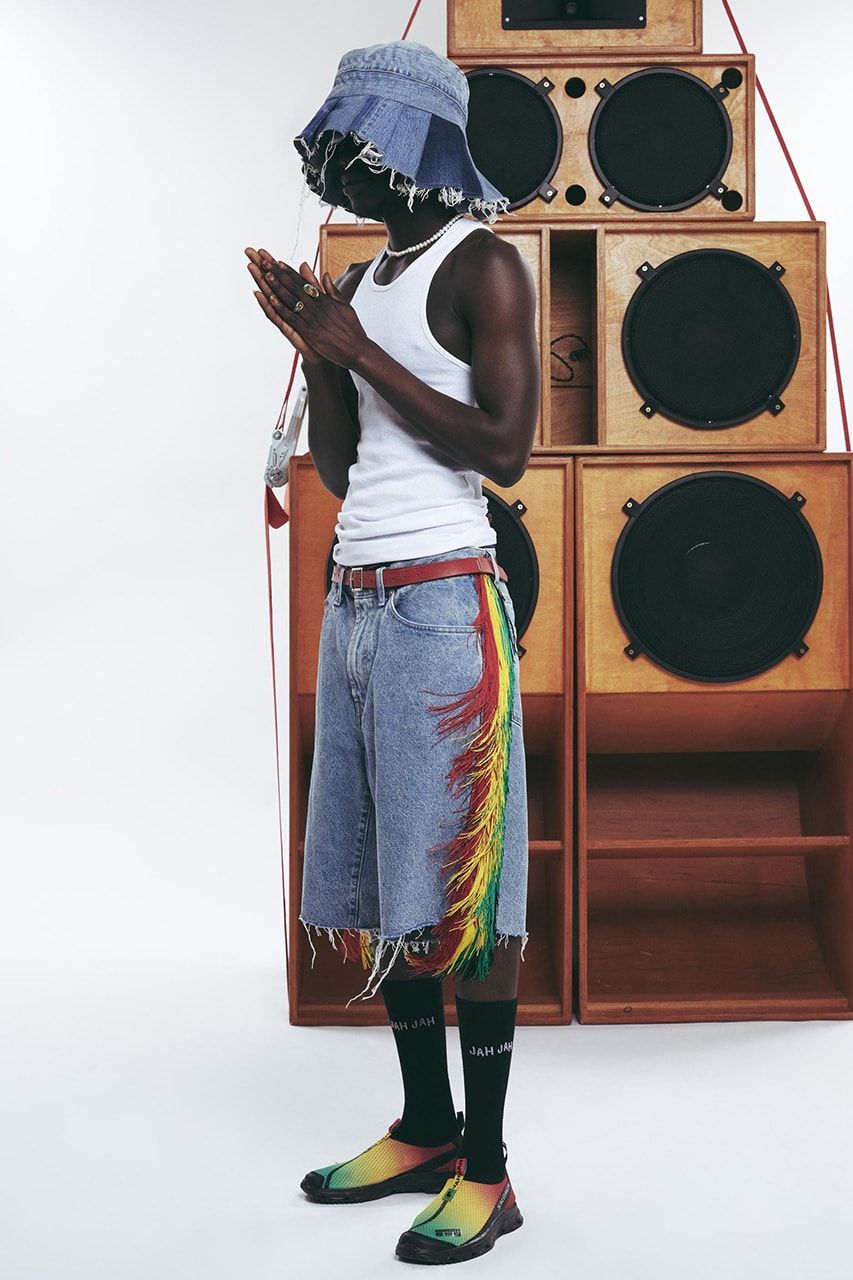
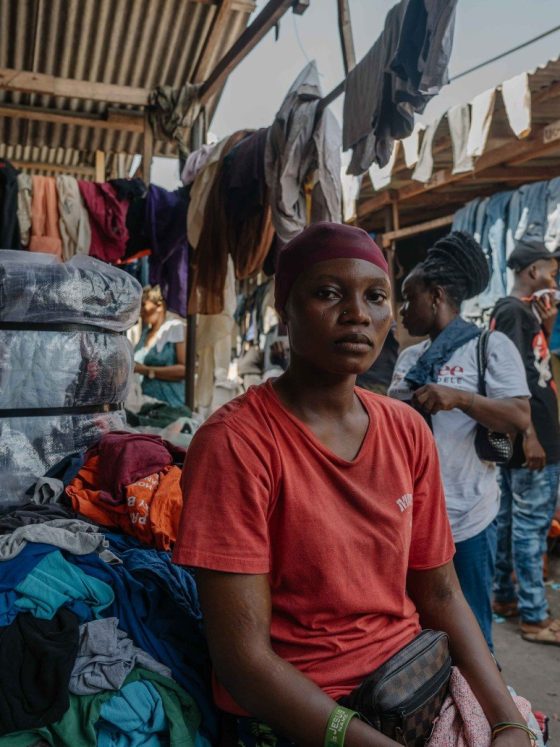
Jamaican designers continue to work within structural limitations tied to manufacturing scale, fabric sourcing, export logistics, and financing. Much of the fabric used within Jamaican fashion production is imported, increasing costs and production uncertainty.
Small production runs are common, particularly among independent designers. Garments are often produced locally in limited quantities through workshops and tailoring networks rather than large factories. This increases production costs but allows designers to maintain stronger oversight of construction quality.
At the same time, digital platforms and diaspora markets have expanded opportunities for Jamaican brands to reach audiences outside the island. Designers increasingly operate between local and international markets simultaneously, balancing Jamaican cultural specificity with global fashion expectations.
The Omiren Argument
Jamaican fashion design is often interpreted through reggae imagery and tourism-friendly aesthetics, reducing the country’s creative identity to a narrow set of recognisable symbols. This interpretation overlooks the breadth of design practices operating within Jamaica’s fashion industry and treats cultural visibility as a stylistic limitation.
In reality, Jamaican designers are building a fashion identity through tailoring, craftsmanship, streetwear, luxury construction, and contemporary reinterpretations of local material traditions. The most significant shift in Jamaican fashion is not merely increased international attention. It is the growing refusal by designers to allow Jamaican creativity to be defined solely by externally familiar imagery.
FAQs
- Who are some important Jamaican fashion designers?
Notable Jamaican designers include Cedella Marley, Carl Williams, Peta-Gaye Clachar, and Rachel Scott of Diotima.
- What influences Jamaican fashion design?
Jamaican fashion draws from tailoring traditions, music culture, craft practices, streetwear, and contemporary Caribbean identity.
- Is Kingston important to Jamaica’s fashion industry?
Yes. Kingston functions as the country’s main fashion centre, supporting designers, photographers, stylists, and production networks.
- What challenges do Jamaican designers face?
Designers often work with limited manufacturing infrastructure, imported fabric costs, and small-scale production systems.
- How are Jamaican designers changing global perceptions of Caribbean fashion?
Many designers are expanding beyond reggae stereotypes and presenting Jamaican creativity through luxury fashion, tailoring, and contemporary design.