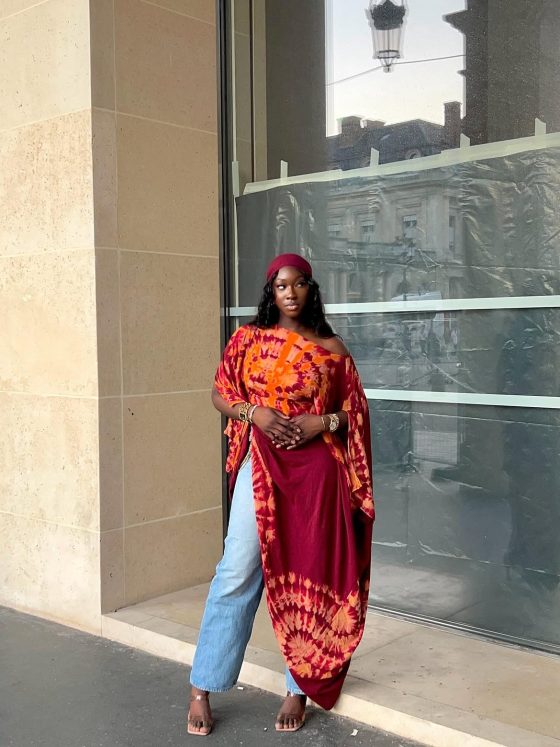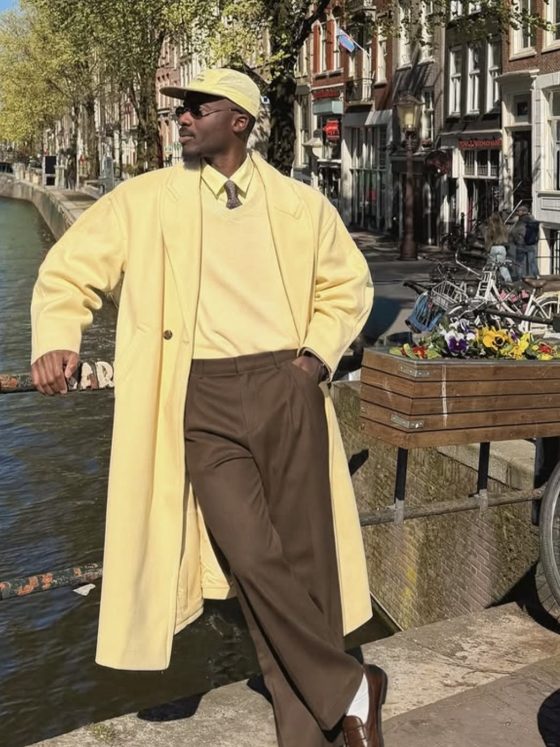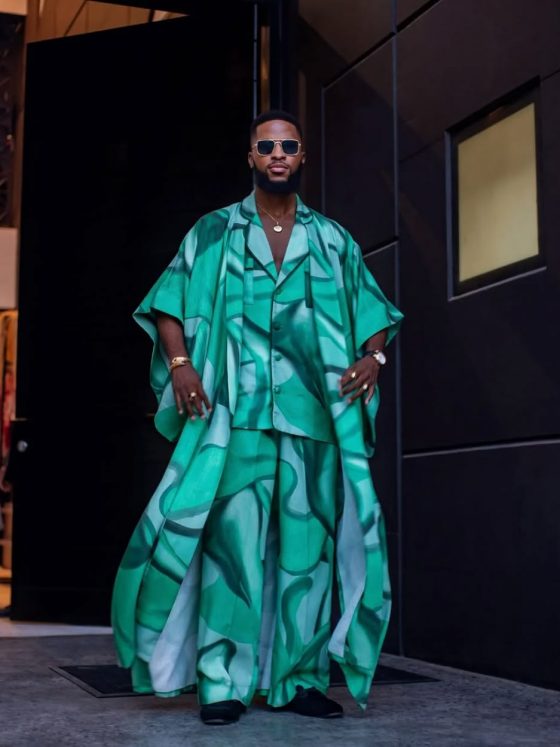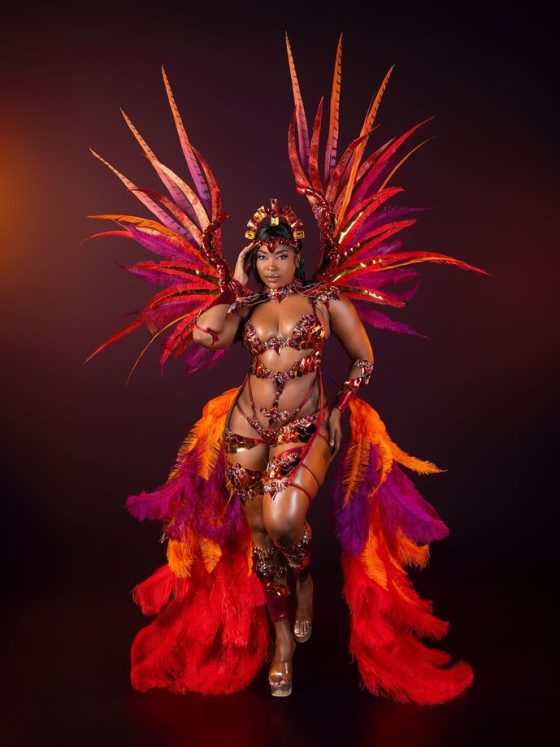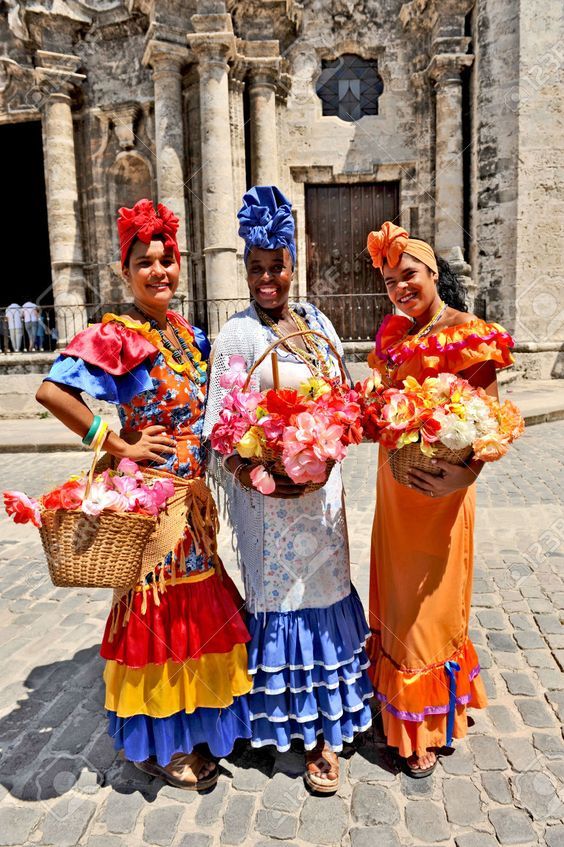
In the neighbourhoods of Havana where rumba moves from courtyards into the street on a Saturday evening, what you wear communicates before you speak. A man in white moving through Regla towards a ceremony is understood by everyone who sees him. The colour announces his spiritual state, his obligations, and his membership of a religious tradition that has been practised in Cuba since enslaved Yoruba people reconstituted it in the eighteenth and nineteenth centuries, under conditions of colonial surveillance that would have destroyed a less structurally complete system. An Abakuá brotherhood gathering in the same neighbourhood deploys dress that announces hierarchy, ritual status, and fraternal membership through garment choice, colour, and the specific visual language of the íreme masquerade costume, which encodes three centuries of African cultural transmission in layered checkered cloth and a pointed hood. These are not regional variations of a single Cuban fashion tradition. They are separate systems, each with its own origin, governance, and authority. Afro-Cuban fashion does not have a single aesthetic. It has several complete design languages, each African and surviving.
The tourist image of Cuba reduces its fashion to nostalgic imagery: vintage cars, palm-shaded streets, guayabera shirts, and the soft focus of mid-century colour photography. That image is not wrong about the light. It is wrong about what is happening inside it. Afro-Cuban fashion is not built around nostalgia or performance for outside consumption. It is a living cultural system shaped by communities that continue to define themselves through ritual practice, artistic production, and everyday presentation rooted in West African dress traditions that the Middle Passage failed to erase.
In Havana’s streets, what you wear announces your affiliation before you speak. Afro-Cuban fashion is not a style. It is a system built from three centuries of African cultural memory.
Afro-Cuban Fashion and Yoruba Heritage: The Structure of Santería Dress
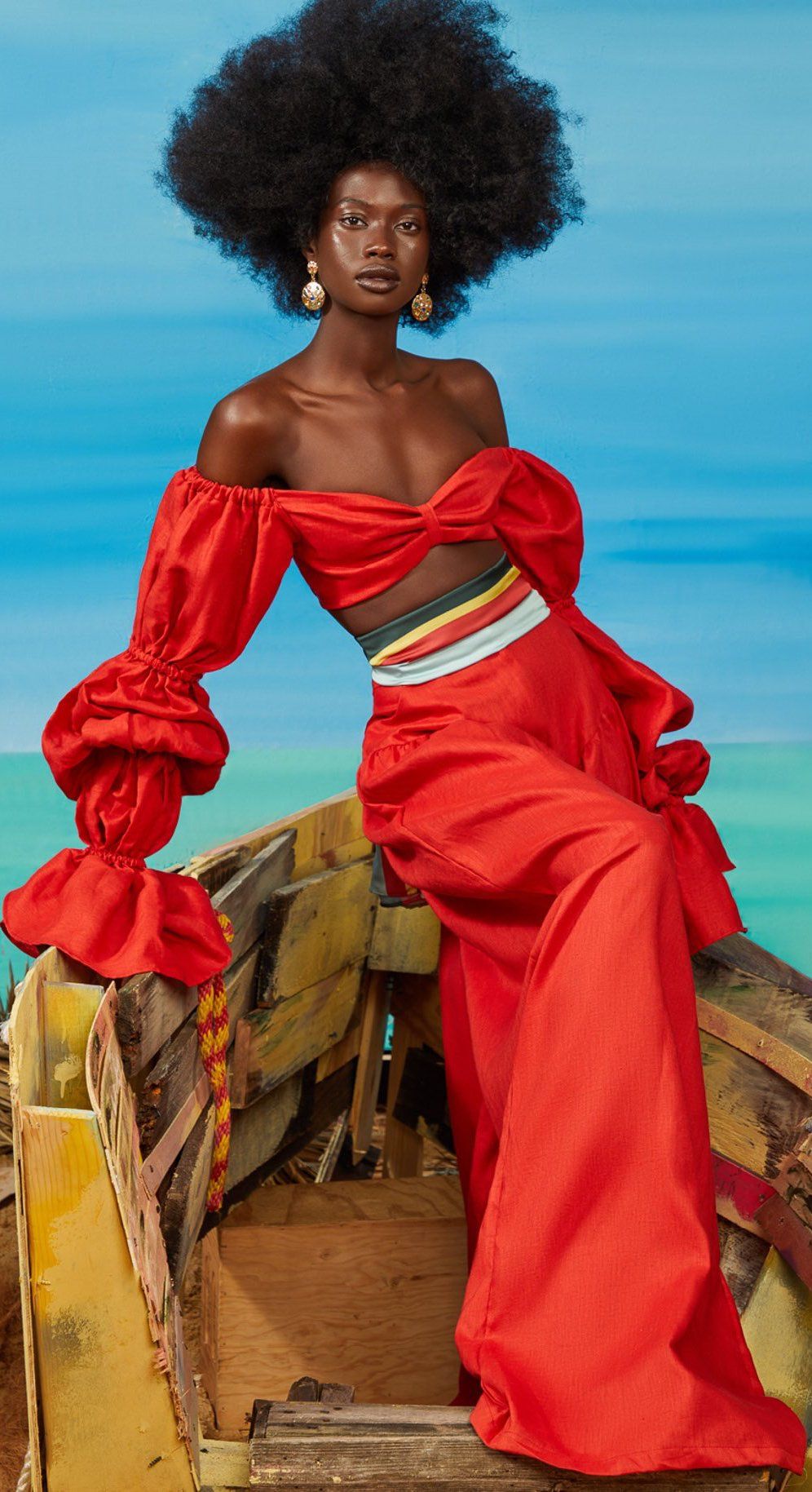
Regla de Ocha, commonly known as Santería, is a religious tradition rooted in the Yoruba spiritual systems brought to Cuba by enslaved people from present-day Nigeria. Its dress code is the most publicly visible element of Afro-Cuban fashion, present on the streets of Havana and Matanzas in ways that the uninitiated observer encounters without necessarily reading them. As the documented structure of Yoruba-derived religious dress in Cuba confirms, white garments hold particular ceremonial importance for initiates undergoing periods of spiritual purification — the loose-fitting dresses, head coverings, trousers, and long skirts chosen for ritual function rather than aesthetic preference. The white is not neutral. In Yoruba cosmology, it is the colour of Obatalá, the orisha of purity and wisdom, and the garment is a public declaration of the wearer’s spiritual state and obligations.
The bead systems of Santería are among the most precisely coded elements of dress in the African diaspora. Each colour combination corresponds to a specific orisha: the deity to which the practitioner is initiated, the lineage they belong to, and the ritual obligations they carry. White beads for Obatalá. Blue and white for Yemayá, orisha of the sea. Yellow and gold for Oshún. Red and white for Changó. Green and black for Ogún. These combinations are not fashionable choices available to any wearer. They are governed by initiation and assigned by the religious system. Wearing them outside your lineage is not a stylistic error. It is a breach of spiritual protocol. The beads are credentials.
What makes Santería dress significant for understanding Afro-Cuban fashion is its continuity across sacred and secular spaces. Ceremonial clothing does not disappear when the ceremony ends. It remains visible in streets, homes, and neighbourhood gatherings, particularly in Havana and Matanzas, the two cities where Afro-Cuban religious practice continues to shape public culture most visibly. The man in white in the street is not in a costume. He is in his dress. The dress communicates because the surrounding community shares the vocabulary. That vocabulary was carried from Yorubaland to the Caribbean over three centuries without institutional support, academic documentation, or the external recognition it has only recently begun to receive.
Abakuá Dress: The Fraternal Fashion System From the Cross River
The Abakuá society is the only male initiatory fraternity in the Americas with documented direct continuity to a specific West African institution. It was founded in 1836 in Regla, Havana, by enslaved people from the Calabar region of present-day southeastern Nigeria, specifically members of the Apapá Efí people. As documented scholarship on Abakuá’s origins confirms, the society was modelled on the Ékpè leopard society of the Efik people of the Cross River basin, which had been established by approximately 1720 as a governing institution that regulated trade, administered justice, and transmitted ritual knowledge. The Ékpè members transported to Cuba during the Atlantic slave trade carried the institution’s structure with them. The first lodge, named Efík Butón, was founded in Regla in 1836. By 1881, there were 77 lodges in Havana alone.
The íreme, the most iconic visual element of Abakuá ceremonial practice, is also its most complete dress statement. The figure wears a full-body costume in a multicoloured checkered pattern, with a conical hood topped with tassels and a ceremonial staff. The movements of the íreme are rapid, angular, almost mechanical — entirely unlike the fluid expressiveness of rumba — because the íreme is not a dancer performing for an audience. It is an ancestral spirit that descends during the ceremony to purify the space and maintain order. As documented in Aroma de Cuba’s historical analysis of the Abakuá, the íreme’s most famous public appearance was on the Day of the Three Kings, 6 January, when colonial authorities permitted enslaved Africans to parade through Havana’s streets with drums and costumes. The colonial gaze that captured that parade in nineteenth-century paintings by Basque-Cuban artist Víctor Patricio de Landaluze was the first visual record of a tradition its practitioners had kept in absolute secrecy.
Abakuá dress communicates hierarchy and fraternal status through colour, garment, and the specific position of ceremonial objects within ritual gatherings. The society uses nsibidi, an ideographic script with roots in the Cross River region, in its ritual communications. Different positions within the Abakuá structure wear different garments at different points in the ceremony. None of these meanings is available to outside interpretation because they are governed internally by the fraternity’s knowledge system, not by the external community’s legibility. The dress is complete as a communicative system for those inside it. For those outside, it is legible only as formidable.
Abakuá’s cultural significance extended beyond its ceremonial dress into the economics of Afro-Cuban labour. The society achieved documented control of port labour in Havana, Matanzas, and Cárdenas, operating as a mutual aid network in which fraternity membership guaranteed employment and protection. An ecobio, a fraternity brother, could find work and solidarity in any port where the society operated. This is not incidental context for understanding the dress. The Abakuá fraternal identity, expressed through ceremonial clothing, was the visible form of an institution with real economic and political power, repeatedly persecuted by colonial and republican authorities precisely because it was too well organised and too effective to be ignored.
Every white garment worn by a Santería initiate in Havana, every Abakuá íreme costume assembled for ceremony, every bead combination worn by an ocha practitioner encodes a system that survived the Middle Passage intact.
Rumba Culture and the Everyday Fashion of Self-Presentation
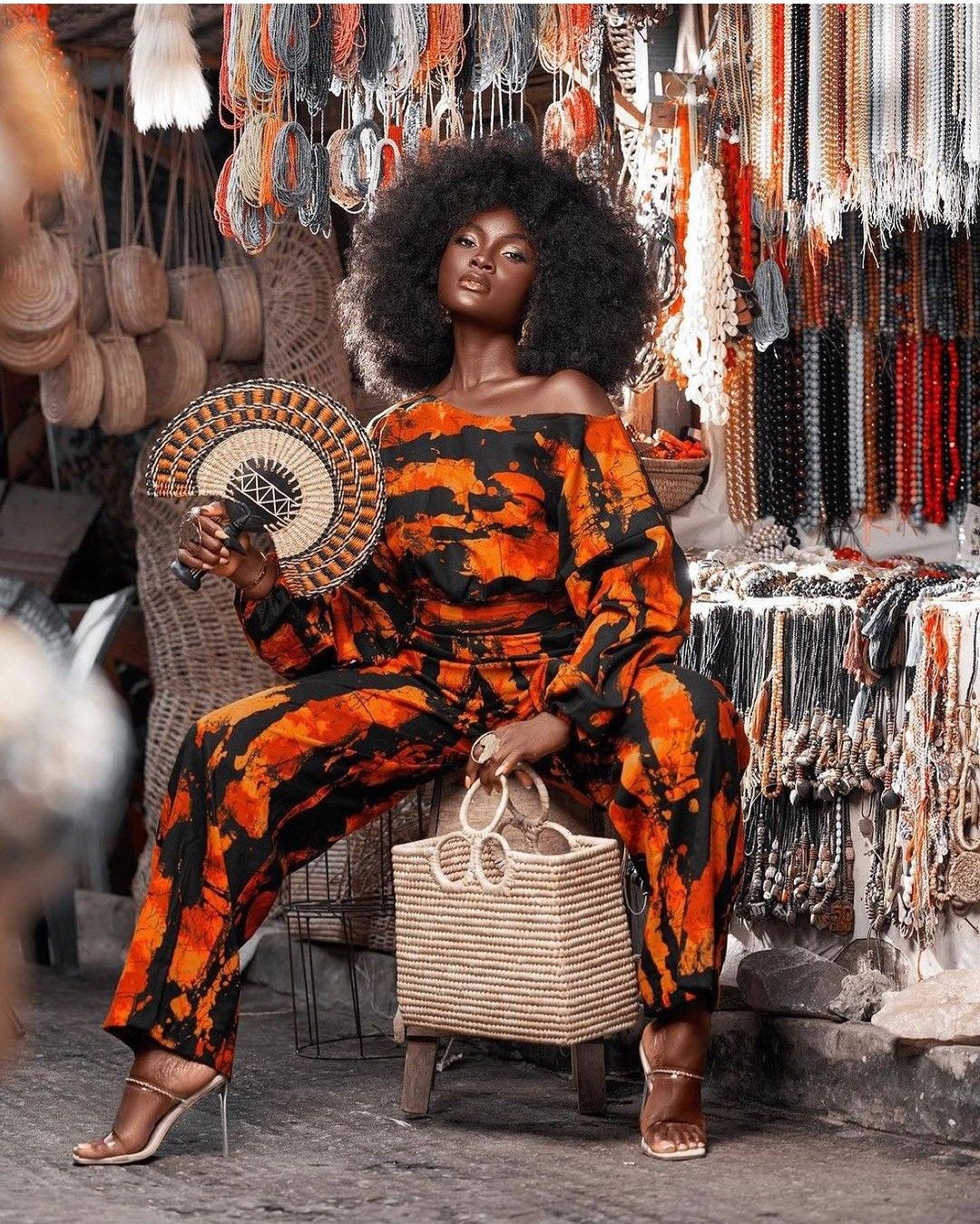
Afro-Cuban dress culture has a third layer that connects the ceremonial systems of Santería and Abakuá to the daily presentation culture of the neighbourhoods where Afro-Cuban communities live. Rumba, the percussive music and dance tradition that developed in the nineteenth-century tenements and courtyards of Havana and Matanzas, created its own visual standard that shaped how the communities around it dressed for performance, for gathering, and for the presentation of self in public.
White linen shirts, carefully pressed trousers, polished shoes, and well-maintained hats are the classic visual markers of the rumba performance culture. The emphasis on presentation is not superficial. In communities that have historically been marginalised, economically constrained, and publicly stereotyped, the discipline of appearing at your best in public is a form of self-assertion. The elder rumba musician who arrives at a Saturday gathering in white linen with a hat tipped precisely is not making a casual fashion choice. He is maintaining a standard of visible dignity that the community has developed and transmitted for generations.
Younger Afro-Cubans navigate a more complex visual landscape. Global streetwear, social media, and the cultural traffic between the Cuban diaspora in Miami and other cities and the communities inside Cuba have introduced new reference points. The combinations that young Afro-Cubans assemble, natural hairstyles, religious beads, sportswear, locally adapted garments, and Afrocentric jewellery, are not simply aesthetic experiments. They are active negotiations of identity within a society where racial visibility has always been politically contested, where official narratives of national unity have historically co-opted Afro-Cuban culture while under-recognising the communities that produced it.
Also Read:
- How Afro-Brazilian Fashion Is Reconnecting With the Continent After 400 Years
- Yoruba Naming Ceremony Dress: The Aso-Ebi System as Community Declaration, Not Fashion Choice
- The Egungun Masquerade: What the Yoruba Ancestral Festival Tells Us About Fashion and the Spirit World
- The African Origins of Carnival Costume: Feathers, Beads, and the Masquerade Tradition
Race, Visibility, and the Politics of Afro-Cuban Dress
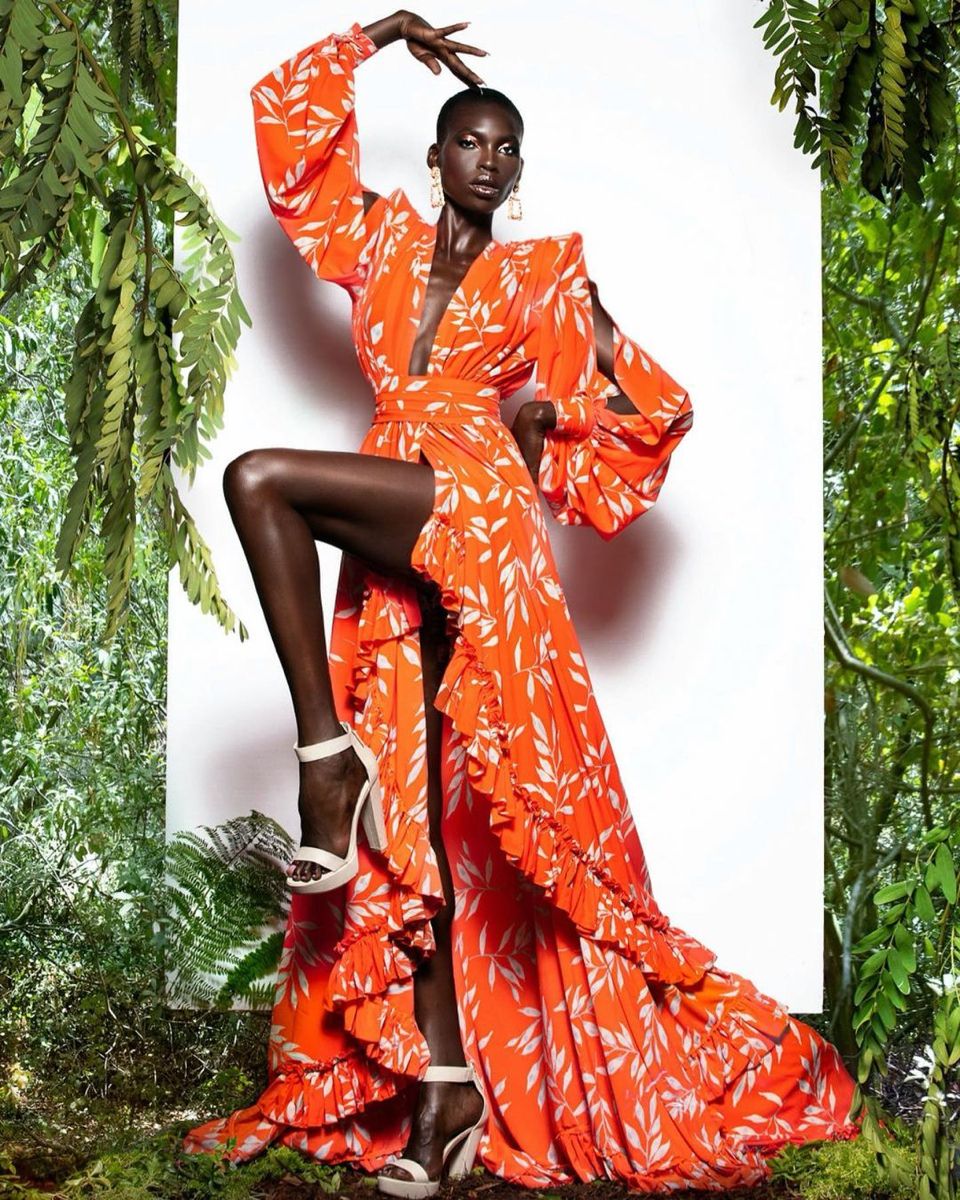
Cuba’s official narrative of racial integration, consolidated after the revolution of 1959, has long positioned Afro-Cuban culture as part of the national heritage while leaving the specific communities that maintain it structurally under-resourced. Afro-Cuban fashion carries political meaning in this context not because practitioners dress as a political statement primarily, but because the choice to wear religious dress, maintain Abakuá fraternal identity, or style oneself with Afrocentric references in a society that has historically marked these choices as marginal is an assertion of presence that the mainstream cannot make invisible. As documented scholarship on the Afrocubanismo movement confirms, the Abakuá fraternity’s visual culture became a central symbol for Cuban intellectuals and artists in the 1920s and 1930s precisely because its dress, its secrecy, and its organisation represented a form of Afro-Cuban authority that nationalist cultural frameworks could not absorb.
The painter Wifredo Lam (1902–1982) demonstrated the depth of Abakuá’s visual authority in the international art world. His 1943 untitled canvas depicting an Abakuá íreme and his 1947 Cuarto Fambá, an imaginary recreation of the Abakuá initiation room he was never permitted to see, placed the fraternity’s visual language into dialogue with the European modernism he had encountered during his apprenticeship with Pablo Picasso in Paris. Lam did not exoticise the Abakuá costume. He used its geometric rigour, its conical forms, and its dense symbolic density as equal visual material to anything European modernism was producing. That equivalence was the argument.
The Omiren Argument
Afro-Cuban fashion is routinely reduced to nostalgic national imagery: the guayabera, the vintage car, the soft-focus romance of old Havana that Cuban tourism has packaged for international consumption. This reduction is not neutral. It flattens three living African dress systems, each with its own structural completeness, governance, and centuries-long history of cultural transmission, into a backdrop for other people’s aesthetic pleasure. Santería dress, with its white garments and precisely coded bead systems, carries Yoruba spiritual grammar intact from the eighteenth century to the present day. Abakuá ceremonial dress, with its íreme costume and nsibidi script, carries the Ékpè leopard society’s visual language from the Cross River basin of Nigeria to the streets of Regla across nearly two centuries of active practice. Rumba culture’s presentation standard carries the self-assertion of communities whose visibility has been politically contested for as long as they have been visible. These are not regional variations on a single aesthetic. They are complete African design systems operating in the Caribbean.
Omiren Styles documents Afro-Cuban fashion as part of its coverage of the African diaspora’s dress traditions because the African origin of these systems is the argument that their practitioners have always made, and the argument that the tourist image of Cuba has always obscured. Every white garment worn by a Santería initiate in Havana, every Abakuá íreme costume assembled for ceremony, every bead combination worn by an ocha practitioner in the street, encodes a system that survived the Middle Passage intact. Not because it was preserved in amber, but because the communities that carried it refused to let it die. That refusal is not remarkable. It is what African cultural authority has always done, in every geography it has been transplanted to, with or without recognition from fashion editorial systems that are only now beginning to catch up.
Frequently Asked Questions
1. What is Afro-Cuban fashion?
Afro-Cuban fashion is not a single aesthetic system. It operates through three overlapping African-originated dress traditions maintained in Cuba: Santería (Regla de Ocha) religious dress, rooted in Yoruba spiritual systems carried to Cuba during the transatlantic slave trade; Abakuá fraternal ceremonial dress, derived from the Ékpè leopard society of the Cross River region in southeastern Nigeria; and the presentation culture of rumba music communities. Each system has its own rules, governance, and meaning, distinct from the tourist-facing national image of Cuba that most international audiences encounter.
2. Why is white clothing important in Afro-Cuban spiritual practice?
Within Santería (Regla de Ocha), the Yoruba-derived religious tradition practised across Cuba, white garments are connected to Obatalá, the orisha of purity and wisdom. Initiates who are undergoing periods of spiritual purification wear white as a public declaration of their spiritual state and obligations. The loose-fitting dresses, head coverings, and long skirts are chosen for ritual function rather than aesthetic preference. The clothing reflects spiritual discipline and preparation, and its presence in Havana’s streets is a direct continuation of Yoruba ceremonial dress traditions carried to Cuba during the eighteenth and nineteenth centuries.
3. What is the Abakuá society, and what does its dress communicate?
Abakuá is an all-male initiatory fraternity founded in 1836 in Regla, Havana, by enslaved people from the Calabar region of present-day southeastern Nigeria. It is derived from the Ékpè leopard society of the Efik people of the Cross River basin, established by approximately 1720. The society’s most iconic dress element is the íreme, a full-body costume in a multicoloured checkered pattern with a conical hood and tassels, worn during ceremonies to embody ancestral spirits. Abakuá ceremonial dress communicates hierarchy and fraternal status through colour, garment, and specific ceremonial objects. By 1881, there were 77 Abakuá lodges in Havana alone. Cuba’s Ministry of Justice formally approved the society in December 2005.
4. How does rumba culture influence everyday Cuban fashion?
Rumba, the percussive music and dance tradition that developed in the nineteenth-century tenements and courtyards of Havana and Matanzas, created a visual standard built around disciplined, precise self-presentation: white linen, pressed garments, polished shoes, carefully maintained hats. In communities historically marginalised and stereotyped, the discipline of appearing at your best in public is a form of self-assertion and communal dignity. The presentation standards of rumba culture have transmitted this ethic of visible authority across generations of Afro-Cuban communities and continue to shape how musicians, dancers, and community elders dress for gatherings and performances.
5. How is Afro-Cuban fashion political?
Afro-Cuban dress practices carry political meaning because racial identity in Cuba has been shaped by tensions between official narratives of national unity and the lived experience of Afro-Cuban communities, whose culture has been adopted into national heritage even as their social and economic conditions have remained structurally unequal. The choice to maintain Santería religious dress, Abakuá fraternal identity, or Afrocentric styling in public is an assertion of visibility and cultural authority that official Cuban culture has historically co-opted without fully recognising. The Abakuá society’s control of port labour in Havana, Matanzas, and Cárdenas in the nineteenth century demonstrates that its dress was always the visible expression of real institutional power.
Explore More
Read the full Diaspora section at omirenstyles.com/category/diaspora/ for Omiren Styles’ documentation of the African dress traditions, community fashion systems, and cultural identities that the diaspora has maintained across centuries, in the Caribbean, in Latin America, and across the world.