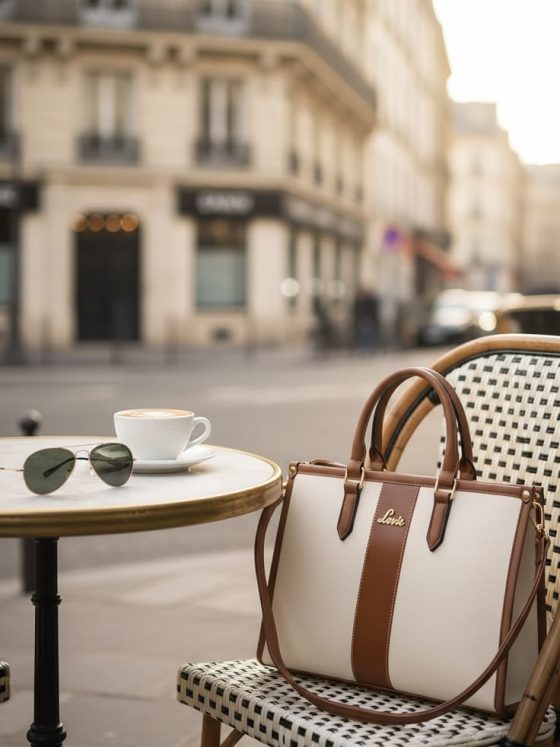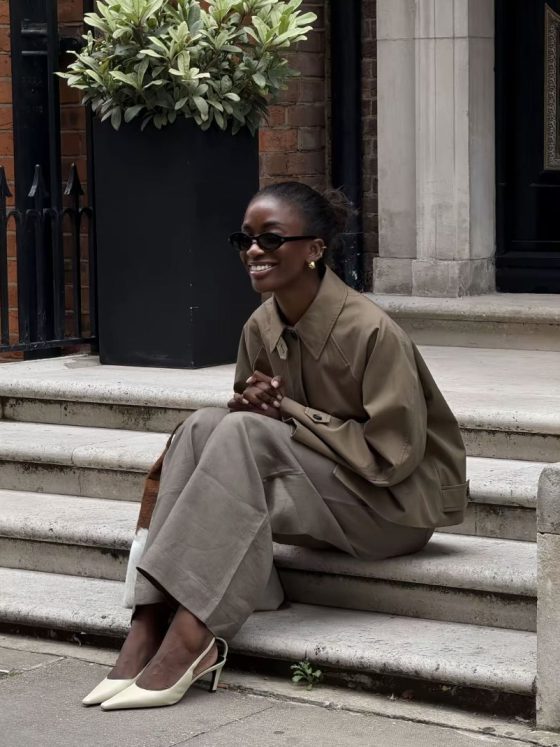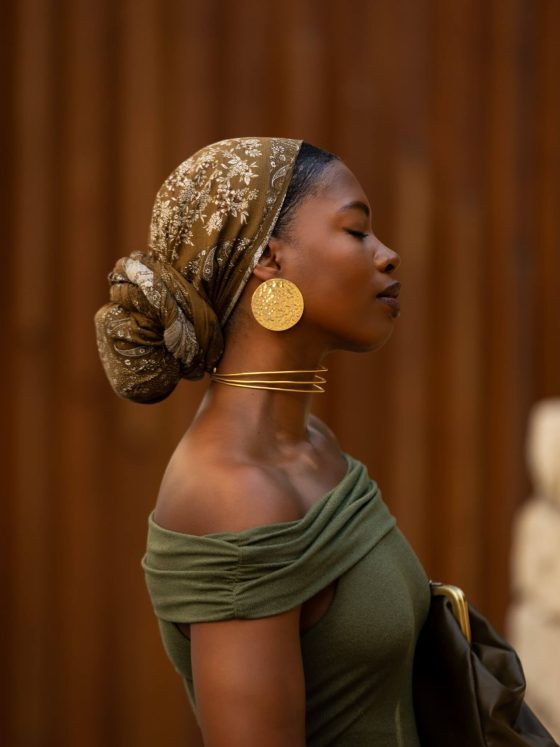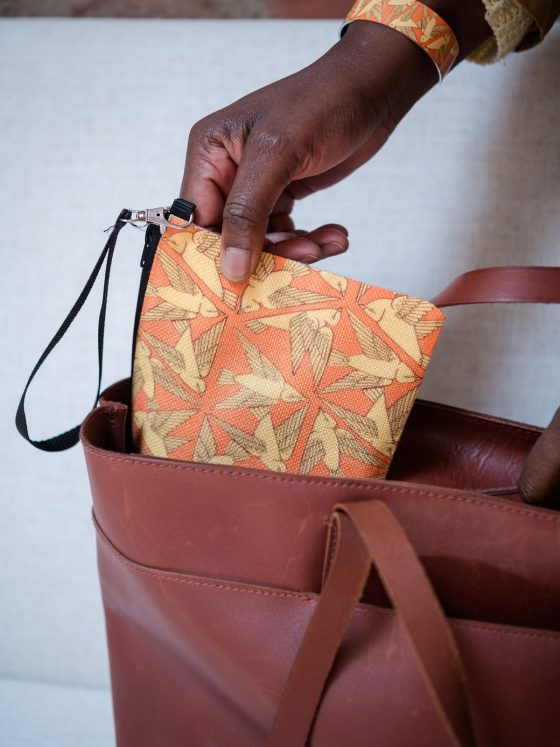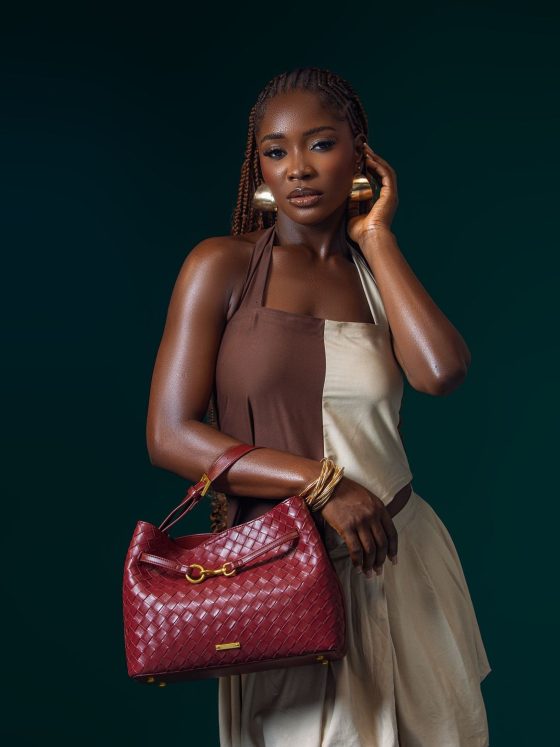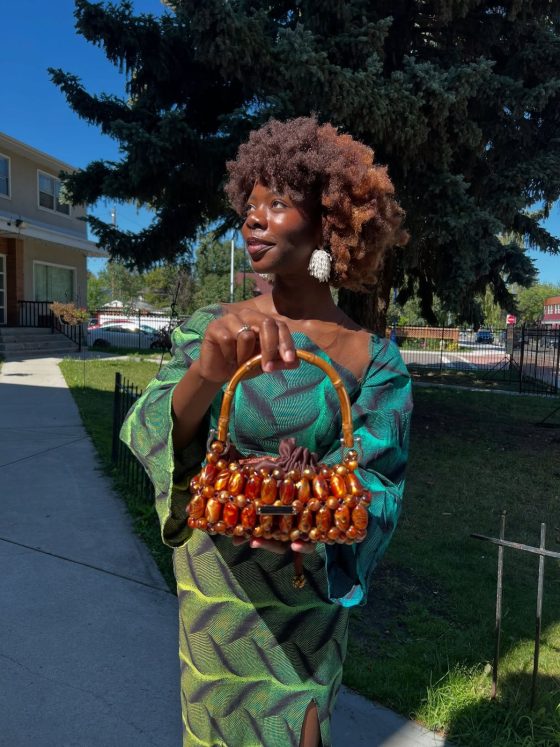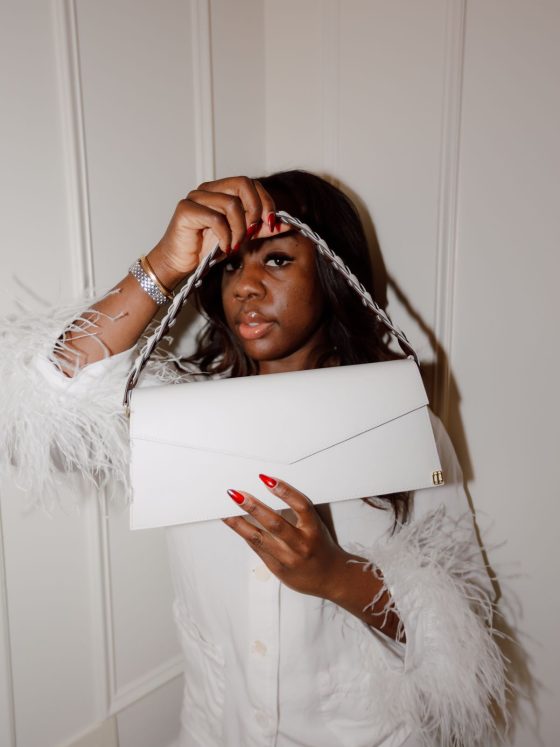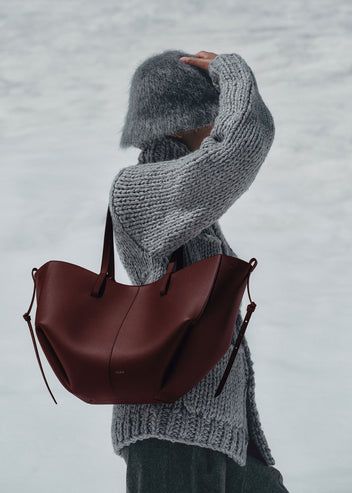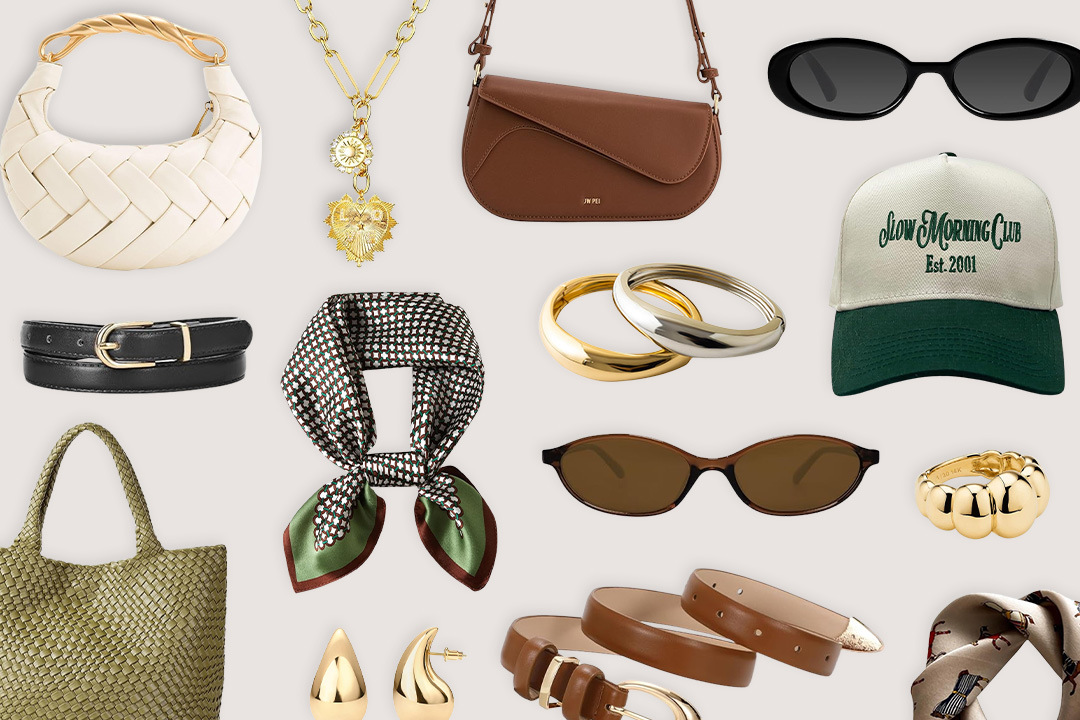
Accessories were not always about fashion. At their core, they were created to serve a purpose. Things like bags were made to carry belongings, belts were to hold clothing in place, and watches were to tell time.
Their value came from what they could do, not how they looked. But over time, that has changed. Accessories have now moved beyond function and into personal expression.
Now, a simple outfit can appear polished, casual, bold, or refined based on the accessories chosen. Keep reading to learn why accessories matter and how they’ve evolved from practical items into key style elements.
Learn why accessories matter in fashion and everyday dressing. See how to choose, style, and avoid common mistakes for practical and personalised outfits.
What Are Accessories?
Accessories are items worn or carried to support an outfit. They are not clothing themselves, but they add function and detail to what a person wears. Common accessories include bags, belts, shoes, watches, jewellery, scarves, and hats. In the past, accessories were mainly practical.
Bags were used to carry items, belts helped clothes fit properly, shoes protected the feet, and watches told time. Their value came from usefulness rather than appearance. This basic role helps explain where accessories started and sets the foundation for understanding why accessories matter in modern dressing.
The Utility of Accessories: How They Work In Everyday Life
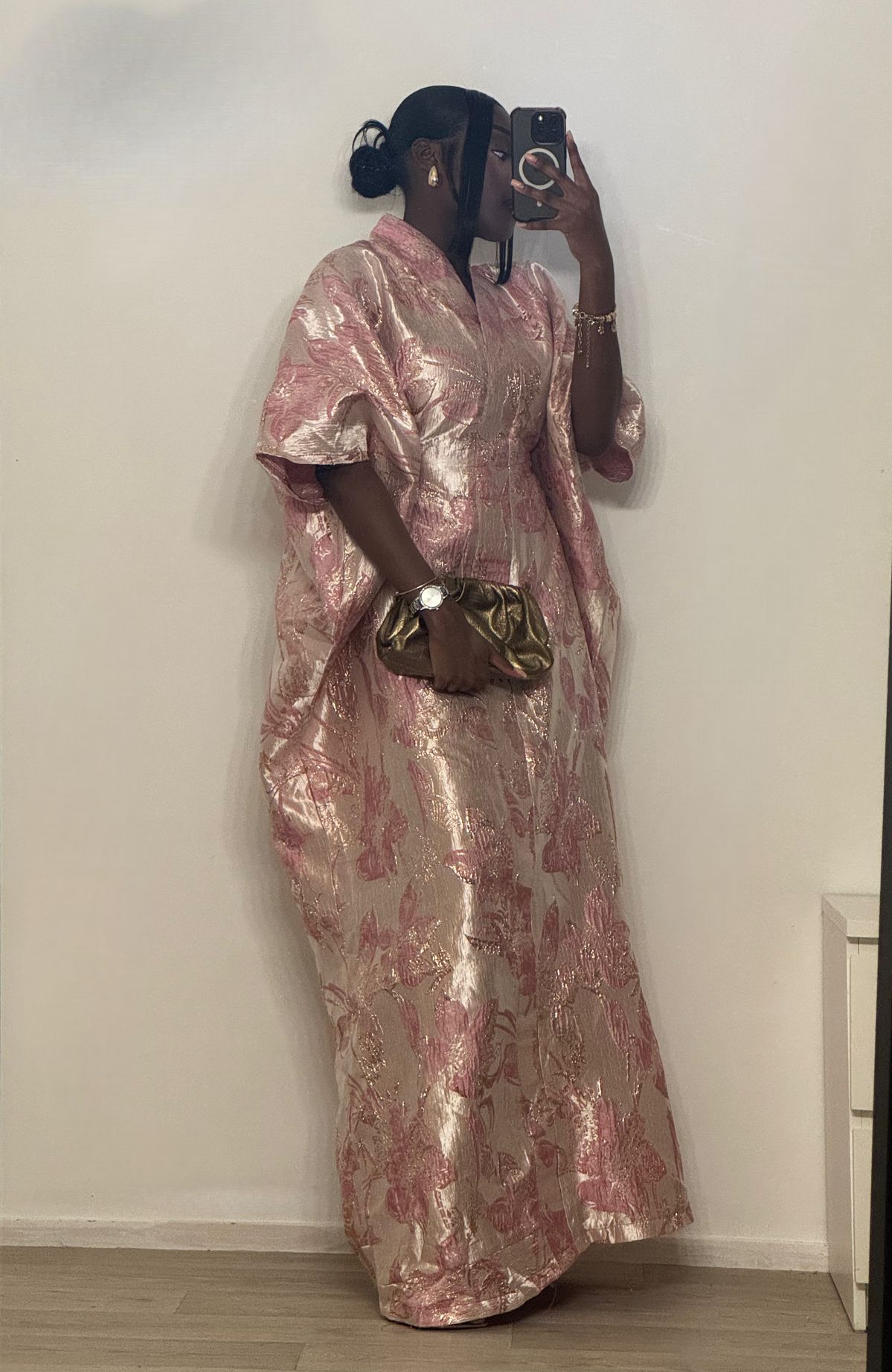
Accessories do more than complete a look; they make daily life easier. A backpack or tote keeps essentials organised; a belt ensures clothes fit comfortably, and shoes protect and support movement.
Smaller items, such as watches, keychains, or functional jewellery, also serve practical purposes while adding detail to your outfit.
Recognising this practical side demonstrates why accessories matter. Choosing pieces that combine function and style makes everyday outfits feel effortless, intentional, and ready for real-life needs.
Types of Accessories And Their Roles
Accessories can be grouped based on how they are used and what they add to an outfit. These categories help explain the role of accessories in fashion and make it easier to understand why different pieces matter in everyday dressing.
1. Functional Accessories
These accessories are chosen mainly for practical reasons, such as organisation, support, or convenience. When selected carefully, accessories also enhance an outfit without drawing attention away from the clothing.
2. Decorative Accessories
These pieces are worn primarily for visual interest. They add detail, texture, or contrast to an outfit, reinforcing the importance of accessories in fashion as tools for expression rather than function.
3. Hybrid Accessories
Some accessories balance both function and style. These items clearly explain why accessories matter, as they serve everyday needs while also contributing to an outfit’s overall look.
While accessories can also be grouped by where they are worn, when they are used, or how personal they feel, these three categories focus on function and purpose, making them easier to understand for everyday dressing.
From Function To Fashion: Why Accessories Matter
Accessories didn’t begin as style statements. They were created for function, serving practical needs like securing clothing, carrying essentials, or offering protection.
Over time, these useful items became decorated to reflect status, culture, and identity, especially in societies where clothing styles were similar. This early shift shows that accessories have always carried meaning beyond their basic use.
As fashion became more standardised through mass production, accessories grew in importance. They offered a simple way to personalise outfits and stand out without replacing an entire wardrobe.
This change explains why accessories matter in modern fashion; they allow individuals to express personality, mood, and taste through small but intentional details. Today, accessories connect function and fashion. They refine simple outfits, adapt clothing to different occasions, and communicate identity in subtle ways.
Understanding this evolution makes it easier to choose accessories that are not only practical but also essential to personal style.
How Accessories Transform Your Outfits
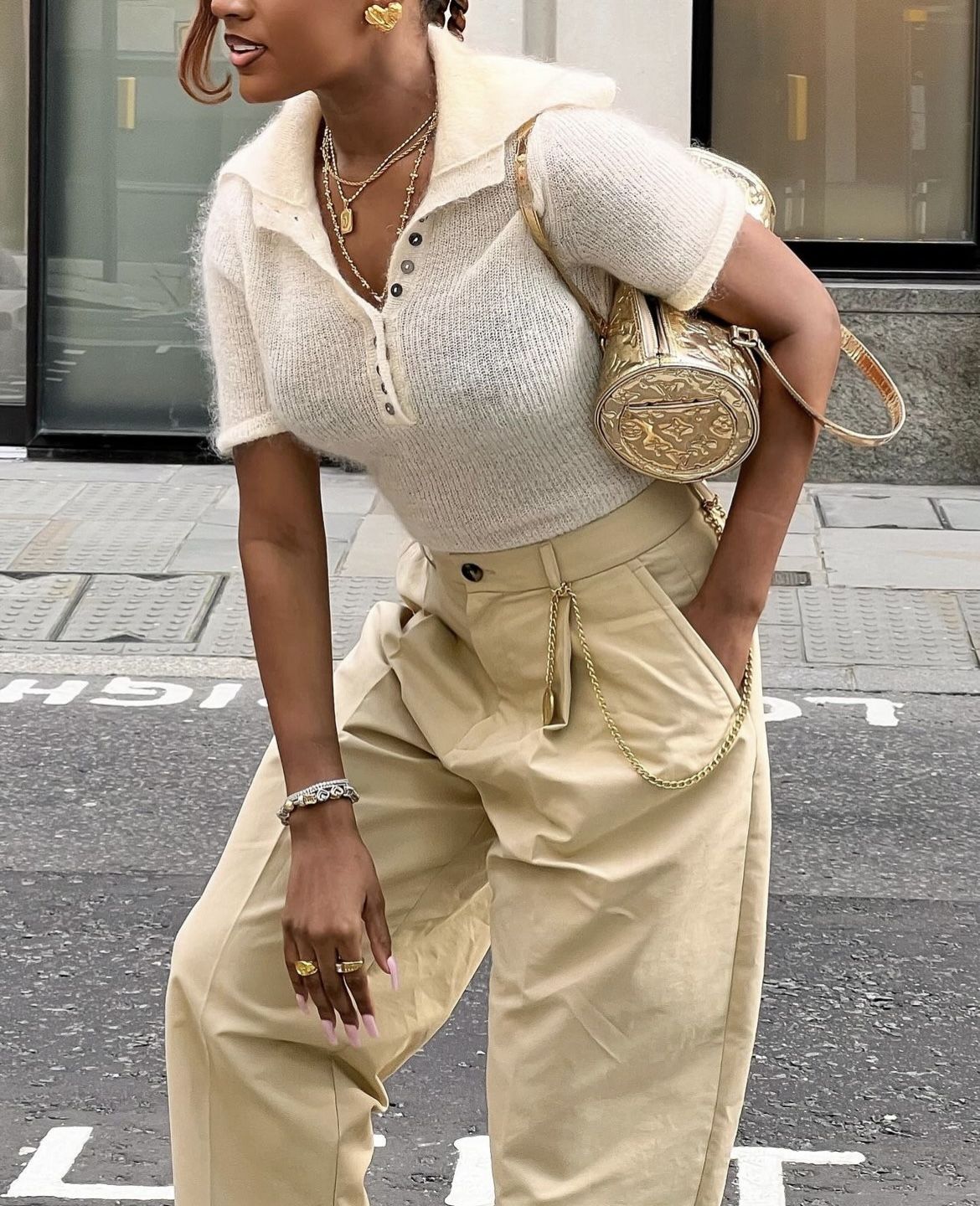
Accessories play a quiet but important role in how outfits come together. They influence how clothing looks, feels, and functions in real life, especially when people rely on simple or repeated outfits.
Understanding their role helps explain the importance of accessories in fashion beyond trends. Accessories matter in everyday dressing because they help with:
- Completing an Outfit: Accessories add structure and balance, showing how accessories enhance an outfit without changing the main clothing pieces.
- Creating Variety With Basic Clothing: Using different accessories allows the same outfit to feel new, reinforcing the role of accessories in everyday fashion.
- Adapting Outfits For Different Settings: Small changes, such as switching shoes or bags, demonstrate why accessories matter when moving between casual and formal settings.
- Expressing Personal Style Simply: accessories are an easy way to reflect taste and personality, highlighting their importance in fashion for self-expression.
How To Choose The Right Accessories
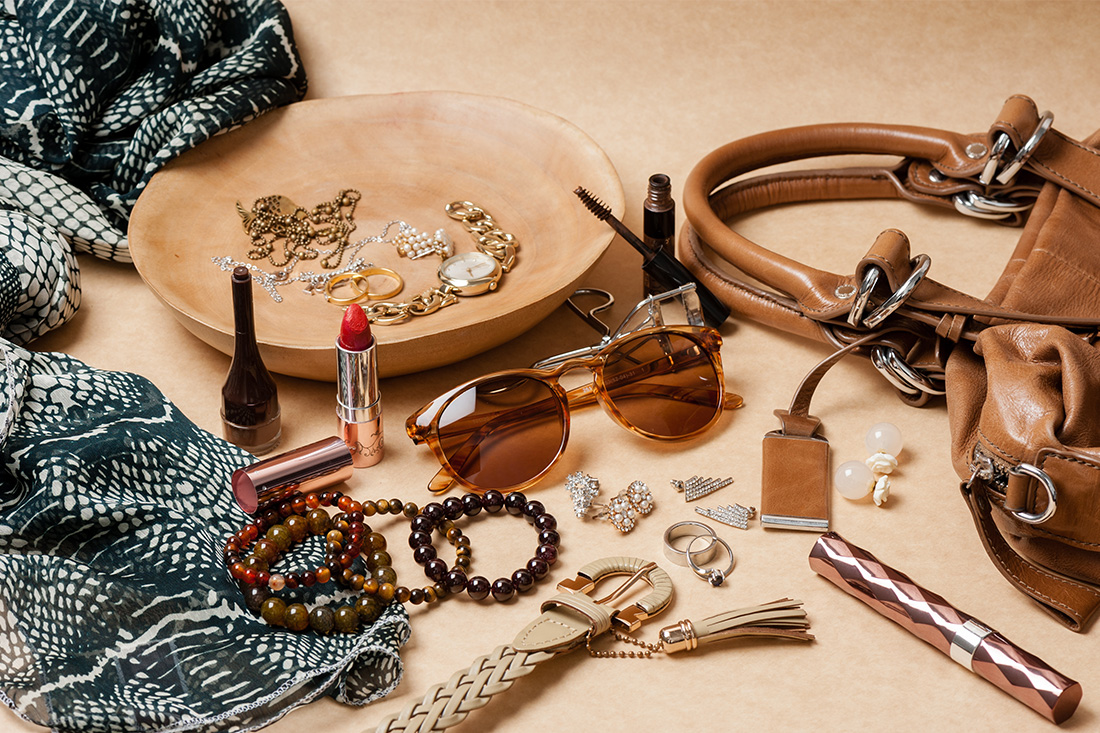
Choosing the right accessories starts with understanding the purpose of your outfit. Think about where you are going and what you need your accessories to do. An everyday outfit may call for practical pieces, while a more formal setting may require accessories that look polished and refined. Keeping accessories balanced is also important.
When one piece stands out, others should remain simple. This helps avoid clutter and shows how accessories enhance an outfit without overwhelming it. Paying attention to colour, size, and proportion makes accessories feel more intentional rather than added on. Comfort and function should guide your choices.
People are less likely to wear accessories that feel awkward or get in the way. Selecting pieces that fit your routine explains why accessories matter in daily dressing, not just in special moments.
Over time, choosing accessories becomes easier when they reflect both your needs and your personal style.
Quick Tips To Elevate Your Outfit
Small changes can make a noticeable difference. Accessories help refine your look without requiring a full outfit change. Here are simple, practical ways to elevate your outfit using accessories:
1. Focus on a Single Statement Piece.
Choose one standout accessory, such as a structured bag, bold earrings, or a watch. Keeping the rest minimal prevents your outfit from looking crowded.
2. Pay Attention To Proportions.
Match accessories to your outfit’s scale. Chunky accessories work better with relaxed or oversized clothing, while delicate pieces suit tailored or fitted looks.
3. Use Accessories To Add Contrast
Neutral outfits benefit from textures or colours in accessories like belts, scarves, or shoes. This adds interest without overpowering your look.
4. Match Accessories for the occasion.
Simple, functional accessories work best for everyday wear, while more detailed or polished pieces elevate outfits for formal or social settings.
5. Repeat A Detail Intentionally.
Echoing a colour, material, or shape across accessories creates a coherent and thoughtful outfit. These quick adjustments show why accessories matter; they turn basic clothing into intentional,
ALSO READ:
- The Essential Accessory Capsule: A Curated Guide To Pieces That Endure
- Minimalist Stories: The Jewellery of Identity
- Sculptural Statements: Architectural Bags Shaping The New African Aesthetic
- Eco-Luxury Redefined: The Rise Of Sustainable Accessories In Contemporary Fashion
Common Accessory Mistakes To Avoid
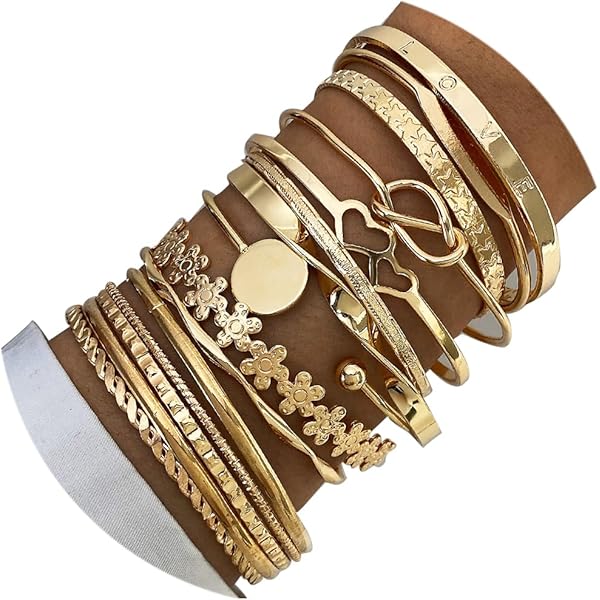
Poor accessory choices can affect even the best outfits. Understanding common mistakes helps you use accessories effectively and shows why accessories matter in everyday dressing. Avoiding these pitfalls ensures your look stays balanced, polished, and intentional.
Here are some common mistakes you should avoid:
- Over-accessorising: Adding too many pieces can clutter an outfit and distract from your clothes.
- Ignoring Proportion: Accessories that are too large or too small can throw off the balance of your outfit.
- Mismatch of Style and Occasion: Wearing casual accessories in formal settings, or vice versa, can feel out of place.
- Neglecting colour coordination: clashing colours can make even simple outfits look chaotic.
- Sacrificing Comfort For Style: Accessories that are uncomfortable or impractical are less likely to be worn, reducing their functional and stylistic impact.
Conclusion
Accessories are more than just extras; they bridge function and style. From practical use to personal expression, they transform simple outfits into intentional looks that reflect personality, mood, and confidence.
Choosing the right pieces, avoiding common mistakes, and understanding their purpose shows why accessories matter in everyday dressing. Thoughtful accessories make outfits feel complete, polished, and uniquely yours
Frequently Asked Questions
1. How Can I Use Accessories To Improve A Basic Outfit?
Accessories like scarves, belts, and jewellery can instantly elevate a simple outfit by adding colour, texture, or structure— showing how accessories enhance an outfit.
2. Are There Rules For Matching Accessories With Clothing?
Yes. Consider proportion, colour, and occasion. Coordinated accessories make outfits look intentional and polished, explaining why accessories matter in everyday dressing.
3. What Are The Most Versatile Accessories To Own?
Neutral-coloured bags, simple jewellery, watches, and scarves are versatile; they combine style and function, highlighting the importance of accessories in fashion.
4. How Do I Avoid Over-Accessorising?
Focus on one or two statement pieces per outfit and keep the rest simple. This keeps outfits balanced while showing why accessories matter for style and practicality.