Money consistently conveys a narrative. Recently, the continent’s wealth narrative has shifted from quiet accumulation to intentional influence, factories, refineries, conservation estates, and global portfolios, as well as long-term philanthropic architectures. Today’s billionaires are not only scaling businesses; they’re redefining what private power looks like when channelled into national progress.
Their strategies differ, but their impact is undeniable: capital is no longer passive. It is directional and visible, and it is increasingly future-facing. It differs in infrastructure that strengthens regional economies, in philanthropic systems designed for longevity, and in investments that redefine how private power participates in public life.
This article spotlights those who move beyond accumulation, using their capital to define a modern blueprint for prosperity.
A new generation of billionaires is reshaping wealth culture through industry, philanthropy, conservation, and a long-term economic vision. Here are the leaders defining what modern influence looks like.
The Builders Behind the New Capital Era
At the centre of this transformation are figures whose reach spans borders, sectors, and social consciousness. Their strategies differ, yet a common thread unites them: deliberate influence that intertwines financial power with cultural and societal relevance.
Aliko Dangote: Industrial Vision with Continental Reach
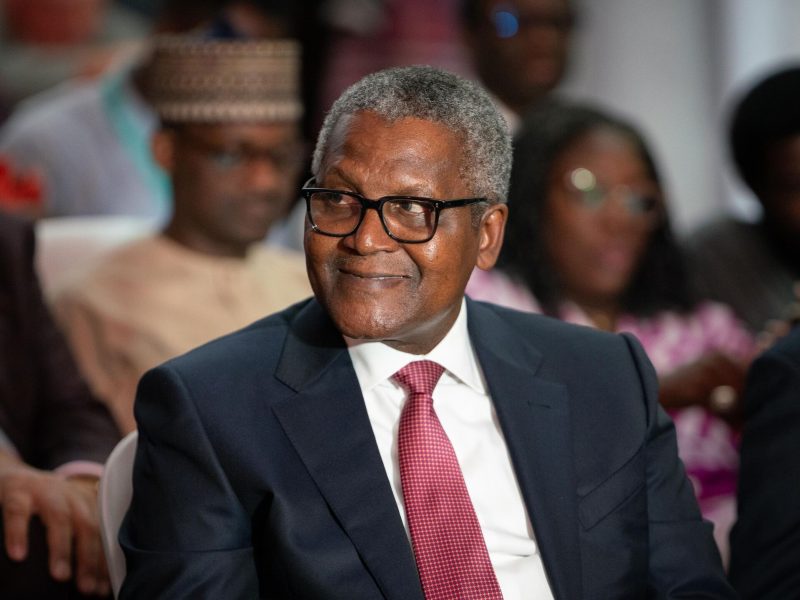
Aliko Dangote‘s name is widely recognised for his industrial ambition. From cement to sugar and flour to real estate, he has established an empire that drives economic activity throughout West Africa. Yet Dangote’s wealth is not static. Every refinery, factory, and investment is a statement on how industrial scale can redefine a nation’s infrastructure and employment ecosystem.
His approach is meticulous, hands-on, and resolutely forward-looking. Dangote demonstrates that building wealth is inseparable from building markets, and markets, in turn, shape communities.
Folorunsho Alakija: Fashion, Oil, and Strategic Diversity
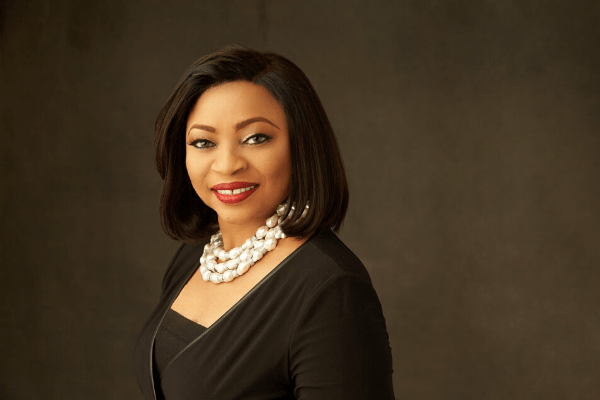
Folorunsho Alakija is an emblem of African female entrepreneurship at its highest level. From oil investments to fashion houses, her influence traverses commerce and culture. She demonstrates the power of portfolio diversity combined with bold personal branding.
Her wealth speaks, but her legacy resonates deeper: it signals to African women that strategic risk, cultural insight, and disciplined execution can create power structures once thought inaccessible.
Naguib Sawiris: Communication, Tech, and Global Connectivity
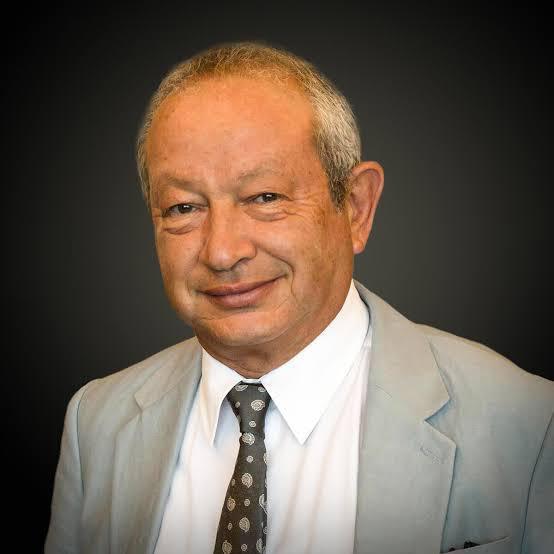
Egyptian billionaire Naguib Sawiris represents a different form of influence: the interplay of technology, media, and communication infrastructure. With telecom ventures and tech investments, he has connected millions and created platforms for entrepreneurship and digital growth.
Sawiris exemplifies how capital can be leveraged to democratise access while remaining commercially astute. His legacy is in the wealth and networks that let new economies thrive.
Patrice Motsepe: Mining, Philanthropy, and the Long Game

South Africa’s Patrice Motsepe has mastered the delicate balance between extraction and contribution. Mining initially defined his financial footprint, yet his investments now speak of a broader vision: African prosperity built through sustainable initiatives and strategic philanthropy.
Motsepe’s financial decisions carry cultural resonance; they signal that wealth can be both protective and generative, honouring heritage while empowering future generations.
Hajia Bola Shagaya: Commerce, Influence, and Market Innovation
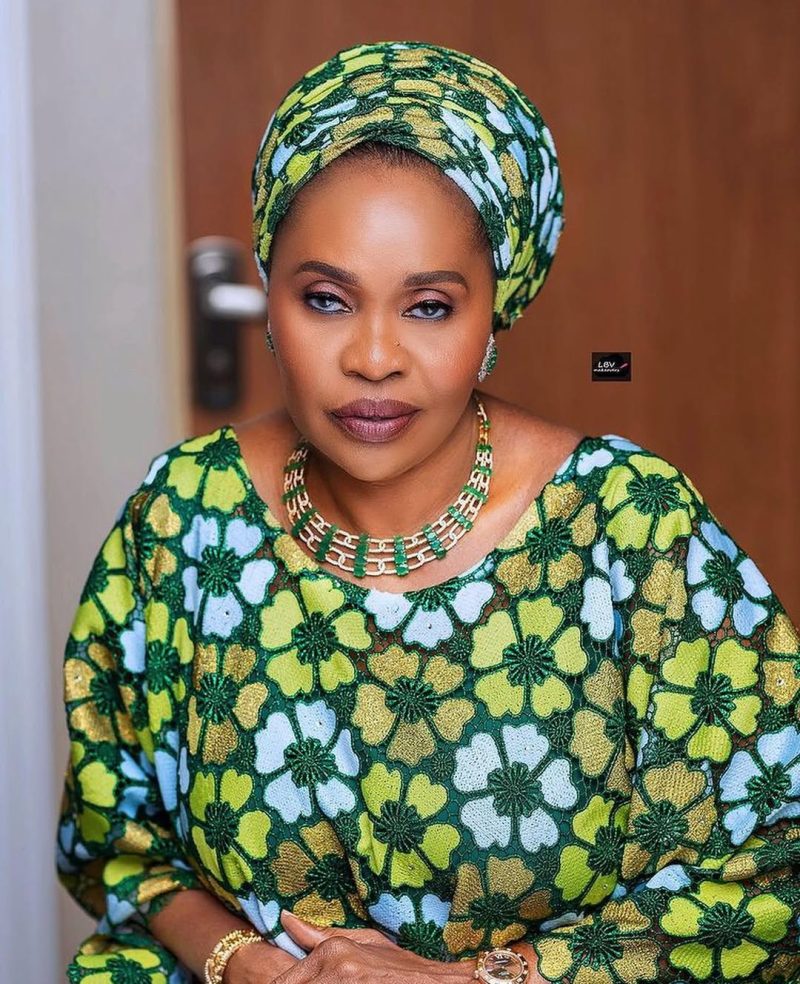
Shagaya’s trajectory through commodities and logistics reflects a sophisticated understanding of supply chains and market timing. Her investments embody the interplay of commerce and influence, demonstrating how strategic positioning in traditional sectors can drive extraordinary returns.
Beyond numbers, Shagaya’s work underlines that influence is relational: markets are shaped not only by money but by vision, timing, and credibility.
Nicky Oppenheimer: Precision, Conservation, and Intergenerational Influence

Nicky Oppenheimer’s diamond legacy illustrates a commitment to stewardship and measured growth. His wealth, rooted in resource mastery, now intersects with conservation and community investment.
By investing in ecological sustainability and carefully curated philanthropic projects, Oppenheimer demonstrates that influence is as much about restraint and strategy as it is about capital accumulation. He embodies a long-view mindset where preservation and legacy are paramount.
Perspective Shift: Wealth as Cultural Architecture
Africa’s billionaires are architects of opportunity, blending commerce, culture, and society into a coherent whole. Their influence extends to education, creative industries, infrastructure, and heritage preservation. In this light, capital becomes an instrument for shaping narratives, rather than a mere tally of net worth.
READ ALSO:
- African Interior Designers Shaping Global Aesthetics
- Black Luxury Entrepreneurs: Six Fashion Brands Worth Watching
- 10 African Fashion Photographers Shaping A New Editorial Era
A Modern Capital Era
The commonality between Dangote, Sawiris, Motsepe, Oppenheimer, Alakija, and Shagaya is deliberate orchestration. Their wealth informs culture, policy, and perception. They demonstrate that the power of money is not only transactional but also symbolic. A refinery, a philanthropic foundation, or a media venture communicates values as much as it produces returns. Their stories show that modern African wealth is not inherited; it is consciously constructed, carefully curated, and unapologetically forward-facing.
In observing their trajectories, one sees the emergence of a new capital ecosystem: one where influence is performative yet purposeful, visibility is balanced with impact, and luxury is intertwined with legacy. These billionaires do not simply exist in the economy; they design its pathways, define its visual narrative, and shape the cultural imagination.
Frequently Asked Questions
- What sectors define Africa’s billionaire wealth?
Industrial production, telecommunications, mining, oil, fashion, and commerce are leading sectors shaping wealth on the continent.
- Who are the top African billionaires today?
Aliko Dangote, Naguib Sawiris, Patrice Motsepe, Nicky Oppenheimer, Folorunsho Alakija, and Hajia Bola Shagaya are among the continent’s most influential wealth holders.
- How do African billionaires influence culture?
Through investments in creative industries, philanthropic initiatives, heritage projects, and high-profile business ventures, they shape societal trends, opportunities, and national narratives.
- What distinguishes these billionaires from past generations?
They combine strategic vision with cultural literacy, using wealth not only for accumulation but also for long-term societal and economic impact.
- Can Africa’s wealth structures inspire future entrepreneurs?
Yes, these figures demonstrate that deliberate strategy, diversification, cultural awareness, and sustainability can define modern success for emerging leaders.