

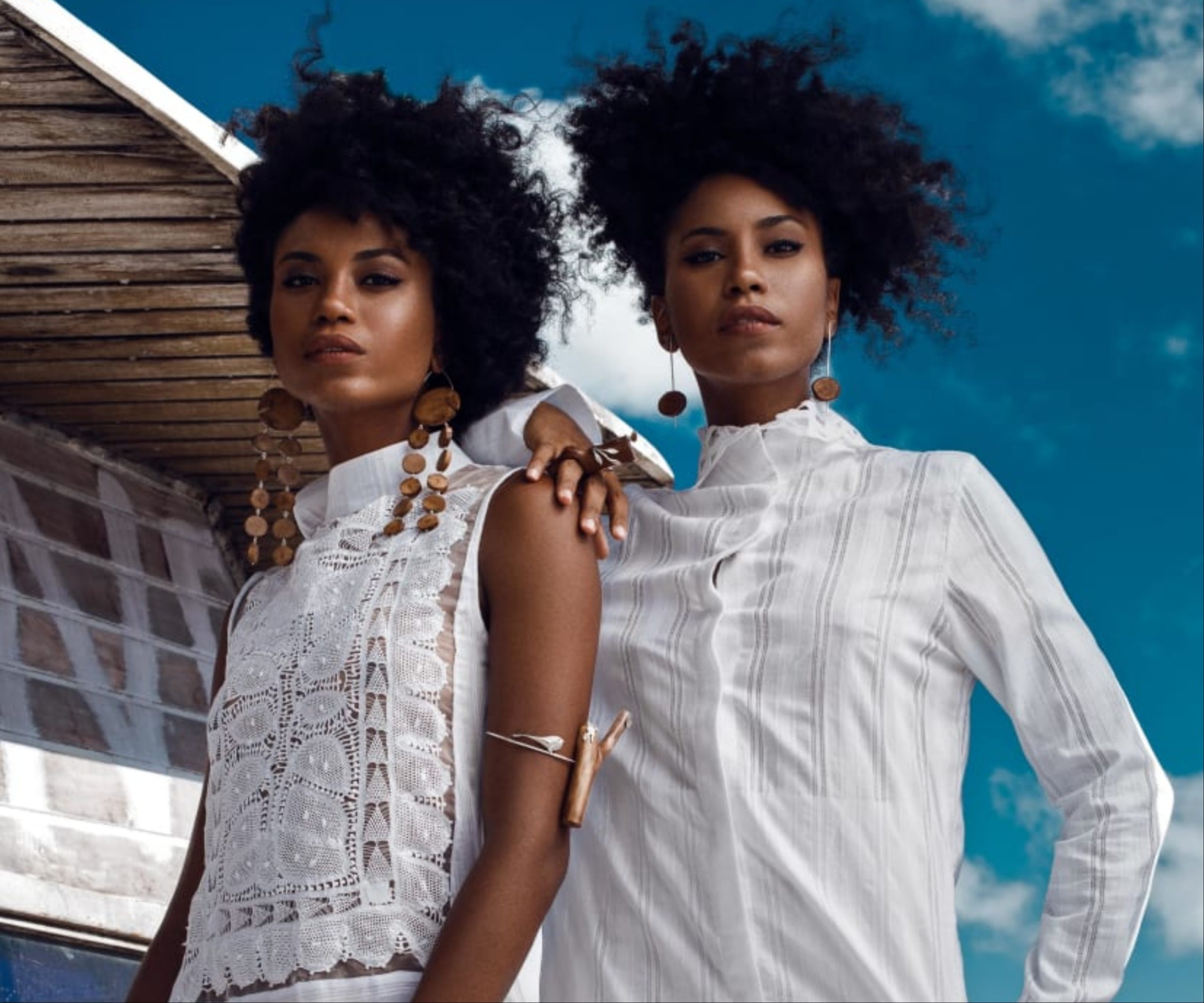
In the historic centre of Salvador, Bahia, Renato Carneiro has built something that the fashion industry rarely allows: a space where African aesthetics are not a trend to be sampled but a civilisation to be honoured.
Salvador is the most African city outside the African continent. More than 90% of its population identifies as Black or of mixed African descent, and the Yoruba, Fon, and Bantu cultural inheritances that arrived through the transatlantic slave trade did not dissolve there. They survived, adapted, and eventually built an entire civilisation in the city’s streets, temples, and markets. It is from this living inheritance that Renato Carneiro draws his work, and it is why Katuka Africanidades cannot be understood simply as a fashion label.
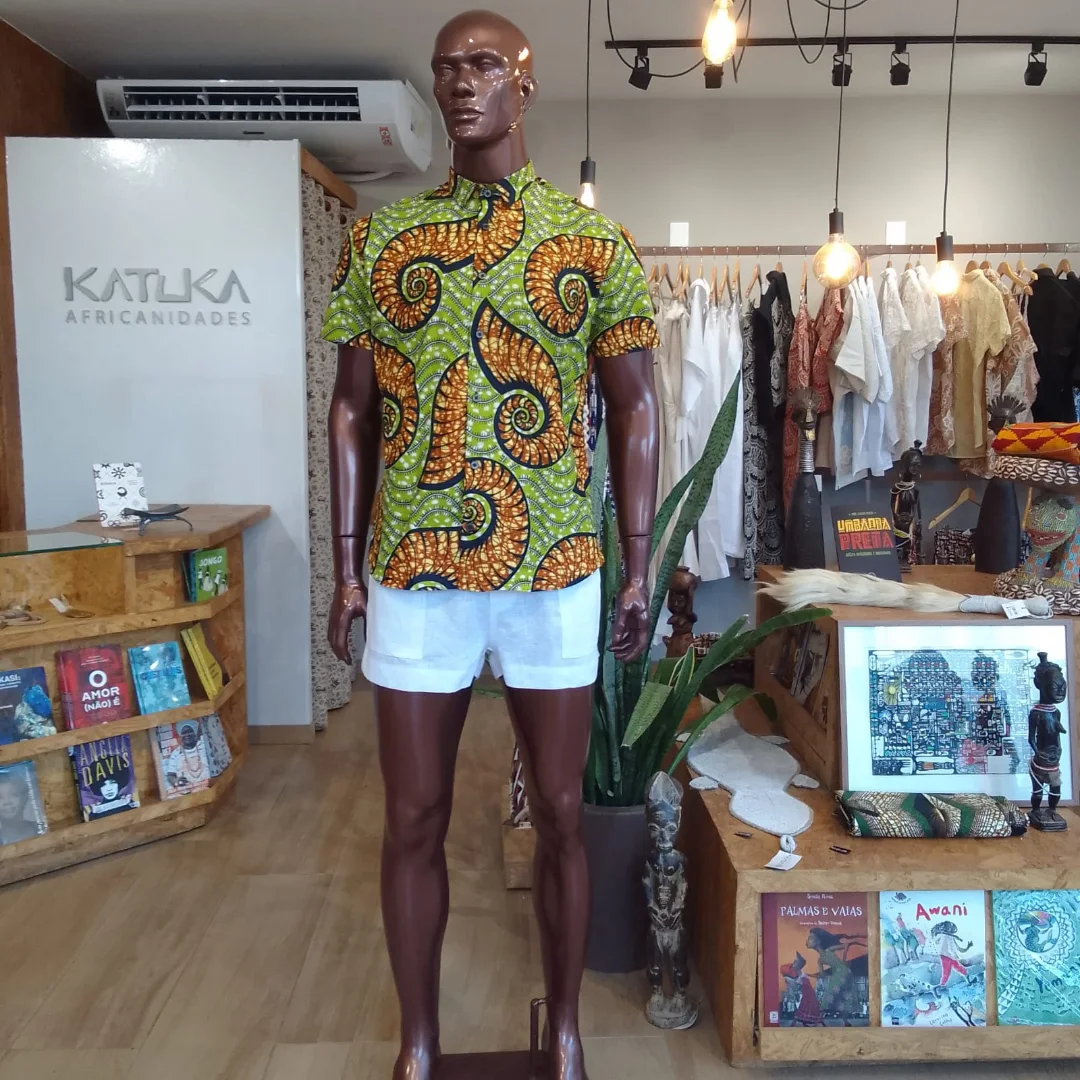
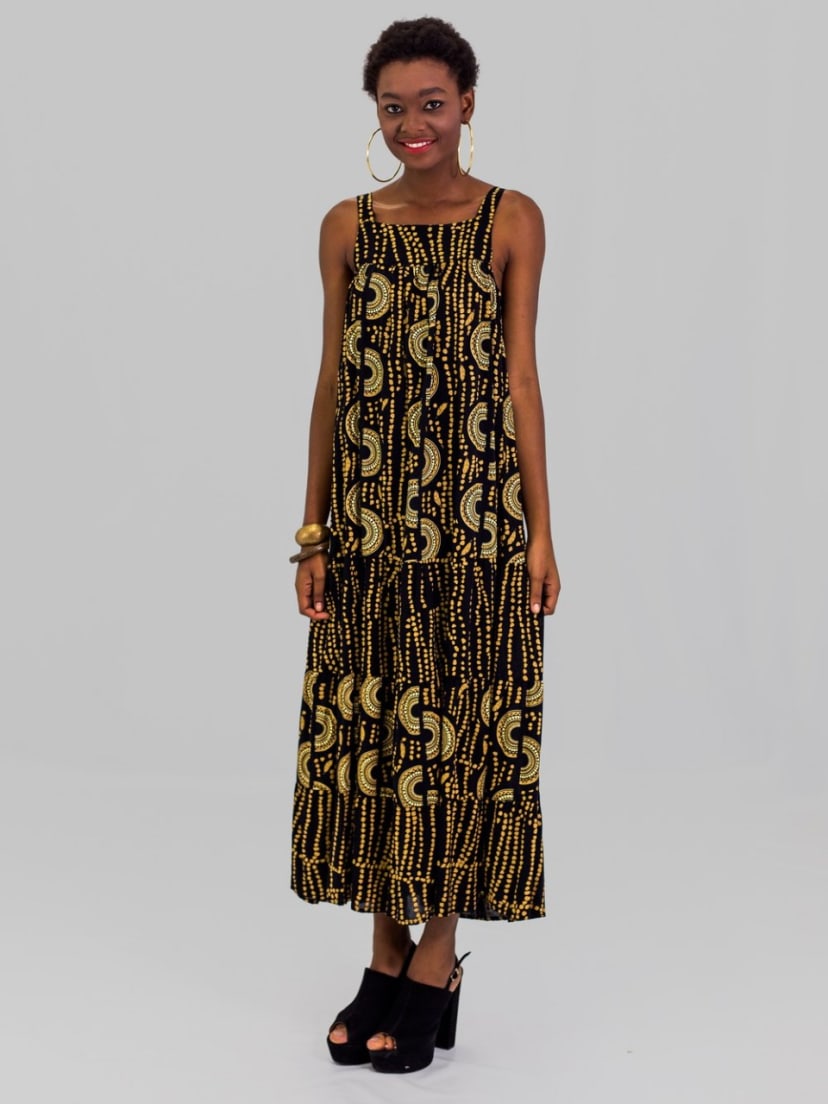
Carneiro, originally from São Paulo but transformed by Salvador, founded Katuka Africanidades in 2015 and has built it into one of the most distinctive African-centred cultural spaces in Brazil. The store, rooted in the Praca da Se in the city’s historic Pelourinho district, does not merely sell clothing. It sells fabric as philosophy. African prints, bright colours, and garments that embody the visual and spiritual logic of the Black Atlantic sit alongside books, jewellery, and ritual materials associated with Candomble. This Afro-Brazilian religion fuses West and Central African cosmologies with the particular survival conditions of the Brazilian diaspora.
Renato Carneiro’s Katuka Africanidades in Salvador, Bahia, is not a fashion brand. It is a cultural institution that turns African fabric into an argument about who Black people are, where they come from, and what they carry forward.
The Omiren Argument: African Aesthetics as Architecture, Not Accessory
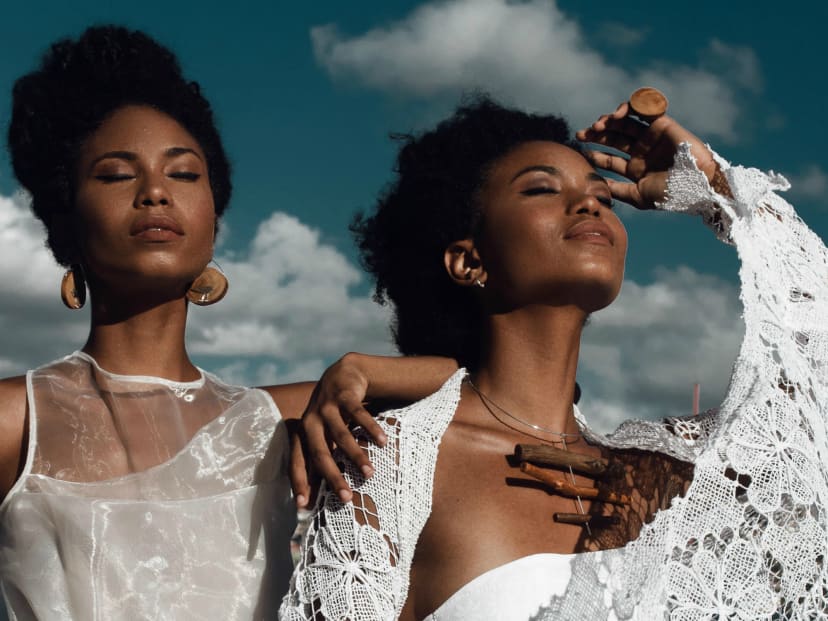
What Carneiro refuses to do is what the mainstream fashion industry has done for decades: extract African visual codes from their meaning and repurpose them as decoration for someone else’s body. His work insists on the opposite. At Katuka, the African fabric is not an aesthetic choice. It is a statement of belonging, a refusal of erasure, and an act of cultural self-determination.
Carneiro has consistently stated that his garments are made for people who understand the importance of building economic strength within the Black community, who seek to connect with projects that carry genuine political and aesthetic commitment, real commitment, to racial, gender, and sexual equity. The clothes, in his formulation, are designed for bodies that have been denied their own frameworks of beauty and are reclaiming them. This is what distinguishes his work from African-inspired fashion. He is not inspired. It is rooted.
The Katuka store also houses Mercado Negro, a dedicated section of accessories and ritual objects associated with Candomble’s various orixas, the Yoruba-derived deities central to Afro-Brazilian spiritual life. Each deity in Candomblé cosmology is linked to natural elements, colours, and energies that have long shaped how Black communities in Bahia dress and adorn themselves. By placing those materials inside a fashion space, Carneiro makes the argument explicit: African dress has never been merely decorative. It has always carried spiritual and cosmological weight.
Salvador, Bahia: The City as Context
Understanding Renato Carneiro requires understanding Salvador. The city is not simply a backdrop. It is the condition of his work’s existence and its primary audience. Salvador’s Pelourinho district, now a UNESCO World Heritage site, was once the centre of the slave trade in the Americas. The churches and cobblestoned squares that tourists photograph were built by enslaved African hands and financed by the suffering of Black bodies. For Afro-Brazilian designers who work within this geography, the act of making and wearing African fabric in those same streets is not nostalgic. It is confrontational.
Brazil has the largest population of people of African descent outside Africa, and Salvador embodies the cultural, spiritual, and political intensity of that inheritance. It is home to the Afro Fashion Day, considered the largest Black fashion event in Brazil, which has provided Katuka Africanidades with a platform from its very first edition. The event, held annually in November during Brazil’s Mes da Consciencia Negra (Black Consciousness Month), has in each edition expanded the visibility of Afro-Brazilian designers and pushed for structural representation within the country’s fashion industry.
“Afro-Brazilian fashion exists as something that was creatively put together to express the lives of those who had been taken from everywhere and ended up somewhere together.” — Fashionista
Structure, Scale, and National Recognition
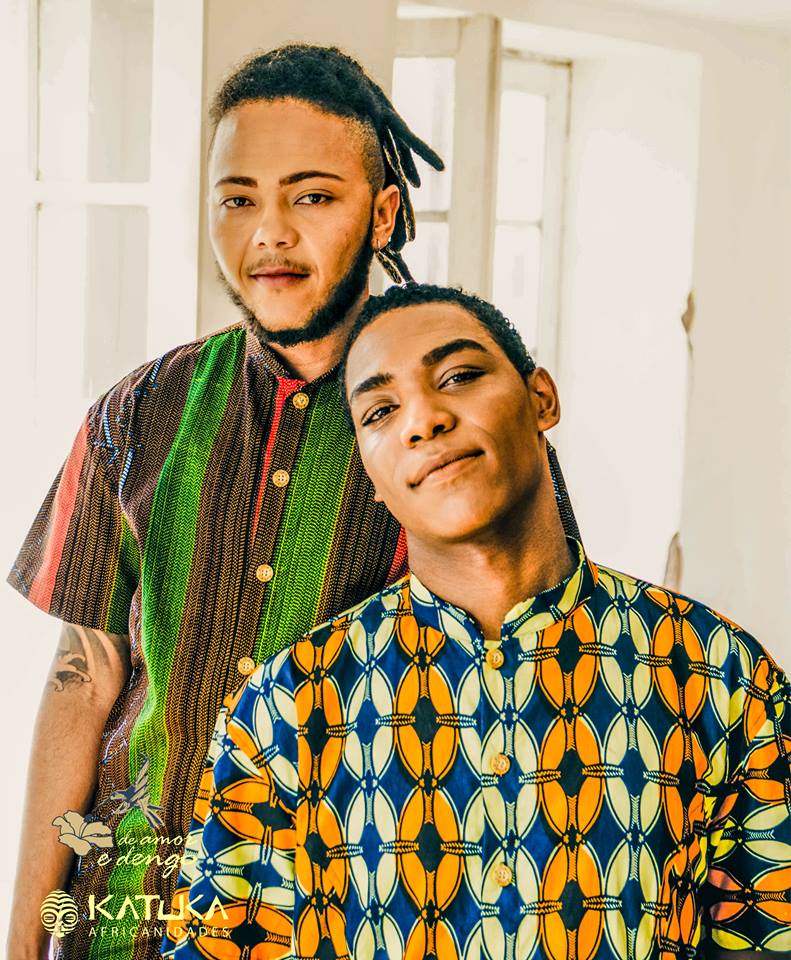
Katuka Africanidades now operates across two physical locations in Salvador, the original site at Praca da Se and a second at the Rio Vermelho neighbourhood, and maintains an e-commerce presence. The brand has been recognised nationally: Carneiro was among four designers from Salvador selected for a fashion editorial at São Paulo Fashion Week (SPFW) spotlighting regional talent across Brazil. The acknowledgement was significant, but not uncomplicated. SPFW’s history with Black representation has been contested, and Carneiro was one of the relatively few voices from the country’s North-East to be included.
The pandemic tested the brand, as it tested all fashion operations. Carneiro described the period as one of rebuilding and reinvention, framing it with an idea drawn from the same cultural and spiritual inheritance that shapes his collections. He described the chaos of that period as carrying within it the necessity of reconstruction and change. The brand emerged from it still intact, still expanding, and still committed to its founding argument.
ALSO READ
- The Candomble Aesthetic: How Yoruba Cosmology Shaped Afro-Brazilian Style
- The Black Atlantic in Fabric: How Africa Dressed the Diaspora
- Lisa Folawiyo and the Lagos School of Maximalism
Fashion as Memory, Identity as Practice
The deeper significance of Renato Carneiro’s work lies in its connection to a longer Black intellectual tradition in Brazil: the idea that fashion, dress, and bodily adornment are archives. The enslaved African women of nineteenth-century Salvador who wore their balangandans, heavy, charm-laden jewellery, and traje de crioula were communicating their identities, spiritual affiliations, and social codes in a system designed to deny them personhood. That inheritance did not end at emancipation. It passed through Candomblé terreiros, through the Afro-Carnival blocs, and eventually into the studios of designers like Carneiro, who understand that they are not creating from nothing.
At Katuka, you do not buy a garment. You take custody, however briefly, of an argument. The argument is that African aesthetics are not regional curiosities. They are, as Carneiro has built his entire operation around showing, civilisational architecture. The prints, the colours, the drape, the cut: each one carries a tradition that is older, more sophisticated, and more internally consistent than anything the fashion industry has claimed to discover about Africa from the outside.
That is the Carneiro proposition. And in Salvador, Bahia, one of the most politically and culturally charged Black cities on earth, he is building the evidence for it, one garment at a time.
Frequently Asked Questions (FAQs)
1. Who is Renato Carneiro?
Renato Carneiro is an Afro-Brazilian fashion designer and cultural entrepreneur based in Salvador, Bahia. He is the founder of Katuka Africanidades, an African-centred fashion, literature, and cultural goods brand established in 2015, with stores in the Pelourinho and Rio Vermelho neighbourhoods of Salvador.
2. What is Katuka Africanidades?
Katuka Africanidades is simultaneously a fashion store, bookshop, and cultural space. It sells garments made from African fabrics, as well as literature, jewellery, and ritual accessories associated with Candomblé, the Afro-Brazilian religion with roots in West and Central African spiritual traditions.
3. What is the connection between Katuka Africanidades and Candomblé?
Candomble’s visual and spiritual codes have long informed how Afro-Brazilian communities in Bahia dress and adorn themselves. Katuka carries this relationship into its retail space through Mercado Negro, a section that houses accessories associated with the religion’s orixas, making the spiritual and aesthetic connection explicit.
4. Where is Katuka Africanidades located?
The original store is at Praca da Se No. 1, in the Centro Historico (Pelourinho), Salvador, Bahia, Brazil. A second location operates in the Rio Vermelho neighbourhood.
Katuka Africanidades is based at Praca da Sé, Pelourinho, Salvador, Bahia. Follow the brand on Instagram at @katukaafricanidades. For more on the designers, brands, and cultural movements shaping the African fashion conversation, explore Omiren Styles.
