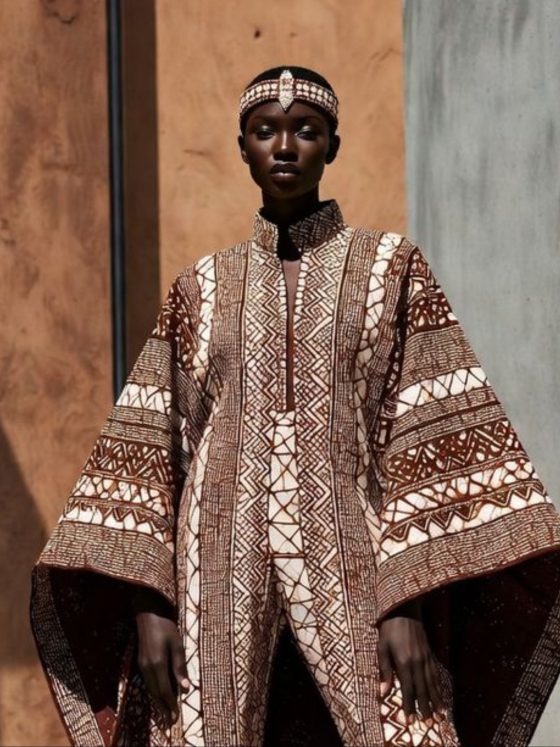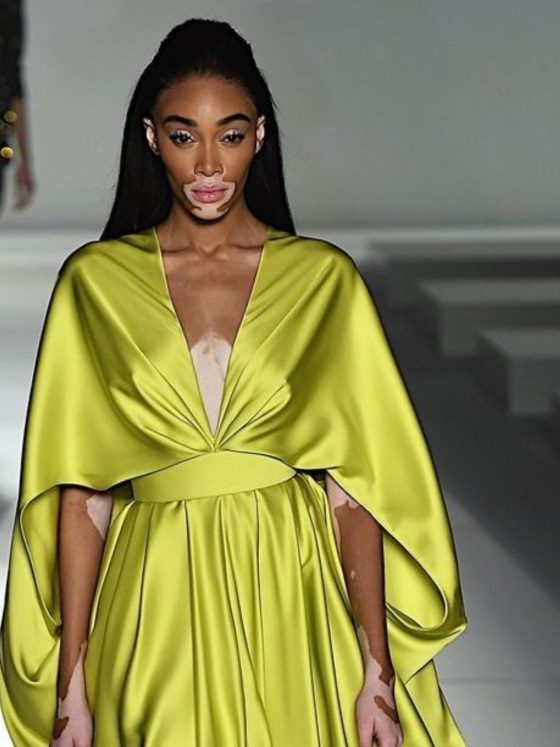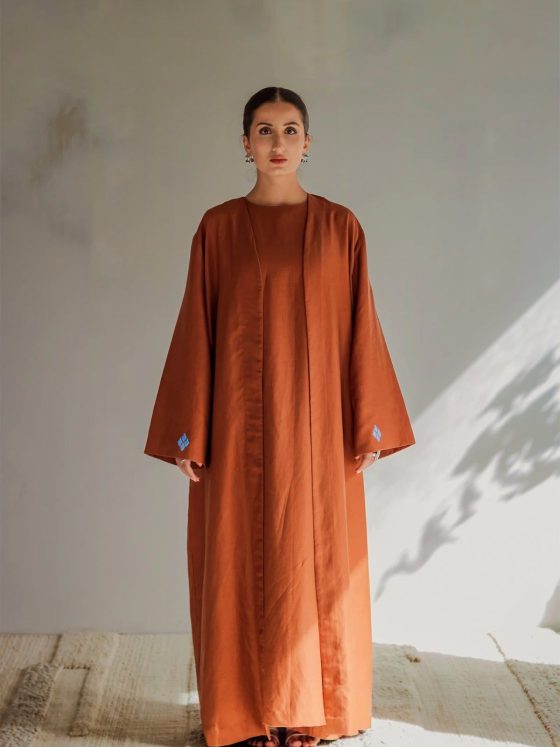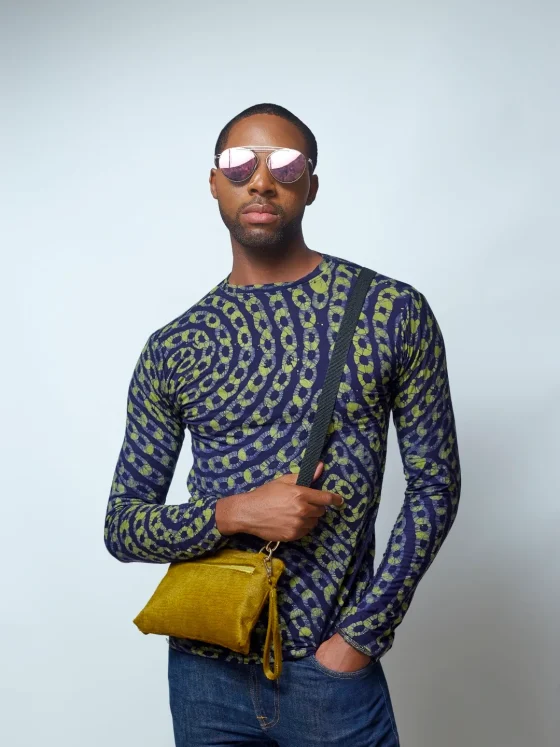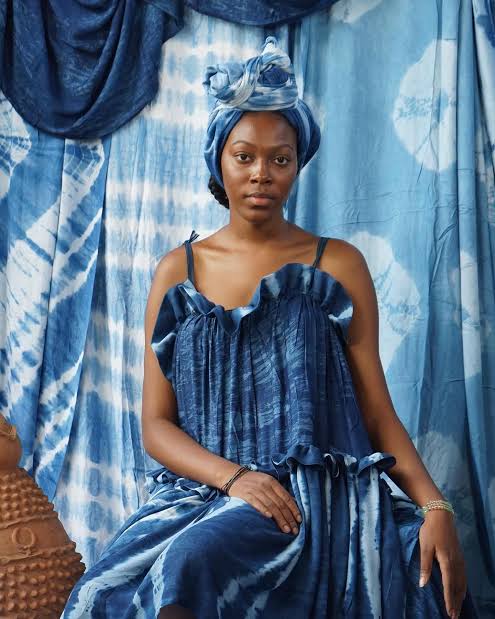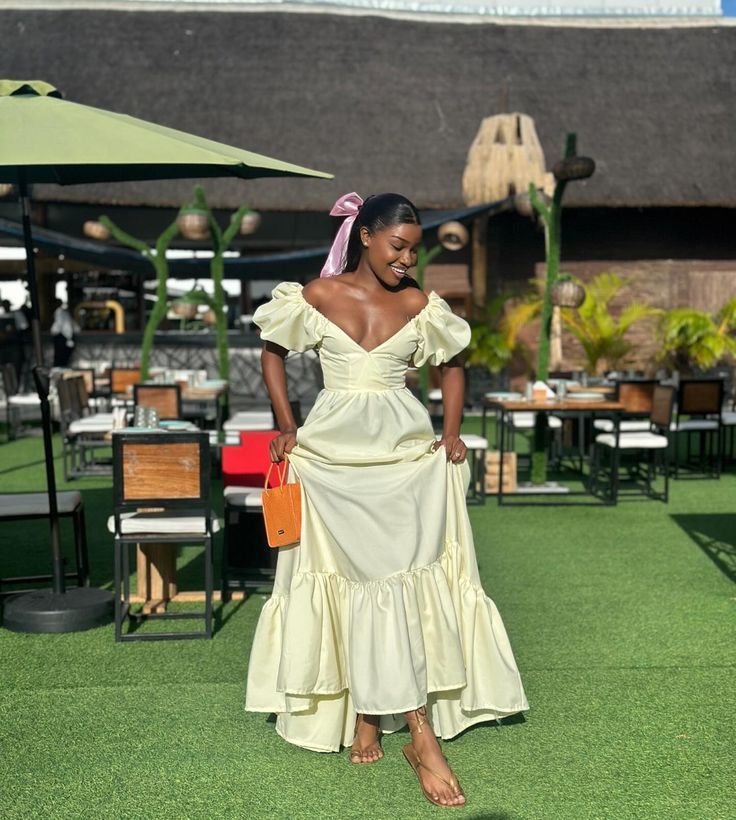
Seasonal dressing is often explained as a habit, tradition, or trend. We wear darker colours in the fall, lighter tones in the spring, heavier fabrics in the winter, and breathable textures in the summer. These patterns appear cultural, even predictable. Yet beneath these choices lies something more complex. The brain’s processing of light, temperature, and sensory input deeply influences our response to colour and texture across seasons.
Our wardrobes do not change randomly. They respond to environmental signals long before we explicitly analyse them. Neuroscience shows that shifts in daylight exposure, ambient temperature, and tactile comfort influence mood, energy levels, and perception. These physiological changes quietly shape aesthetic preferences. What feels “right” to wear in one season may feel visually or physically uncomfortable in another, not because of fashion rules, but because of neural adaptation.
Understanding this relationship reframes seasonal style as more than trend rotation. It becomes a dialogue between the environment and the nervous system.
Explore the neuroscience of colour and texture in fashion, as well as how seasonal light and temperature shape what is perceived as appropriate to wear.
Light, Colour Perception, and Seasonal Mood
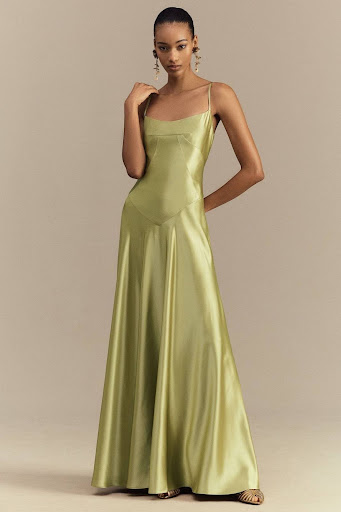
Humans’ perception of colour is not fixed. It is influenced by light intensity, light temperature, and the duration of daylight exposure. During the summer months, increased sunlight stimulates higher serotonin production, which is associated with improved mood and energy. A brighter, warmer light also enhances the vibrancy of colours in the surrounding environment. Under these conditions, saturated hues and lighter palettes feel harmonious rather than overwhelming.
In contrast, winter light is cooler, dimmer, and shorter in duration. Reduced daylight can affect circadian rhythms and lower serotonin levels in some individuals. In these conditions, highly bright colours may feel visually jarring, while deeper tones, such as burgundy, forest green, navy, and charcoal, appear balanced within the subdued environment.
Such a change is not simply aesthetic conditioning. The visual cortex processes colour relative to ambient light. When ambient lighting changes, colour contrast and saturation are perceived differently; as a result, seasonal colour preferences often align with the brain’s efforts to maintain visual coherence and emotional equilibrium.
Texture, Temperature, and Tactile Processing
Texture plays an equally powerful role in seasonal dressing. The skin is the body’s largest sensory organ, densely packed with receptors that respond to pressure, temperature, and surface variation. These tactile signals travel through the somatosensory system and influence perceptions of comfort, stress responses, and even emotional regulation.
In colder months, heavier fabrics such as wool, cashmere, and brushed cotton provide insulation. Beyond their thermal function, these materials create a sense of enclosure and softness that can psychologically signal protection. Research in sensory psychology suggests that soft textures are associated with safety and warmth, while rough or cool surfaces can increase alertness.
During warmer seasons, lightweight fabrics such as linen, cotton voile, and Tencel allow airflow and reduce heat retention. Smooth, breathable textures reduce tactile stress, which can rise when the body is overheated. The brain interprets excessive warmth as physiological strain. As a result, garments that regulate moisture and temperature are not merely comfortable; they reduce cognitive and sensory load.
Seasonal shifts in texture preference, therefore, reflect the nervous system’s attempt to stabilise internal comfort against external fluctuation.
Colour Psychology Across Environmental Contexts
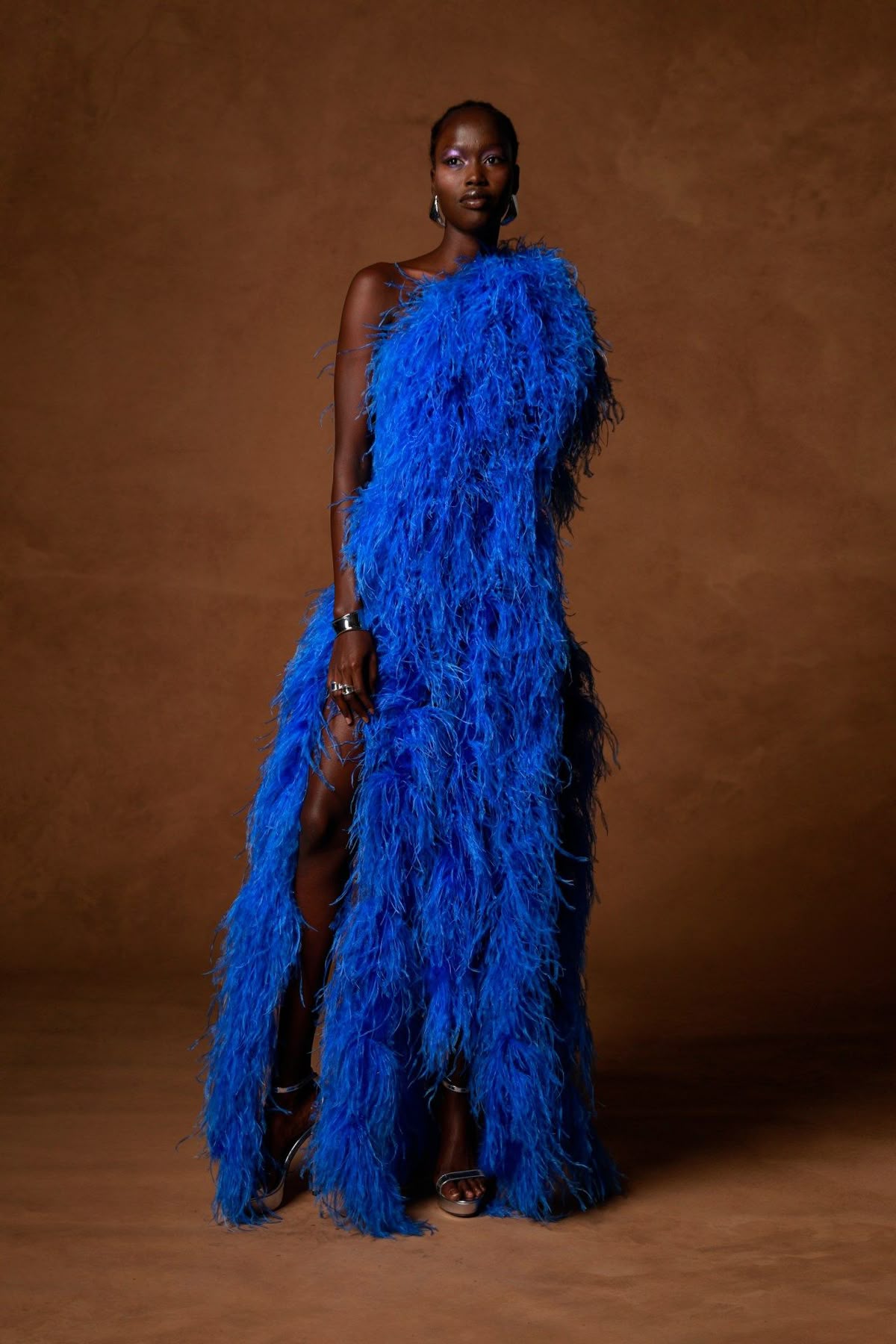
Beyond biology, environmental context shapes how colour communicates socially. In bright summer settings, lighter colours reflect more light and visually expand space, reinforcing a sense of openness. In colder or darker environments, deeper tones absorb light and create visual density, which can feel grounding.
This explains why certain colours feel seasonally appropriate even without formal rules. It is not simply tradition that associates earth tones with autumn. It is perceptual alignment. When natural surroundings shift toward browns, ochres, and muted greens, garments in similar tones integrate visually into the landscape, creating coherence.
The brain favours coherence. When visual stimuli align with environmental cues, cognitive processing becomes smoother. Clothing that mirrors seasonal colour patterns, therefore feels instinctively harmonious.
Seasonal Identity and Behavioural Shifts
Seasonal dressing also reflects shifts in behaviour and social rhythms. Summer often entails increased outdoor activity, social gatherings, and physical activity. Clothing becomes lighter, more fluid, and more expressive. Winter, by contrast, tends toward indoor environments, structured routines, and layered dressing. Silhouettes become more contained and protective.
Neuroscientific research indicates that posture and somatosensory input influence emotional state. Structured garments can subtly affect how the body carries itself. Similarly, flowing fabrics can facilitate movement. Seasonal wardrobes, therefore, support not only thermal but also behavioural adaptations.
What we wear reinforces how we move, and how we move reinforces how we feel.
ALSO READ:
- How a Seam Becomes a Statement: The Hidden Language of Garment Construction
- What the Most Influential Fashion Pieces of 2026 Communicate Today
Fabric Technology and Sensory Intelligence
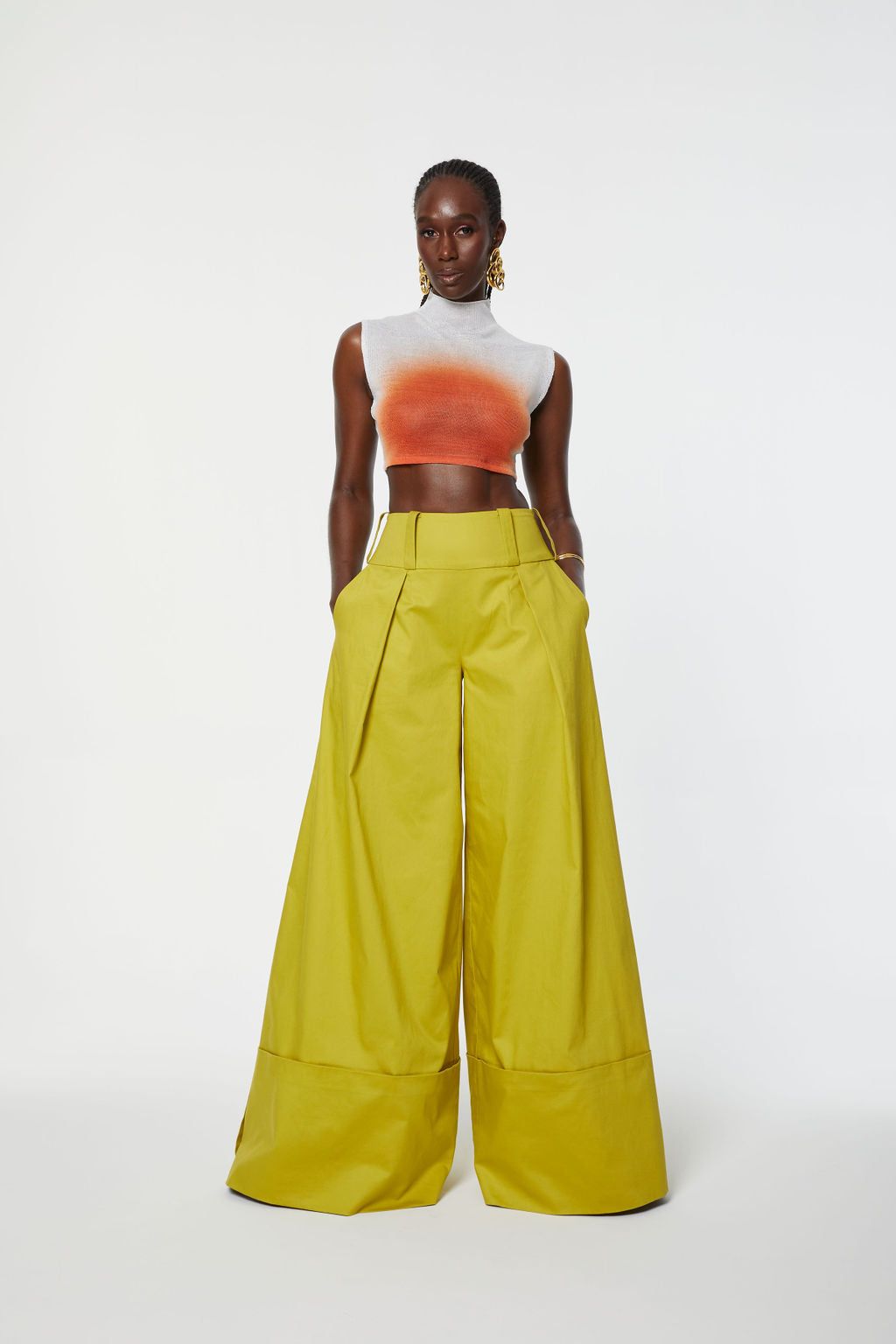
Modern textile innovation increasingly reflects this neurological awareness. Performance fabrics are engineered to wick moisture, regulate temperature, and adapt to humidity. Botanical fibres, such as Tencel, respond to moisture absorption differently from synthetic fibres, resulting in a smoother tactile experience under heat.
Even colour development in technical wear considers visibility under seasonal lighting conditions. Reflective tones and lighter hues predominate in summer athletic garments, whereas deeper shades predominate in winter collections. These choices are not arbitrary. They respond to how the eye and body process seasonal stimuli.
In this sense, fashion design functions as an applied form of sensory science.
Why This Matters for Personal Style
Recognising the neuroscience behind seasonal dressing changes how we build wardrobes. Instead of treating seasonal colour shifts as arbitrary fashion rules, they can be understood as adaptive responses. Choosing fabrics and tones that align with environmental light and temperature can enhance comfort, presence, and mood.
This perspective also explains why forcing a seasonally misaligned palette often feels off. Wearing heavy textures in peak heat or extremely bright tones in dim winter light can create subtle discomfort. The body resists what the environment contradicts.
A wardrobe that “senses the season” is not trend-driven. It is environmentally responsive.
Conclusion
Seasonal dressing is not merely a cultural tradition or a retail strategy. It reflects how the brain processes light, texture, temperature, and social context. The colour perception shifts with daylight. Texture preference shifts with tactile regulation. Silhouettes shift with a behavioural rhythm.
In this way, the wardrobe becomes an extension of the nervous system. It adapts to external change to preserve internal balance.
Fashion may appear expressive and aesthetic on the surface. Beneath it, however, lies biology. And biology is always responding to the season.
Refresh your wardrobe inspiration — browse Fashion on OmirenStyles.
FAQs
1. How does neuroscience explain seasonal colour preferences in fashion?
Neuroscience shows that changes in daylight and light temperature affect how the brain processes colour, influencing mood and seasonal wardrobe choices.
2. Why do we prefer darker colours in winter and lighter colours in summer?
Reduced winter light alters colour perception and mood, making deeper tones appear balanced, whereas bright summer light enhances lighter, more saturated hues.
3. How does fabric texture affect mood and comfort across seasons?
Tactile receptors in the skin respond to texture and temperature; therefore, heavier fabrics feel protective in cold weather, whereas lightweight materials reduce heat stress.
4. What is the psychological impact of seasonal dressing?
Seasonal dressing aligns clothing with environmental cues, supporting emotional regulation, comfort, and behavioural adaptation throughout the year.
5. How can I choose fabrics and colours based on seasonal sensory changes?
Select breathable, lightweight fabrics and brighter tones in warm months, and opt for insulating textures and deeper hues when daylight and temperatures drop.