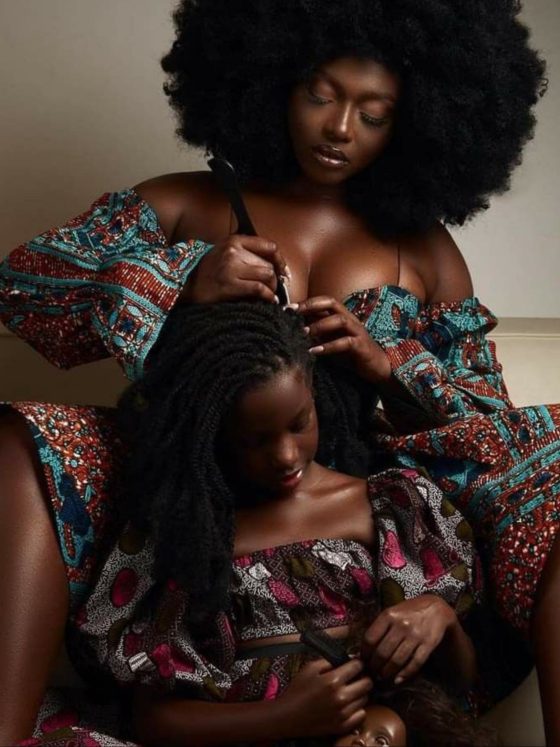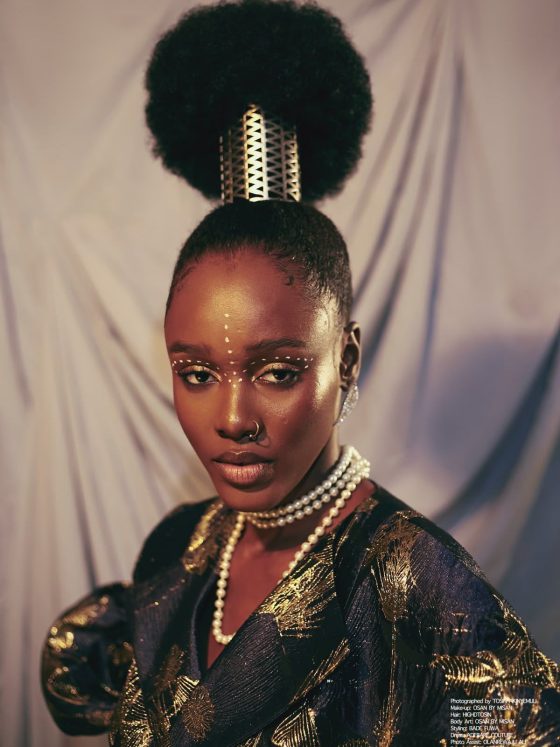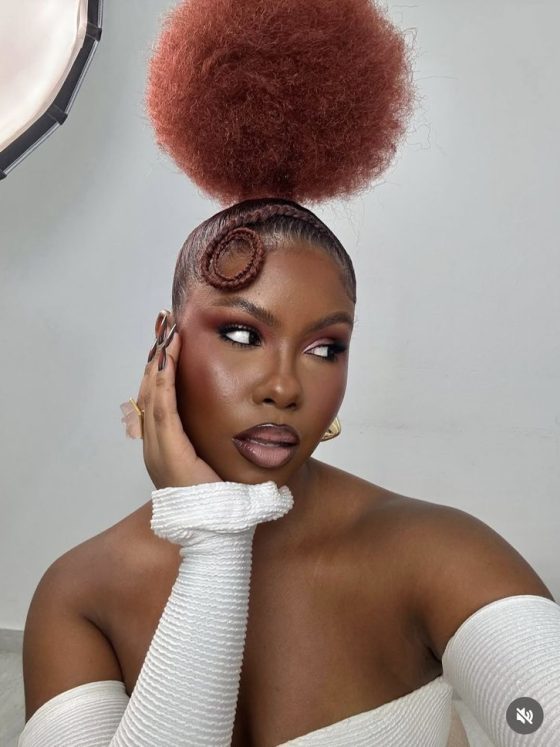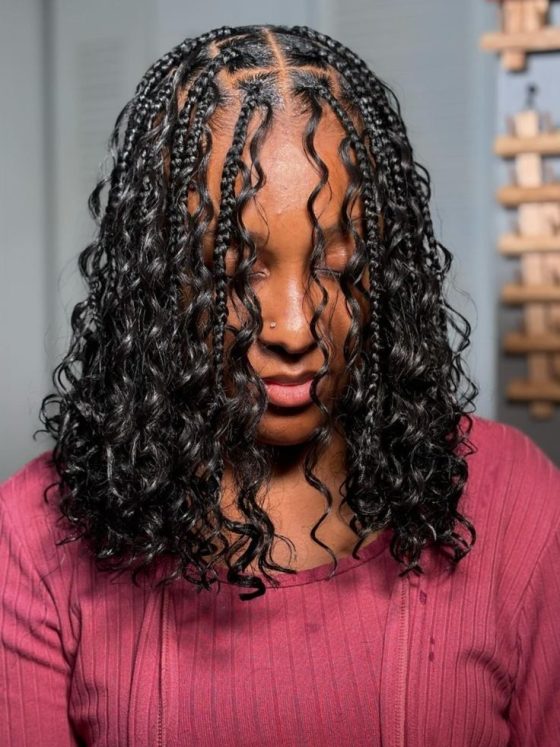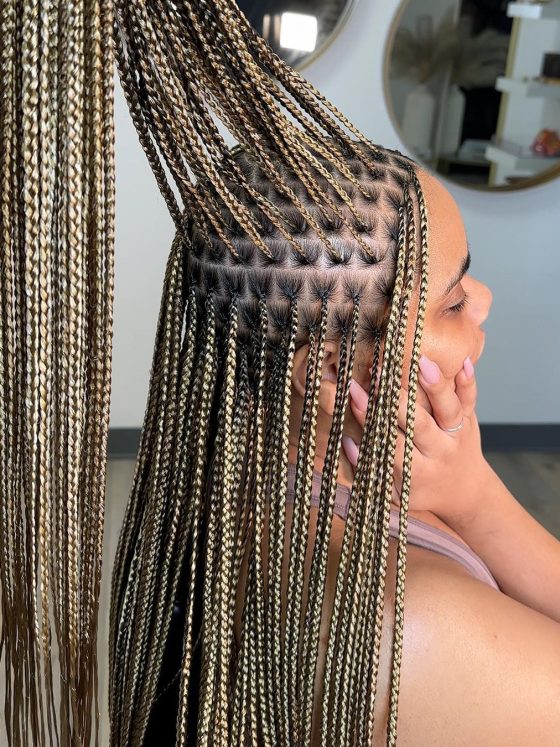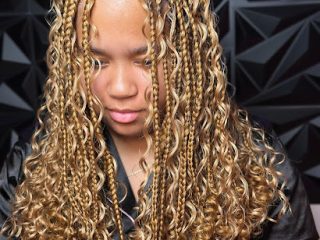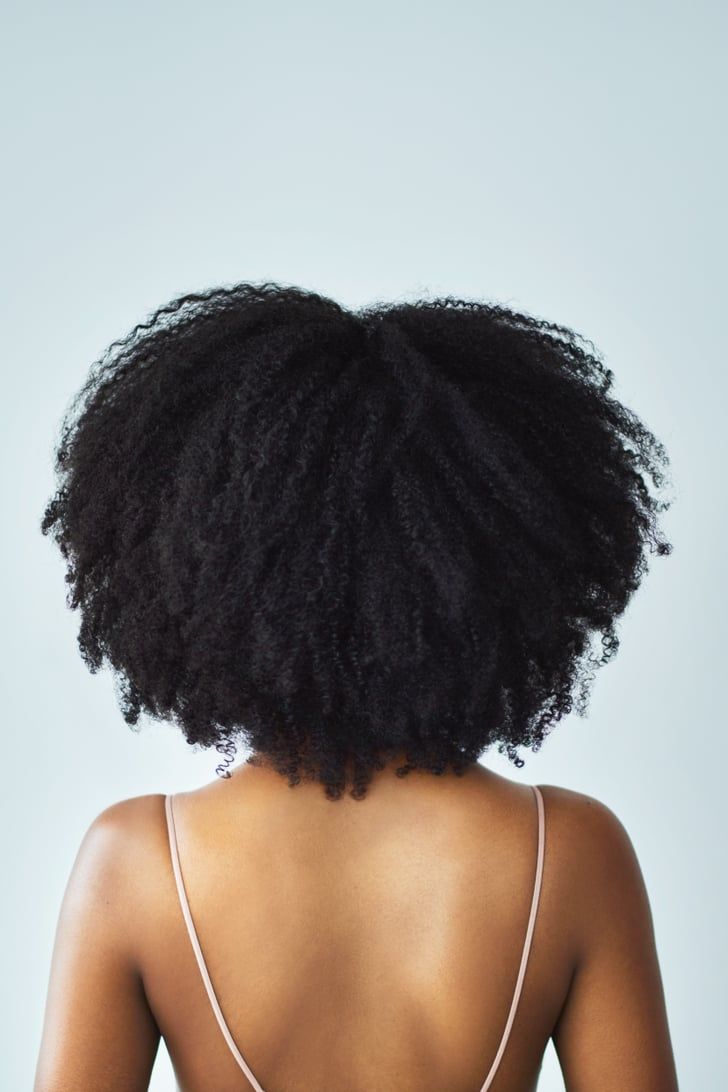
If you have ever watched someone’s expression change when a Black colleague steps into a conference room wearing an afro, braids, locs or twists, you’ve glimpsed a story that stretches far beyond hair. Natural hair in professional spaces is not just about aesthetics. It concerns identity, history, power, and belonging. In work settings across the world, people with afro-textured hair wrestle with questions that others rarely face: Am I taken seriously? Am I perceived as competent? Do I have to change my body’s natural expression to be accepted? These questions matter because they reveal how certain professional norms were shaped, whose comfort they serve, and the subtle ways culture governs what we consider “professional”.
Natural hair in professional settings reveals cultural bias, identity politics and the need for inclusive norms that respect history, dignity and diversity.
Why Natural Hair Became Political
Natural hair politics did not emerge by accident. For centuries, European colonisation and white supremacist norms made straight hair the unexamined standard of beauty and professionalism. Curly, coily, textured hair, especially on Black people, was constructed as “unruly” or “untidy” in contrast to Eurocentric ideals. This aesthetic hierarchy permeated workplace dress codes, grooming policies, and social expectations. Even when such rules did not explicitly target natural hair, their enforcement often did. What appears to be a matter of personal preference may be a shadow of cultural power.
What Research Shows
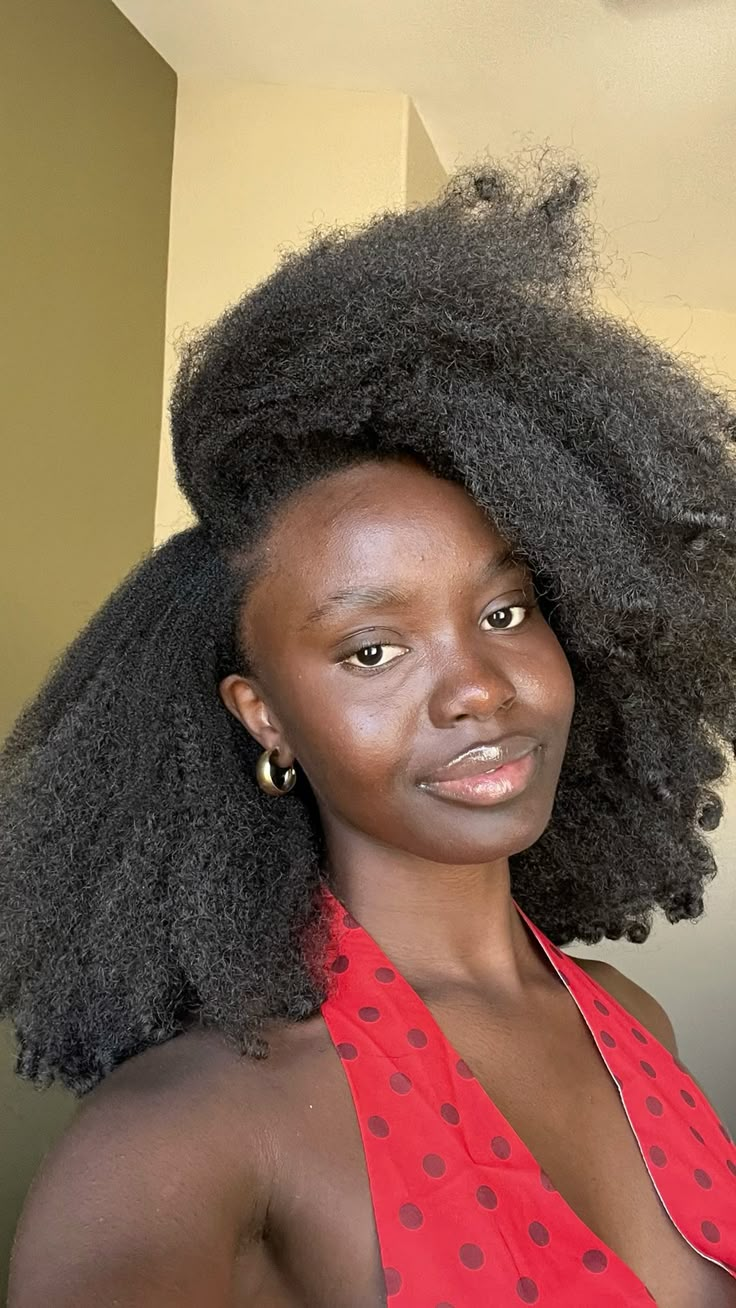
Academic and workplace studies are clear: natural hair affects perceptions in hiring and career advancement. Black women with natural hairstyles are often judged as less professional, less competent, and less “ready” for leadership roles compared with those whose hair is straightened or styled according to dominant norms. Hiring managers have been shown to recommend straightened candidates more frequently than otherwise identical candidates with natural hair. These biases tend to be stronger in industries with rigid dress norms and fewer diverse role models.
Such findings are not abstract. They translate into real disadvantages. People report being sent home from work, being advised to alter their hair to conform to a corporate image, or feeling they must change their natural hairstyle to secure a job interview. These pressures shape choices about self-presentation and send a quiet but powerful message about who belongs and who must adapt.
Grassroots and Legal Responses
In response to this bias, communities and legal advocates have mobilised. In the United States, the CROWN Act—“Create a Respectful and Open World for Natural Hair”—was introduced to recognise that discrimination based on hair texture and style constitutes a form of racial discrimination. It has been enacted in many states and aims to protect individuals in workplaces and schools from policies that penalise natural and protective hairstyles. Whether it will become federal law remains uncertain, but its momentum reflects a broader cultural shift.
These legislative efforts matter not only because they provide legal protection but also because they challenge the underlying assumption that professionalism entails conforming to a narrow set of aesthetics. They invite workplaces to rethink what competence entails when disentangled from familiar yet biased expectations.
RECOMMENDED:
The Personal and Cultural Stakes
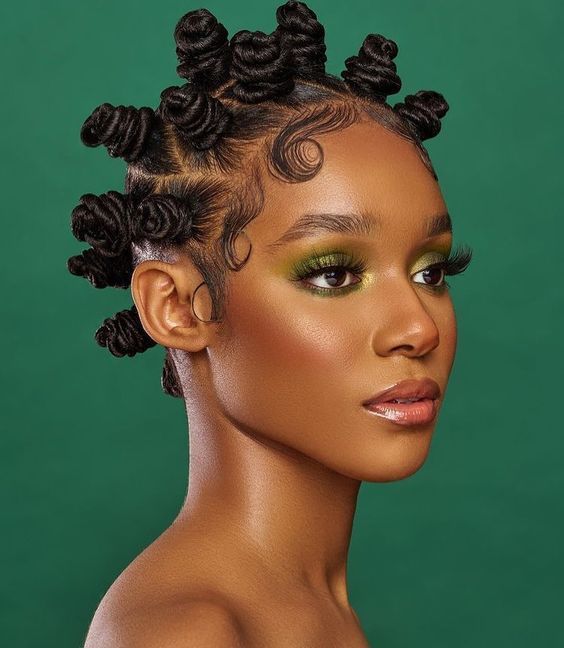
Hair carries meaning beyond the professional sphere. For many Afro-descended people worldwide, their hair is a form of cultural expression, a link to their ancestry, and a statement of self-respect. In the face of stereotypes that have long policed Black identity, choosing to wear natural hair can be an act of affirmation. This is why discussions about hair are never only about hair—they are about dignity, belonging, and autonomy.
In places such as Nigeria and across the African diaspora, natural hair is not only a cultural practice but also a living part of fashion, media, and lifestyle. Its presence in professional settings can signal inclusivity and shape perceptions of professionalism among global audiences. By normalising diverse hair in offices and boardrooms, societies reflect a deeper acceptance of multiple forms of beauty and competence.
What It Means for Workplaces
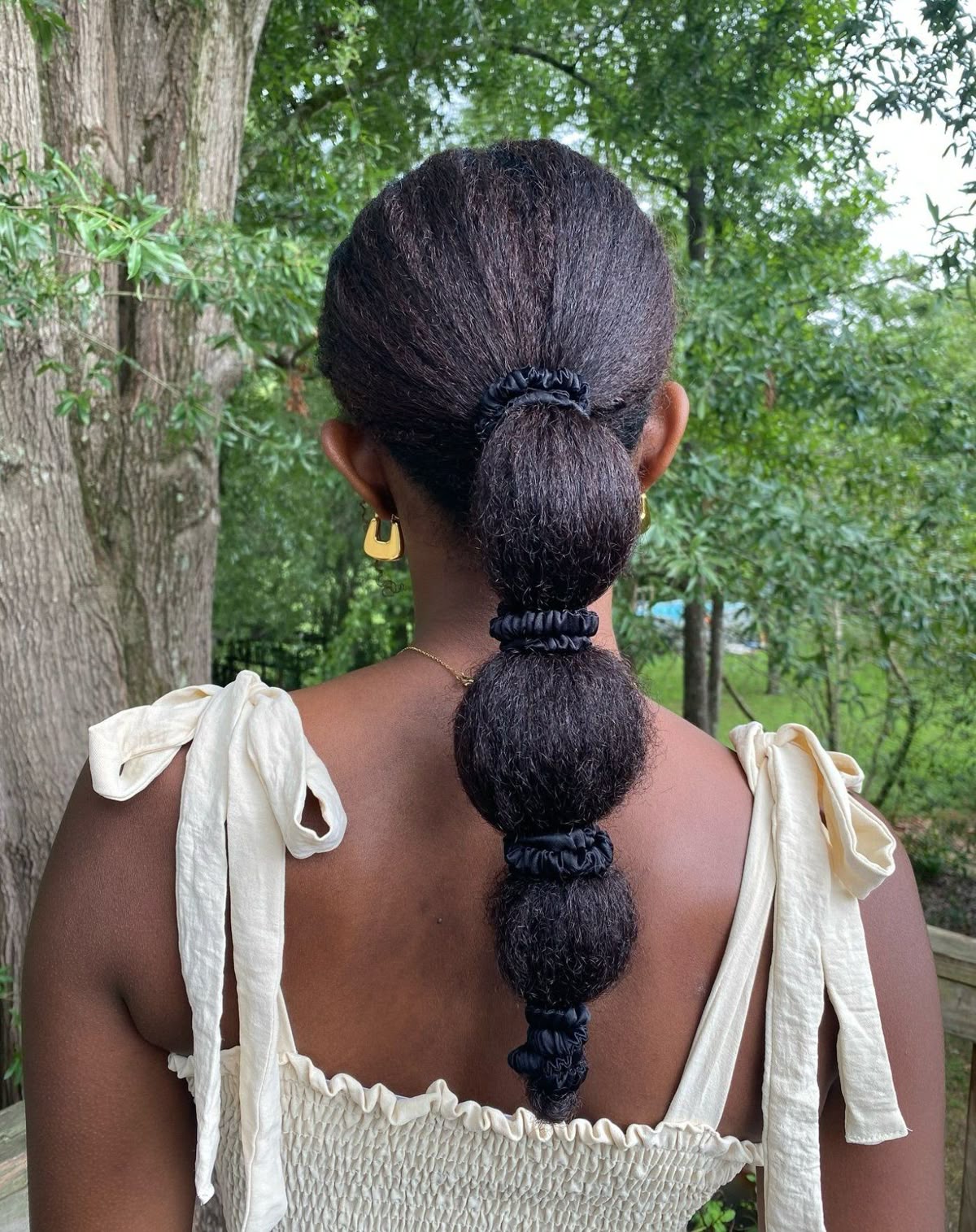
Organisations that genuinely value diversity, equity, and inclusion must look beyond surface policies toward culture. Inclusive hair policies are a starting point, but true inclusion requires training, representation, and an understanding that bias operates at both conscious and unconscious levels. It means creating environments in which people are not compelled to alter their natural expression to succeed.
This is why the politics of hair matters: it shows how identity and culture intersect with labour markets and social norms. They remind us that professionalism is not a neutral category but one shaped by histories and power relations that continue to evolve.
Conclusion
The politics of natural hair in professional spaces is not a niche or cosmetic issue. It is a lens through which we can see deep cultural patterns, the standards we uphold, the identities we centre, and what it truly means to belong in the workplace. Natural hair challenges workplaces to expand their definitions of professionalism, to untangle aesthetic bias from actual job performance, and to recognise that respecting diverse hair is part of building cultures where everyone can thrive authentically.
Find your next signature look — browse Hair & Hairstyle on OmirenStyles now.
5 FAQs
- What does “natural hair” mean in professional contexts?
Natural hair refers to hair in its unaltered or minimally altered state, including curls, coils, locs, braids and other styles rooted in cultural expression. It is often contrasted with chemically straightened styles.
- Why does natural hair sometimes get judged as unprofessional?
Bias against natural hair is tied to historical Eurocentric beauty standards that equate straight hair with neatness. These norms were embedded in professional expectations and persist in some industries.
- Can wearing natural hair affect job opportunities?
Research indicates that individuals with natural hairstyles are sometimes perceived as less professional or less hireable, particularly in industries with rigid appearance norms, which can influence hiring and advancement.
- What is the CROWN Act, and how does it help?
The CROWN Act is legislation that prohibits discrimination on the basis of hair texture and hairstyles associated with race. It has been enacted in many states and aims to protect against hair-based discrimination in work and school settings.
- Why does this topic matter beyond hairstyle?
Because hair is tied to identity and belonging, its treatment in professional spaces reveals deeper cultural biases. Addressing these helps build workplaces that respect diversity and allow individuals to succeed without compromising who they are.