For generations, the Moroccan caftan existed within clearly defined boundaries. It was worn for weddings, royal ceremonies, religious festivals, and formal milestones. Its presence signalled importance. Its absence from everyday life was intentional. The caftan was not intended for general circulation; it was reserved.
What is happening now across Morocco is not a revival of the caftan, but a restructuring of its role. Designers, tailors, and ateliers in cities like Marrakech and Casablanca are quietly reworking the garment’s place in contemporary life. The goal is not to modernise the caftan beyond recognition, but to return it to use — to transform it from an object of occasion into an expression of everyday luxury.
This shift is subtle, deliberate, and collective.
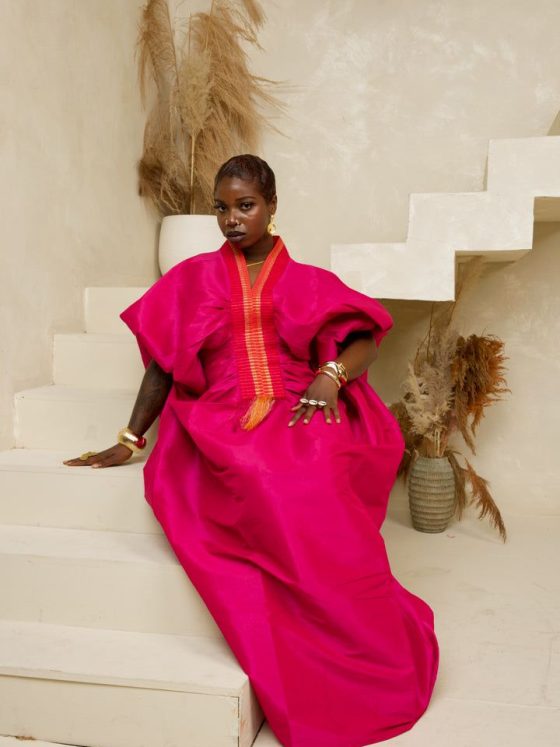
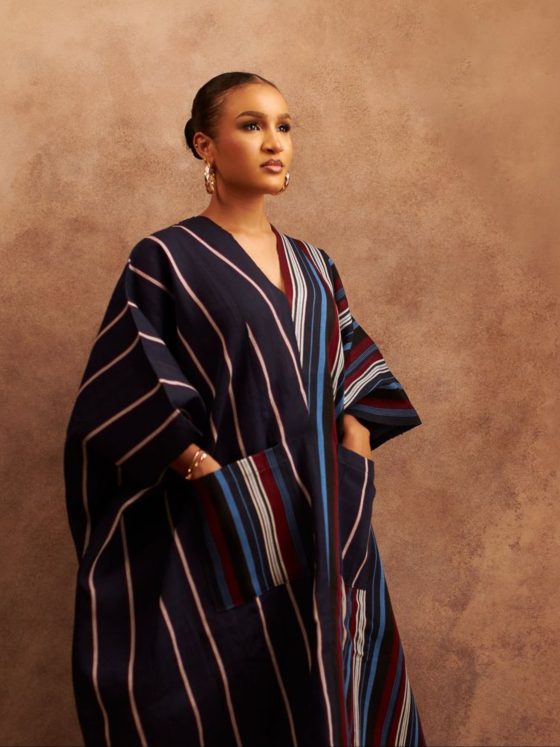
Morocco’s iconic caftan is being reimagined for everyday luxury, blending heritage craftsmanship with modern, wearable silhouettes.
From Ceremony to Circulation
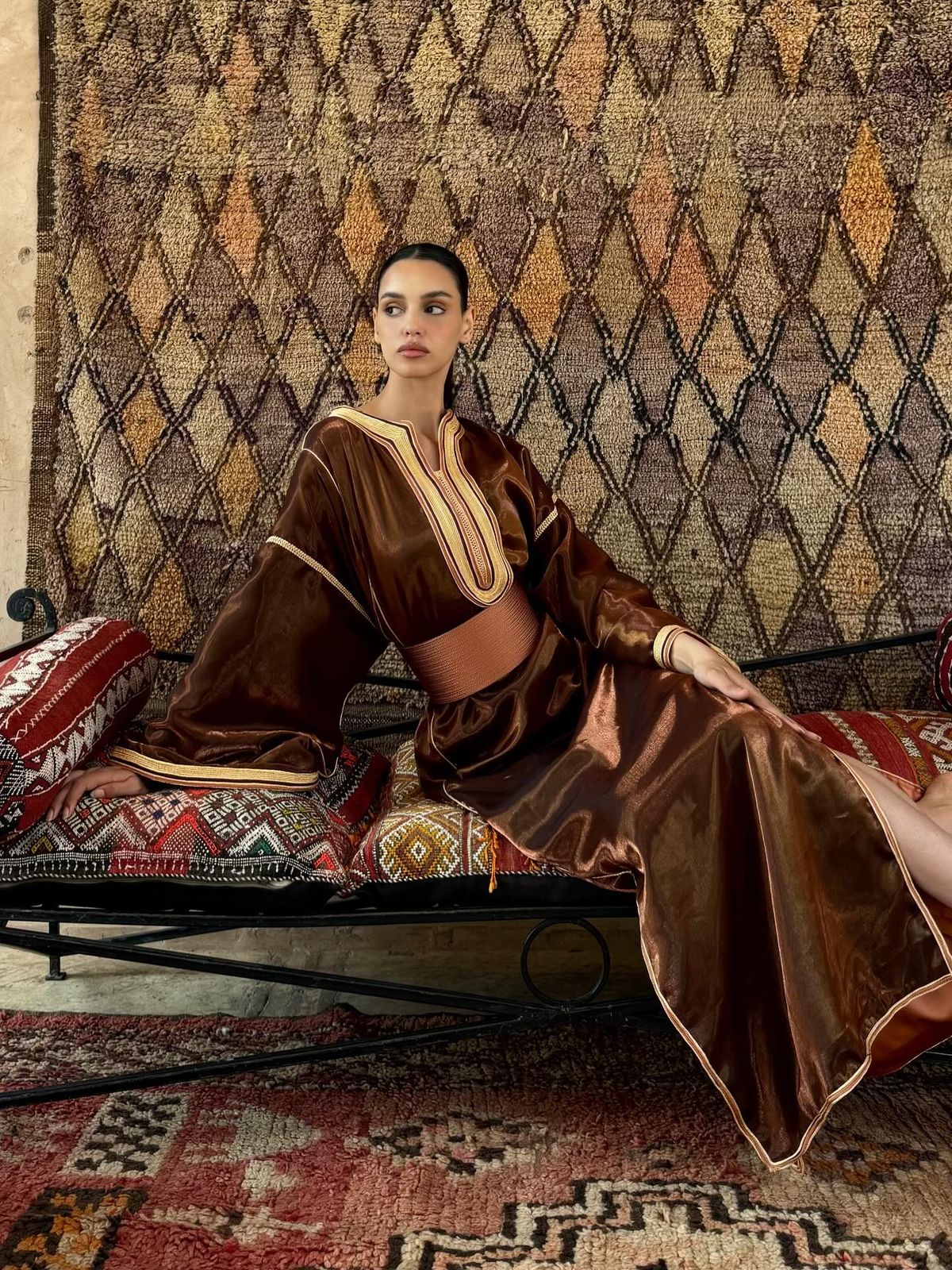
The traditional caftan was designed for spectacle. Heavy fabrics, dense embroidery, layered belts, and rigid construction reinforced its ceremonial function. Contemporary Moroccan fashion is approaching the garment from a different starting point: wearability.
Rather than stripping the caftan of meaning, ateliers are editing it. Fabrics are lighter. Proportions are adjusted. Ornamentation is applied selectively rather than generously. The emphasis moves from surface decoration to structure and cut.
In this new context, the caftan is a garment that can be worn repeatedly rather than preserved indefinitely. It enters daily wardrobes without losing its cultural authority.
The Role of Ateliers and Tailoring Houses
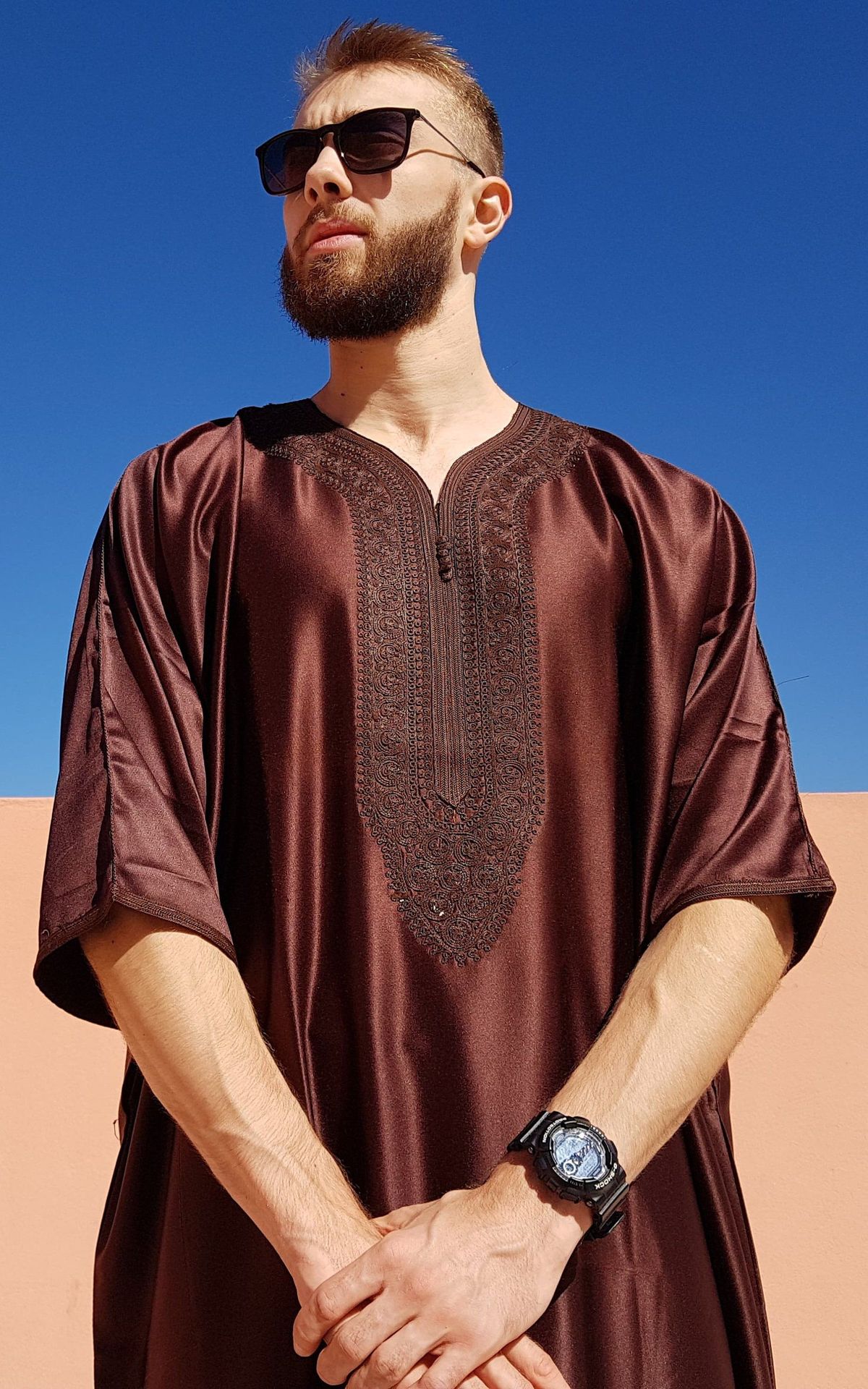
A single designer or brand is not driving this transformation. It is the result of a broader ecosystem.
In Marrakech, small ateliers experiment with silhouette and proportion, pushing the caftan toward relaxed elegance. In Casablanca, long-established tailoring houses refine construction, adapting traditional sewing techniques to contemporary expectations of comfort and movement.
Techniques such as sfifa embroidery, hand finishing, and traditional seam work remain central, but they are applied with restraint. Craft is no longer the loudest element of the garment; it is the foundation.
This approach allows Moroccan sewing traditions to remain economically viable without becoming ornamental relics.
Everyday Luxury as a Design Philosophy
The modern Moroccan caftan aligns closely with the idea of everyday luxury, garments that feel elevated without being precious.
Today’s caftans are worn to galleries, dinners, offices, and informal gatherings. This shift reflects a broader change in how luxury is understood. Status is no longer expressed solely through exclusivity, but through integration.
By re-entering daily life, the caftan regains relevance. It becomes a lived garment rather than a symbolic one.
Gender, Body, and the Contemporary Silhouette
Another quiet transformation within the caftan’s evolution is its movement beyond rigid gender classifications.
While historically associated with women’s ceremonial wear, the captain’s structure has always been adaptable. Contemporary interpretations make that flexibility visible. Many modern caftans are designed with unisex proportions, prioritising movement, balance, and comfort over gendered detailing.
This shift is not framed as a trend or statement. It is practical and culturally grounded. The garment responds to the body rather than defining it.
UNESCO Recognition and the Risk of Preservation
The inscription of the Moroccan caftan on UNESCO’s Intangible Cultural Heritage list formally acknowledges its cultural importance. It also introduces complexity.
Heritage recognition often encourages preservation over evolution. The risk is that tradition becomes frozen, admired but no longer worn.
Moroccan fashion’s current direction resists that outcome. By adapting the caftan for contemporary life, ateliers ensure that the garment remains commissioned, produced, and worn. Continuity, in this case, depends on change.
Casablanca and Marrakech as Complementary Centres
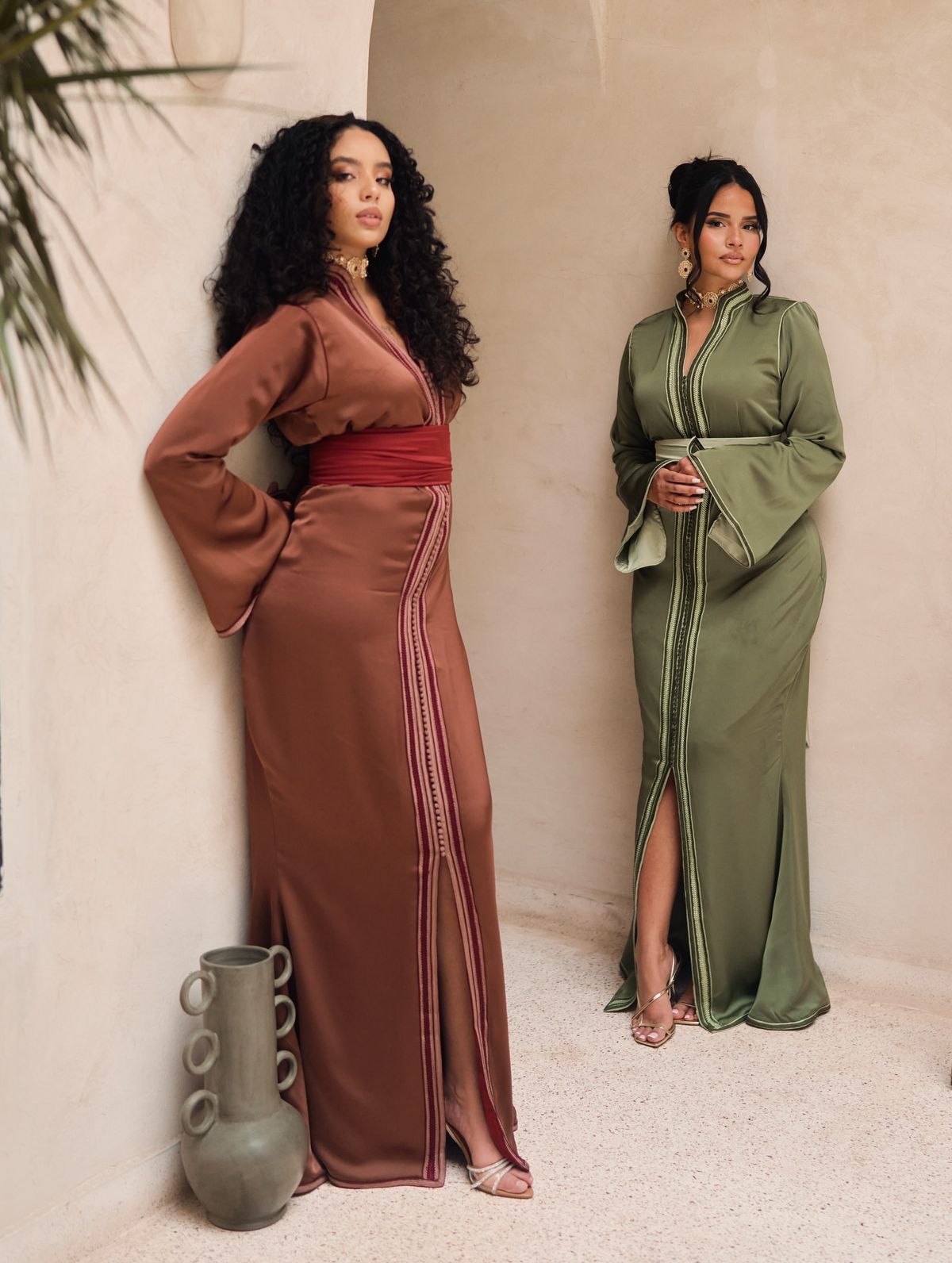
The caftan’s transformation is shaped by the dialogue between Morocco’s fashion cities.
Marrakech serves as a site of experimentation, where designers and ateliers explore new forms and contexts for heritage garments. Casablanca functions as a centre for refinement and scalability, translating these ideas into garments that can reach a wider audience.
Together, they form a system in which tradition and modernity are not in opposition but in conversation.
Why the Caftan Resonates Now
The renewed relevance of the caftan coincides with a global shift in fashion toward longevity, versatility, and cultural specificity. As audiences grow increasingly sceptical of novelty-driven fashion, garments that carry embedded history gain renewed appeal.
The caftan offers depth without excess. Its authority comes from continuity rather than reinvention. It does not need to announce itself as modern; it simply adapts.
In an industry facing environmental and creative exhaustion, this kind of quiet evolution feels timely.
RELATED ARTICLES:
- When Style Becomes Language: Africa’s New Fashion Movements
- Woven Earth: Indigenous Style as Identity and Resistance
A Garment Reclaimed Through Use
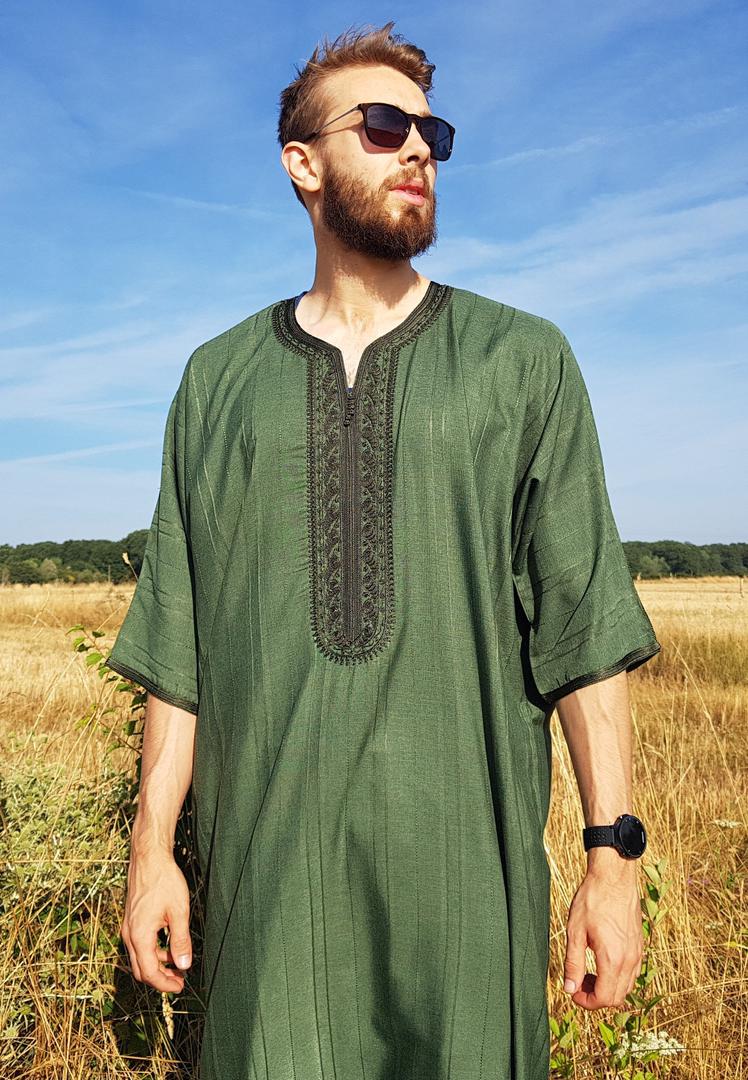
What distinguishes Morocco’s caftan renaissance is its refusal to treat heritage as performance. The garment is not staged for visibility. It is worn.
By returning the caftan to everyday circulation, Moroccan fashion restores its original purpose: to clothe, to express, to endure. Tradition survives not because it is protected, but because it remains useful.
The caftan’s future, it turns out, lies not in preservation alone, but in participation.
Experience the finer side of life — explore Luxury Living on OmirenStyles now.
Frequently Asked Questions
- What is a Moroccan caftan?
A Moroccan caftan is a traditional garment known for its craftsmanship, embroidery, and ceremonial significance.
- How is the caftan being modernised today?
This modernisation is achieved through the use of lighter fabrics, refined cuts, and designs that are suitable for everyday wear.
- Do men and women wear the modern caftan?
Yes. Many contemporary caftans are designed with unisex or body-inclusive silhouettes.
- Why did UNESCO recognise the Moroccan caftans?
UNESCO recognised the Moroccan caftan due to its cultural significance, traditional craftsmanship, and historical continuity.
- Where is modern caftan fashion produced?
Primarily in Marrakech and Casablanca through ateliers and tailoring houses.