Beading has long occupied a complex space in fashion. It is often admired for its beauty, yet rarely examined for the skill and structure behind it. In modern couture, beading is no longer treated as surface decoration. It functions as construction, storytelling, and technical mastery.
Today’s couture audience values craft that carries meaning without explanation. Indigenous beading techniques meet that expectation. They rely on precision, patience, and deep material knowledge. When applied thoughtfully, these methods align naturally with couture’s core principles: handwork, originality, and time-intensive creation.
This article examines how indigenous beading operates within contemporary couture. It examines technique, adaptation, and influence, while grounding the conversation in how fashion works today.
Indigenous beading in modern couture is explained through technique, designers, and why hand-crafted beadwork still defines luxury fashion.
What Defines Indigenous Beading Techniques
Indigenous beading is defined by process rather than symbolism. It involves hand placement of beads through practice, not instruction manuals. The work demands control of tension, spacing, and durability. Each bead is positioned to serve a function, not just an appearance.
Materials vary, including glass beads, shells, stones, metal, and hand-dyed threads. The choice of material affects weight, movement, and wearability. In couture terms, this makes beading a structural element. It can shape garments, reinforce seams, or replace fabric altogether.
What separates indigenous beading from mass embellishment is time. These techniques cannot be rushed. The hours invested are visible in the finish, which is why they meet couture standards without needing justification.
How Beading Entered Contemporary Couture
As couture evolved, designers began searching for techniques that offered depth rather than novelty. Indigenous beading provided that depth. Instead of repeating embroidery traditions already familiar to European ateliers, designers looked toward methods that allowed new forms of expression.
In modern couture, beading is often stripped of excess patterning. Designers focus on placement, rhythm, and restraint. Beads may appear clustered, sparse, or integrated into fabric structures. This shift allowed beading to exist within modern silhouettes without overwhelming them.
The result is couture that feels current while remaining grounded in hand skill.
Designers Known for Beading in Modern Couture
1. Lisa Folawiyo (Nigeria)
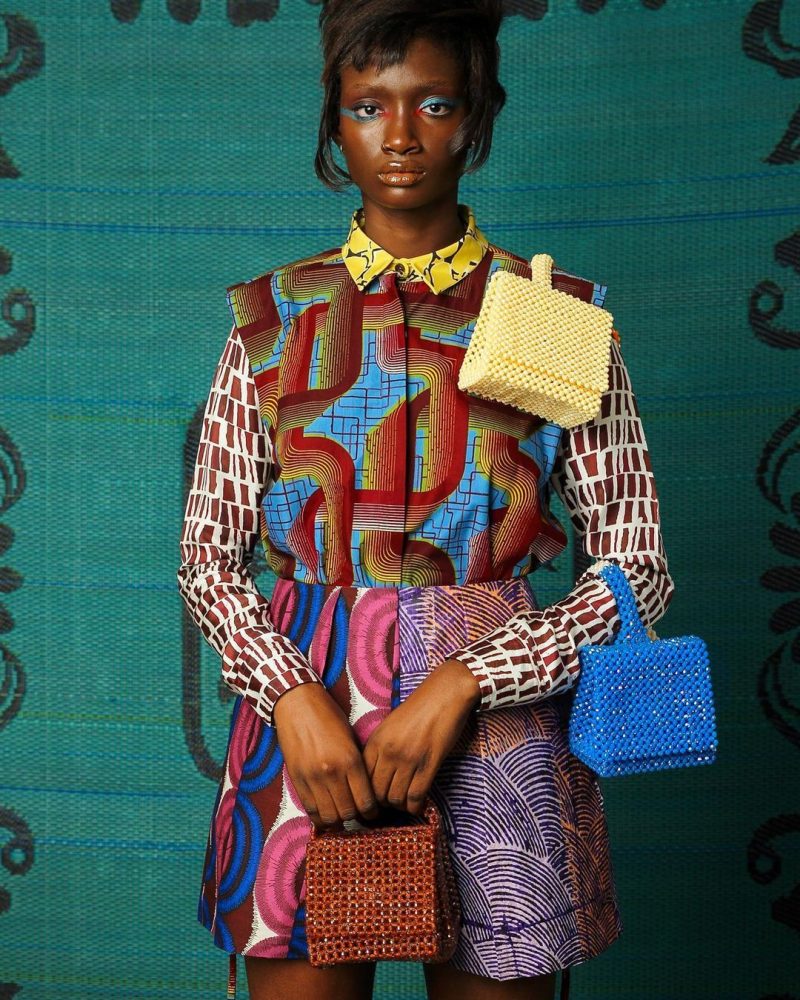
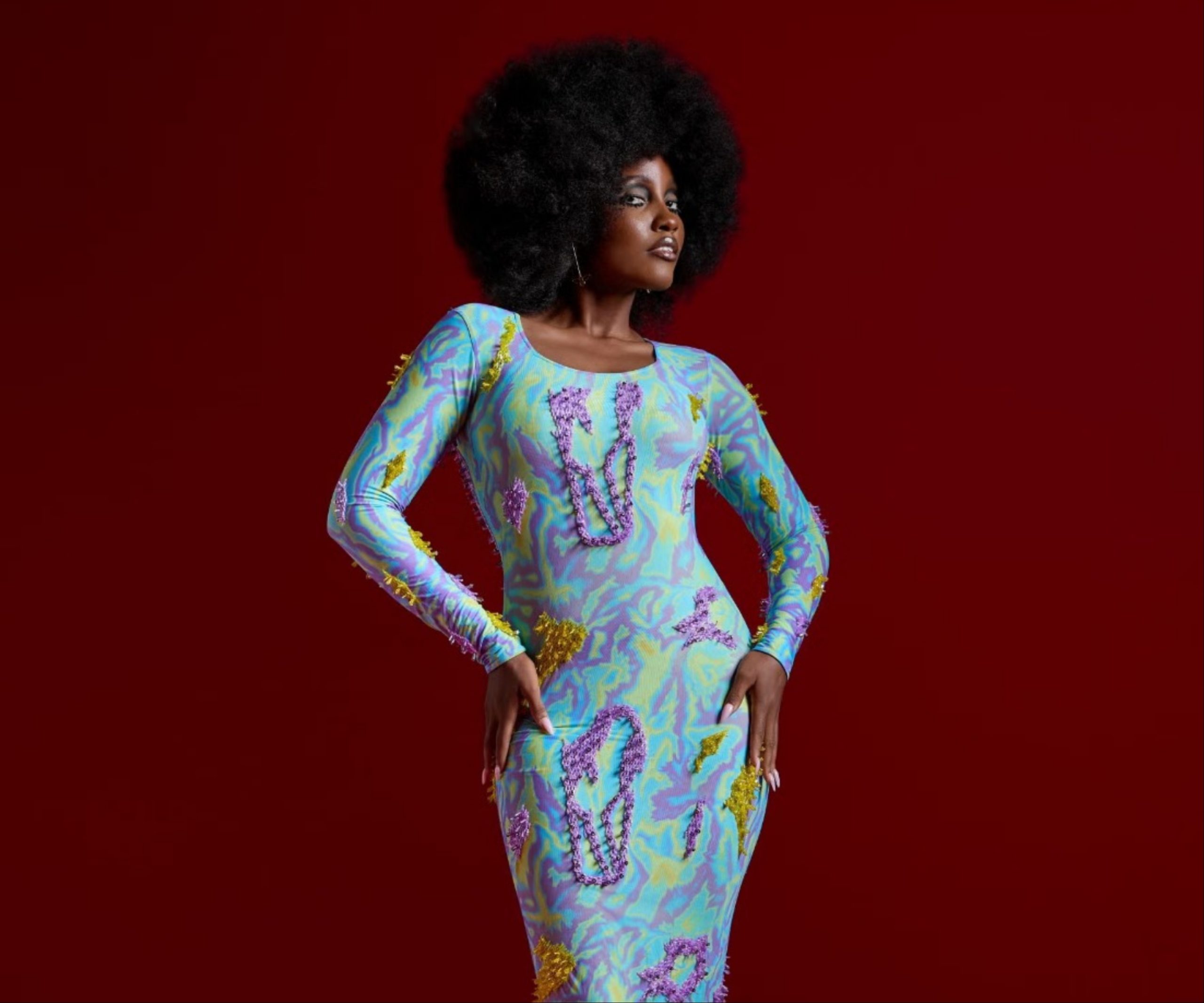
Lisa Folawiyo is widely recognised for incorporating intricate beads and embellishments, which are central to her design language. Her label Jewel by Lisa elevates Ankara textiles with carefully placed beads and sequins, turning everyday prints into couture-level garments. This emphasis on hand-embellishment has become a defining feature of her aesthetic and contributed significantly to her global reputation.
2. Esé Azénabor-Grembowski (Nigeria/Canada)

Esé Azénabor’s couture work frequently features elaborate hand-beading, crystals, pearls, and stone appliqué. Her bridal and eveningwear collections rely on this detailed beadwork as a central element of their construction and visual identity, not merely decoration. Her gowns showcase how beadwork can serve both structural and ornamental purposes at the highest levels of couture.
3. Modela Couture (Nigeria)

Modela Couture has made a name for itself through collections that prominently feature hand-arranged beads as part of design storytelling, such as beaded ensembles inspired by historic and cultural motifs. Fashion weeks and events have showcased these collections, which use beadwork as a primary element rather than a surface embellishment.
4. Kanyinsola Onalaja (UK / Nigeria)

Featured by the Black in Fashion Council during New York Fashion Week, Kanyinsola Onalaja’s garments integrate hand-embroidered beadwork with deliberate attention to placement, colour, and technique. Her pieces can take multiple weeks to complete, showing beadwork as a central, labour-intensive practice rather than an afterthought and reinforcing its creative weight in couture contexts.
5. Modern Natured (Emma Okyere – Ghana / Netherlands / USA)

The fashion label Modern Natured has specifically built collections around beaded couture techniques, using traditional beads and collaborating with local artisans to create luxury garments and statement pieces. Their collections, showcased at Miami Swim Week and Paris Fashion Week, blend recycled glass beads and handcrafted bead structures into wearable fashion, emphasising beading as a core construction method.
Indigenous Beading Within Global Couture Houses
Global couture houses have increasingly drawn inspiration from indigenous beading techniques. This influence appears in surface texture, garment weight, and hand-finishing methods.
Some houses collaborate directly with artisans, integrating traditional beadwork into couture collections while maintaining transparency around labour and authorship. Others adapt techniques internally, using indigenous methods as reference points for new embellishment systems.
The difference matters. Responsible collaboration respects both techniques and labour. It treats beadwork as expertise rather than aesthetic borrowing. As audiences become more informed, couture houses are expected to acknowledge the origins of the skills they rely on.
This expectation has reshaped how luxury approaches craft.
Craft, Labour, and the Economics of Beaded Couture
Beaded couture challenges modern fashion timelines. A single garment can require weeks of concentrated work. This labour carries costs— both financial and human.
In couture, that cost is justified through value. Beaded pieces last longer, wear differently, and hold presence. They resist disposability. For artisans, their existence creates an opportunity for sustained practice rather than seasonal output.
The conversation around labour has shifted fashion’s understanding of luxury. Craft is no longer invisible. It is central to the garment’s worth.
Why Beading Resonates With Today’s Fashion Audience
Modern consumers respond to fashion that feels considered. Beaded couture offers that feeling through texture and individuality. No two hand-beaded garments are identical. This uniqueness aligns with a growing desire for personal connection to clothing.
Beading also slows the fashion experience. It asks the wearer to notice detail, weight, and movement. In a culture driven by speed, this pause has value.
The couture houses recognise this shift. Beading remains relevant because it delivers what technology cannot replicate.
The Future of Beading in Couture
Innovation in beaded couture focuses on material experimentation and the evolution of techniques. Designers explore lighter beads, unconventional placements, and hybrid construction methods. These developments ensure beading remains adaptable rather than fixed.
Preservation happens through use. When indigenous techniques continue to appear in modern contexts, they stay alive. Couture provides a platform where tradition and innovation can coexist without dilution.
Beading’s future lies in thoughtful practice, not repetition.
Conclusion
Indigenous beading holds a secure place in modern couture because it meets fashion’s highest demands. It requires skill, patience, and vision. When designers treat it as a craft rather than a symbol, the results speak clearly.
In couture today, beading is not a reference. It is a working language.
Explore more stories that look beyond trends and into how style is built on OMIREN Styles.
Frequently Asked Questions
- What makes indigenous beading suitable for couture?
Its precision, durability, and hand-executed process align directly with couture standards.
- How is beading adapted for modern silhouettes?
Designers adjust scale, placement, and material weight to support contemporary forms.
- Do global fashion houses use indigenous beading techniques?
Yes, through both collaboration and internal adaptation, with growing emphasis on transparency.
- Why does beaded couture remain relevant today?
It offers individuality, craftsmanship, and longevity in a fast-paced fashion culture.
- Can indigenous beading evolve without losing integrity?
Yes. Evolution through thoughtful use keeps techniques active and respected.