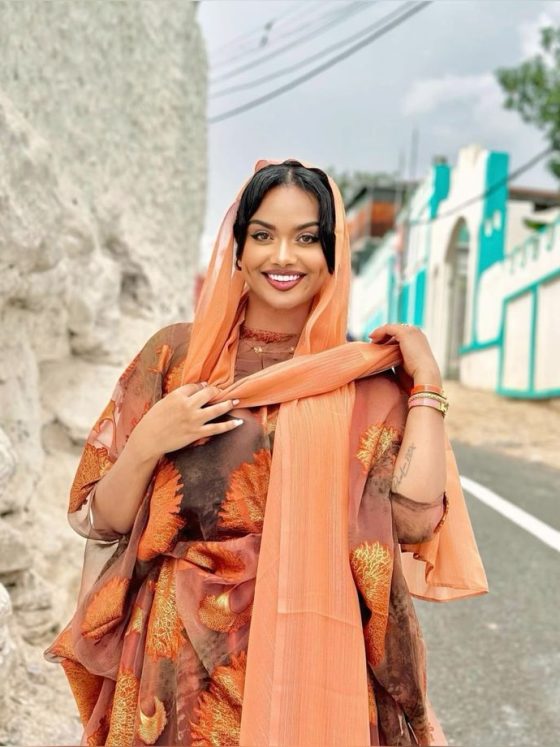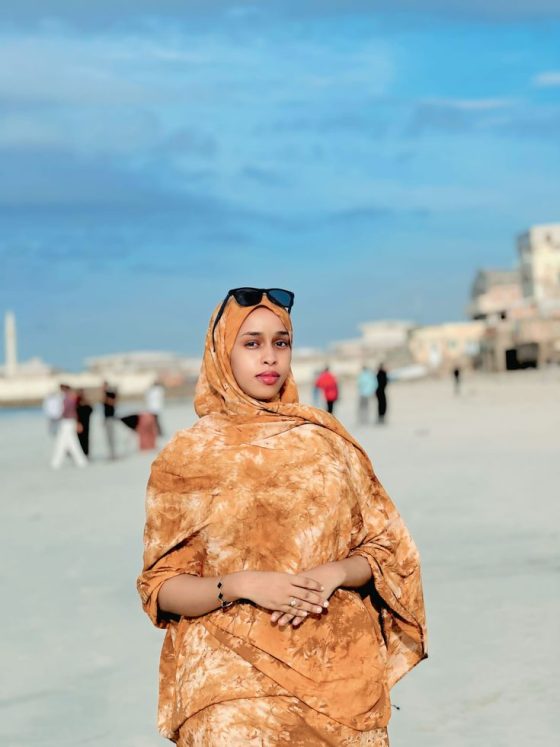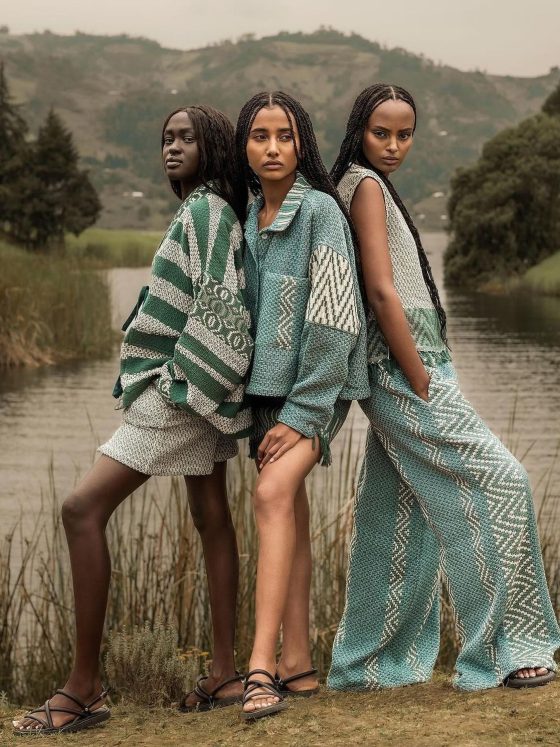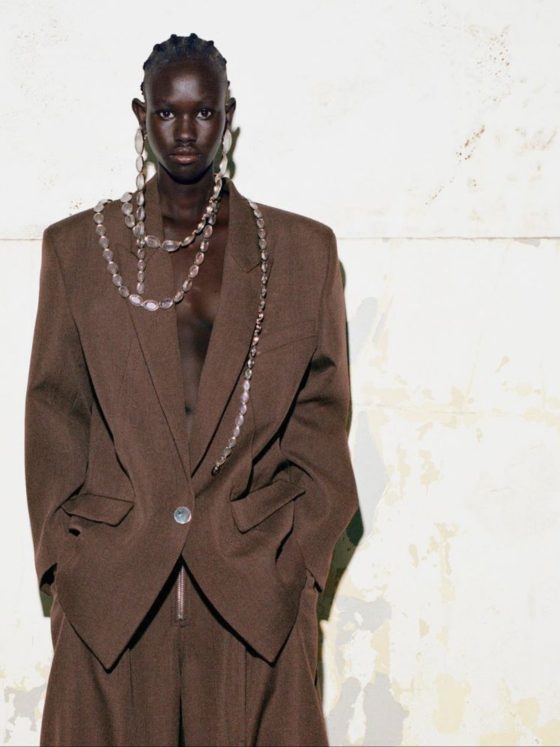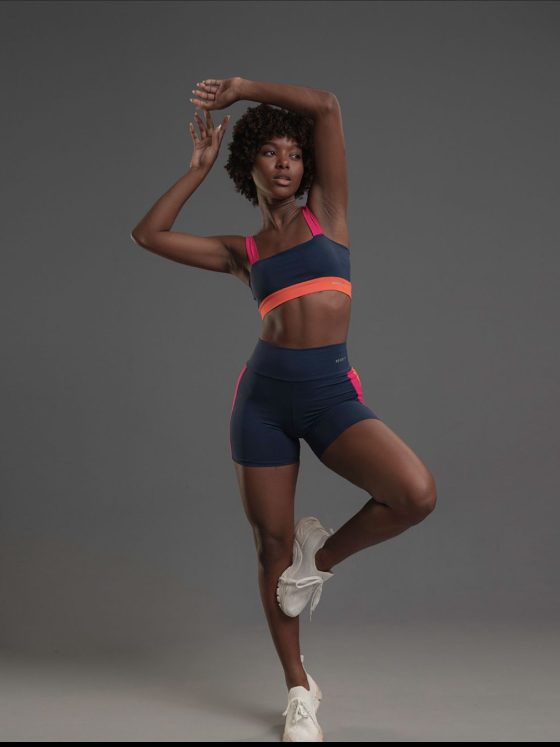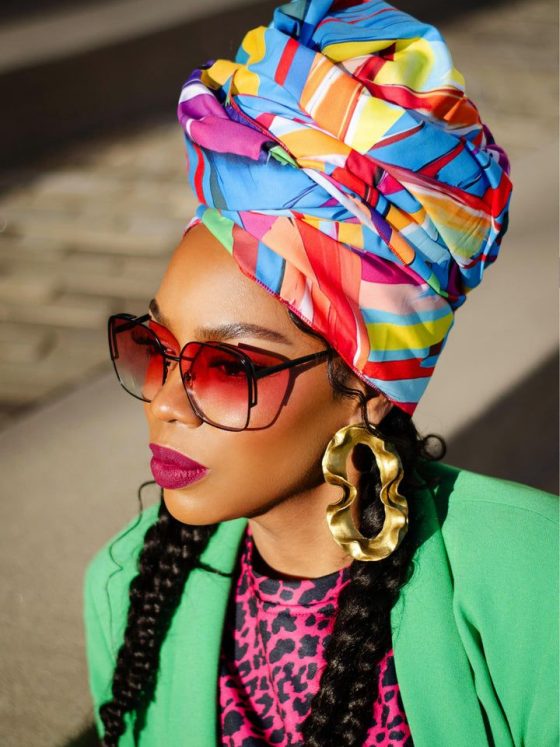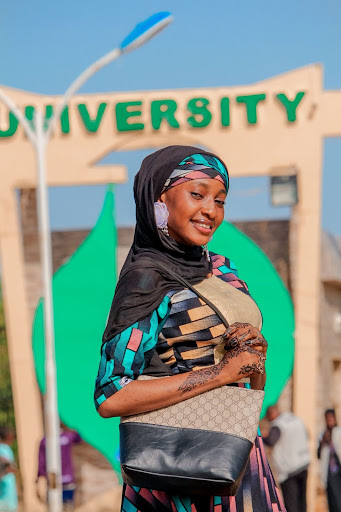
I started noticing this powerful transition in Cairo on a beautiful afternoon, when the heat pressed low against the pavement, and the air smelled faintly of dust and roasted peanuts. A group of young, attractive women passed me laughing, their hijabs wrapped high and sculptural, sneakers bright against flowing skirts, and oversized sunglasses catching the sun. Nothing about the scene felt restrained.
It felt electric. This is a British garment with an Afro-Arab appearance
Also, in Kano, I saw the same energy: young men in tailored kaftan tops worn over denim, women pairing abayas with streetwear bags and chunky jewellery, and confidence radiating through both fabric and posture. This wasn’t modest fashion but quiet compliance. The result was the emergence of modest fashion as a movement.
I witnessed the same thing in the city of Agadez, where I saw a young man rushing toward a mosque, his head fully covered by a turban, well-dressed in a loose jallabiya, yet wearing sneakers. This is a practical fashion transformation in Afro-arab cities.
As a journalist who has spent years documenting Arabian and African fashion, lifestyle, traditions, and identity, I have come to understand that clothing rarely changes without carrying social meaning. What is happening now across Afro-Arab cities is not a trend; it is a generational shift. A redefinition of what it means to be stylish, faithful, modern, and rooted at the same time.
In this article, you will learn:
- How modest fashion moved from tradition to street culture
- Why Afro-Arab youth are reshaping global style narratives
- How cities like Casablanca, Cairo, Khartoum, Kano, and Dubai became laboratories of cultural expression
This is the story of how hijabs went from niche to mainstream and rewrote fashion history.
Discover how Afro-Arab youth in Cairo, Lagos, Khartoum, and Dubai are transforming hijabs, abayas, and kaftans into bold street-style fashion statements.
How the Revolution Took Shape in Afro-Arab Cities
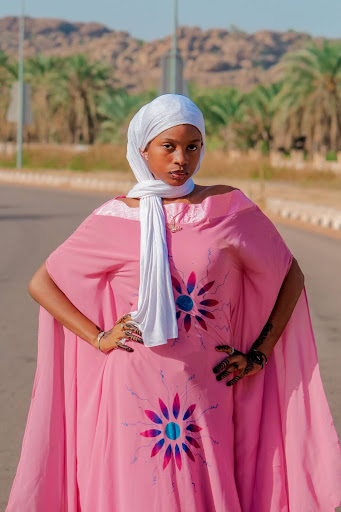
From Sacred Garments to Social Language
For centuries, modest clothing across Arabia and Africa served spiritual, climatic, and cultural functions. Loose silhouettes protected against heat and dust—covered forms aligned with religious values. Dress was reverent, functional, and restrained.
But fashion never remains static.
In Cairo’s Sayeda Zeinab district, I met Fatima El-Hadary, a third-generation textile merchant. Standing among bolts of cotton and crepe, she reflected:
“My grandmother sold plain black abayas. My mother added embroidery. My customers now ask for cuts, colours, and attitude. The faith remains, but the language has changed.”
Across Afro-Arab cities, garments such as the hijab, abaya, kaftan, jalabiya, and thobe began to shed their exclusively ceremonial or religious framing. Young people adopted them not just as spiritual garments but as tools of storytelling, reshaped through tailoring, layering, and styling.
This evolution didn’t dilute meaning. It expanded it.
In Northern Nigeria, kaftans once reserved for scholars and elders now appear in urban youth culture, shortened, textured, and paired with sneakers. In Sudan, toub wraps blend traditional draping with contemporary prints. In Morocco, women fold hijabs into turban styles that echo Andalusian heritage while speaking to global street aesthetics.
The sacred became stylish, without surrendering its soul.
Markets, Universities, and the Rise of Everyday Runways
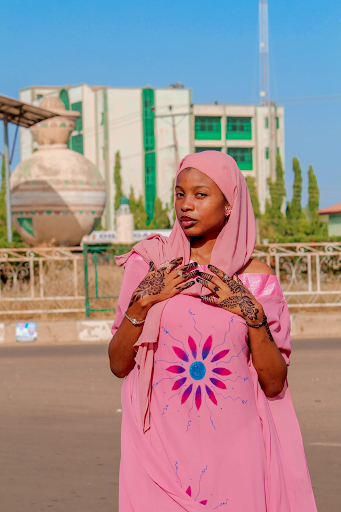
Fashion revolutions rarely begin on runways. They start in streets, schools, and markets, and Afro-Arab modest streetwear is no exception.
In Casablanca’s Habous Quarter, tailors stitch beside fruit vendors. In Kano’s Wambai, campus sidewalks double as fashion parades. In Khartoum, cafés become galleries of personal style. These spaces became laboratories of experimentation.
I met Hassan, a 22-year-old fashion student in Kano, Nigeria, adjusting the cuffs of his wide-sleeved kaftan top over black denim.
“My father wears kaftans to the mosque. I wear them to class. It’s the same garment, different energy.”
In Dubai’s Al Fahidi district, young women blend abayas with high-top sneakers, oversized sunglasses, and sculptural handbags. The contrast feels intentional: tradition meeting tempo—elegance meeting motion.
Street style did what luxury brands could not: it democratised modest fashion, shifting it from formal to functional, from ceremonial to conversational.
Here, modest dressing became less about covering and more about claiming space.
Digital Diaspora and the New Modesty Aesthetic
Social media accelerated what streets began.
From London to Lagos, Toronto to Tangier, Afro-Arab diaspora communities became curators of a new modest fashion visual language. Instagram feeds transformed hijabs into canvases. TikTok turned abayas into styling statements. Pinterest boards remixed kaftans into global silhouettes.
In Dubai, I met influencer and stylist Aisha Al-Mansouri during a pop-up fashion event. Between fittings, she told me:
“My audience isn’t just Muslim. It’s anyone who wants elegance without exposure. Modesty now belongs to everyone.”
Diaspora communities, especially in Europe and North America, began layering Afro-Arab garments with Western streetwear, creating hybrid styles that travelled digitally back to Africa and the Middle East. What once moved through trade caravans now moved through algorithms.
Sudanese wraps met London tailoring. Moroccan kaftans met Parisian minimalism. Nigerian embroidery met New York street silhouettes.
Modest fashion stopped being regional. It became a global language.
Faith, Power, and the Politics of Visibility
There is a deeper reason modest fashion resonates so strongly with young Afro-Arab generations: it allows visibility without vulnerability. Power without exposure. Expression without surrender.
In Cairo, I spoke with Salma, a sociology graduate student, as she adjusted her layered hijab in a coffee shop filled with laptops and conversation.
“People assume modesty means silence. But I feel louder dressed this way. My clothes speak before I do.”
Across Afro-Arab cities, modest street fashion functions as a soft form of resistance against hypersexualised beauty standards, the pressure to assimilate, and the idea that empowerment requires uncovering.
Instead, empowerment arrives covered in silk, cotton, and confidence.
Men, too, participate in this shift. Flowing thobes become structured tunics. Kaftans transform into everyday wear. Masculinity is no longer confined to rigid tailoring but softened by drape, movement, and cultural heritage.
Fashion becomes a quiet politics, not protest, but presence.
What Modest Street Style Really Communicates
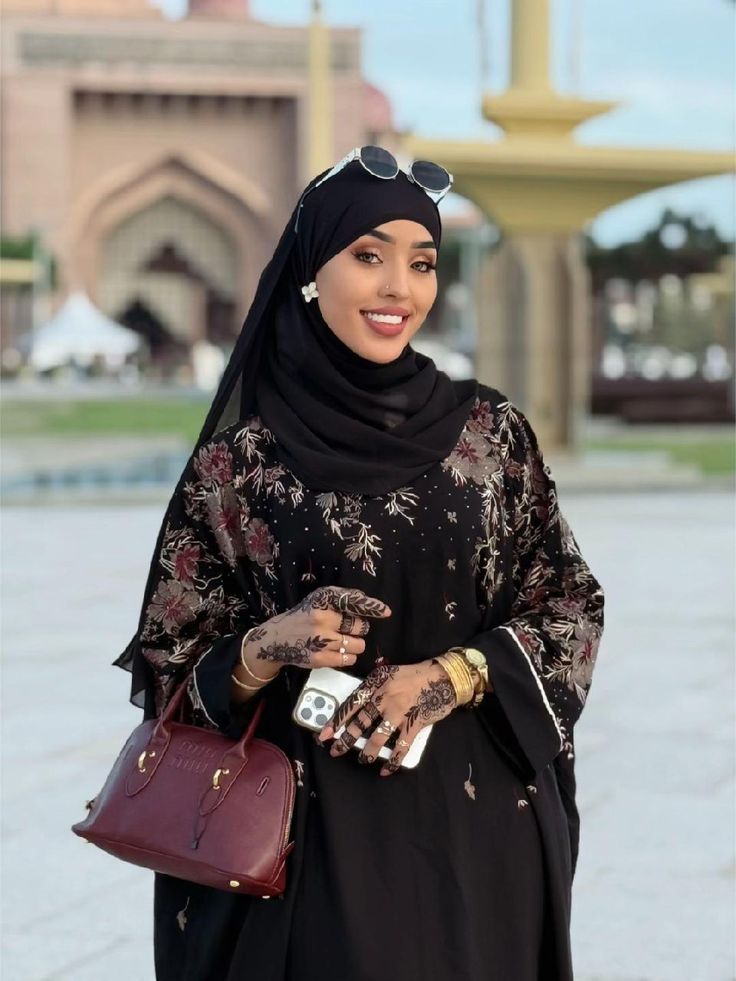
Fashion as Resistance
In Afro-Arab cities, modest fashion has become a language of autonomy. It says: I decide how I appear. Not society. Not trends. Not algorithms.
Young women walking through Cairo’s Tahrir Square or sbon Gari in Kano do not dress modestly because they are constrained, but because they choose to control their own image. The clothing communicates confidence without confrontation, authority without aggression.
Modesty, here, becomes visibility on one’s own terms.
Diaspora Influence
Afro-Arab youth abroad, especially in cities like London, Paris, Toronto, and New York, remix modest fashion into bold hybrid forms: hooded abayas, structured hijabs, kaftans with street silhouettes.
These looks travel digitally back home, reshaping aesthetics in Sudan, Morocco, Nigeria, Egypt, and the Gulf. What once flowed from centre to periphery now moves in circular dialogue, tradition evolving through migration and return.
Modest fashion is not merely heritage preservation but heritage evolution.
Religious and Arabian Influence
Afro-Arab fashion is strongly influenced by Islam and Arab culture. In Kano, Khartoum, and other Afro-Arab cities, loose garments, hijab, and kaftans are the most common clothing.
INTERESTING READS:
- Reimagining Arabian Imprints on African Fashion Identity
- How Arabian Beauty Traditions Elevate African Weddings
- The Meaning of White: How Faith and Climate Shape Cultural Dress
The New Soft Power: How Modest Fashion Shapes Global Culture
Luxury brands increasingly reference modest silhouettes, flowing cuts, layered designs, and restrained elegance, not out of charity but out of influence. The aesthetic power of modest fashion is reshaping mainstream runway trends.
But Afro-Arab cities remain the originators.
Their streets teach the world that fashion does not need exposure to command attention. That elegance does not require erasure. That identity, when worn honestly, becomes the strongest form of style.
I remember standing outside a café in Cairo as dusk softened the city’s edges. The call to prayer drifted through the air while young people passed by, laughter in their voices, headphones in their ears, fabric flowing with quiet authority. Nothing about the scene felt constrained. It felt alive.
The result is what modest fashion has become in Afro-Arab cities: not concealment, but confidence. Not retreat, but presence. This is not a static tradition, but a dynamic one.
Hijabs met hype, and neither lost meaning. Instead, they gained power.
At Omiren Styles, we document the stories behind Afro-Arab fashion, culture, heritage, and identity, where tradition meets modern life with dignity and depth.
- Explore more at Omiren Styles
- Discover Afro-Arab fashion history, modern street culture, and lifestyle narratives.
- Join a global community celebrating elegance, authenticity, and cultural power.
See everyday style that inspires — check out Street Style with OmirenStyles
FAQs
1. Is modest street fashion religious or cultural?
Both and more. While rooted in faith traditions, today’s modest street style also expresses cultural pride, generational identity, and creative autonomy. It is not confined to religion; it belongs to anyone who values elegance with intention.
2. Why are Afro-Arab cities leading this movement?
These cities are situated at the intersection of heritage, youth culture, and global connectivity. Their fashion reflects layered histories, trade routes, scholarship, and spirituality, now reinterpreted through modern urban life.
3. How has social media changed modest fashion?
It removed gatekeepers. Stylists, students, designers, and everyday wearers now shape trends globally, bypassing traditional fashion hierarchies and creating organic movements instead.
4. Can modest fashion still feel bold and expressive?
Absolutely. In Afro-Arab street style, boldness comes through colour, silhouette, texture, layering, and attitude, not exposure. Confidence becomes the primary accessory.
5. Is modest fashion influencing global trends?
Yes. From luxury runways to high-street brands, layered silhouettes, flowing garments, and covered elegance increasingly shape mainstream fashion narratives, often without crediting their Afro-Arab origins.