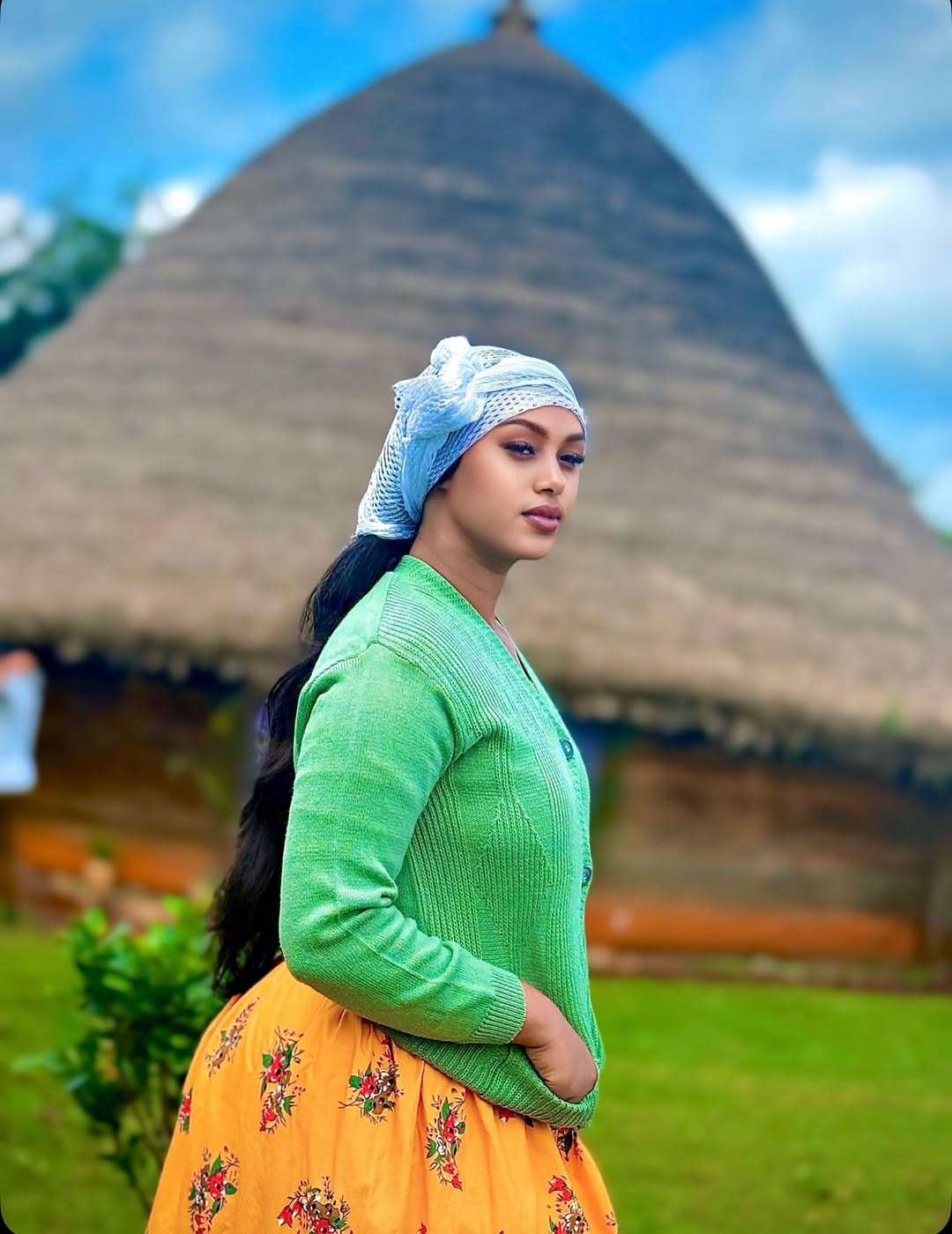
Most of Africa’s fashion traditions are discussed in terms of their meanings. Gurage women’s clothing insists on being felt before it is analysed.
In a country whose textile traditions are among the most documented on the continent, where the white shamma’s draped symbolism and the Habesha kemis’s woven tibeb borders have been written about in detail, the Gurage aesthetic arrives differently. It is vivid, unapologetically so, built from saturated colour, floral fabric, a layered cardigan, and a headscarf wrapped, not draped; tied, not loosely arranged; and finished, rather than trailing. It does not communicate through restraint. It announces. And that announcement is itself cultural information, carrying within it a community’s relationship to beauty, to daily life, to feminine identity, and to a homeland that sits in the fertile semi-mountainous highlands of south-central Ethiopia, approximately 240 kilometres southwest of Addis Ababa, in a place where the enset plant has shaped everything from diet to ritual to the very structure of social life.
This is not a ceremonial dress reserved for festivals. It is the clothing of daily life, worn while cooking, tending fields, trading in markets, and visiting neighbours. That fact is itself the Omiren Argument: when a tradition is vigorous enough to be carried into everyday life, it is not a heritage exhibit. It is a living civilisation.
Discover the bold, colourful clothing of Gurage women: vibrant dresses, cardigans, and the iconic headwrap that expresses beauty, identity, and cultural pride.
Where the Gurage People Are Located and What They Are Known For
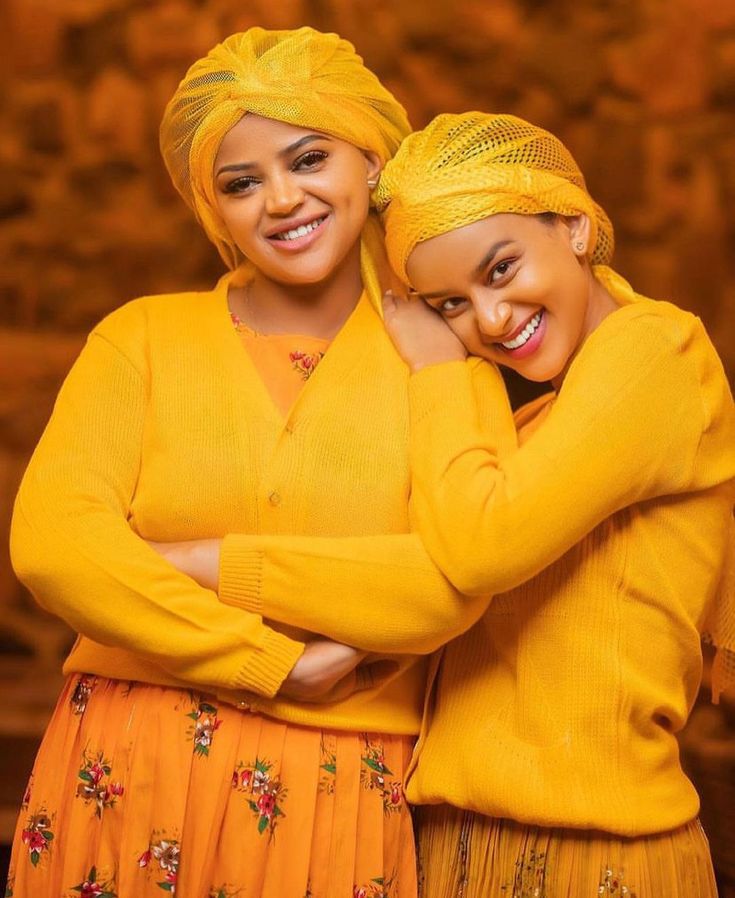
The Gurage people live in south-central Ethiopia, primarily in the Gurage Zone. Their homeland stretches across fertile lands and rolling midlands, an area known for its rich soil and dense enset groves Enset and Bananas: Understanding Ethiopia’s Unique Crops . Culturally, the Gurage are known for their vibrant traditions, energetic dances, and deeply rooted communal values. Discover the Gurage Meskel Celebration in Ethiopia | TikTok.
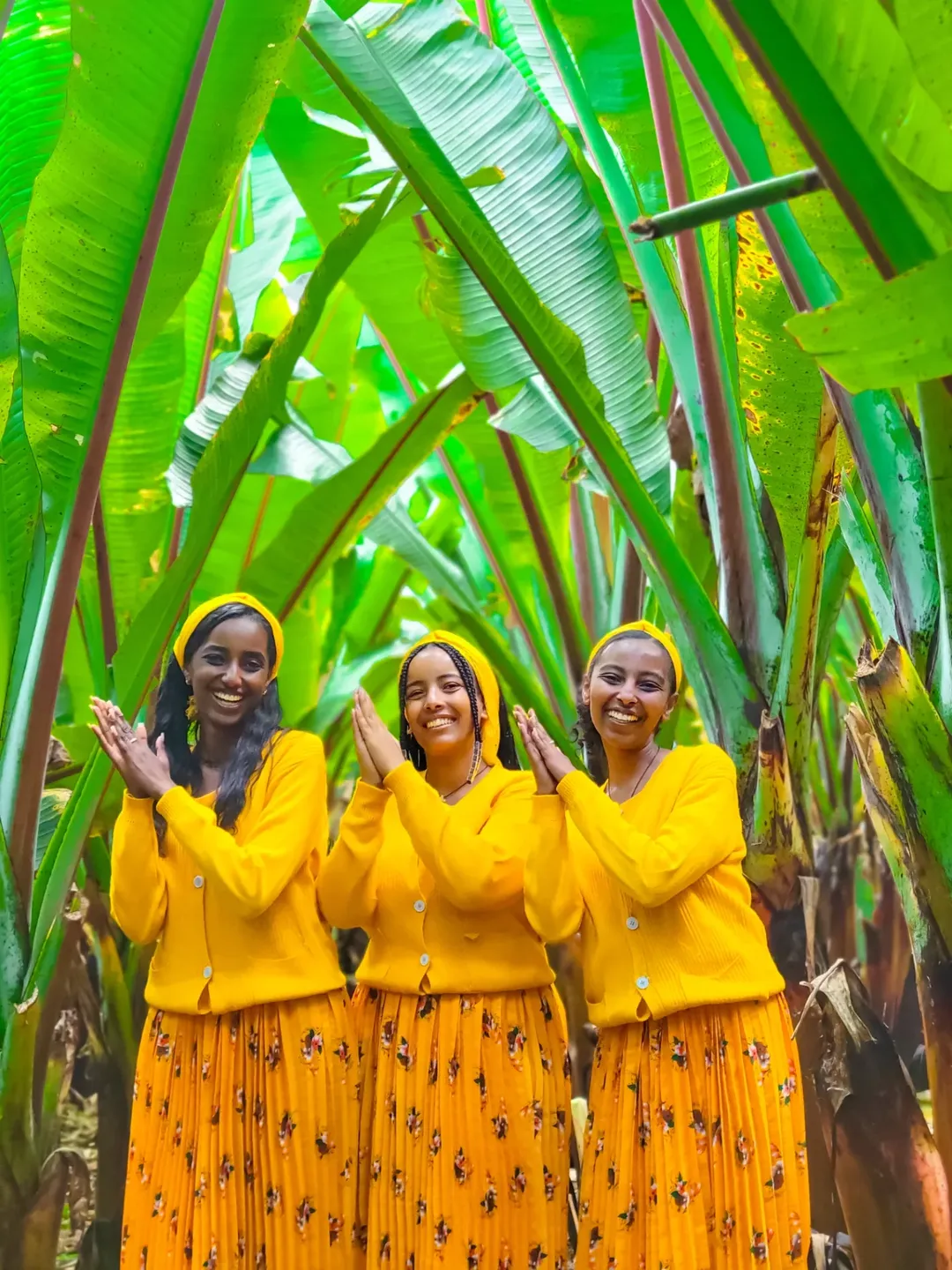
But perhaps nothing is more widely associated with Gurage identity than their cuisine. The community is famous across Ethiopia for its dishes. The most iconic is kitfo, a seasoned minced beef dish traditionally served raw or lightly cooked, often accompanied by fresh cheese and greens. Ethiopian kitfo is raw beef that melts in your mouth. Equally central is kocho, a fermented flatbread made from the enset plant (a crop that has sustained Gurage households for generations). Together, kitfo and kocho form one of Ethiopia’s most beloved culinary pairings, celebrated for their richness, aroma, and cultural significance.
Beyond food, the Gurage are known for their dynamic cultural festivals and trade networks, making them one of Ethiopia’s most recognisable and influential communities.
The Bold, Colourful Radiance of Gurage Women’s Dress
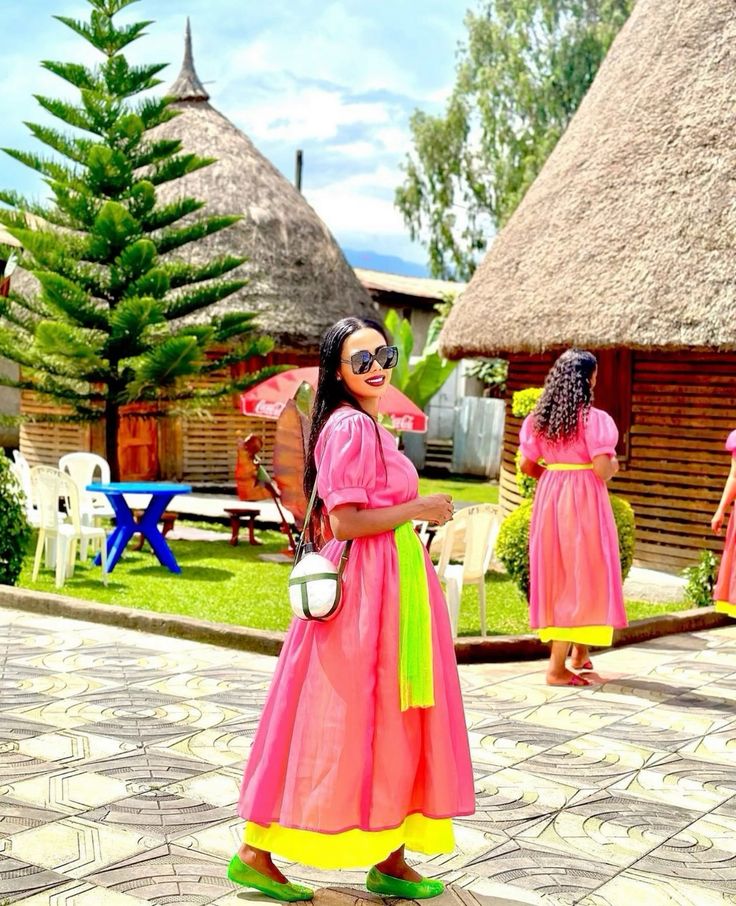
Within Ethiopia’s extraordinarily diverse dress landscape, where the white cotton shamma of the highlands, the purple dresses of Harari women, the leather garments of the Oromo of Bale, and the beaded costumes of southern peoples all occupy distinct aesthetic territories, the Gurage women’s ensemble stands apart not through embroidery or weave complexity but through colour volume. It is a style that approaches colour the way other traditions approach pattern: as the primary carrier of identity, energy, and presence.

As research into Ethiopian traditional clothing documented by AllAboutEthio confirms, what distinguishes Ethiopian ethnic clothing is not always the garment’s structure but the combination of colour, headwear, and embroidery specific to each community. For Gurage women, that combination produces an aesthetic that is instantly recognisable across Ethiopia: a long, vivid floral dress, a cardigan in a contrasting or complementary saturated colour, and a headscarf wrapped firmly and neatly around the head. Together, they form what EthiopianGobGnu’s analysis of Ethiopian traditional clothing describes as a uniqueness found in simplistic yet elegant design, one that uses any combination of fabrics rather than a single prescribed garment, with the Gurage headwrap being particularly distinctive in how it is tied rather than draped.
This is not fashion in the seasonal, trend-responsive sense. It is civilisational aesthetics: a set of choices about what beauty looks like that a community has refined over generations and continues to carry into the present through daily practice. The Omiren argument applies directly here: African aesthetics are not derivative of Western fashion cycles. They emerge from specific ecological, cultural, and social conditions and are fully formed on their own terms. Gurage women’s clothing is a case study in that argument, and it deserves to be read as such. For more on how Ethiopian aesthetics translate into contemporary global fashion, see our feature on the Habesha Kemis and Ethiopian heritage in global fashion.
A Culture of Colour: The Flowery Dress
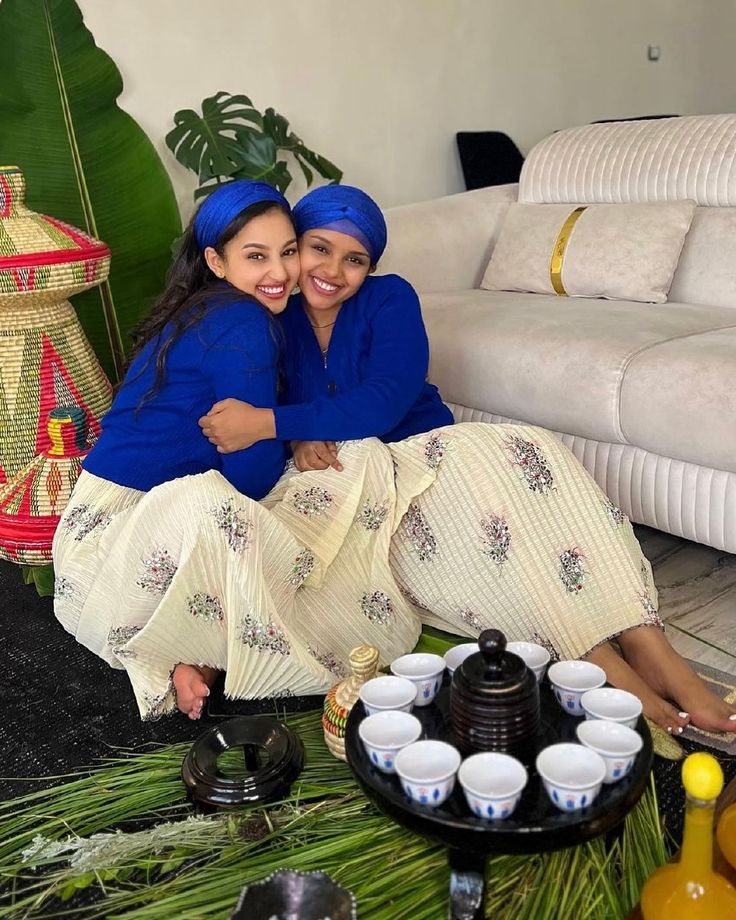
At the heart of Gurage women’s attire is a long, sweeping dress in vivid printed fabric. The patterns are floral and bright, running the gamut from reds, yellows, greens, blues, and purples, and are chosen not for symbolic content but for aesthetic pleasure. This is worth dwelling on because it runs counter to the tendency of fashion commentary to search for hidden meaning in every African aesthetic choice. Gurage women’s relationship to colour is direct: these hues are chosen. They are beautiful. They feel alive because they carry energy into the body of the wearer and into the spaces the wearer moves through.
The dress is made from lightweight, breathable fabric suited to the semi-mountainous Gurage highland climate, where temperatures range between 15 and 32 degrees Celsius, as documented in census data for the zone. Its loose cut allows ease of movement through daily agricultural and domestic tasks, from tending enset fields to preparing food for communal gatherings to walking the periodic market days that operate throughout the Gurage Zone on rotating daily schedules. The writer Nega Mezlekia observed that the Gurage have earned a reputation as skilled traders, and the periodic markets of towns like Emdeber have historically traded in agricultural products, livestock, pottery, cloth, and basketwork. In those markets, the dress is working clothing, not a display. The fact that it is beautiful is not incidental to that function. It is the point.
The Ethiopian clothing research platform EthiopianGobGnu documents that, unlike many Ethiopian communities where specific garments are prescribed, the Gurage clothing design is not built around a single defined garment. Any combination of fabrics may be used, and the ensemble’s distinctiveness comes from the colour choices and the manner of wearing rather than from a fixed garment construction. This flexibility is itself culturally significant: it allows individual expression within a recognisable aesthetic framework, producing a style that is communally legible but personally specific.
The Cardigan: A Signature Layer of Style
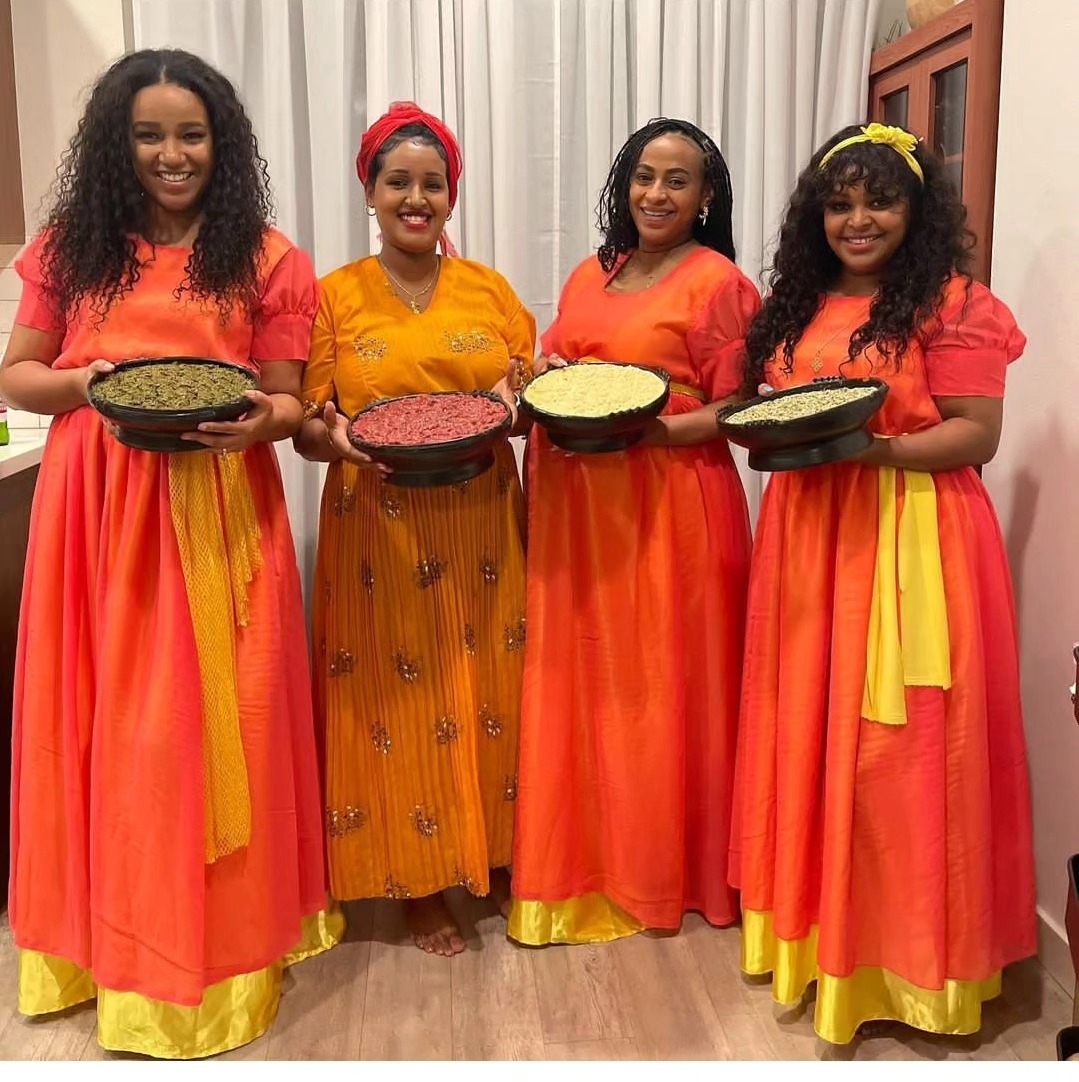
Layered over the floral dress is the cardigan: a defining feature of the Gurage women’s ensemble that has no direct equivalent in other major Ethiopian dress traditions. Where the Amhara and Tigrinya highland communities wrap the netela (the handwoven cotton shawl) over their dresses, and where the Oromo women of various regions use draped fabrics or heavier wraps, the Gurage cardigan is a distinctly practical and aesthetically intentional layer. As documented by TheEthiopianStore’s catalogue of Gurage cultural dress, the cardigan is part of the complete traditional ensemble, worn as a matching or contrasting layer that adds warmth and structural definition to the flowing dress beneath.
The cardigan comes in saturated, bold tones: deep reds, bright greens, royal blues, warm yellows, and clean whites. It is chosen to complement or to contrast with the dress’s dominant colour, producing a layered look that is intentional rather than accidental. In the cool highland climate of the Gurage mountains, where elevations reach up to 3,600 metres, and temperatures drop significantly in the evenings, the cardigan provides genuine warmth. Its adoption into what is otherwise a traditional ensemble is evidence of the Gurage community’s cultural confidence: the ability to incorporate a contemporary garment form without compromising the ensemble’s aesthetic identity. The cardigan does not modernise the Gurage outfit. It extends it.
This is what Omiren Styles means by African fashion as civilisational rather than seasonal. A civilisational aesthetic absorbs new materials and new garment forms without becoming something else. The Gurage cardigan is the same principle that allows the Habesha kemis to incorporate new embroidery techniques without ceasing to be the Habesha kemis. For a deeper analysis of how Ethiopian fashion traditions evolve while remaining rooted, see our feature on sustainable Ethiopian fashion and handwoven heritage.
The Headscarf: A Wrapped Expression of Identity
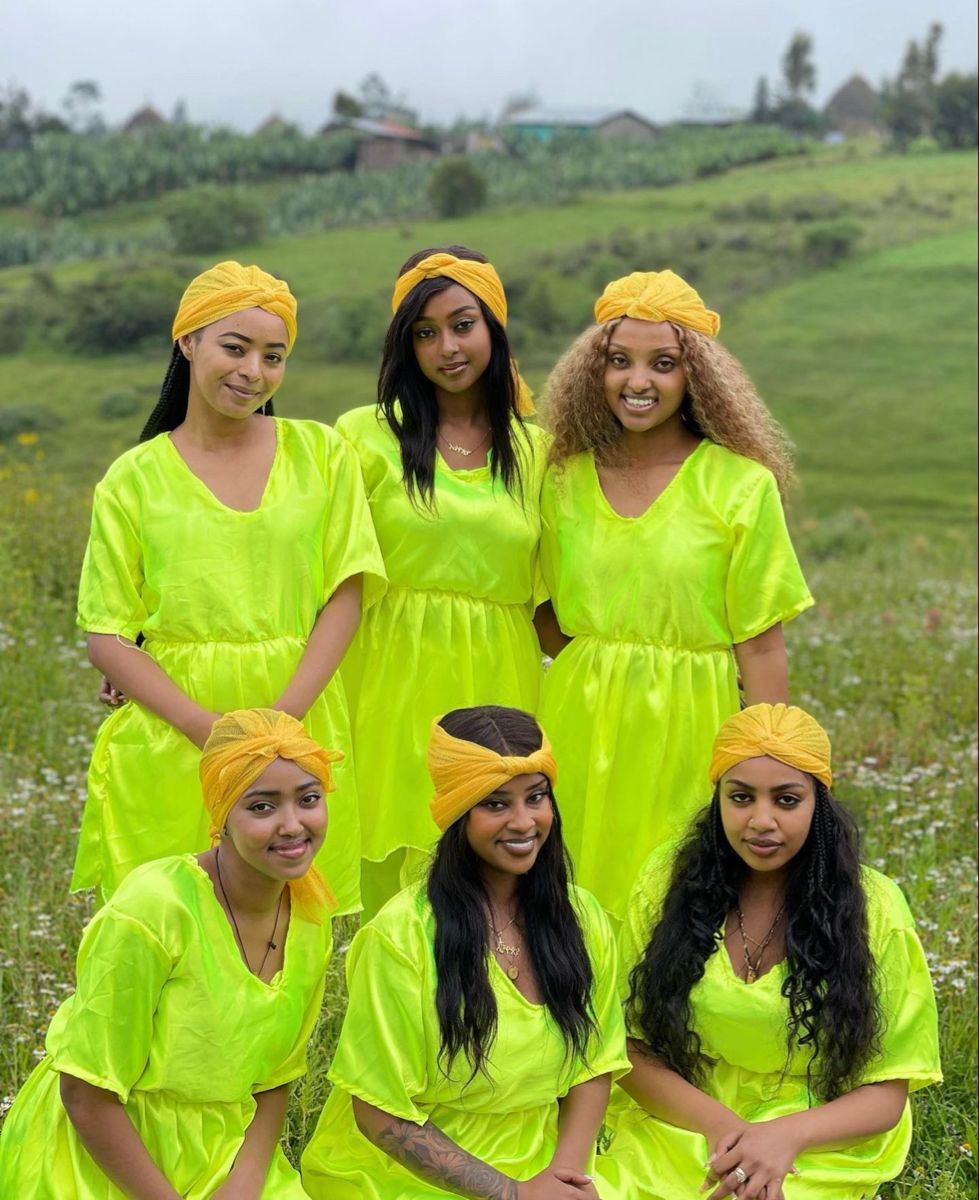
No Gurage woman’s outfit is complete without a headscarf, and the way it’s worn is what makes it specifically Gurage. As EthiopianGobGnu’s research on Ethiopian ethnic dress notes, the way women wear their head-tie, known in Amharic as ‘shash’, is what makes the Gurage traditional cloth design distinct from other Ethiopian traditions. The shash is not draped softly over the head and shoulders as the netela is in the Amhara and Tigrinya traditions. It is wrapped firmly and neatly around the head, tied securely, framing the face with a polished, deliberate finish. It stays in place. It is architecture, not adornment.
The colour of the headscarf typically echoes the tones of the dress and cardigan. Some women choose bold, solid colours; others choose patterned wraps that introduce another layer of visual complexity into the ensemble. What remains constant is the tying technique and the sense of completeness it creates. The wrapped headscarf is simultaneously practical, keeping the hair contained during work in fields, kitchens, and markets, and expressive, functioning as the visual full stop of the ensemble. At social gatherings, weddings, and festivals on the Gurage cultural calendar, the headscarf becomes even more deliberate: brighter colours, more intricate folds, and finer-draped fabrics. But even in its simplest market-day form, it signals cultural belonging.
For comparative context on how headwraps function across African dress traditions and the distinct cultural weight they carry in different communities, see our feature on Ethiopian men’s and gender-neutral tailoring, which explores how garments carry identity in ways that extend beyond their physical form.
A Style Rooted in Everyday Life
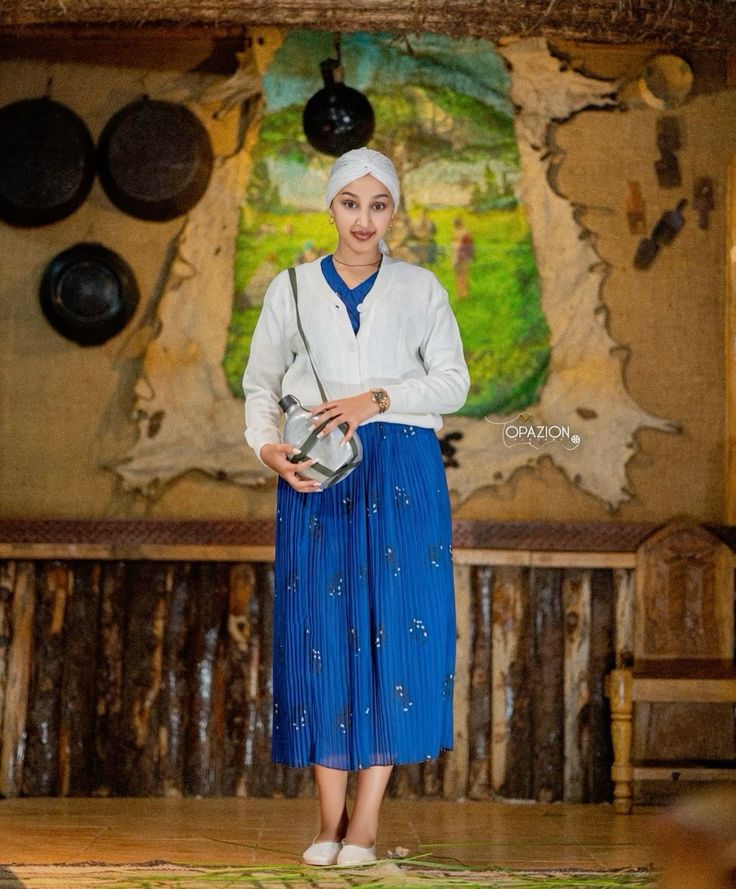
The most important fact about Gurage women’s clothing is that it is not reserved for ceremony. Across Ethiopian ethnic dress traditions, much of the most formally documented attire is ceremonial: the Habesha kemis is worn at weddings and religious festivals; the Dinguza of the Dorze is associated with specific social occasions; and the elaborate beaded dress of some southern communities marks rites of passage. The Gurage dress, cardigan, and headscarf are worn daily. They are worn to the market, to the fields, and to a neighbour’s house to prepare kitfo and kocho for a family gathering. This is not a diminishment of the tradition. It is its greatest strength.
A style carried into daily life is alive. It is not being maintained by cultural preservation; it is being sustained by living choice, made every morning by women who put on what they consider appropriate, beautiful, and right. The clothing reflects the values documented consistently in ethnographic accounts of the Gurage: modesty, practicality, communal warmth, and a relationship to beauty that is not separate from usefulness but inseparable from it. The lightweight printed fabrics are easy to wash, quick to dry, and comfortable across the climate range of a highland environment. The cardigan provides warmth when needed. The wrapped headscarf stays in place through hours of physical work.
Clothing worn daily generates a continuity of identity that no festival dress can achieve. When Gurage women wear this ensemble to the market, to the field, and to the celebration, they are making the same statement in all three settings: this is who we are, not only when we commemorate but also when we work.
Also Read:
- The Habesha Kemis, Reimagined: How Ethiopian Heritage Is Transforming Global Fashion
- Sustainable Ethiopian Fashion: Handwoven Heritage Meets Global Responsibility
- Ethiopian Men’s and Gender-Neutral Tailoring in Contemporary African Fashion
- Lemlem: Weaving African Heritage into Global Fashion
The Social Life of Clothing
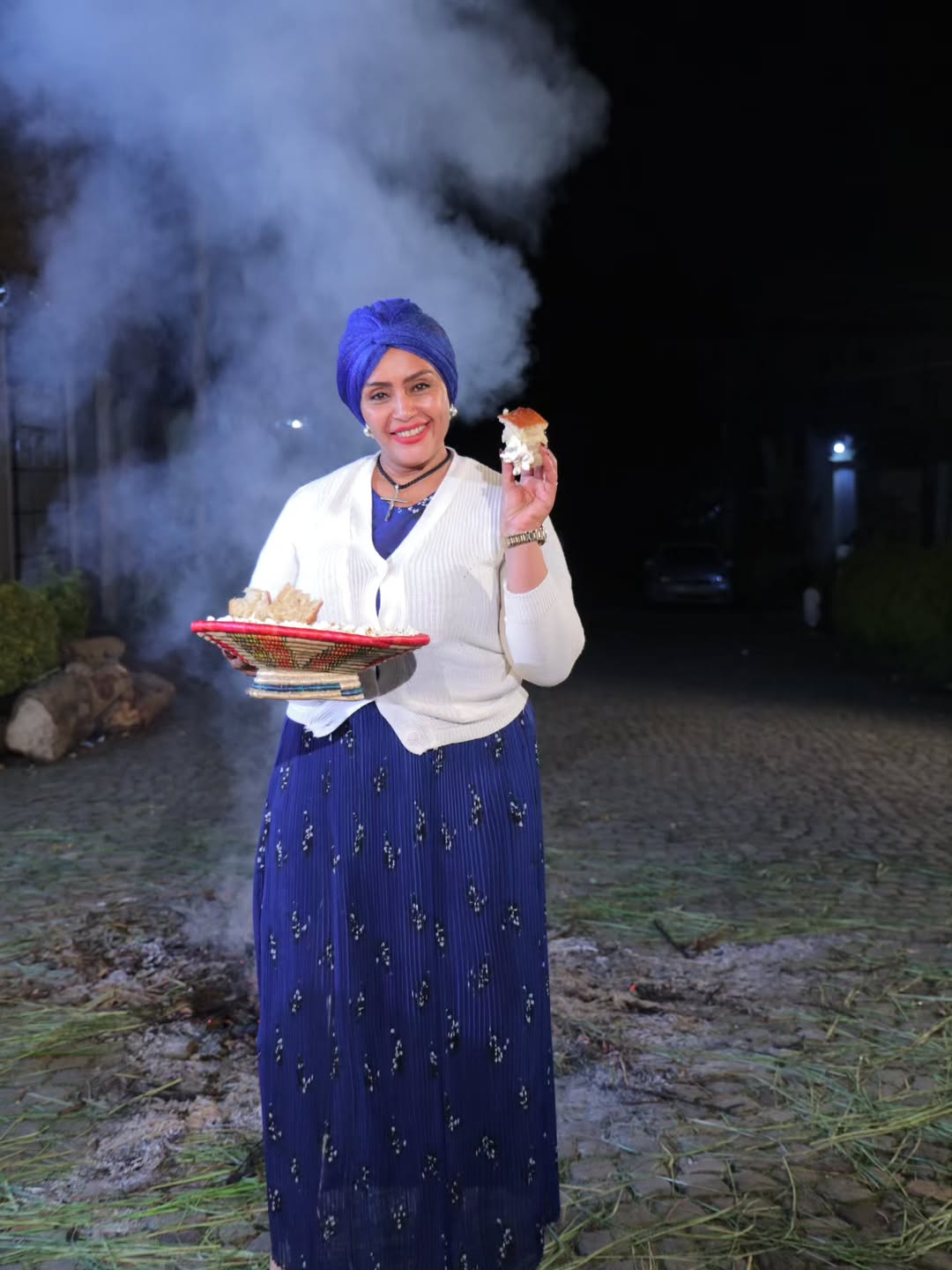
Clothing among the Gurage is social before it is personal. The ensemble’s visibility in public space, its brightness, and its distinctive headwrap make it immediately legible to other Gurage women. Women notice and comment on each other’s colour combinations, on a particularly successful contrast between dress and cardigan, and on a new headscarf pattern. This social dimension of dress is not decorative; it is a form of community maintenance, a daily affirmation of shared aesthetic values that functions as a parallel to the communal values that define Gurage social organisation more broadly.
The Gurage are known for a social institution called the edir (mutual aid society) and for a tradition of communal self-help that the Gurage Road Construction Organisation, established in 1962 by Addis Ababa-based Gurage migrants to fund roads and schools in their homeland, exemplifies at its most organised. The social life of clothing participates in this broader communal ethic. When women coordinate their dress for weddings and festivals, choosing colours that create visual harmony rather than competition, they are extending into the aesthetic domain the same collective orientation that structures their social and economic life. The periodic markets of the Gurage Zone, as documented in ethnographic research, have historically been places where fabrics in every available colour are sold and where women take care in selecting patterns. The market is not just economic. It is where the community’s aesthetic is continually refreshed and affirmed.
For more on how African fashion functions as a social and civilisational system rather than a personal consumer category, see our editorial on Lemlem and how Ethiopian heritage enters global fashion.
Modern Influences, Enduring Traditions
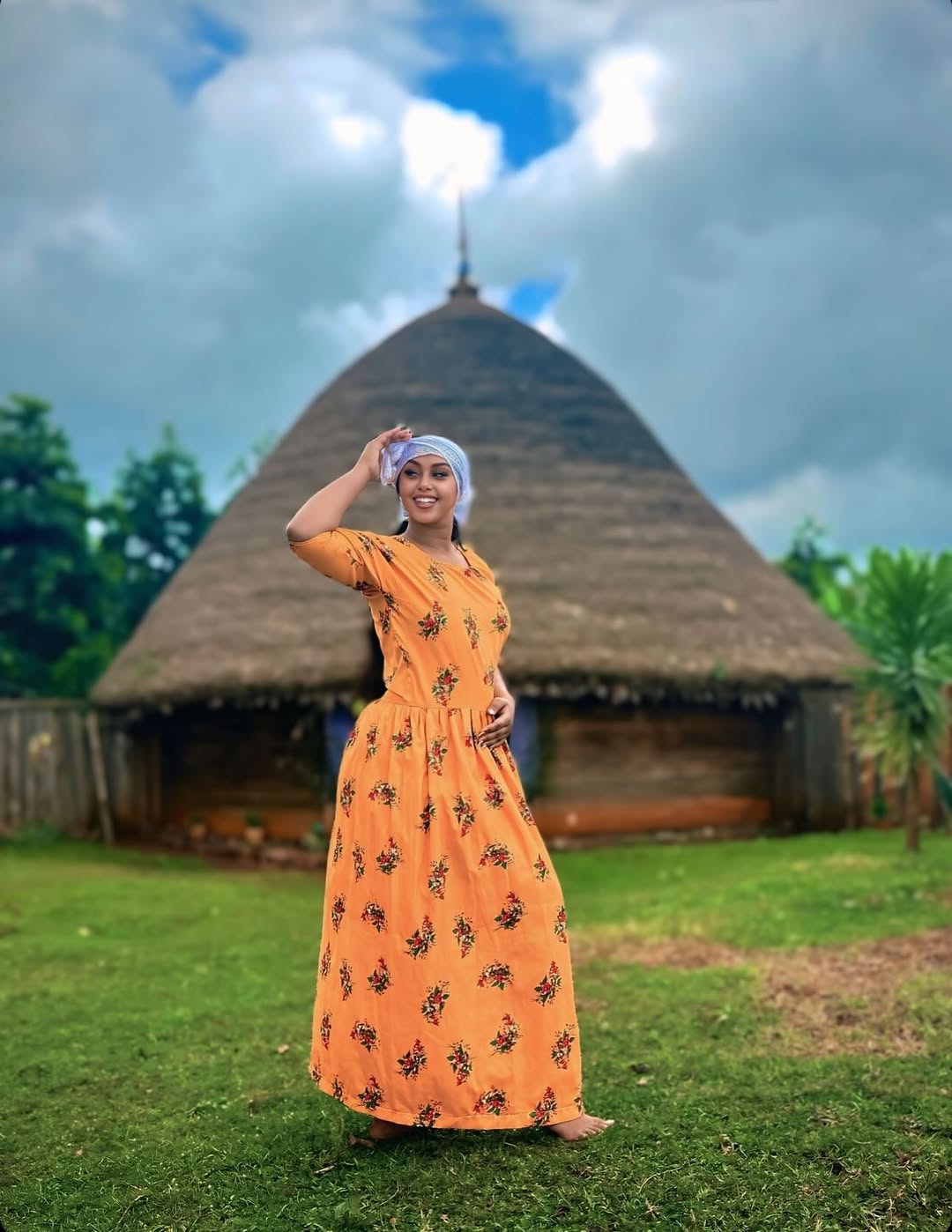
The Gurage people have consistently demonstrated a capacity to engage with modernity without losing cultural coherence. They are, as documented by the Sewasew Gurage ethno-historical survey, among the third most urbanised ethnic group in Ethiopia, after the Harari and Dorze, with over half a million Gurage living outside their rural homeland regions by the late 20th century. In Addis Ababa, where Gurage migrants built commercial networks and social institutions while maintaining cultural identity, the clothing has been carried into urban settings without becoming urban clothing. It remains recognisably Gurage in a city where dozens of ethnic dress traditions coexist.
The incorporation of the cardigan into the ensemble is the most visible sign of this capacity for cultural adaptation. As EthiopianGobGnu’s research notes, the Gurage people’s clothing is made from both modern synthetic fibres and traditional textiles, and the design is not bound to a specific, historically fixed garment. New patterns of printed fabric enter the market and are adopted within the established aesthetic framework. Younger women experiment with new colourways while maintaining the three-part structure of dress, cardigan, and wrapped headscarf. The tradition is not frozen. It is in motion, as every living tradition must be.
The continuity is not in the specific fabrics or the precise colour combinations used in any given decade. It is in the aesthetic commitment that drives the choices: the preference for saturation over muted tones, for brightness over restraint, for a layered, complete silhouette rather than a singular one. That commitment is cultural inheritance. It connects the woman tying her headscarf at a Gurage market in 2026 to the women who made the same choices in the same landscape for generations before her. Fashion, understood as a civilisational phenomenon rather than a consumer category, is how that connection is visible every day.
Frequently Asked Questions
1. What do Gurage women traditionally wear?
Gurage women traditionally wear a three-part ensemble consisting of a long, vivid floral dress in bright printed fabric, a boldly coloured cardigan layered over the dress for warmth and structure, and a headscarf wrapped firmly and neatly around the head. This combination is the defining visual identity of Gurage women’s dress and is worn not only for ceremonies or festivals but also as daily clothing. The Gurage headscarf is particularly distinctive in that it is tied securely around the head rather than draped softly over the shoulders, as seen in many other Ethiopian traditions. The colours are chosen for their aesthetic vibrancy rather than for symbolic meaning, with reds, yellows, greens, blues, and purples being common.
2. Who are the Gurage people and where do they live?
The Gurage are a Semitic-speaking ethnic group living primarily in the Gurage Zone of Ethiopia’s Central Ethiopia Regional State, approximately 240 kilometres southwest of Addis Ababa. According to the 2007 Ethiopian national census, the Gurage numbered approximately 1.86 million people in the Gurage Zone, where they constitute around 82% of the population, with large additional communities in Addis Ababa and other urban centres. Their ancestry traces to Aksumite-era military settlers from the Tigray region who established themselves in the fertile semi-mountainous highlands of south-central Ethiopia. The Gurage are widely known across Ethiopia for their culinary traditions, particularly kitfo (seasoned minced beef) and kocho (fermented enset flatbread), their entrepreneurial culture, and their communal institutions.
3. What makes the Gurage headscarf different from other Ethiopian headwear traditions?
The Gurage headscarf, known in Amharic as ‘shash’, is wrapped firmly and tied securely around the head rather than draped loosely over the shoulders or head as the ‘netela’ is in the Amhara and Tigrinya traditions. This tying technique is documented as a specific marker of Gurage dress identity: it frames the face with a polished, architectural finish and stays in place during physical work. The colours of the headscarf typically echo the tones of the dress and cardigan worn with it, contributing to the coordinated, layered look that characterises Gurage women’s dress. Ethnographic research into Ethiopian ethnic clothing has consistently identified the manner of wearing the headscarf as one of the primary distinguishing features of the Gurage ensemble.
4. Is Gurage women’s clothing only worn for special occasions?
No. One of the most distinctive characteristics of Gurage women’s clothing is that it is worn daily rather than as ceremonial attire. The vivid floral dress, coloured cardigan, and wrapped headscarf are worn for market visits, agricultural work, food preparation, community gatherings, and ordinary daily activities, not only for weddings, festivals, or religious celebrations. This daily wearing is itself culturally significant: a dress tradition sustained by daily choice rather than preserved for ceremony is a living tradition, not a heritage display. During weddings and festivals, the colours become more intensely chosen and the headscarf more carefully tied, but the form of the ensemble remains the same as in daily wear.
Gurage women’s clothing does not need a festival to justify its colours. That is precisely what makes it a civilisational aesthetic rather than a performance. Colour, in the Gurage tradition, is not decoration. It is identity. The floral dress, the layered cardigan, and the tightly wrapped headscarf together form a visual system sustained not by cultural preservation institutions but by the daily choices of women who find it beautiful. appropriate, and right. That is the deepest form of cultural continuity available to any tradition. Explore the full range of African fashion civilisation at Omiren Styles.