In the long and evolving history of Ghanaian music, women have always been present, shaping melodies, leading bands, composing anthems, and carrying stories across generations. Yet their influence has often been understated, overshadowed, or relegated to footnotes in broader narratives about highlife, gospel, and the dawn of hiplife.
The 1980s and 1990s marked a golden era: a moment when female artists stepped forward not only as singers but also as cultural icons, innovators, entrepreneurs, and creative leaders. They carved out space in a male-dominated industry and laid a foundation that Ghana’s modern stars continue to build on today.
Their journey reflects the deeper cultural conversation around identity, style, and heritage, the same spirit we explore in our reflections on How African Mythology Shapes Modern Pop Culture and the resilience of African women across industries.
This is the story of the women who dared and changed the sound of Ghana forever.
From the 1970s through the 1990s, a generation of Ghanaian women dared to claim the stage in an industry shaped by men and by social expectations that rarely imagined women as cultural architects. They were stepping into a space where their voices were both celebrated and scrutinised; they were admired and doubted. Yet, through resilience, brilliance, and faith, they reshaped Ghanaian music, from highlife to Afro-funk to gospel, and left an indelible mark on national memory.
Their journey tells a deeper story: not simply about fame, but about power, survival, and the right to define one’s sound and self on one’s own terms.
Explore the untold story of Ghana’s female music pioneers – from Meriwa to Daughters of Glorious Jesus. Discover how these iconic artists shaped highlife and gospel music while breaking barriers in a male-dominated industry across three transformative decades.
The Bandstand Rebellion: Breaking Ground in the 1970s
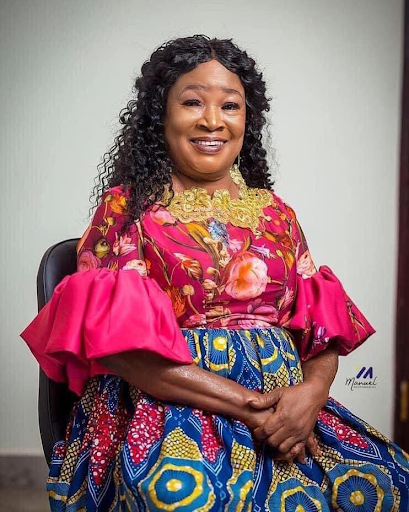
Big bands, tight touring schedules, and smoky nightclubs ruled the 1970s Ghanaian music scene. Highlife pulsed everywhere; weddings, nightspots, community events, and bands like Sweet Talks, African Brothers, and others defined modern entertainment. Women rarely led those bands. When they did appear, they were often expected to be decorative chorus girls rather than headliners.
Meriwa, born Grace Osei, completely defied this expectation.
Nicknamed “The Golden Voice of Ghana, she possessed a vocal range that spanned from velvety tenderness to commanding authority. With Sweet Talks and other major ensembles, she wasn’t just singing highlife; she was reshaping audience expectations about who could lead onstage. Songs like “Baby Chale” didn’t just entertain; they thrilled. She became proof that a woman could hold the spotlight and anchor a band without apology.
Around this same period, another seed was being planted.
Akosua Agyapong, still a child, stood in studio rooms and rehearsal spaces absorbing everything. Performing with bands like the Kyeremateng Stars and Sweet Talks, she was a quiet prodigy, a girl who understood the sound of highlife not just as music but as storytelling. Her childhood years prepared her for the artistic explosion she would unleash in the 1980s.
Meanwhile, the Tagoe Sisters were finding their voice not in nightclubs, but in church choirs and gospel revivals. Theresa and Lydia Tagoe crafted harmonies that drew deeply from Ghanaian spiritual traditions. Their entry into the gospel scene in the late 1970s and early 1980s created something new: a duo whose presence fused ministry, rhythm, and performance.
And then there was Cindy Thompson.
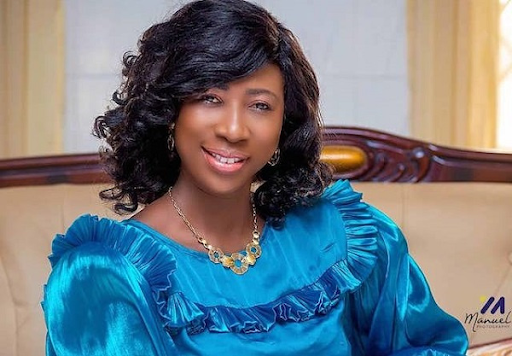
She began not as a gospel icon but as a secular musician, joining groups like “Cindy & The Sisters” and “Sweet Sound”. She learnt early about negotiating studios, band politics, and audience expectations. Those formative years would later become the backbone of one of Ghana’s most transformative gospel careers.
For these women, the stage was not simply about singing. It was an act of negotiation. They had to navigate perceptions of morality, womanhood, respectability, and ambition. Every performance said something quietly defiant:
“I am not here to support the story; I am here to tell it.”
Icons and Innovators: The Female Sound of the 1980s
By the 1980s, Ghana was undergoing profound social and economic shifts. Military rule, financial restructuring, and the pressures of urban life were changing everyday realities. Music became both an escape and a mirror, and women stepped further in the centre.
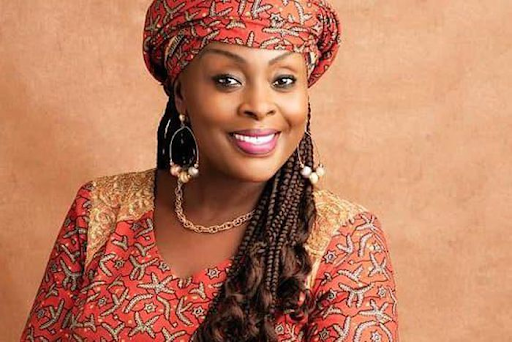
At the forefront stood Akosua Agyapong.
Her 1989 debut solo album, Frema, was a cultural earthquake. The sound was modern, with synthesisers, crisp percussion, and melodic hooks, yet deeply rooted in Ghanaian tradition. Songs like “Afrikoko”, “Katie”, and “Esiwa” blended Afro-pop, funk, and highlife into something irresistibly fresh. Akosua Agyapong wasn’t only a singer; she was a style statement. Her hair, clothes, choreography – everything exuded confidence and originality.
She didn’t ask for space. She created it.
Around her, other female voices were rising.
Delphine “Della” Hayes emerged with songs such as “Meye Bleye” and “Brow Up”, distinguished by her rich, emotional voice and compelling stage energy. Her music captured heartbreak, resilience, and womanhood with striking authenticity.
Anna Nyame bridged highlife and Afropop with classics like “Menya Mma” and “Woyoo Adoley”. Her versatility and charisma allowed her to move between performance styles while still maintaining cultural grounding.
Backing vocalists were also stepping out, women whose contributions had always shaped the sound but rarely earned a spotlight. Within bands led by figures such as Pat Thomas, women like Gloria Gyasi played influential roles as vocalists and instrumentalists, subtly redefining gender roles in band culture.
Yet beneath the glitter of success, questions persisted.
How does a woman age in an industry obsessed with novelty?
How do you balance societal expectations with artistic freedom?
What happens when your voice becomes both a blessing and a burden?
These questions would soon push many women into a new musical chapter.
The Gospel Migration: Power, Protection, and Purpose in the 1990s
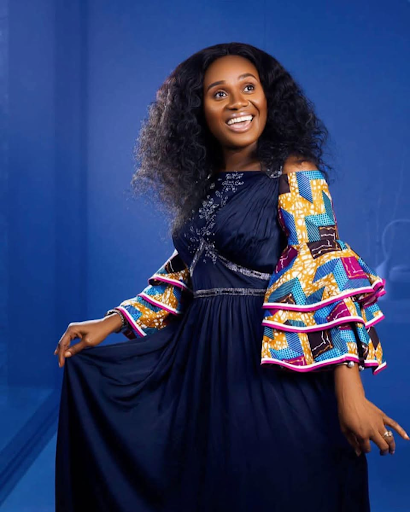
The 1990s marked an unmistakable shift spiritually, socially, and musically.
Pentecostal and charismatic Christianity surged across Ghana, bringing with it new worship styles, new music economies, and new opportunities. For many women, gospel offered something pop music often did not:
Respect. Audience loyalty. Moral approval. Stability.
Cindy Thompson stepped into this world with astonishing force.
Her transition from secular to gospel did not feel like a retreat; it felt like a transformation. Albums such as Jesus Is the Man and Hosanna elevated production standards and introduced cinematic arrangements, powerful choruses, and emotionally charged performances. Her music didn’t just fill churches; it filled public squares, taxis, and marketplaces.
Daughters of Glorious Jesus became the defining sound of Ghana’s gospel music in the 1990s.
Cynthia Appiadu, Edith Anwora, and Monica Owusu-Ansah crafted harmonies that were almost architectural in their precision. Songs like “Mebo Yesu,” “Asomdwe Hen,” and “Awieye Pa” combined traditional rhythms with soaring melodies. Their voices carried comfort during times of uncertainty and anchored worship experiences across the nation.
They sang not only as musicians but also as ministers.
Esther Smith added her powerful, emotionally charged voice to the era, with songs like “Me Dan Wo” and “Onyame Tumi.” Diana Akiwumi and Abena Nyamekye likewise shaped worship culture, crafting songs that lingered not only in churches but also in memory.
Gospel also became a space where women could build careers with relative autonomy, forming groups, producing albums, organising concerts, and mentoring younger singers. It was both a sanctuary and a platform.
Still, success did not erase complexity. Moving to gospel did not magically remove sexism, financial struggle, or the weight of expectations. But it allowed many women to redefine their artistic calling in alignment with faith, community, and legacy.
ALSO READ
- The Rise of Afrobeat: African Rhythms Shaping Global Music Culture
- A New Lens on Luxury Fashion Photography
- How Digital Artists Are Shaping the Future of Creativity
Harmony as Power: Artistry, Business, and Legacy
When we step back from the individual biographies, a larger pattern becomes clear.
These women were innovators, not simply performers.
Meriwa’s commanding vocals broke the myth that only men could anchor bands.
Akosua Agyapong reimagined what a Ghanaian female pop icon could look like.
The gospel pioneers transformed worship into a unique ecosystem, professionalising the entire industry.
Their artistry was technical and intentional.
Listen closely, and you hear:
- A deep chest resonance grounded Meriwa’s performances.
- Akosua’s phrasing possesses a remarkable rhythmic agility.
- The layered harmonies of Daughters of Glorious Jesus are delicate yet unshakeably strong.
Beyond music, they learnt how to negotiate contracts, manage bands, collaborate with producers, and cultivate followers. In industries where female executives were scarce, they became informal business leaders.
Their influence can be traced in today’s stars, from gospel powerhouses like Diana Hamilton to pop artists like Efya and MzVee, who stand on foundations laid decades earlier.
Most importantly, they normalised something essential:
A Ghanaian woman on stage is not an exception.
She is expected, respected, and essential.
The Women Behind the Sound of a Nation
These pioneers lived through coups, cultural change, and technological transitions, from vinyl to cassette to CD. They adapted. They reinvented They endured.
They sang for joy, for survival, for God, for love, for dignity
They were not ornaments in a musical story written by men
They were the authors of the melody.
Today, somewhere in Ghana, a young girl presses play on an old recording. Maybe it’s Meriwa belting across speakers Maybe it’s the harmonies of Daughters of Glorious Jesus washing softly through a church rehearsal. Maybe it’s Akosua Agyapong’s “Afrikoko,” still as vibrant as ever.
She listens and understands something quietly powerful:
There has always been space for her voice here.
Because someone made it.
Someone who refused to remain silent made this possible.
Because long before she dreamed of the stage, Ghana’s women had already claimed the mic, not just as singers, but as storytellers, innovators, and pioneers.
And the nation is still singing the songs they gave it.
FAQs
1. Who were the first major female music pioneers in Ghana?
The earliest female pioneers in Ghanaian music emerged in the 1970s. Artists such as Meriwa (Grace Osei) revolutionised highlife performances by assuming prominent roles in traditionally male-dominated bands. Others, like Akosua Agyapong and Cindy Thompson, began their careers during this era and later grew into celebrated icons. Their onstage presence paved the way for future generations of Ghanaian female artists.
2. How did Ghanaian female musicians influence highlife and gospel music?
Ghanaian female musicians contributed unique storytelling, vocal harmonies, and performance styles to both highlife and gospel music. In highlife, they brought emotional depth and stage charisma. In gospel, groups like Daughters of Glorious Jesus and singers like Cindy Thompson developed new arrangements, powerful harmonies, and inspirational lyrics that shaped the modern Ghanaian gospel sound.
3. Why did many Ghanaian female artists transition from secular music to gospel?
Many women shifted to gospel in the late 1980s and 1990s because gospel offered social respect, creative freedom, and financial stability. The rise of charismatic churches created platforms, audiences, and support systems for female musicians. The gospel space allowed them to lead choirs, record albums, and build long-lasting careers while aligning with faith and cultural expectations.
4. What is the legacy of Ghana’s female music pioneers today?
Their legacy lives on through modern artists like Diana Hamilton, Efya, and MzVee, who continue to push boundaries in Ghanaian music. These pioneers normalised women’s presence onstage, challenged gender stereotypes, and influenced the sound of both highlife and gospel. They helped shape Ghana’s cultural identity and inspired new generations to believe their voices matter.