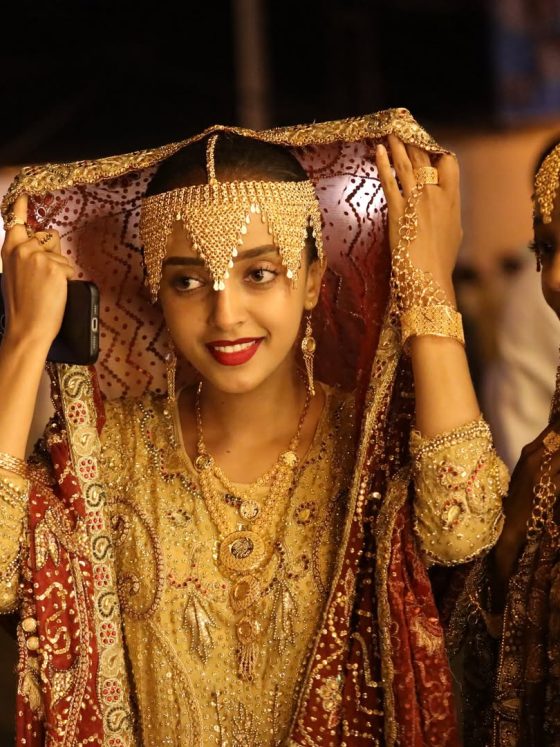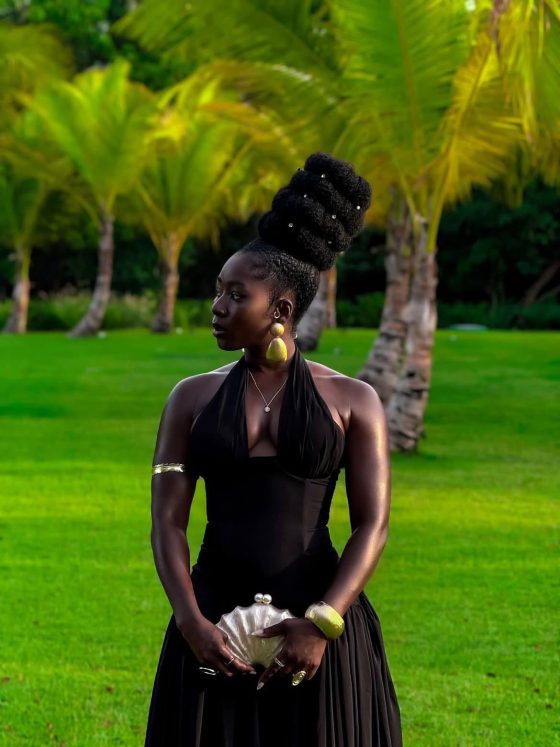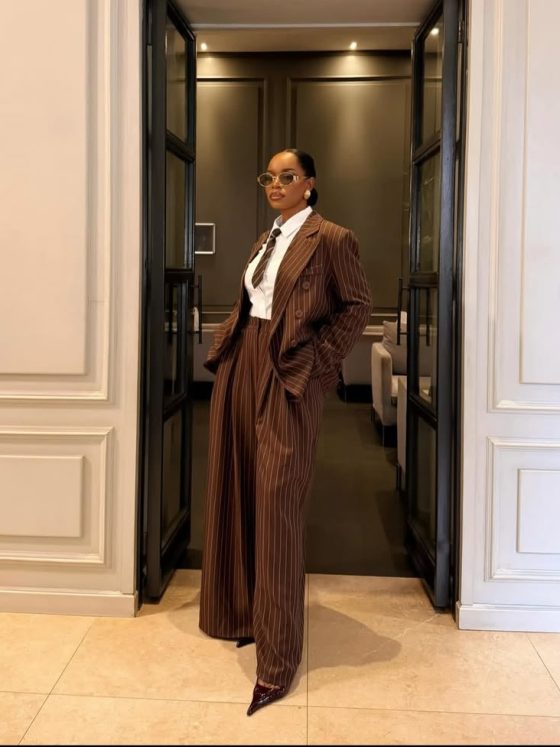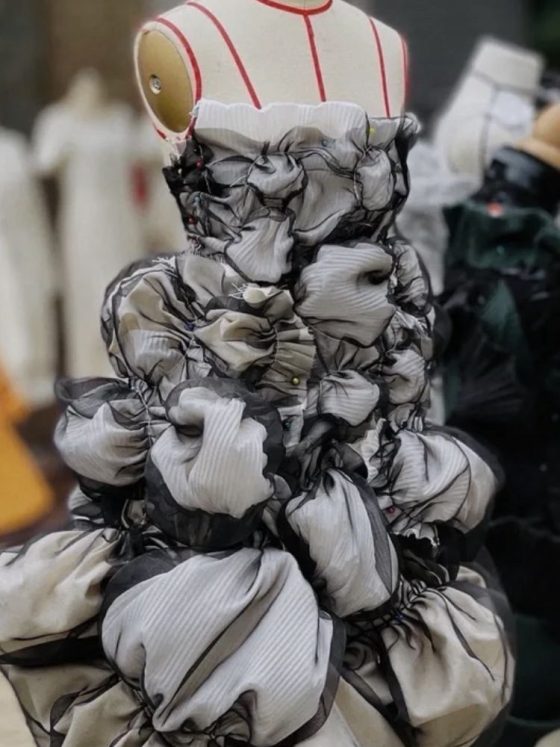
Fashion has always told a selective story.
It names certain cities as centres. Certain designers were pioneers. Certain aesthetics are universal. Everything else is positioned as influence, inspiration, or, at best, emergence.
But that narrative is beginning to fracture.
Because what has long been framed as peripheral is revealing itself as foundational.
Africa is no longer being referenced.
It is being recognised.
Not as a future possibility, but as an existing system of knowledge, craft, and design thinking that has always informed fashion, even when it was not acknowledged.
A sharp editorial on how African design, craft, and cultural systems are redefining the global future of fashion through authorship, innovation, and material intelligence.
Beyond Influence
For decades, Africa has been a global influence in the fashion lexicon.
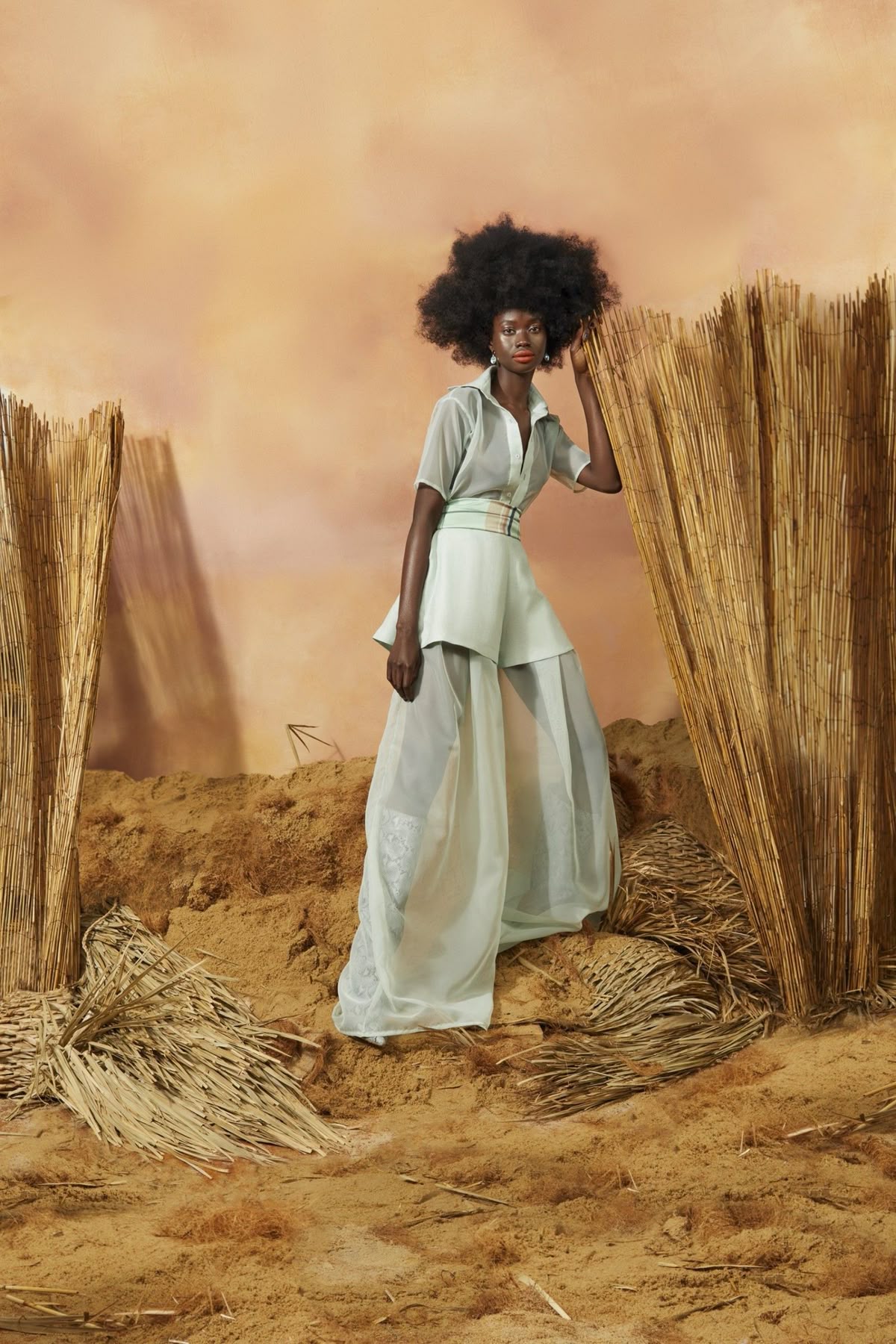
Prints. Textures. Colour. Surface-level elements extracted and reinterpreted within Western design systems. The continent is positioned as a visual resource rather than an intellectual contributor.
That framing is no longer sufficient.
Because what is now emerging is not aesthetic borrowing, but structural authorship. Designers working from within their own contexts are not translating their work to fit global standards.
They are redefining those standards.
This is not about visibility alone.
It is about authority.
Craft as Infrastructure
At the centre of this shift is craft.
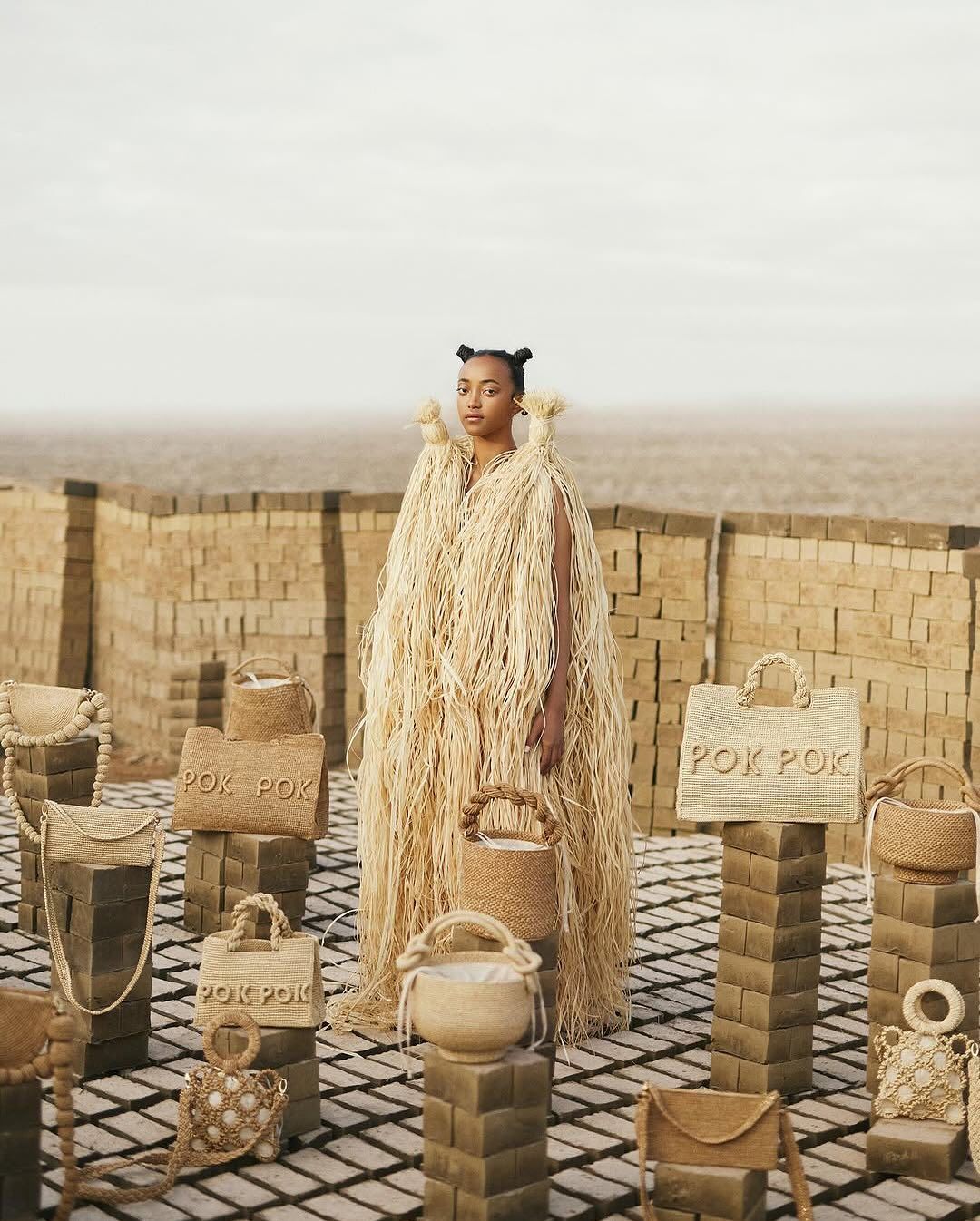
Not as decoration, but as infrastructure. Techniques that have existed for generations are now being recognised for what they are: systems of production, design, and material intelligence.
Weaving, dyeing, embroidery, and tailoring. These are not peripheral skills. They are foundational processes that shape how garments are constructed and understood.
What changes now is their positioning.
They are no longer hidden beneath branding or overshadowed by concept. They are foregrounded, examined, and allowed to define the work itself.
Rethinking Luxury
Luxury has long been defined through distance.
Distance from labour. From the origin. From the process. The final product was presented as seamless, detached from the systems that produced it.
African fashion disrupts this.
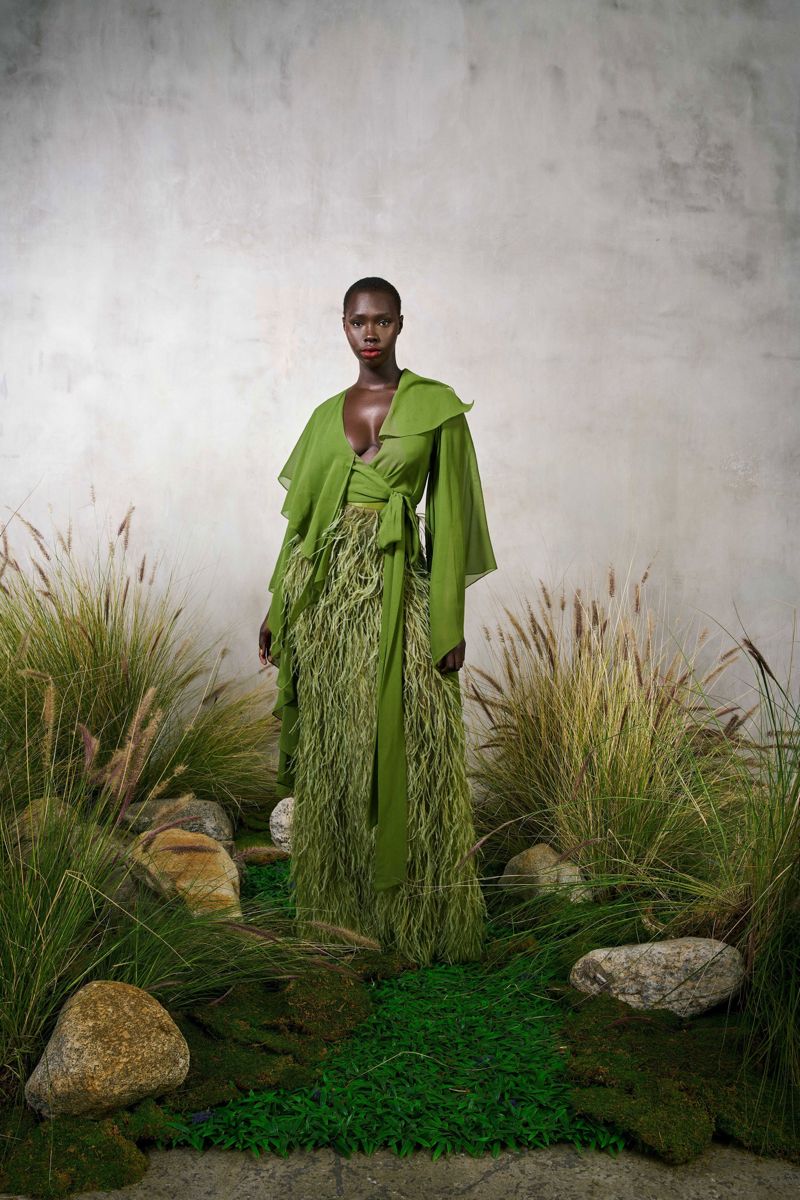
It brings the process back into view. Makes labour visible. Allows materials to retain their identity rather than smoothing them into uniformity.
This creates a different kind of luxury.
One that is not based on illusion but on clarity.
Where value is tied to how something is made, not just how it appears.
The Speed Problem
Global fashion moves fast.
Collections cycle rapidly. Trends emerge and disappear within months. The system is built on acceleration.
But acceleration has limits.
And increasingly, those limits are being exposed.
African design practices often operate at a different pace. Not slower due to limitations, but slower by design. Because certain processes cannot be rushed without compromise.
This introduces friction into the global system.
But it also introduces the possibility.
Because what cannot be accelerated often becomes what is most valued.
Material Intelligence
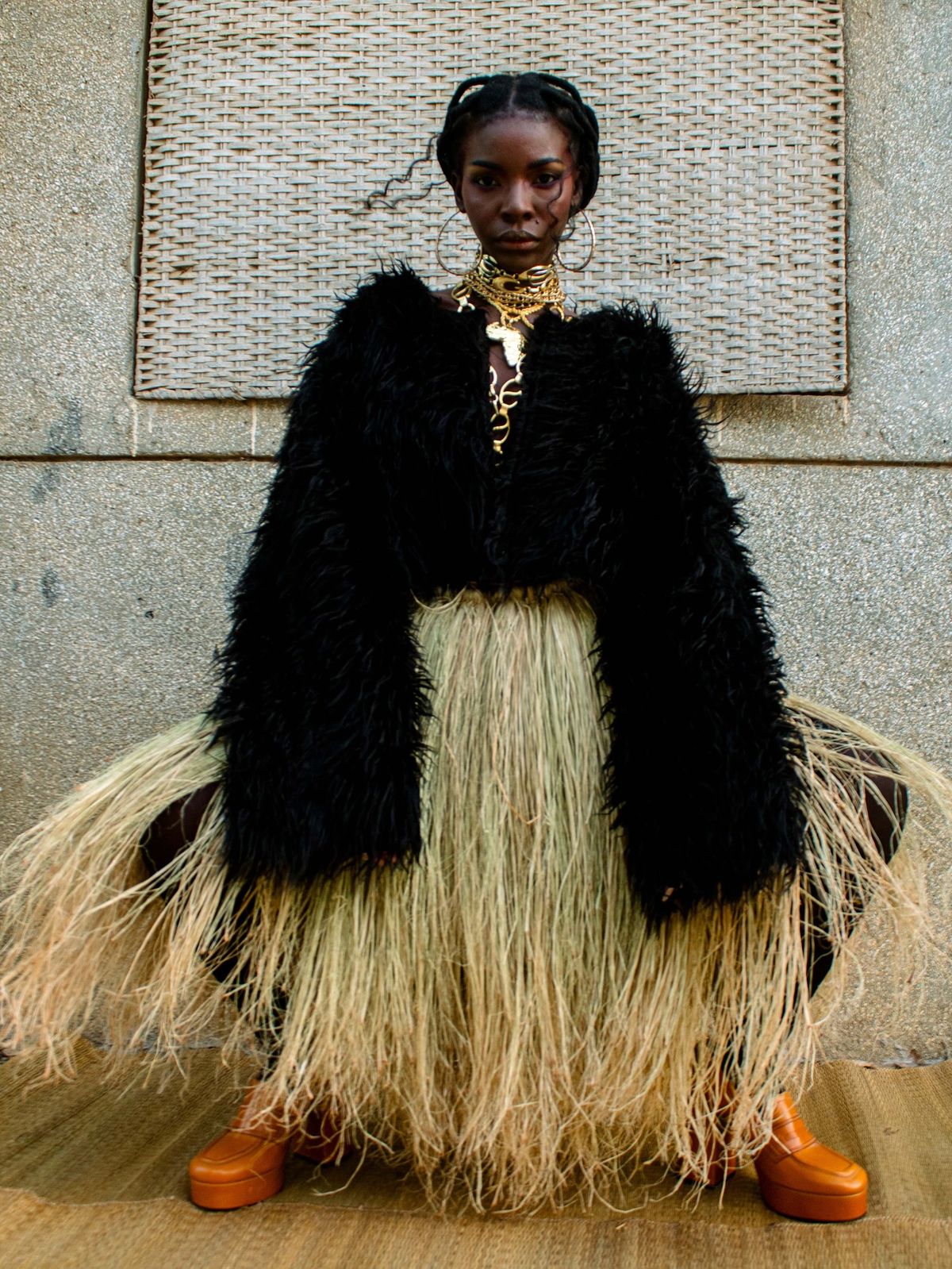
African fashion operates with a deep understanding of material.
Fabrics are not neutral. They respond to climate, movement, and use. Techniques evolve in relation to the environment, not in isolation from it.
This creates garments that are not only aesthetically pleasing but also functional in specific contexts.
As global fashion begins to confront sustainability, this knowledge becomes critical.
Because sustainability is not new.
It has always existed within systems that prioritise longevity, adaptability, and resource awareness.
What is new is the recognition of that knowledge.
READ ALSO:
- How African Fashion Weeks Are Reframing Global Conversations
- Loza Maléombho: Redefining African Fashion for the Global Stage
Designers as Authors
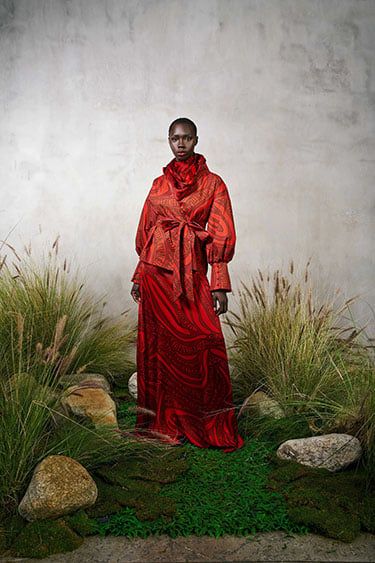
A new generation of designers is shifting how African fashion is perceived.
They are not presenting their work as an alternative.
They are presenting it as central.
Their collections are not framed around explanation or translation. They do not dilute their references to fit external expectations. Instead, they build from within their own systems of meaning.
This creates work that feels grounded, but not limited.
Specific, but not isolated.
Global, without losing its origin.
The Collapse of Hierarchies
Fashion has long operated within hierarchies.
Certain regions define taste. Others follow. Validation moves in one direction.
That structure is weakening.
As African designers gain visibility, the direction of influence becomes less linear. Ideas move in multiple directions. Authority becomes distributed rather than centralised.
This does not eliminate hierarchy.
But it destabilises it.
And in that instability, new possibilities emerge.
Beyond Representation
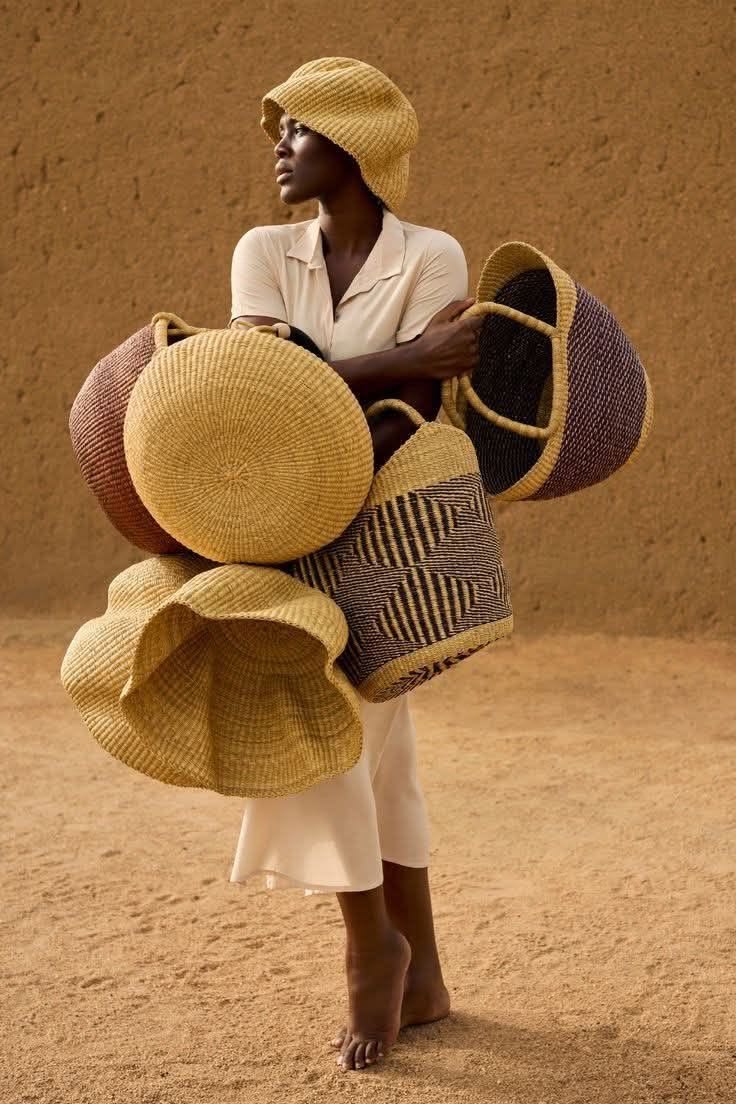
Representation, on its own, is not enough.
Visibility without control still leaves power elsewhere. What matters now is not just being seen, but being recognised as a source of direction.
This is where the shift becomes significant.
Because African fashion is no longer positioned as something to be included.
It is something that shapes.
To say that the future of fashion is rooted in Africa is not to make a prediction.
It is to correct a perspective.
The knowledge, systems, and practices now recognised as innovative have existed for decades, often centuries. What changes is not their presence, but their visibility.
The future does not arrive from nowhere.
It builds from what already exists.
And increasingly, that foundation is being acknowledged.
Conclusion
Fashion is in a moment of recalibration.
Old definitions of luxury, innovation, and authority are being questioned. New systems are emerging, not from invention alone, but from recognition.
In this context, Africa is not an addition to the conversation.
It is central to it.
Not because it is trending.
But because it has always been there.
FAQs
- Why is Africa important to the future of fashion?
Because of its deep systems of craft, material knowledge, and design practices, it is now gaining global recognition.
- What makes African fashion unique?
It’s the integration of heritage, functionality, and innovation within contemporary design.
- Is African fashion a trend?
No. It represents long-standing systems that are now being acknowledged globally.
- How is luxury being redefined?
Through craftsmanship, process visibility, and material intelligence.
- Are African designers influencing global fashion?
Yes. Increasingly, they are shaping design direction rather than just contributing inspiration.