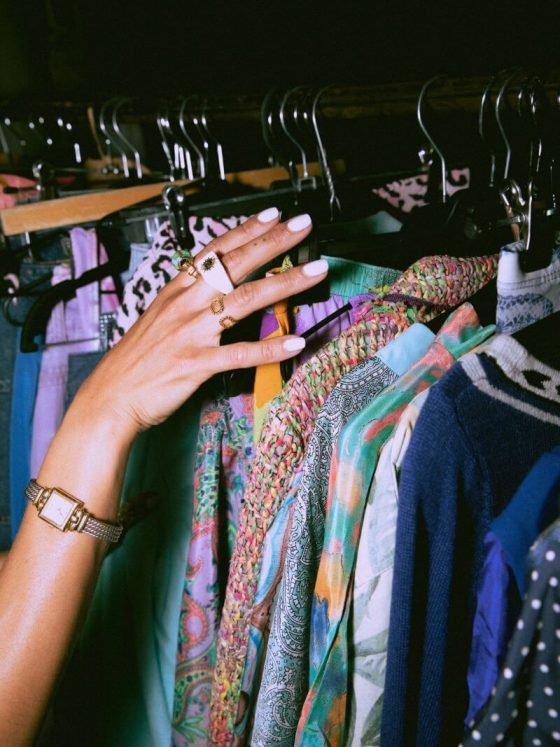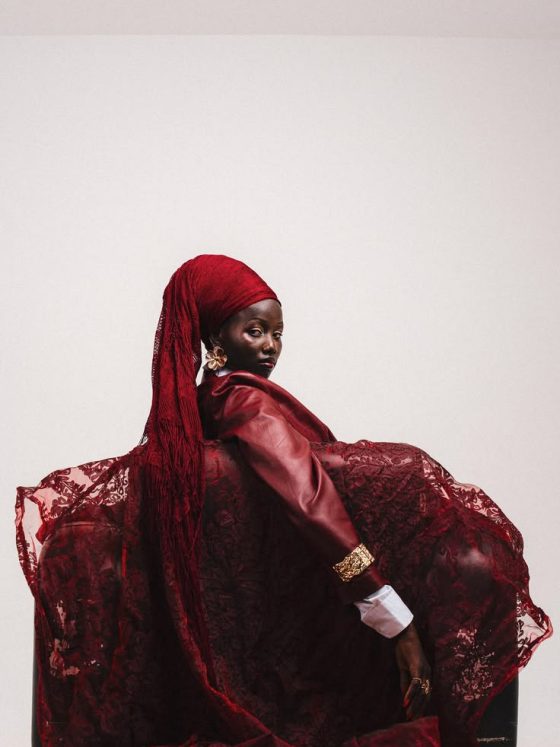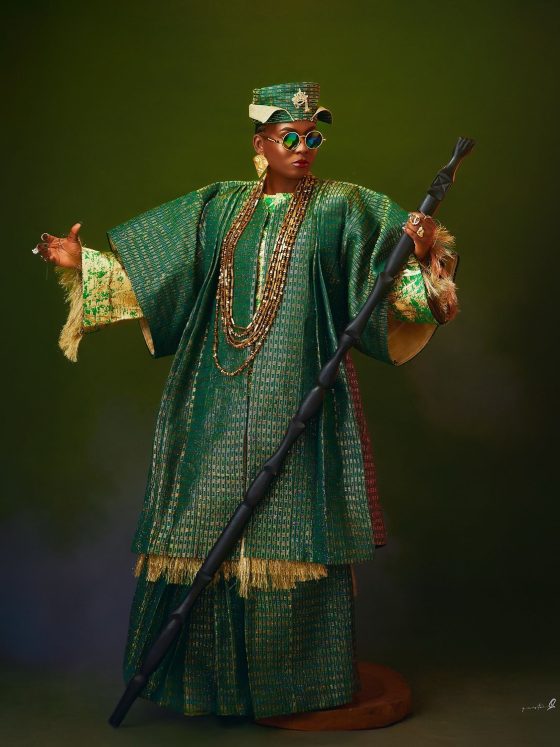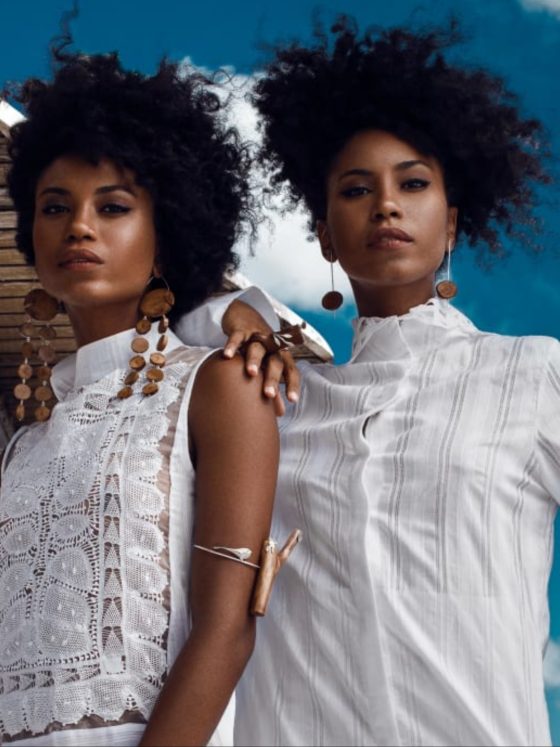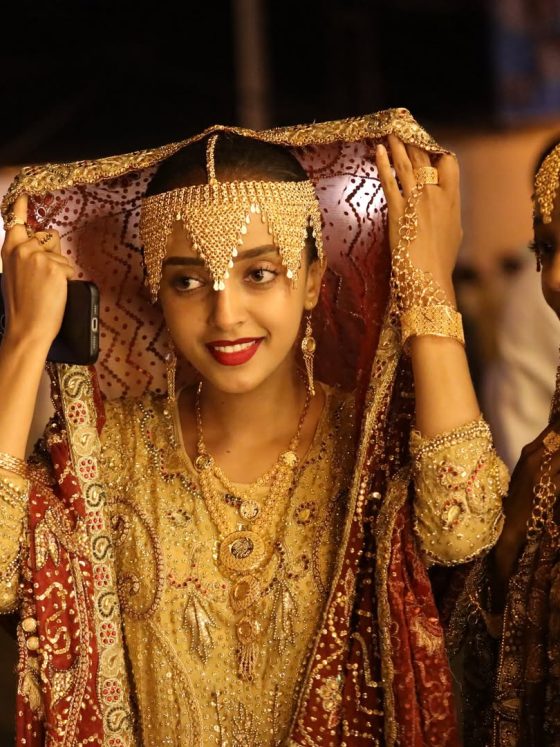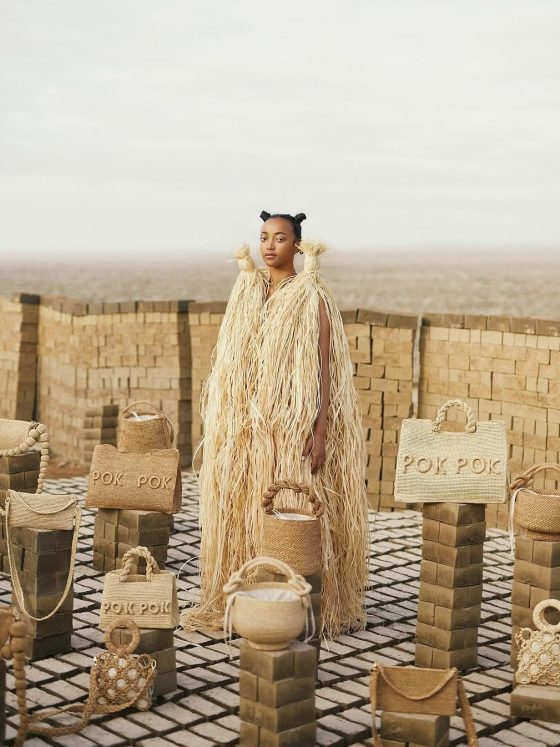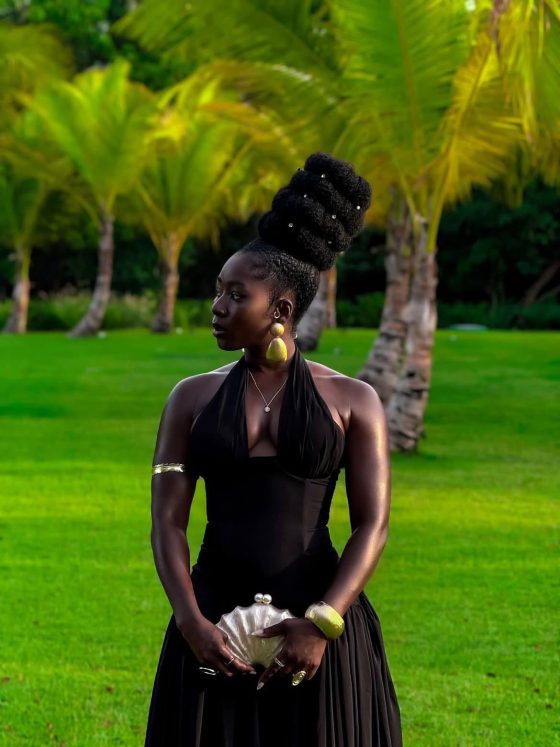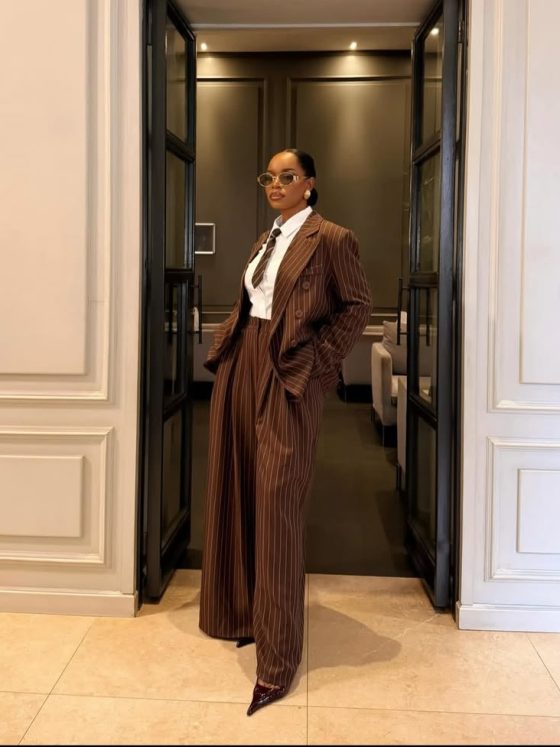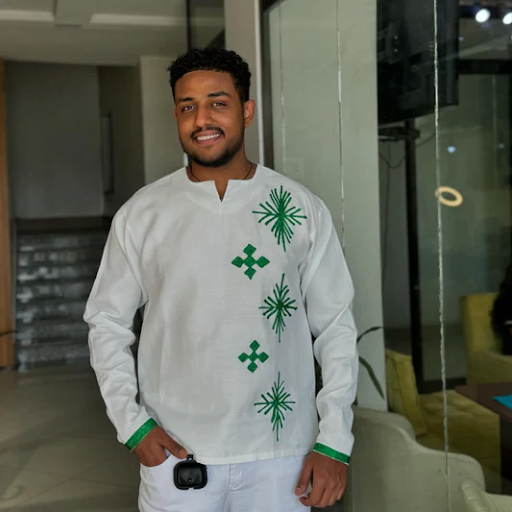
In Ethiopia, fashion is more than clothing; it is a visual language for identity, spirituality, and community. Crucially, Ethiopian dress expresses masculinity and gender not through strict binaries, but through purpose, dignity, and presence. This approach had quietly blurred lines between traditional masculinity and gender fluidity long before such topics entered global fashion debate. Ethiopian tailoring focuses on expanding, rather than restricting, definitions of identity.
As global fashion embraces gender-neutral silhouettes, Ethiopia’s menswear traditions feel relevant and prophetic. From flowing cotton robes worn by elders to tailored jackets crafted from handwoven textiles, Ethiopian men’s and gender-neutral fashion represents a continuum. It is about expanding masculinity, allowing softness, structure, tradition, and modernity to coexist.
For platforms like Omiren Styles, which position storytelling at the heart of fashion, Ethiopian tailoring offers something rare: a fashion language that is historically rooted, ethical, culturally grounded, and naturally aligned with contemporary conversations about identity.
Explore Ethiopian men’s and gender-neutral tailoring, from traditional silhouettes and handwoven fabrics to modern designers redefining African masculinity and inclusive style.
Historical Foundations: How Ethiopian Men Have Always Dressed Beyond Trends
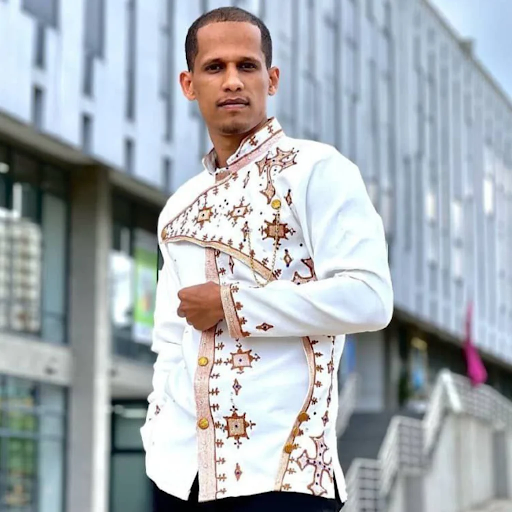
Ethiopian men’s clothing traditions stretch back centuries, shaped by climate, spirituality, and social structure. Unlike Western tailoring, which evolved around rigid class distinctions and body-conforming silhouettes, Ethiopian garments emphasise comfort, symbolism, and moral presence.
Men across Ethiopian regions have long draped the shamma, a handwoven cotton cloth, around their bodies. Its styling varies by occasion, but the garment itself is not strictly gendered. The way it is worn, along with its context and intent, is most important. For example, during religious ceremonies, elders and priests wear layered white garments, conveying humility and spiritual authority rather than physical display.
Similarly, long tunics, loose trousers, and wrapped shawls allowed the body to move freely, reflecting a worldview that valued restraint and balance. Masculinity was expressed through composure, responsibility, and wisdom, not exaggerated silhouettes or rigid tailoring.
This historical context is crucial. Ethiopian men’s fashion was never about spectacle. It was about alignment with faith, land, and community.
Fabric as Philosophy: Cotton, Weaving, and the Ethics of Ethiopian Tailoring
At the heart of Ethiopian tailoring lies fabric, specifically, handwoven cotton produced by local artisans using techniques passed down through generations. Unlike industrial textiles, these fabrics carry irregularities that are not flaws but signatures of human touch.
For men’s and gender-neutral fashion, such variation has powerful implications. The fabric does not cling to or aggressively sculpt the body. Instead, it drapes, flows, and adapts—allowing garments to exist beyond rigid body expectations. This feature is one reason Ethiopian textiles are well-suited to gender-neutral fashion.
Traditionally, weaving was a respected profession, with men dominant in some regions and women in others; this further complicates modern assumptions about gendered labour. The act of creation itself was communal, ethical, and deeply rooted in sustainability long before the term became fashionable.
Contemporary Ethiopian designers reinterpret these textiles as living materials—cut into blazers, coats, tunics, and wide-leg trousers that belong on global runways while remaining unmistakably Ethiopian.
Silhouettes of Power: From Flowing Robes to Modern Minimalism
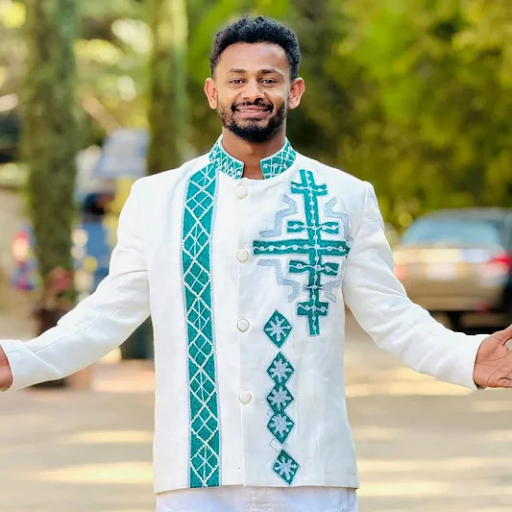
One of the most striking aspects of Ethiopian men’s and gender-neutral tailoring is its silhouette philosophy. Whereas Western men’s clothing often prioritises sharp angles and body definition, Ethiopian garments embrace verticality, drapery, and ease.
Long coats, extended tunics, wrap garments, and layered shawls create a commanding presence without aggression. These silhouettes allow the wearer to occupy space calmly, projecting authority through stillness rather than force.
Modern Ethiopian designers are refining these forms into minimalist tailoring: boxy jackets with hand-stitched details, collarless shirts inspired by traditional tunics, and unisex garments that refuse to declare themselves as “menswear” or “womenswear”.
This approach aligns seamlessly with global gender-neutral fashion trends, yet Ethiopia’s version feels more authentic because it is not reactive. It is rooted.
Gender-Neutral Fashion: Ethiopia’s Unspoken Legacy
Ethiopian dress has long functioned beyond fixed gender categories, despite the perception of gender-neutral fashion as a recent Western innovation. Many traditional garments differ in their styling, use of colour, or ceremonial purpose, but not in their construction.
This flexibility allows Ethiopian designers to create inclusive collections. Garments are for bodies, not genders. For Omiren Styles’ global audience, the result is a story in which inclusivity is inherent, not invented.
The rise of gender-neutral African fashion globally has placed Ethiopia in a unique position. Its traditions offer a blueprint for designers seeking to move beyond trend-driven inclusivity toward something more meaningful and enduring.
Modern Ethiopian Menswear Designers: Crafting a New Narrative
Across Addis Ababa and the diaspora, a new generation of designers is redefining Ethiopian men’s fashion. They are blending traditional weaving with contemporary tailoring to create garments that resonate with global audiences without diluting their roots.
These designers often favour muted colour palettes, ivory, sand, charcoal, and deep indigo, allowing texture and form to take centre stage. Embroidery is used sparingly, often referencing ancient motifs rather than dominating the design.
What emerges is a style that feels intellectual, restrained, and quietly radical. Ethiopian menswear is not shouting for attention. It is inviting closer inspection.
Spirituality and Masculinity: Dressing with Purpose
Ethiopian culture places a strong emphasis on spirituality, which profoundly influences men’s fashion. Clothing is not merely aesthetic; it is ethical. Modesty, cleanliness, and intentionality are valued over excess.
This spiritual grounding offers a counter-narrative to hyper-commercialised menswear, grounding masculinity in responsibility and reflection rather than dominance or display.
In a world increasingly fatigued by fast fashion and hollow trends, Ethiopian tailoring offers something rare: depth.
ALSO READ:
- What the Most Influential Fashion Pieces of 2026 Communicate Today
- BUZIGAHILL: The Ugandan Label Shaping Global Upcycling
- Woven Legacy, Global Stage: The Netela’s Rise to Iconic Elegance
Global Relevance: Why Ethiopian Men’s Fashion Resonates Today
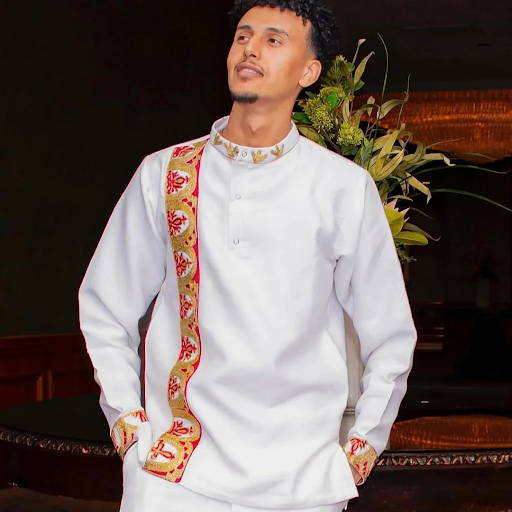
The global fashion industry is in transition. Consumers are questioning gender norms, sustainability, and cultural authenticity. Ethiopian men’s and gender-neutral tailoring sit at the intersection of all three.
It offers:
- Sustainable materials
- Inclusive silhouettes
- Cultural depth
- Ethical production
- A non-Western vision of modernity
For Omiren Styles, this positions Ethiopian fashion not as a niche story but as a global reference point.
The Future of Ethiopian Men’s & Gender-Neutral Tailoring
As Ethiopian fashion continues to gain international visibility, its menswear tradition has the potential to reshape perceptions of African masculinity. This approach is not rigid or performative; instead, it is layered, thoughtful, and evolving.
The challenge ahead lies in scaling without erasing. Preserving artisan knowledge while engaging global markets will require intentional storytelling and responsible collaboration.
If done right, Ethiopian men’s and gender-neutral fashion will not just follow global trends—it will redefine them.
Step into style — explore Fashion on OmirenStyles.
FAQs: Ethiopian Men’s & Gender-Neutral Fashion
1. What defines Ethiopian men’s fashion?
Ethiopian men’s fashion is defined by handwoven fabrics, flowing silhouettes, spiritual symbolism, and ethical craftsmanship rooted in centuries-old traditions.
2. Is Ethiopian fashion gender-neutral?
Many traditional Ethiopian garments are naturally gender-neutral, differing more in styling and context than in structure, making them ideal for inclusive modern fashion.
3. What fabrics are commonly used in Ethiopian tailoring?
Handwoven cotton is the most common and is prized for its breathability, durability, and cultural significance.
4. How is Ethiopian menswear influencing global fashion?
Through its sustainable practices, minimalist aesthetics, and non-binary silhouettes, Ethiopian menswear aligns strongly with current global fashion movements.
5. Why is Ethiopian fashion important for African identity?
It offers a self-defined narrative of African modernity—rooted in history, ethics, and cultural pride rather than external validation.