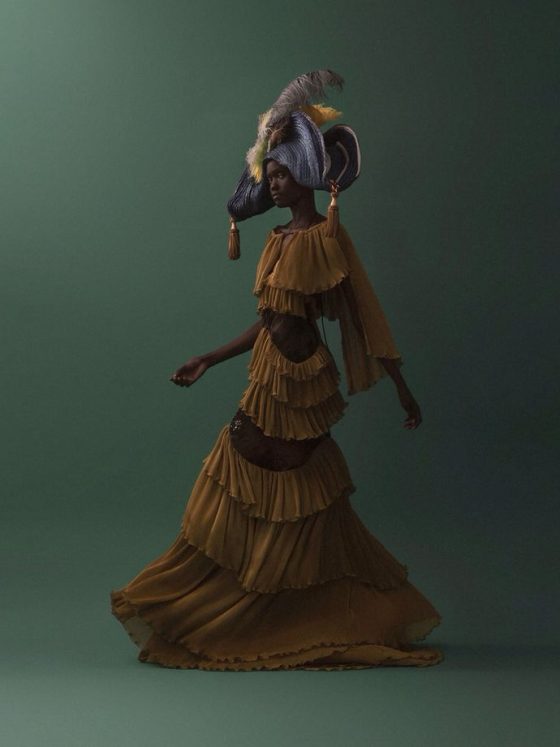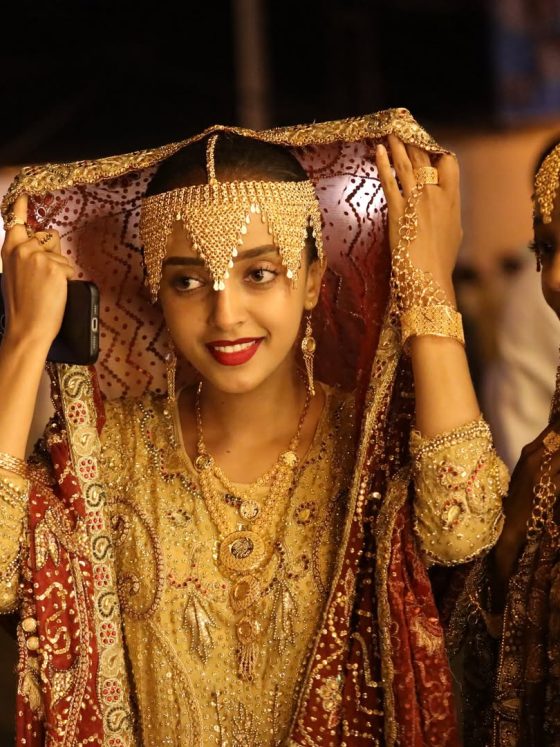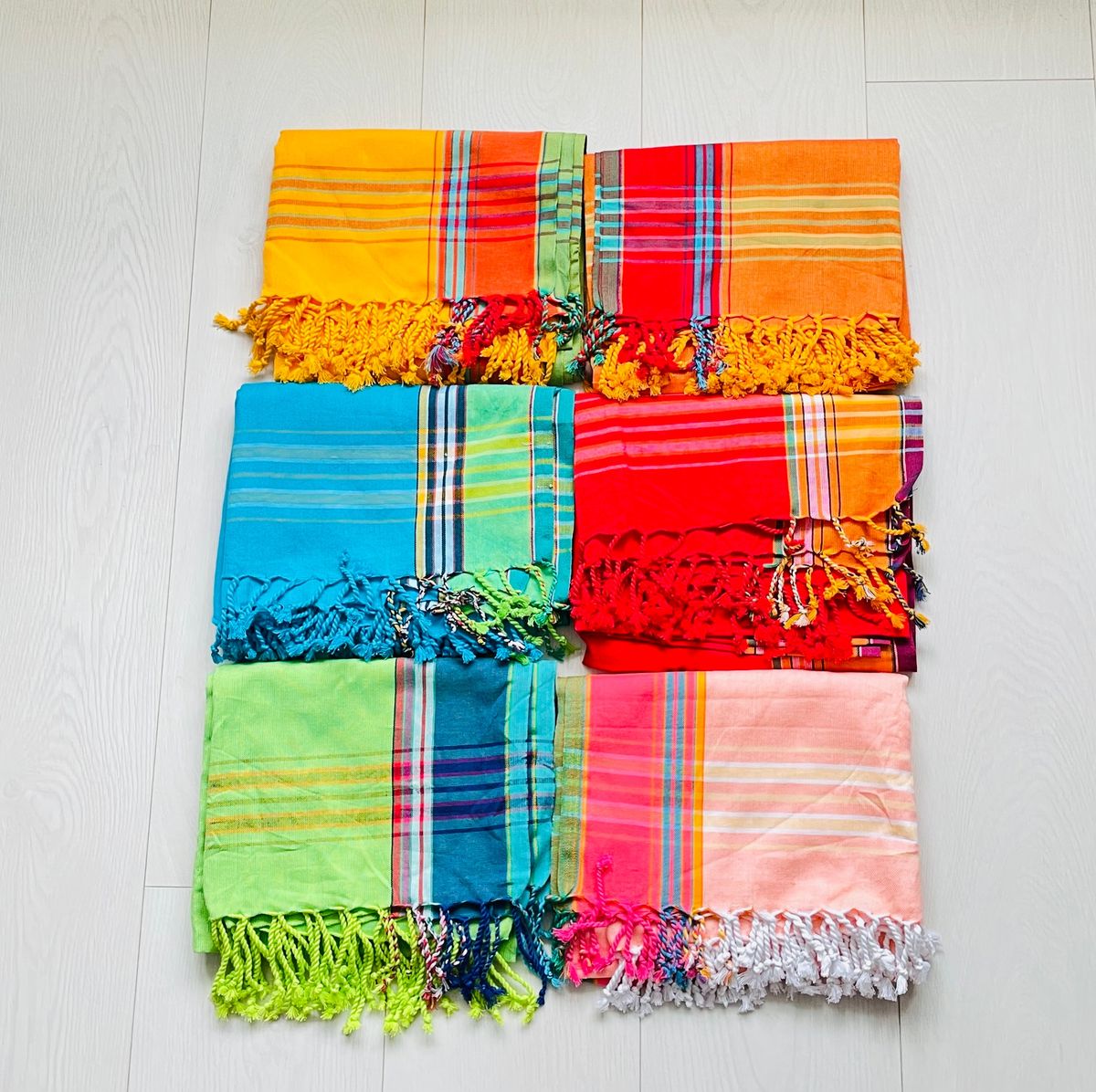
East Africa’s Kikoi is everywhere and nowhere at the same time. It appears in resortwear collections, luxury beachwear features, and fashion weeks that celebrate ease without naming the places that shaped the aesthetic.
What most narratives call effortless dressing or resort chic began as something more grounded and intentional on the Swahili coast. Long before it entered global fashion lexicons, the kikoi existed as a textile solution born from climate, material know-how, and centuries of cultural exchange.
It didn’t need runway validation to be stylish. Yet the way the global fashion industry talks about the kikoi often focuses on its appearance while muting its origin.
That omission isn’t accidental. It reflects a larger pattern in fashion media, in which aesthetics originating in African and diaspora contexts are consumed, renamed, and circulated without consistent recognition of authorship.
East Africa’s Kikoi has moved from the Swahili coast into global resortwear and luxury fashion. But as the textile travels, its authorship is too often left behind.
East Africa’s Kikoi Was Always More Than a Beach Wrap
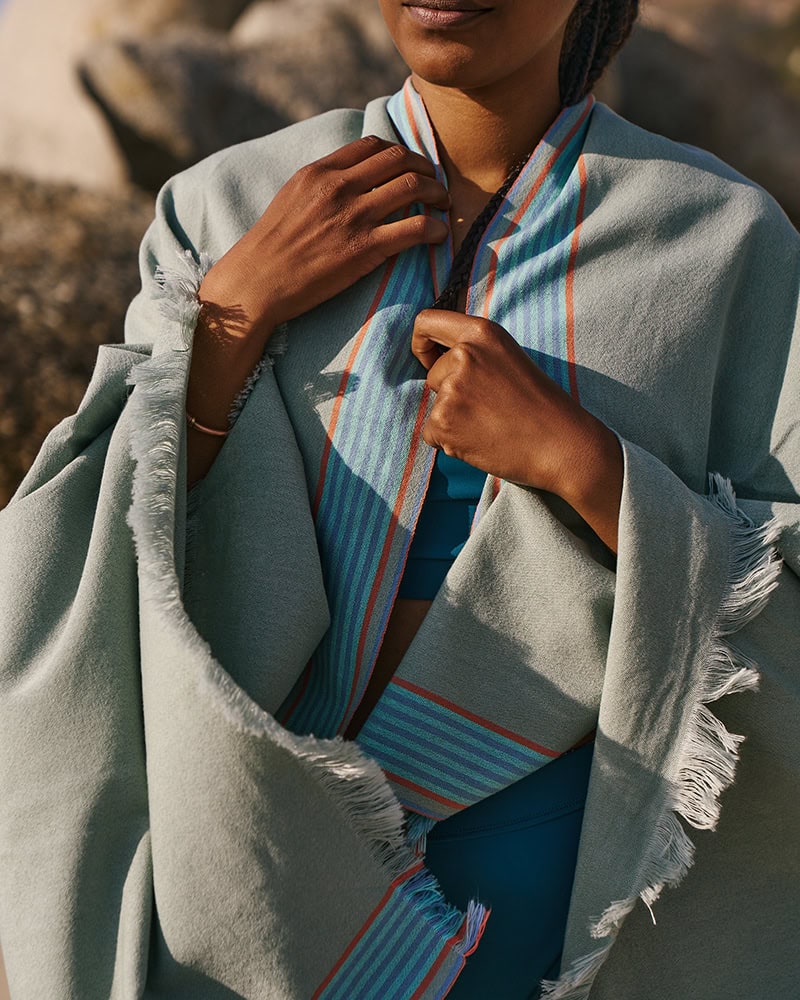
The kikoi is a rectangular cotton cloth made for centuries along the Swahili coast of Kenya, Tanzania, and parts of Mozambique.
It grew from the daily life and trade of coastal communities long before it became beachwear.
The kikoi was never just clothing. Women used it as a wrap, a baby carrier, or a headscarf. Men wore it as a sarong or over their shoulders.
It could also serve as a towel, blanket, or privacy cover. Its colours, stripes, and patterns carried meaning. They showed a person’s age, whether they were married, and where they came from.
The kikoi told stories, shared traditions, and passed on skills from one generation to the next.
Today, its colours, patterns, and design inspire African resortwear and international fashion.
Centuries of Craft and Culture Shaped East Africa’s Kikoi
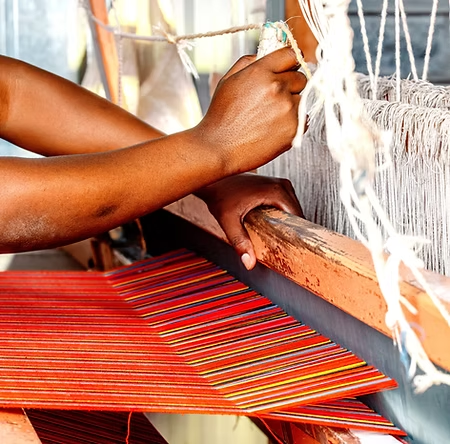
The kikoi’s story reaches back hundreds of years along the Swahili coast of Kenya, Tanzania, and Mozambique.
Coastal communities were hubs of trade across the Indian Ocean, exchanging cotton, dyes, and weaving techniques with Arabia, India, and beyond.
Weavers adapted these techniques to local needs, creating a textile that was both durable and suitable for hot, humid climates.
Over generations, these communities refined their craft, ensuring the skills and methods were passed down.
This history shows that the kikoi is not just a fabric but a product of centuries of knowledge, cultural exchange, and practical innovation.
Its journey into global fashion today reflects the endurance of this craft, rather than a new trend.
Global Fashion Adopts the Kikoi but Often Ignores Its Origins
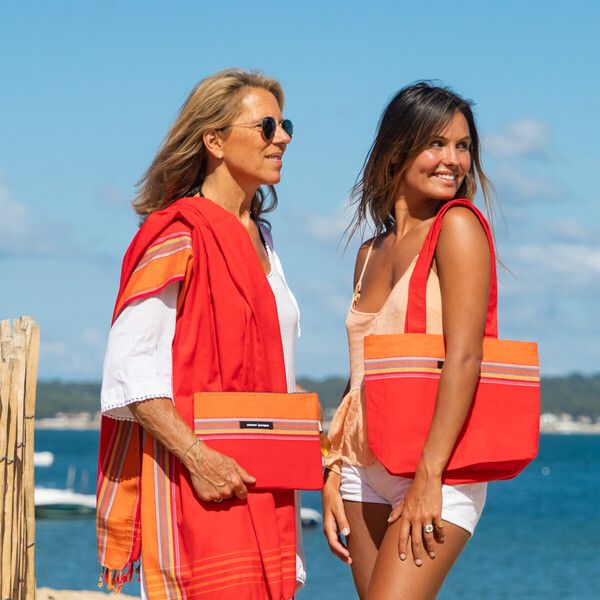
The kikoi’s journey into contemporary fashion is part of a bigger story of how ancient textiles meet modern style. Designers and brands around the world now feature kikoi‑inspired garments, accessories, and accents in luxury lines and resortwear lines.
This shift reflects broader trends in global fashion that value authentic craftsmanship and sustainable textiles as alternatives to fast fashion. Despite this visibility, the story behind the cloth often disappears.
Fashion editors and stylists admire its stripes and visual rhythm without explaining the deep cultural heritage that shaped them.
Treating the kikoi as a decorative pattern rather than a heritage design strips away the social and historical knowledge woven into its structure.
Authentic kikoi is made through generations of skilled handloom work. Master weavers prepare threads and integrate colours into the weave itself, not just printed on the surface.
These patterns are an integrated part of the textile’s structure, requiring mathematical patterning and artistic skill that modern mass production rarely replicates.
The global fashion world’s adoption shows the cloth’s strength and versatility. Yet admiration alone doesn’t tell the full story.
Without explicit acknowledgement of the Swahili coast and its communities, the narrative of influence becomes incomplete.
When this happens, a centuries‑old tradition is reduced to an aesthetic trend.
Also Read
- East African Textile Untold: Kitenge, Kikoi, and the Coastal Cloth
- Ethiopian Tibeb in the Modern Boardroom: Power Dressing Rooted in Heritage
- Music, Identity, and Dress: Afrobeats And The Clothes That Travel With It
- The Whispering Fabric: Proverbial Grace from the Swahili Coast
From Coastal Craft to International Fashion

The journey of East Africa’s kikoi into international fashion is rooted in centuries of coastal exchange and evolving craft traditions.
The cloth’s history stretches back along the Swahili coast, where city-states like Kilwa, Mombasa, Lamu, and Zanzibar were thriving trade hubs linking Africa, Arabia, Persia, and India.
These networks not only moved goods but also brought weaving techniques, dyes, and ideas that influenced the kikoi’s distinctive character.
Swahili weavers incorporated these influences while keeping the textile rooted in local practice. Then, they created a fabric that was durable, flexible, and visually distinctive.
Over time, the kikoi began to inspire contemporary designers such as Kenya’s Sally Karago. She worked to integrate traditional techniques into modern garments.
Today, the cloth appears in resortwear collections, sustainable fashion lines, and global markets that value authenticity. The kikoi’s influence now reaches North America, Europe, Australia and beyond.
International labels such as KOIKOI Clothing International build seasonal collections around traditional kikoi fabric. They market pieces that balance cultural roots with global design sensibilities.
Ethical and sustainable fashion movements also champion textiles for their craftsmanship, natural materials, and cultural authenticity. This helps it find audiences far from its Swahili coast origins.
East Africa’s Kikoi Is Changing How Fashion Understands Ease

One reason East Africa’s Kikoi continues to resonate internationally is that it offers something many modern brands are still trying to achieve.
That is, clothes that feel easy without looking careless. Its appeal isn’t only visual.
Before exploring why the kikoi works so well in contemporary wardrobes, it’s important to look at the qualities that make it versatile.
Lightness, Structure, and Wearability
The fabric’s lightweight cotton build, breathable weave, and soft but structured drape make it naturally suited to the kind of clothing fashion keeps returning to.
This is especially true in warm-weather dressing, luxury casualwear, and relaxed tailoring.
Depth Through Craft
Authentic kikoi is woven, not simply printed, which gives it a depth and movement that many mass-produced fabrics struggle to imitate.
This matters because much of contemporary fashion is moving away from stiffness and overdesign.
Designers are increasingly drawn to garments that feel fluid, wearable, and refined. The kikoi already carries that logic.
Balance and Elegance
It does not need a heavy structure or excess embellishment to feel complete.
Its strength lies in offering lightness with presence, simplicity with intention, and comfort with polish.
The cloth fits into a wider shift toward pieces that can move between leisure, travel, and everyday style without losing elegance.
Heritage as Fashion Thinking
In that sense, East Africa’s kikoi isn’t being adopted only for its looks. It represents a way of thinking about fashion, one where heritage, skill, and function inform beauty.
Also, one where ease is earned through craft rather than simulated through shortcuts.
East Africa’s Kikoi Deserves Recognition, Not Just Admiration
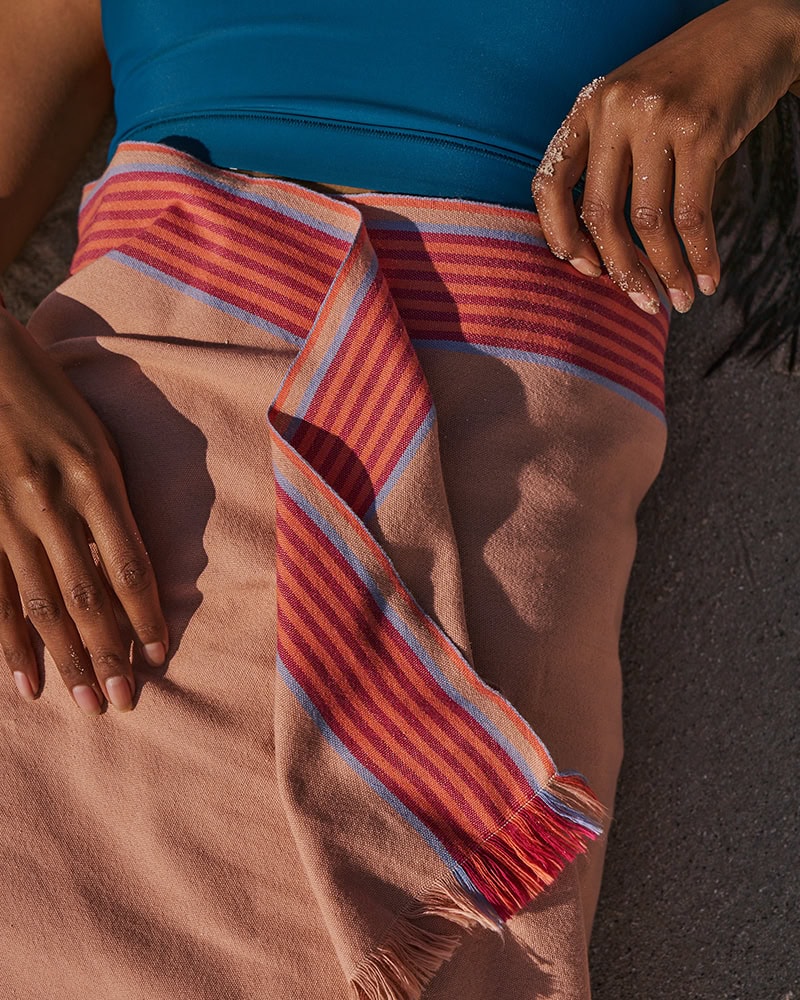
East Africa’s kikoi has made waves globally, appearing in resortwear lines, luxury collections, and international markets. Also, ethical and sustainable fashion movements celebrate their craft and natural fibres.
Yet much of the fashion world praises the cloth’s aesthetics while ignoring the Swahili Coast communities that created it. This erasure reduces a centuries-old tradition to a trend rather than a product of skill, culture, and innovation.
Acknowledging the kikoi’s origin is not just a matter of courtesy. It is recognition of the creators whose expertise shaped a textile now admired worldwide. The kikoi is not merely an influence; it is the foundation for styles now seen worldwide, and that lineage must be acknowledged.
The Omiren Argument
East Africa’s Kikoi is not a trend that fashion discovered. It is a textile that fashion arrived at, long after coastal communities had already resolved every question about how cloth should move in heat, hold up against sea air, and carry meaning beyond its surface.
That distinction matters because the global fashion industry has a consistent pattern of separating the cloth from the context. The kikoi enters resortwear collections with ease. It enters luxury beachwear with effortlessness. It enters trend reports as resort chic. What it does not enter, in most of these spaces, is as a Swahili coast design tradition built over centuries through specific weaving knowledge, cultural exchange, and communities whose names are rarely in the caption.
This is not carelessness. It is a structure. When aesthetics travel without their origins, the people who built them are written out of the story at the exact moment their work becomes valuable to someone else. The kikoi’s stripes are not decorative. They carried information about age, marital status, and geographic identity. That is not background detail. That is the entire design logic. To admire the pattern without naming what it meant is to take the conclusion and leave the argument behind.
Omiren Styles exists to insist that the argument travels with the cloth. Not because attribution is a courtesy, but because without it, what global fashion calls innovation is often inheritance with the label removed. The Swahili coast weavers who refined this textile over generations were not producing raw material for someone else’s collection. They were producing a complete design language. That language deserves to be read in full, not sampled.
That is the Omiren Argument. Authorship does not expire when a textile crosses a border. And the most honest fashion is the kind that knows exactly where it learned what it knows.
Frequently Asked Questions
1. Why Is Kikoi Fabric Important in Contemporary Fashion?
The kikoi has moved beyond its regional use to become a global fashion staple because of its cultural heritage, lightweight construction, and versatility. Designers and fashion movements include it in resortwear, accessories, and contemporary collections, often valuing its craftsmanship and historical depth.
2. What Are Common Uses of Kikoi Cloth?
Traditionally, the kikoi was worn as a sarong, wrapped around the waist. But it is also used as a towel, shawl, baby wrap, head covering, or even a home textile. Its versatility made it a practical textile for everyday life on the coast.
3. How Is Authentic Kikoi Fabric Made?
Authentic kikoi is woven from cotton on a handloom, with patterns and stripes integrated into the weave rather than printed on the surface. This weaving method gives the fabric depth, movement, and durability.
4. What is a kikoi, and where does it come from?
A kikoi is a traditional rectangular woven cotton cloth from the Swahili coast of East Africa, especially Kenya and Tanzania. It is part of coastal culture and was originally worn as a sarong or wrap for daily use.