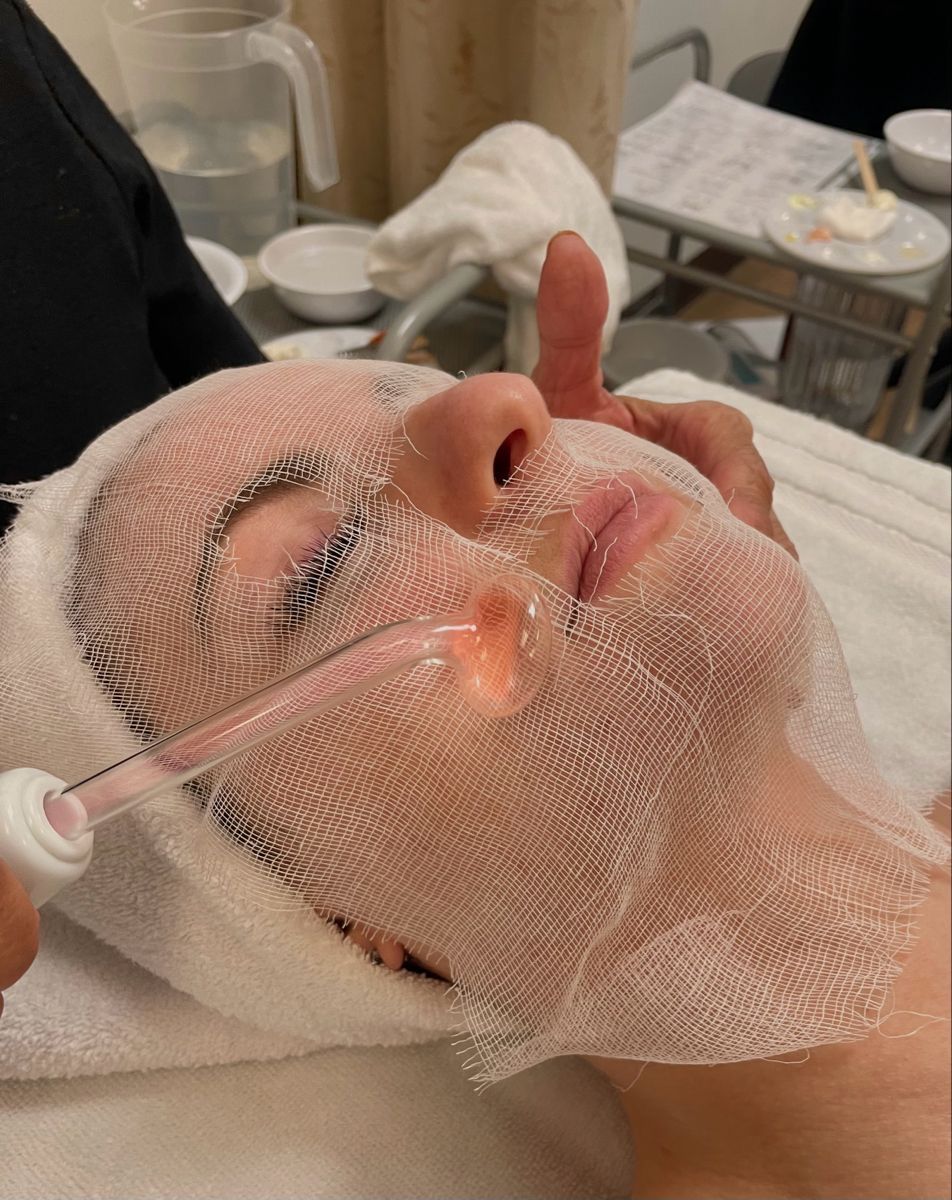
Dermatology clinics are no longer quiet consulting rooms tucked behind hospital corridors. They have become places where science, self-expression, and cultural identity meet. Across global cities and African urban centres alike, skincare is being redefined not as vanity but as care, confidence, and continuity. What once focused strictly on treating conditions now shapes how people choose to present themselves, invest in longevity, and engage with modern luxury.
This evolution did not happen by accident. It reflects changing lifestyles, rising awareness, and a more profound respect for skin as both biology and story. From evidence-led treatments to thoughtfully designed spaces and culturally aware care, dermatology clinics now sit at the intersection of medicine, aesthetics, and lived experience.
From clinical consultation to cosmetic innovation, dermatology clinics reshape skincare, luxury care, and cultural narratives across Africa and beyond today
Clinics evolved because patient expectations evolved. People demand results that are safe, consistent, and visible, but they also want experiences that feel intentional and culturally resonant. That dual demand elevated clinics that combine evidence-based medicine with refined service design. Clinical competence establishes trust; curated experiences build loyalty. Economic change also fuels demand. Growing urban middle classes in cities from Lagos to Nairobi allocate disposable income to appearance and prevention. That shift is not trivial. It reorients spending from mass retail toward clinic-led regimens and medical-grade formulations sold alongside services. Clinics that bundle treatment, bespoke product recommendations, and follow-up convert one-off visitors into recurring patients.
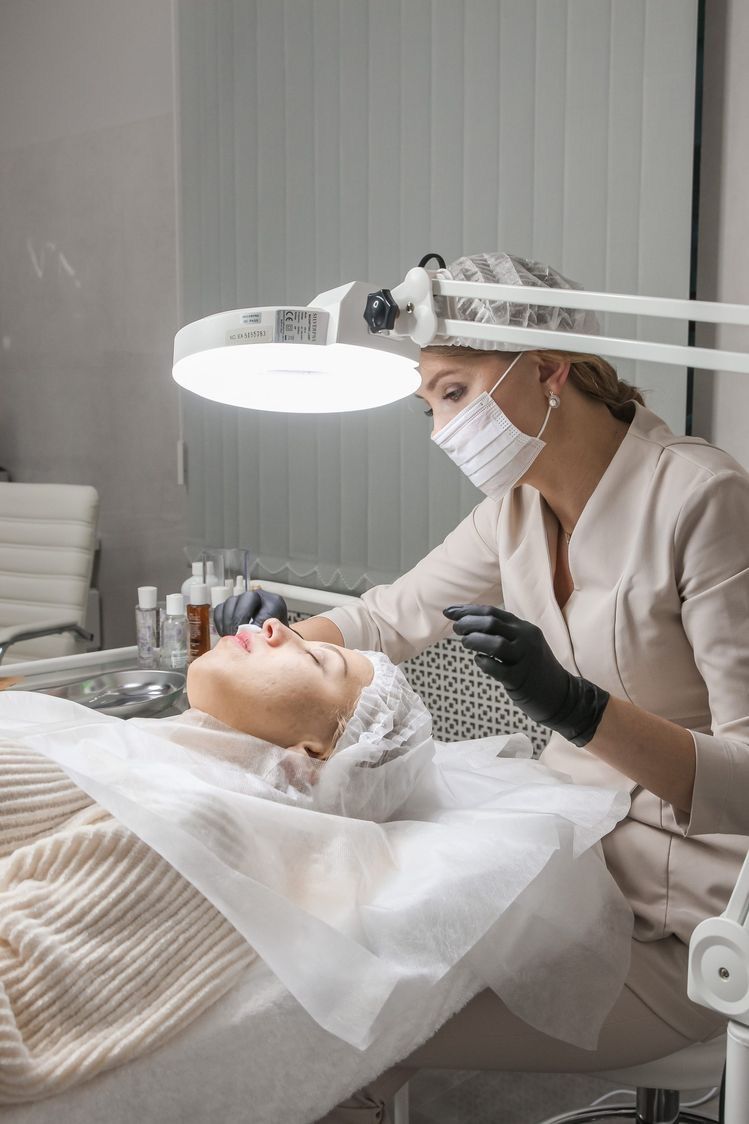
Technology accelerates scale and reach. Teledermatology extends expertise beyond metropolitan centres, while image-driven triage and digital patient journeys compress appointment friction. Clinics that integrate secure patient data systems, e-prescribing, and e-commerce convert medical visits into lifetime care relationships. Technology also raises standards; clinics that adopt validated devices and clinically proven protocols gain a measurable competitive advantage.
READ ALSO:
Social and cultural currents amplify growth. Social platforms highlight transformations and normalise procedures across demographics. But in Africa, the narrative is more layered. Local aesthetics, traditional beauty practices, and contemporary luxury intersect. Clinics that respect cultural craftsmanship and acknowledge local rituals, skin tones, and storytelling win credibility. They do not simply transplant foreign ideals; they translate them into regionally meaningful care.
Medical ethics and regulation are the constraints that govern sustainable expansion. The rise of unregulated providers has been a parallel challenge. Patient safety demands certified practitioners, transparent consent processes, and supply chain integrity for injectables and devices. Clinics that foreground accreditation, visible safety protocols, and patient education position themselves as trustworthy stewards in a crowded market.
Sustainability is increasingly a brand differentiator. Patients notice provenance, packaging waste, and ingredient transparency. Clinics that stock ethically sourced dermocosmetics, minimise single-use plastics, and communicate supply chain responsibility create a modern definition of luxury that matters to younger, more conscious consumers.
Business models are pragmatic and hybrid. Successful clinics mix medical consultations, paid aesthetic procedures, product retail, subscription follow-ups, and digital content. Having different ways to make money helps avoid slow periods. It keeps everyone motivated: a doctor who recommends a regular treatment plan benefits when patients stick to it, and a clinic that offers easy online consultations keeps patients engaged until their next in-person visit.
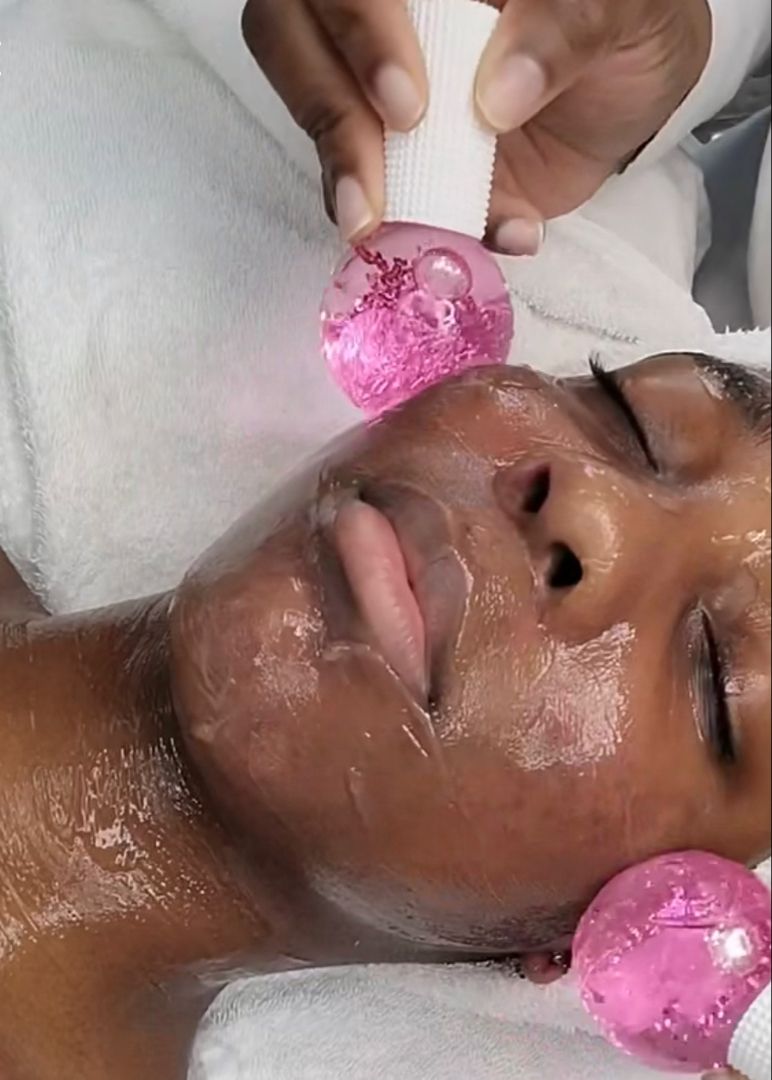
For creators and entrepreneurs, this expansion is fertile ground. Content that explains procedures with clinical clarity and aesthetic sensibility performs well. Story-driven documentation and patient journeys that respect dignity and consent build both demand and informed choice. Visual storytelling that foregrounds craft, context, and outcomes helps clinics differentiate in ways that advertising alone cannot.
Finally, the diaspora and global artistic influence shape both supply and aspiration. Treatments and product formulas travel across borders; talent moves in both directions. That exchange elevates standards while allowing African clinics to export uniquely local narratives and products. Clinics that harness this cross-cultural flow can position themselves as nodes in a global network rather than isolated providers.
Conclusion
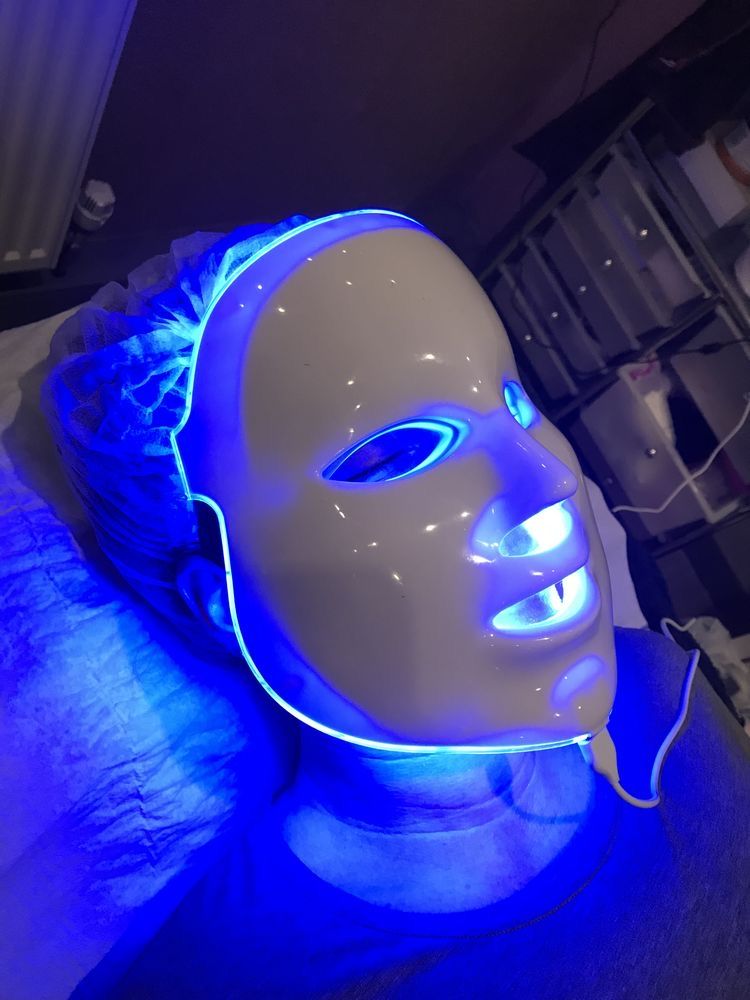
The rise of dermatology clinics reflects a convergence: medical expertise, design-forward service, ethical luxury, and cultural narrative. Clinics that succeed will marry clinical excellence with intentional experience, commit to patient safety and transparency, and root their services in local artistry and global innovation. For clinicians, creatives, and investors, the opportunity is clear: build with standards, tell stories with respect, and offer care that endures.
5 FAQs
1. What differentiates medical dermatology from aesthetic dermatology
Medical dermatology treats skin disease and systemic conditions. Aesthetic dermatology focuses on procedures and regimens to improve appearance. Quality clinics provide both undercertified oversight.
2. How can clinics in Africa balance modern treatments with local cultural practices?
By listening to patients, collaborating with cultural practitioners where appropriate, and adapting protocols to respect skin diversity and traditional preferences while maintaining safety.
3. Are teledermatology consultations reliable?
When supported by high-quality images, validated triage protocols, and follow-up pathways, teledermatology is reliable for many conditions and is a practical gateway to in-person care when needed.
4. What signals indicate a trustworthy dermatology clinic?
Board-certified clinicians, transparent pricing and consent forms, clear device and product provenance, documented safety protocols, and verifiable patient outcomes.
5. How can creatives ethically work with clinics on patient storytelling?
Obtain informed, written consent; prioritise patient dignity; avoid exaggerated claims; present realistic timelines and outcomes; and ensure content aligns with medical guidance and local regulations.