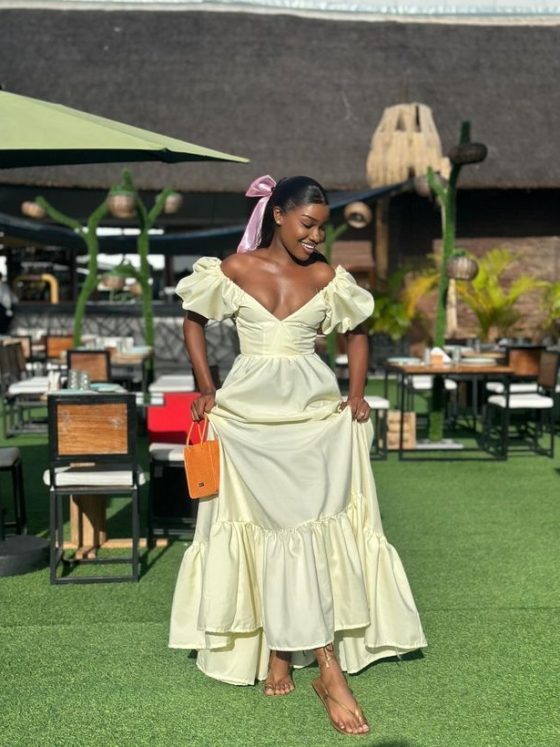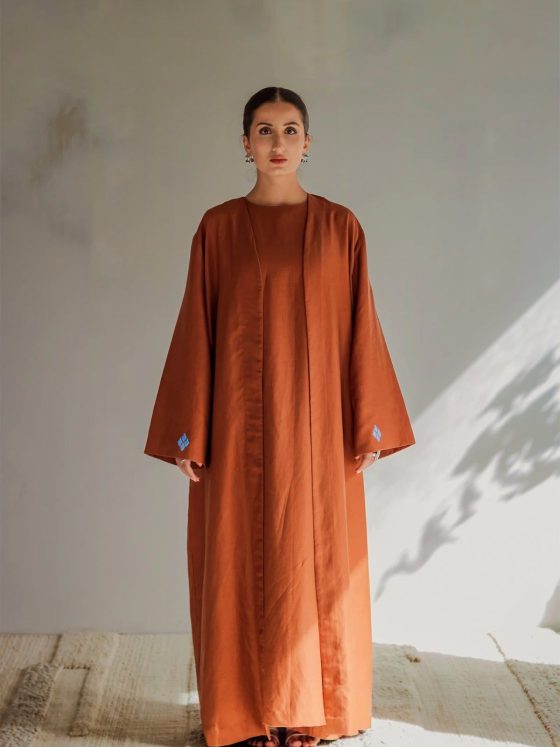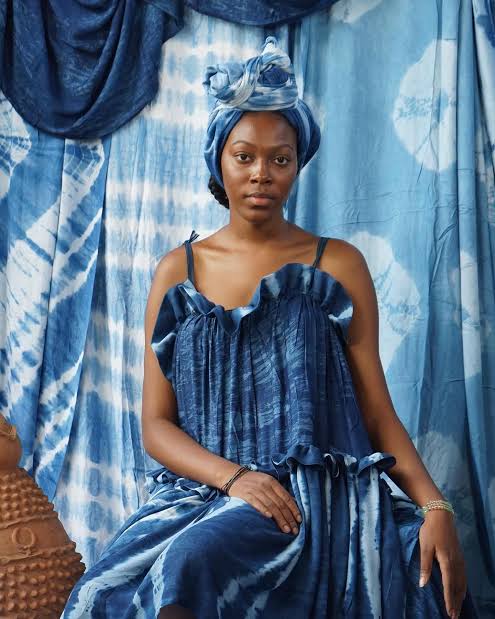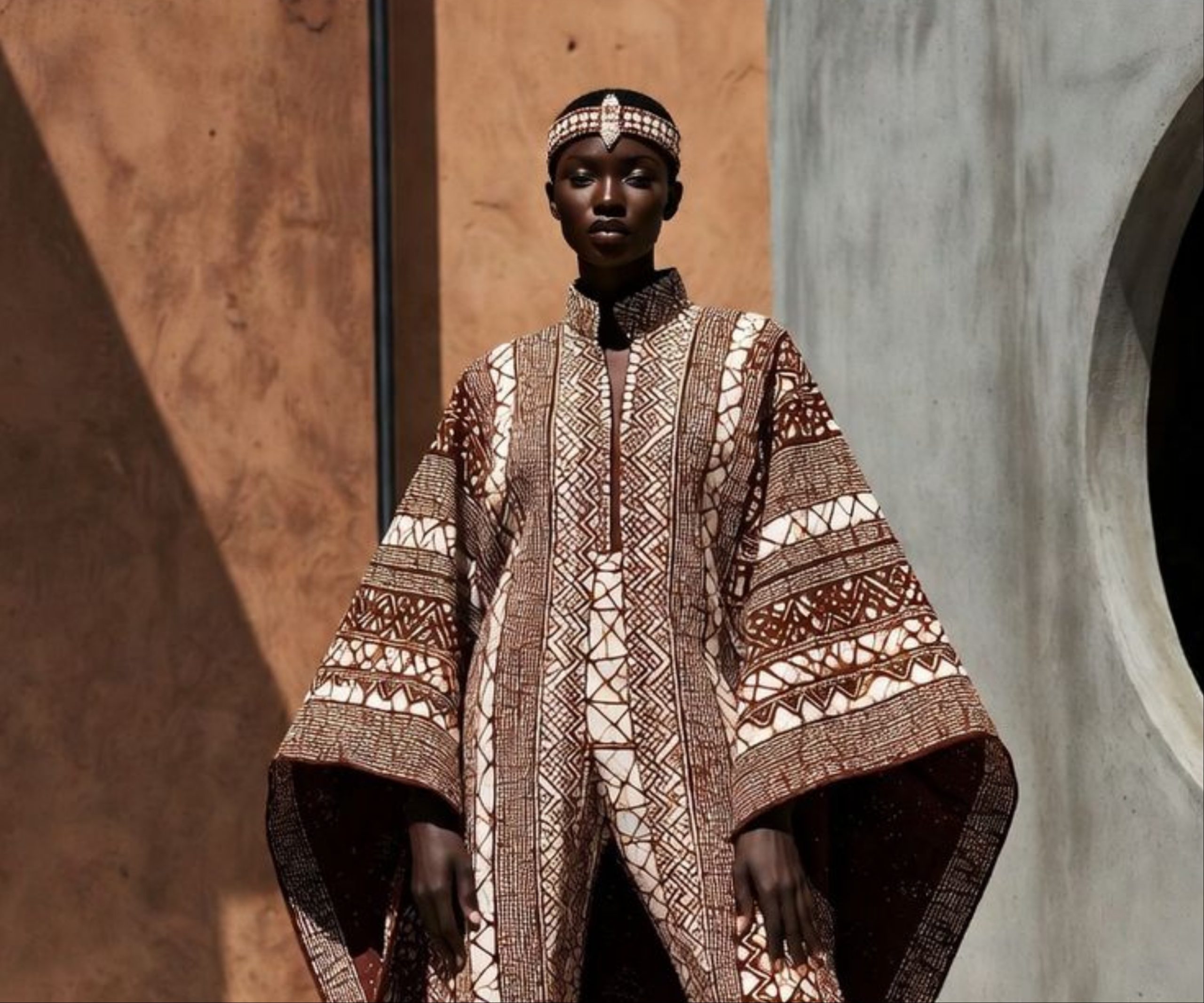
The modern wardrobe is often the result of accumulation rather than intention. Seasonal discounts, trend cycles, and occasional emotional purchases shape most closets. Over time, this process produces volume but not coherence. The garments may be individually appealing, yet collectively fragmented.
A collection operates differently. In art, archival practice, and museum studies, a collection is defined not by quantity but by conceptual unity. Each piece exists within a framework. It contributes to a narrative, aesthetic direction, or thematic inquiry. When applied to fashion, this curatorial logic transforms dressing from passive consumption into deliberate authorship.
To build a collection rather than a closet requires structure, criteria, and a long-term perspective. It demands that acquisition be guided by philosophy rather than impulse.
Learn how to curate a wardrobe with intention, focusing on cohesion, quality, and longevity, transforming a closet into a meaningful collection.
Curatorial Thinking: Borrowing from Art and Museum Practice
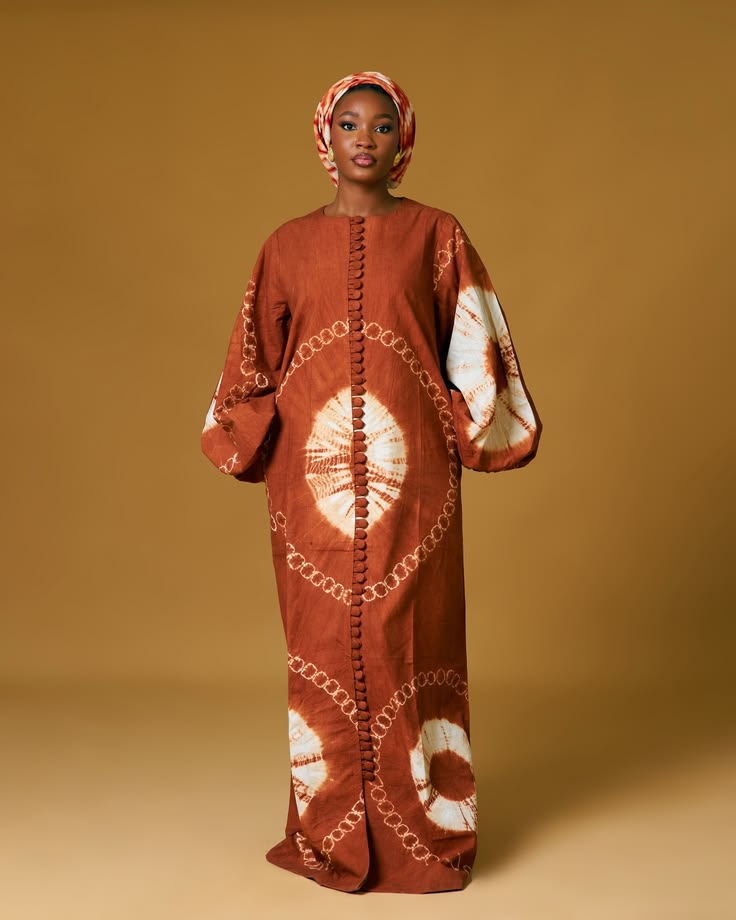
Professional curators work within defined parameters. They research context, assess provenance, examine material integrity, and evaluate how each object contributes to a larger thesis. The same principles can be adapted to wardrobe development.
First, curators define scope. In fashion terms, scope might involve a commitment to certain silhouettes, fabrics, cultural references, or functional needs. A person whose work environment requires tailoring may define their scope around structured garments. Another might base their wardrobe on natural fibres and minimal construction.
Second, curators prioritise cohesion. In museums, objects are not displayed randomly. They are arranged to communicate relationships. A wardrobe built as a collection functions similarly. Garments should converse visually and structurally. Textures should complement rather than compete. Colour palettes should allow integration across seasons.
Third, curators assess longevity. Museums preserve works that hold enduring significance. In clothing, this means selecting pieces that remain relevant beyond a single trend cycle. Quality of construction, fibre composition, and adaptability become essential criteria.
This methodology reframes shopping as acquisition within a system.
Defining a Personal Thesis
Every serious collection is anchored in a thesis. Without one, accumulation resumes.
In fashion, a thesis may be aesthetic, functional, or conceptual. It could be centred on architectural tailoring, monochromatic layering, heritage textiles, or minimalist design. It might prioritise sustainable materials or locally produced craftsmanship. The thesis does not restrict creativity; it provides coherence.
Defining this framework requires reflection. What silhouettes consistently feel authentic? What fabrics perform best in one’s climate, and What colours align with the complexion, environment, and professional context? What social spaces does the wardrobe need to navigate?
Answering these questions clarifies the purchasing decisions. Items that fall outside the thesis are not necessarily undesirable, but they must justify their inclusion.
Material Literacy and Structural Evaluation
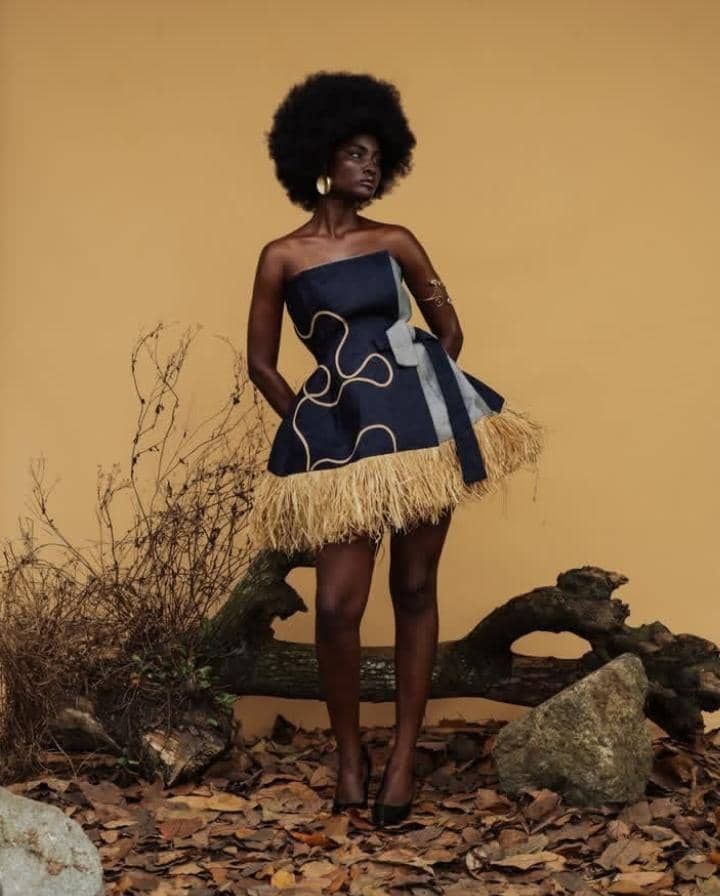
A curator understands materials. In fashion, material literacy separates collection-building from casual buying.
Evaluating a garment requires examining fibre composition, stitching quality, seam alignment, and finishing. Natural fibres, such as wool, silk, cotton, and linen, age differently from synthetic blends. Construction details influence how a piece drapes, holds shape, and responds to wear.
Investment in well-constructed garments ensures durability and conceptual consistency. A wardrobe built around refined tailoring cannot rely on poorly structured pieces without disrupting its internal logic.
Material awareness also extends to maintenance. Caring for garments through proper storage, cleaning, and repair sustains the integrity of the collection over time. Preservation is as important as acquisition.
Editing as an Ongoing Practice
A collection is dynamic. Museums deaccession works that no longer align with their mission. Similarly, a curated wardrobe requires periodic editing.
Editing involves evaluating whether each garment still supports the overarching thesis. Changes in career, geography, or personal evolution may shift priorities. Pieces that once served a purpose may no longer integrate seamlessly.
This process prevents stagnation and excess. It also reinforces intentionality. Instead of reacting to trends, the wardrobe evolves through measured refinement.
Documentation and Continuity
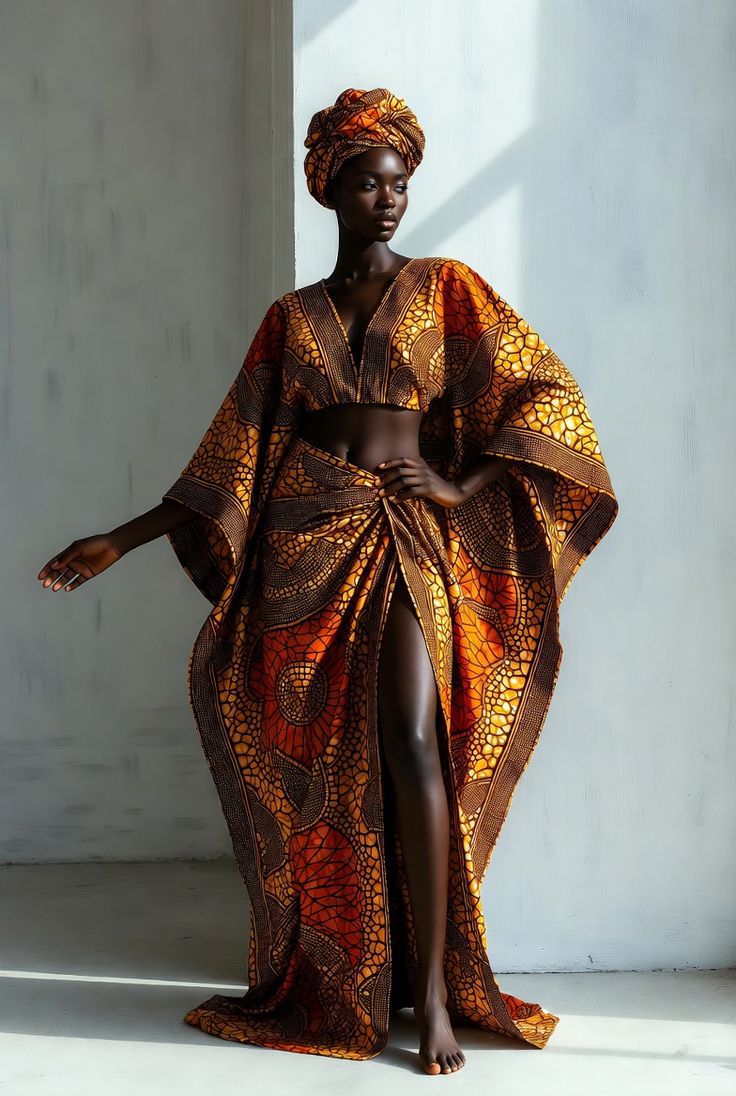
Collectors document acquisitions. They track origin, significance, and date of entry. While a wardrobe does not require formal cataloguing, maintaining awareness of when and why items were acquired strengthens curatorial discipline.
Understanding which pieces receive consistent wear reveals patterns. Repeated use signals alignment with personal thesis and functional needs. Rarely-worn garments often indicate deviation from core identity.
Over time, this awareness produces clarity. The collection becomes an archive of personal evolution rather than a record of impulse.
RECOMMENDED:
- How Silk Wove Its Way Through Centuries of Fashion
- How Your Wardrobe Senses the Season: The Neuroscience of Colour and Texture
Seasonality and Cohesion
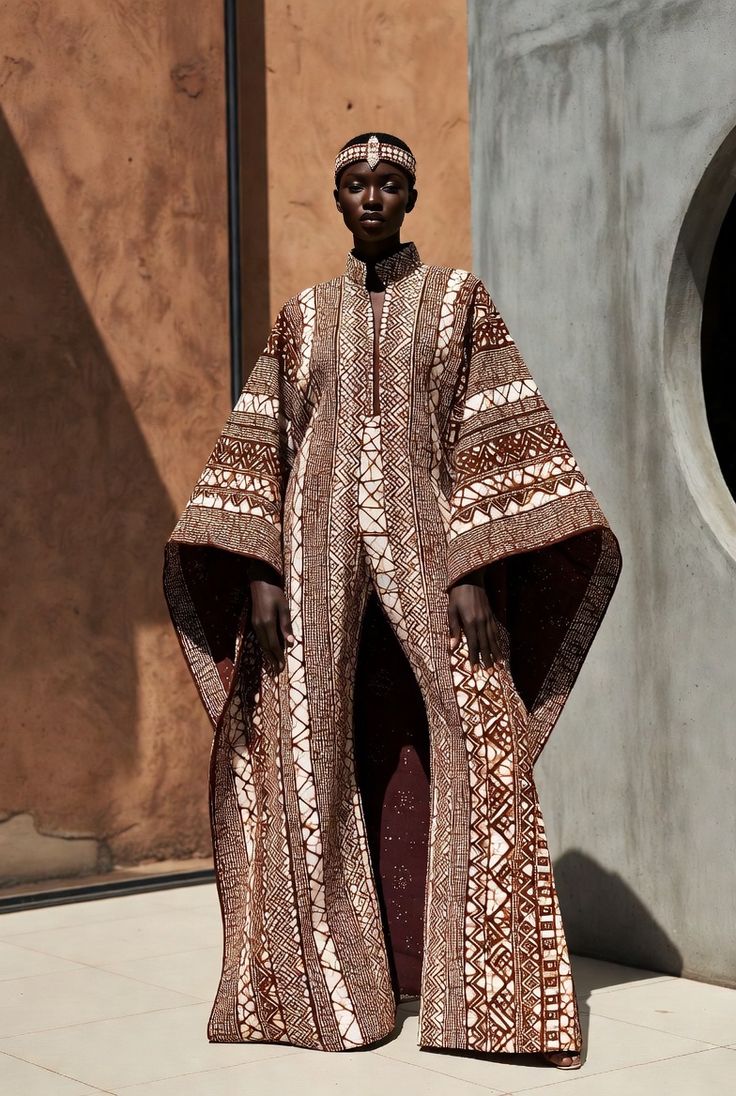
Building a collection also requires sensitivity to seasonality without surrendering coherence. Rather than reinventing the wardrobe each season, the curator adapts the existing thesis to environmental changes.
This may involve layering strategies, fabric variation, or subtle colour shifts. The foundational structure remains intact. A well-defined collection transcends seasonal fluctuation while accommodating practical adjustments.
The goal is continuity rather than reinvention.
Psychological Benefits of Curated Dressing
Research in decision-making psychology suggests that excessive choice increases cognitive fatigue. A wardrobe built through random accumulation amplifies this burden. By contrast, a curated collection reduces decision friction.
When garments integrate seamlessly, outfit construction becomes intuitive. This fosters confidence and consistency. The individual is no longer negotiating mismatched pieces but drawing from a cohesive system.
Curatorial dressing also reinforces identity stability. Repeated exposure to a coherent visual language strengthens self-perception and recognition by others. The collection becomes an extension of personal narrative.
Conclusion
A closet is defined by storage. A collection is defined by intention.
The transition from one to the other requires methodology: defining scope, establishing a thesis, evaluating materials, editing regularly, and preserving integrity. This approach transforms fashion from cyclical consumption into structured authorship.
Building a collection does not demand excess spending or rigid minimalism. It demands clarity. When garments are selected within a framework, the wardrobe acquires depth. It becomes less about quantity and more about continuity.
A curated wardrobe is not simply worn. It is composed.
Step into style — explore Fashion on OmirenStyles.
FAQs
1. What is the difference between a wardrobe and a curated collection?
A curated collection is intentional and cohesive, built around a personal thesis, whereas a typical wardrobe accumulates garments randomly or impulsively.
2. How do I define a personal wardrobe thesis?
A wardrobe thesis is a guiding framework based on style, function, fabrics, and colour palettes that ensures all pieces work cohesively.
3. Why is material quality important in building a fashion collection?
High-quality fabrics and construction ensure durability, consistency, and structural integrity, supporting long-term wear and cohesion across the collection.
4. How often should I edit or update a curated wardrobe?
Periodic editing is essential to remove items that no longer align with your wardrobe thesis, adapt to seasonal changes, and maintain cohesion and functionality.
5. Can building a curated collection reduce decision fatigue?
Yes, a cohesive collection simplifies outfit selection, reduces cognitive load, and strengthens confidence, making daily dressing more intuitive and consistent.