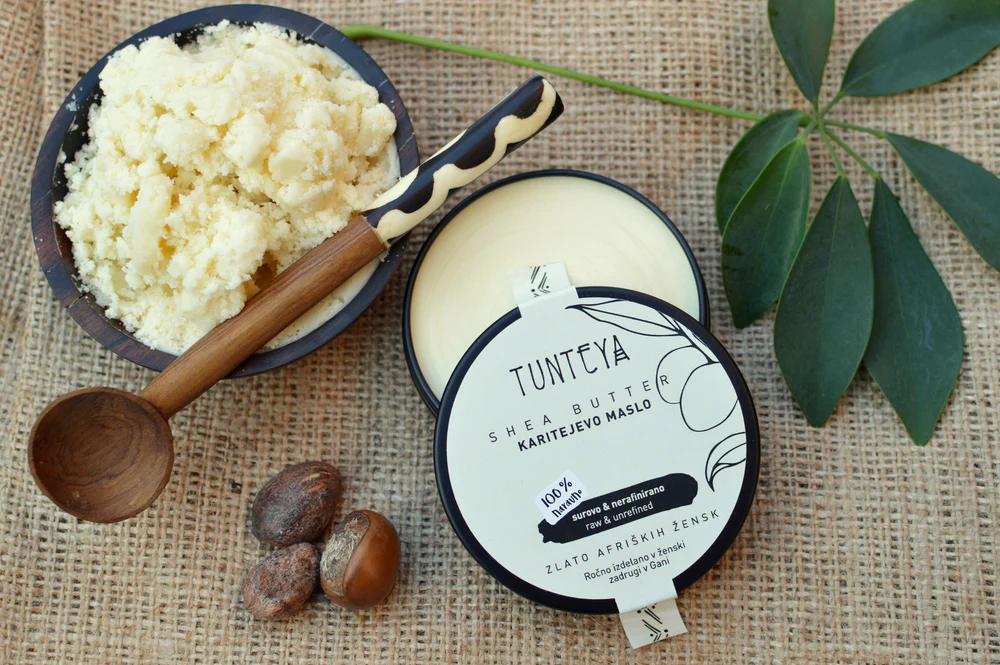
Shea butter has nourished African skin, hair, and nails for centuries. It has softened skin, sealed moisture, supported healing, and enriched hair routines. It was used for all these purposes without ever requiring approval from European beauty labs.
For generations, it existed as a trusted material in daily routines and cultural practices. Yet global beauty markets long treated shea butter as a raw ingredient rather than a luxury one.
It was exported, refined, and repackaged abroad, while the expertise, culture, and communities that had always valued it remained largely invisible. Shea butter reimagined is changing that.
African beauty brands are stepping out of the shadows, creating luxury formulations, packaging, and experiences around an ingredient that has always been exceptional.
This is how African beauty brands are competing with European luxury houses on their own terms.
Shea butter reimagined explores how African beauty brands are competing with European luxury houses by reclaiming authorship, prestige, and ingredient power.
Shea Butter Was Never Basic. The Market Simply Failed To Recognise Its Luxury
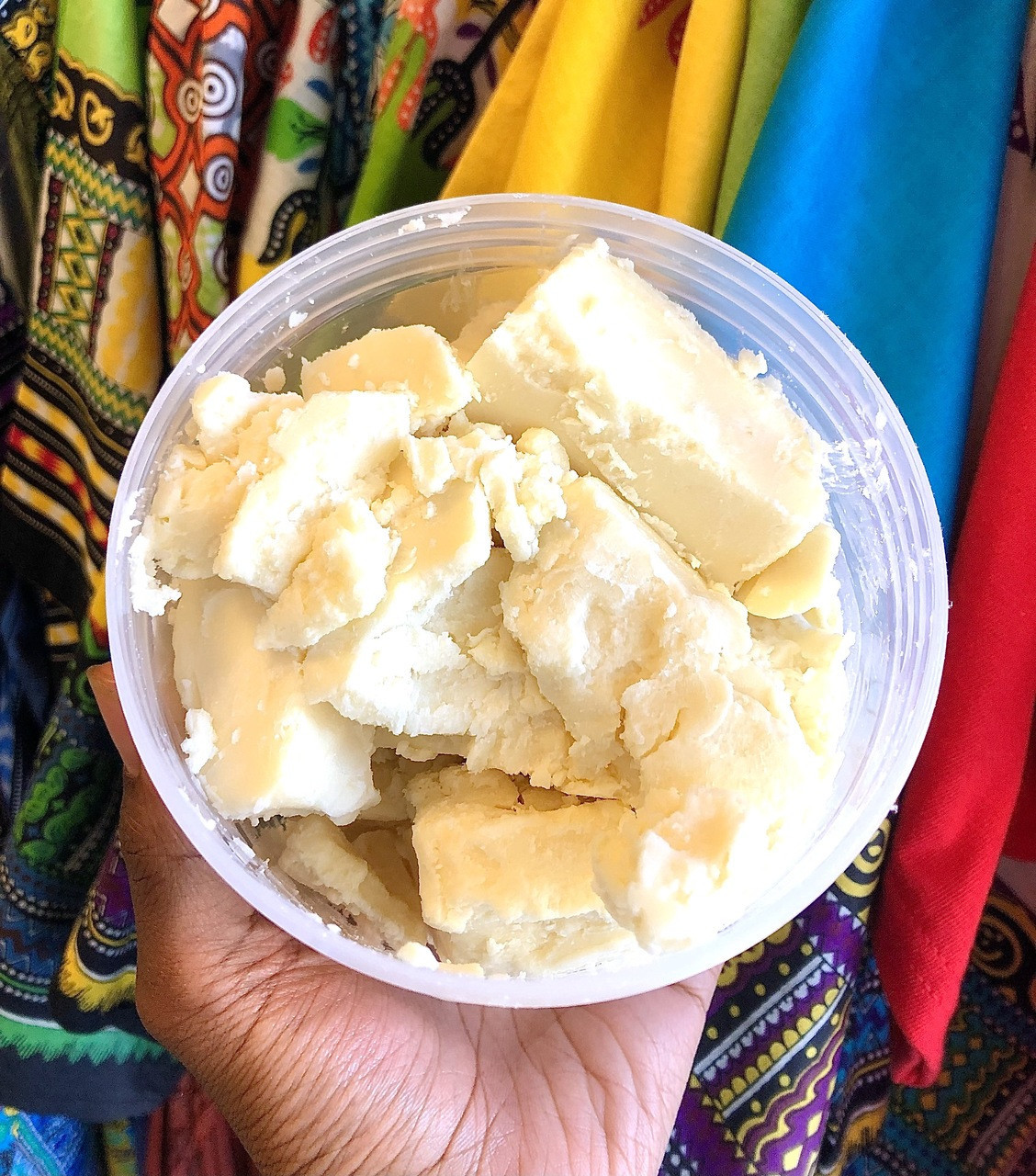
One of the beauty industry’s oldest habits is confusing familiarity with lack of value. This is understandable because when an ingredient is deeply woven into everyday African life, it is often treated as ordinary rather than exceptional.
Sadly, Shea butter has suffered from that exact misreading for years. In many African households, shea butter wasn’t presented as a “hero ingredient” because it didn’t need theatrical branding to prove its usefulness.
Its effectiveness was proven in daily routines, from smoothing rough skin and soothing eczema to taming hair textures and protecting against harsh climates.
European luxury brands often define value through distance and refinement.
When shea butter left Africa, it was suddenly deemed “premium” after passing through foreign laboratories, packaging, and branding strategies. The ingredient itself had not changed.
Only the market’s willingness to perceive its value shifted. African beauty brands are beginning to treat shea butter not as a humble raw material but as a luxury ingredient.
They’re now treating it as a luxury ingredient with enough cultural weight and commercial potential to stand confidently in the prestige category.
European Luxury Houses Made Shea Butter a Symbol of Prestige
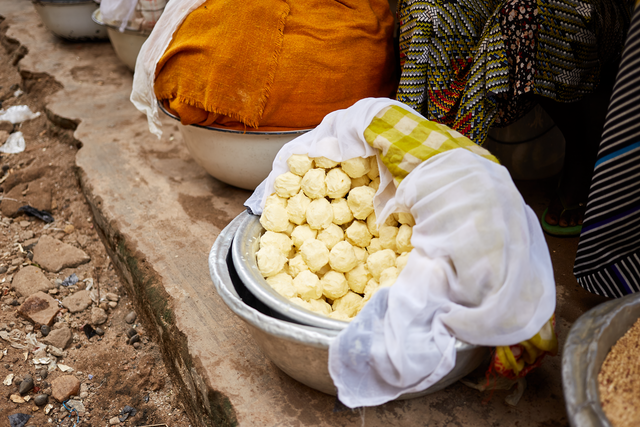
European luxury brands have long known how to make ingredients feel special. When they began using African shea butter, they packaged it in elegant jars, gave it fancy names, and told stories that made it seem exotic and rare.
Shea butter reimagined in Europe wasn’t just about selling skincare but also about selling a sense of luxury and status. For these brands, shea butter became a symbol of prestige because it came from far away.
The ingredient itself didn’t change. What changed was the way it was presented.
European houses decided what looked valuable, how much it should cost, and how it should be talked about in campaigns.
This strategy worked because customers saw shea butter as luxurious when it came from Europe, even though African women had been using it effectively for generations.
Now, shea butter reimagined in African hands is challenging that narrative.
African beauty brands are showing that the ingredient’s cultural, historical, and functional richness is powerful on its own. This richness is enough for it to stand in the luxury category without any European framing.
ALSO READ:
- Beauty’s New Epicentre: Why the World Is Turning to Africa’s Ancient Botanicals
- Skin Health in African Communities: Bridging Culture & Modern Care
- Black Influence on K-Beauty and the Shaping of Global Aesthetics
- Heritage-Powered Beauty: African Ingredients Rewriting Skincare
African Beauty Brands Are Redefining Luxury and Competing With European Houses
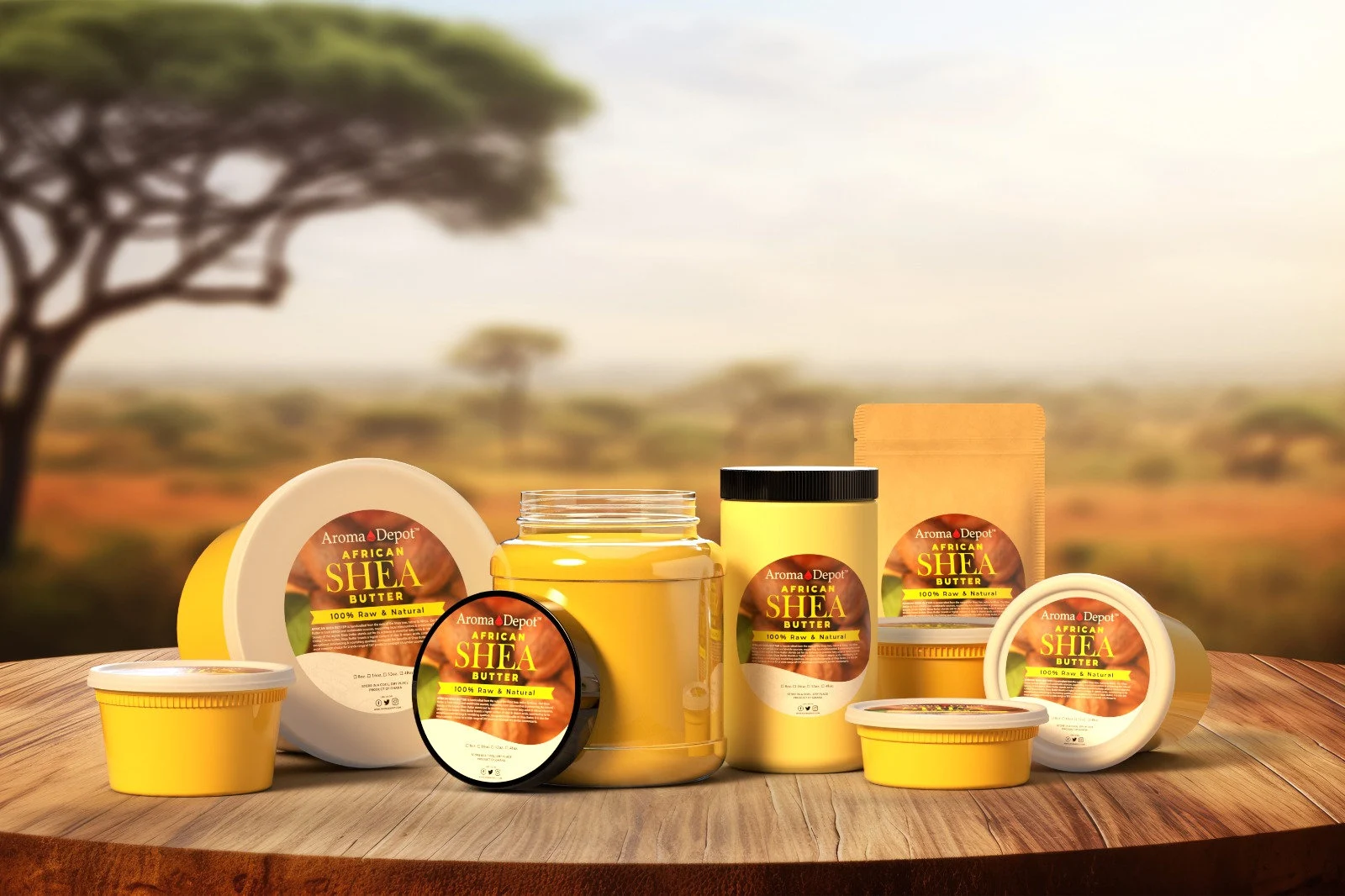
African beauty brands are no longer just suppliers of shea butter to global markets. They are stepping into the spotlight as creators of luxury products that stand alongside European prestige brands.
Below are the key ways they’re doing this:
African Heritage Gives Brands an Edge
African brands are winning because they own the story. Shea butter is presented not just as a natural ingredient but as a part of African culture and history.
This connection makes products feel authentic and meaningful in ways European brands cannot replicate. African brands are proving that cultural pride is also a selling point.
Ethical Sourcing Sets African Brands Apart
African companies work closely with women-led cooperatives to ensure fair pay and sustainable harvesting.
By linking shea butter to real communities, African brands create a value story that European luxury houses cannot easily copy.
Superior Quality Competes Globally
African brands emphasise cold-pressed, organic, and locally processed shea butter. This high-quality approach keeps the ingredient’s natural benefits intact and outperforms mass-market European versions.
Also, Shea butter reimagined becomes a benchmark rather than just an ingredient.
Innovative Formulations
African brands combine shea butter with other natural and scientific ingredients to create products for real skin and hair concerns.
They address dry scalp, uneven skin tone, and overall body hydration. This mix of tradition and innovation makes shea butter reimagined both culturally meaningful and effective.
African Brands Appear in Luxury Stores Worldwide
African beauty products now sit alongside European luxury labels in stores like Harrods and Harvey Nichols.
This visibility proves that shea butter reimagined can meet international standards and compete on the same shelves as established global brands.
African Beauty Brands Leading the Shea Butter Reimagined Movement
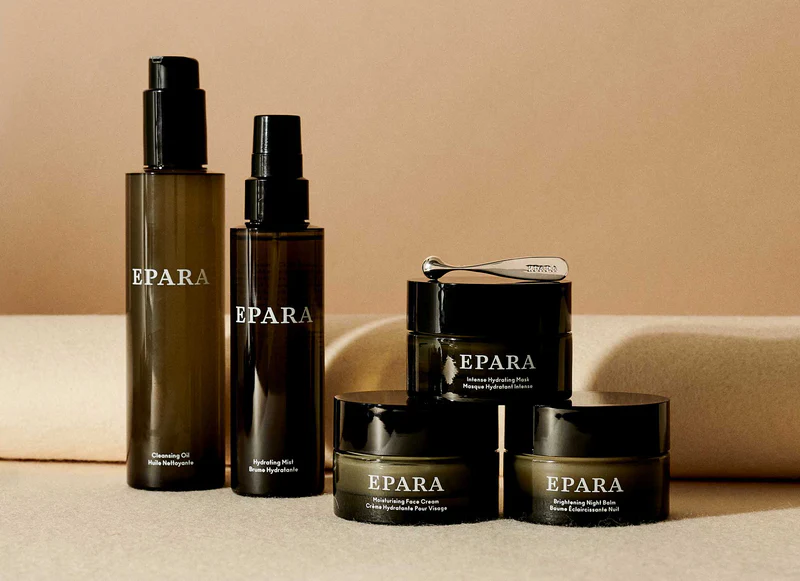
African beauty brands are showing how shea butter, reimagined, can be part of luxury skincare, haircare, and body care.
These brands use shea butter in ways that feel high-quality and rooted in culture. Some popular brands are:
1. Epara Skincare
Epara Skincare uses rich shea butter and other African botanicals in its products. The brand makes creams and lotions that help nourish skin, even out tone, and support moisture.
Epara presents these products as high‑end beauty solutions that work for everyday skin needs and also feel luxurious.
2. Shea Moisture
Shea Moisture began from African heritage and has grown into a global name. Many of its products include shea butter for body, hair, and skin care.
These formulas help with dryness, texture, and scalp nourishment.
3. R&R Skincare
R&R Skincare is a Ghanaian brand that creates body butters and creams using natural shea butter plus oils like coconut and baobab. The products feel rich on the skin and help with deep moisture.
4. LIHA Beauty
LIHA Beauty makes shea butter‑based balms and creams that deeply hydrate skin. The brand combines shea with other plant ingredients that have long been used in African beauty.
5. 54 Thrones
54 Thrones is a luxury African beauty brand that highlights natural ingredients such as shea butter, baobab oil, and argan oil. Its Beauty Butters collection is designed to deeply hydrate and soften the skin.
It combines traditional African ingredients with modern formulations.
Conclusion
Shea butter reimagined demonstrates how African beauty brands are competing with European luxury houses by reclaiming authority over heritage ingredients.
Through refined formulation, elevated presentation, authentic storytelling, and products designed for real skin, hair, and body care routines, these brands are proving that African luxury can exist on its own terms.
The future of prestige beauty is no longer defined solely by European standards. African beauty brands are reshaping the category. This shows that performance, heritage, and cultural authenticity are as luxurious as any imported narrative.
Frequently Asked Questions
1. Who Is the Largest Producer of Shea Butter in the World?
West Africa dominates shea production, with Nigeria, Ghana, Burkina Faso, Mali, Togo, Benin, and Côte d’Ivoire leading the market.
2. Is African Beauty the Next Big Global Trend?
African beauty is already shaping global skincare and body care through culturally rooted ingredients, melanin-conscious formulation, and botanical knowledge.
The long-term question is whether this influence will be recognised as authority rather than novelty.
3. Which African Countries Produce Shea Butter?
Shea butter is primarily produced across the West African shea belt, including Nigeria, Ghana, Burkina Faso, Mali, Togo, Benin, and Côte d’Ivoire.
4. What’s the Difference Between Shea Butter and African Shea Butter?
“Shea butter” refers to the fat extracted from shea nuts. “African shea butter” emphasises origin, cultural connection, and sourcing from communities that have historically used and refined it.