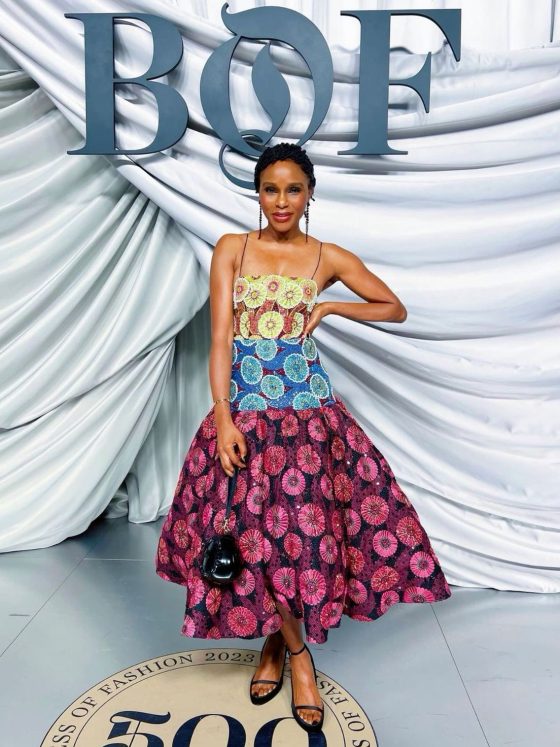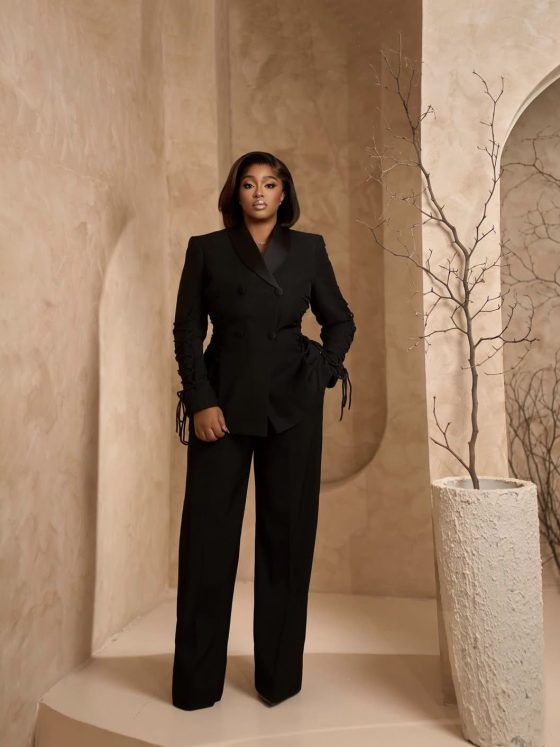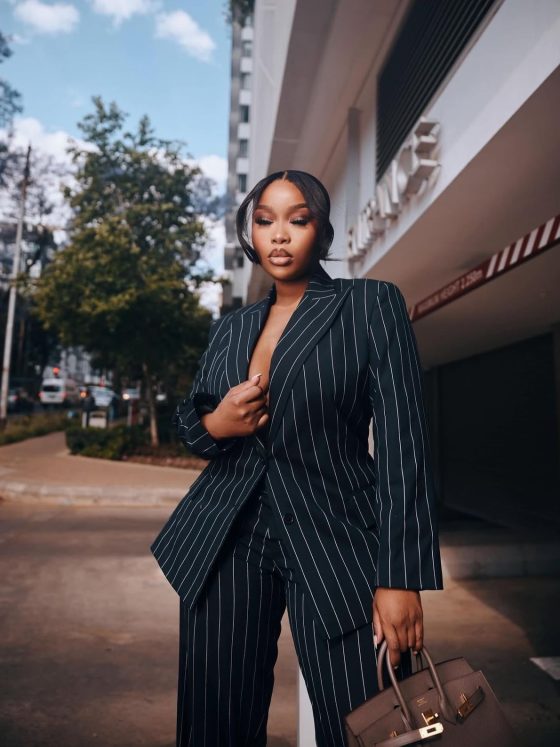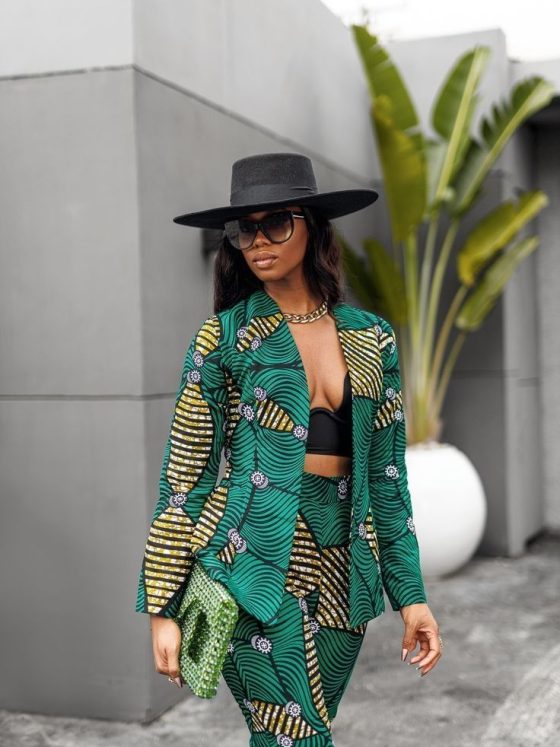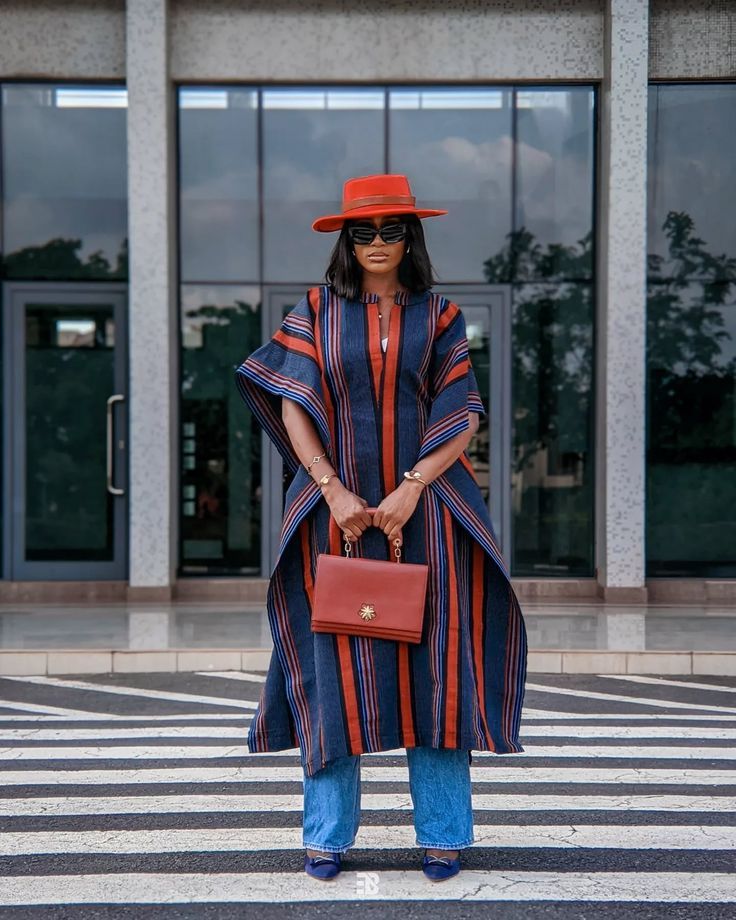
In African societies, clothing has always played a significant role. Long before fashion trends and runways, what people wore showed status, leadership, and identity. Today, that idea has evolved into what we now call African power dressing, which is about wearing clothes that project confidence and authority without losing cultural roots.
These types of outfits aren’t loud or excessive. They are intentional. Furthermore, African power dressing shows how African styles have adapted to modern life while retaining meaning and purpose. Continue reading to learn more about African power dressing.
African power dressing combines strong silhouettes and cultural influence to create a confident modern style. Learn about African power dressing from our guide.
What Is African Power Dressing?
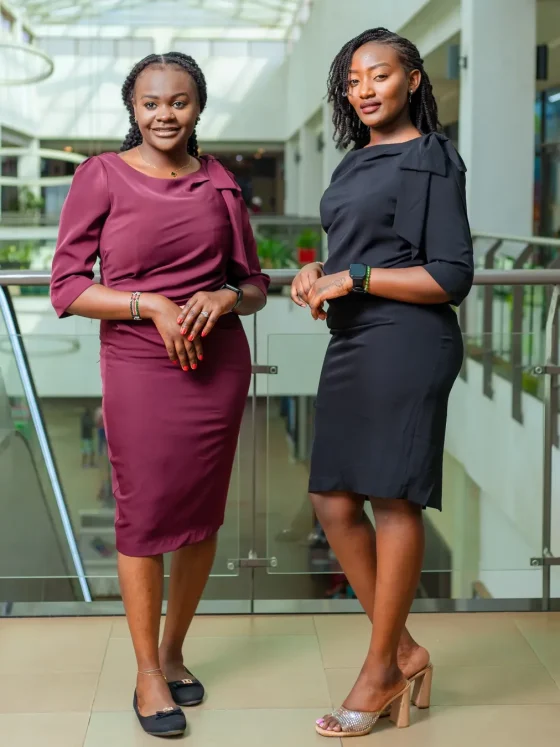
African power dressing refers to clothing styles that communicate confidence, authority, and cultural pride. It is not about wearing expensive clothes or following trends. It is about choosing outfits that make the wearer look strong, intentional, and self-assured. At its core, African power dressing uses structure and simplicity.
Clean lines keep the outfit sharp and focused. Strong silhouettes give the body a bold shape that feels confident rather than soft or casual. Together, these elements create a look that feels controlled and purposeful. What makes African power dressing unique is its connection to identity. Traditional garments, once worn by leaders, elders, and people of high social standing, inspire many of these styles.
Today, modern fashion carries the same idea through tailored pieces, cultural fabrics, and thoughtful design choices that silently signal presence.
Where African Power Dressing Comes From
Many African societies used clothing long before modern fashion to demonstrate leadership, respect, and social standing. What people wore often communicated authority without words. Chiefs, elders, and community leaders wore traditional garments such as ceremonial robes, woven wraps, and symbolic fabrics. These pieces were not chosen solely for decoration.
Their structure, size, and materials reflected power, dignity, and responsibility within the community. African fashion evolved, incorporating these ideas into contemporary style. Designers began translating traditional dress codes into modern tailoring, using sharper cuts and simpler forms while preserving cultural meaning.
This blend of heritage and modern design shapes African power dressing today, making it both expressive and functional in contemporary spaces.
Key Features Of African Power Dressing
Certain features define African power dressing. These features set it apart from other types of dressing. Here are some key features that define African power dressing:
1. Cultural Textiles With Meaning
Fabrics like wax prints, kente, and bogolan (mud cloth) carry heritage, symbolism, and identity. Choosing these textiles not only celebrates African culture but also signals authority and pride.
2. Clean Lines And Tailored Fit
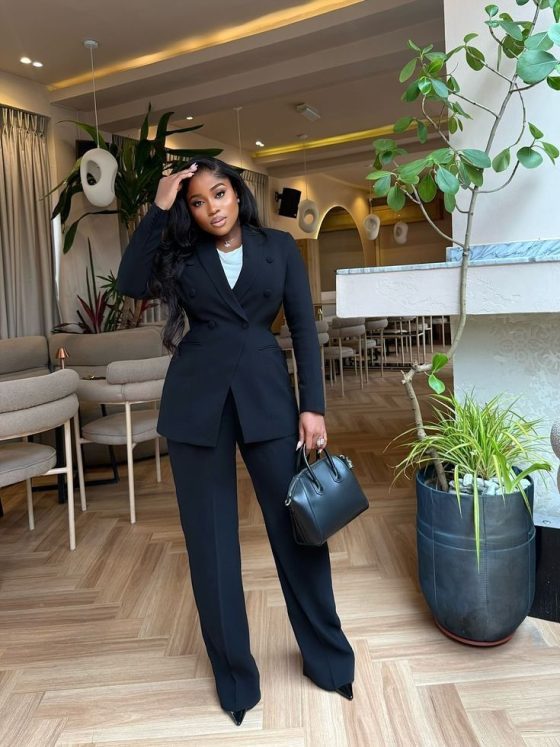
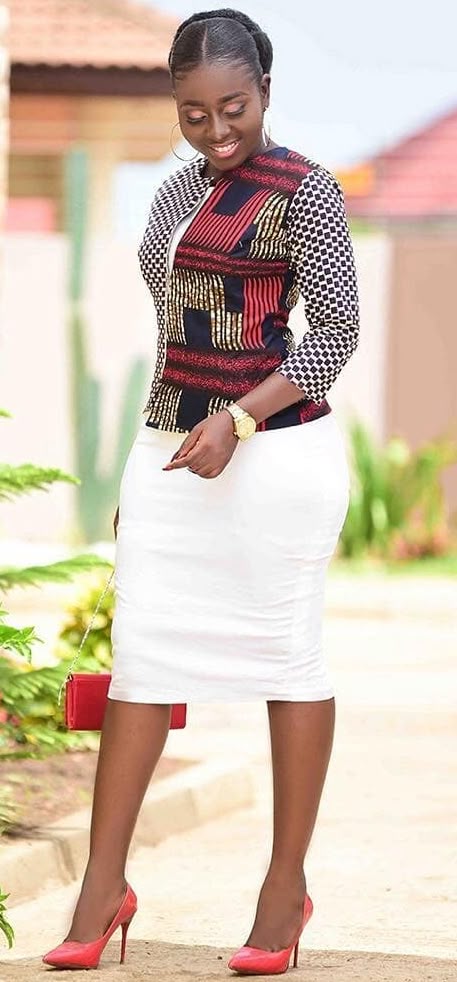
Clothing is neat, structured, and intentional. Well-cut blazers, pencil skirts, fitted dresses, or tailored African robes highlight proportions and balance, making the wearer appear confident and professional.
3. Strong Silhouettes
Structured shoulders, defined waistlines, and sharp cuts give presence and authority. Even traditional garments, such as a handwoven jacket or a fitted Ankara dress, can project confidence through their silhouette.
4. Blend Of Tradition And Modern Fashion
Designers often combine symbolic patterns with contemporary cuts, creating outfits that feel rooted in African heritage yet work perfectly in modern offices, events, and leadership spaces.
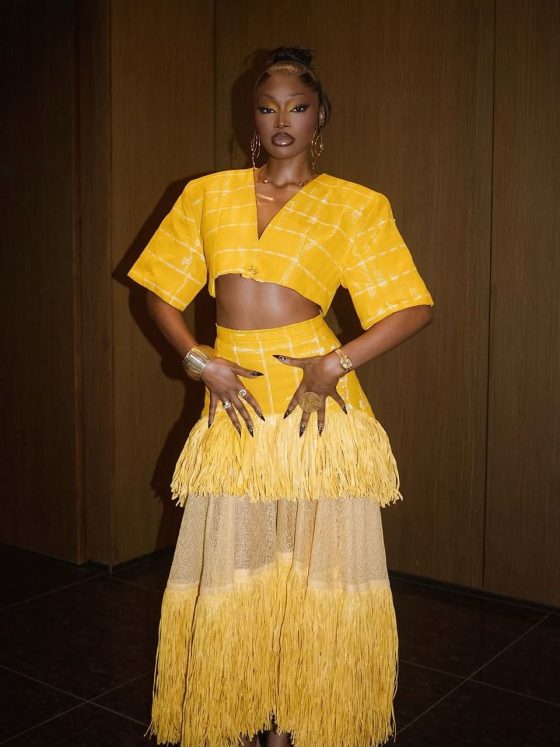
5. Bold Visual Presence
Colours, patterns, and proportions are used deliberately to draw attention naturally. A brightly patterned blazer, kente sash, or mudcloth accent can make a statement without flashy accessories. When these elements come together, African power dressing helps you project leadership, confidence, and cultural pride in any professional or social environment.
ALSO READ:
- How Thoughtful Tailoring Shapes African Workwear
- Omiren Styles Minimalism: The Redefined Work Wardrobe
- Dress With Purpose: Style That Elevates Leadership and Impact
- Elevated Workwear for Women Who Move With Purpose
How African Power Dressing Blends Tradition With Modern Style
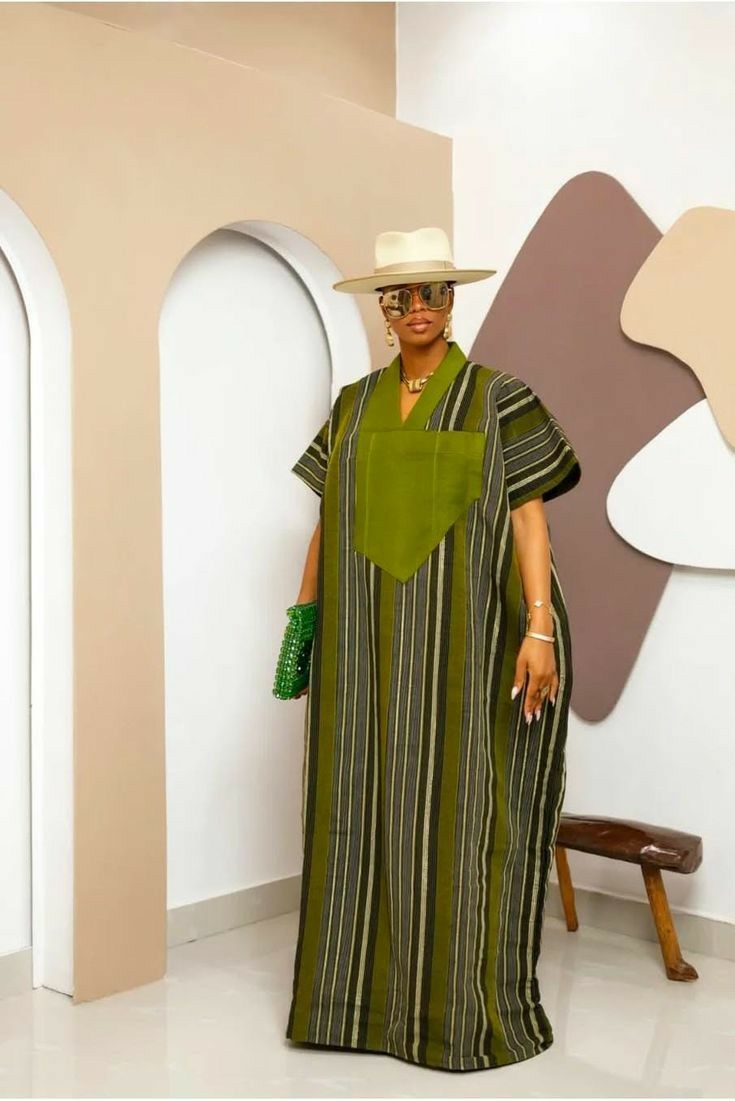
With its clean lines, strong silhouettes, and confident presence, African power dressing doesn’t just look powerful; it tells a story of heritage meeting modernity. Traditional garments such as agbada, boubou, and dashiki, and fabrics such as kente and bogolan, were once worn by leaders to signal status, identity, and authority.
Designers today reinterpret these elements for modern spaces. They combine symbolic fabrics and patterns with contemporary cuts, creating outfits that are functional, polished, and intentional. For example, a tailored blazer in wax print or a fitted dress featuring symbolic embroidery merges cultural meaning with professional style.
This blend allows wearers to express confidence, authority, and cultural pride while staying stylish and practical.
African power dressing, in this way, keeps tradition alive while making it relevant for today’s offices, events, and social settings.
How To Wear African Power Dressing With Confidence: Examples You Should Know
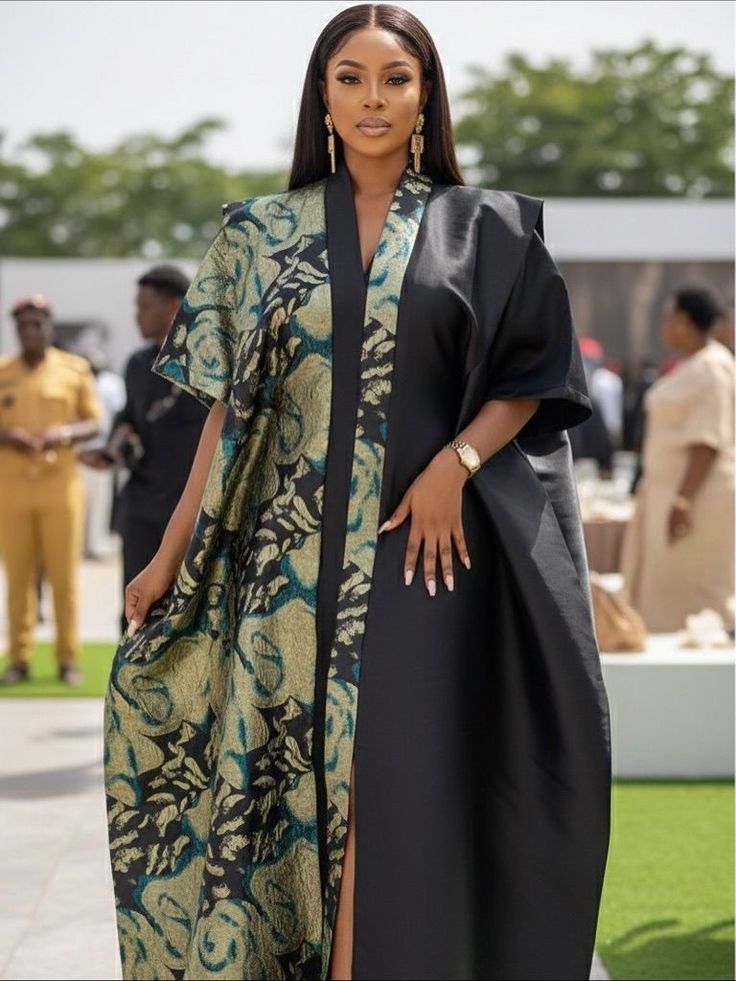
Now that we understand how African power dressing blends tradition with modern style, here’s how to wear it confidently. The key is fit, style, and proudly showing your culture.
Here are some simple examples that give off an unapologetic presence:
1. Blazers And Jackets
Wear a blazer made from wax print or kente fabric. Keep the rest plain, like black pants or a skirt. This approach is an easy way to show style with African power dressing.
2. Dresses With African Patterns
Pick a dress with patterns or embroidery from African designs. Make sure it fits perfectly. Well-fitted dresses are a big part of African power dressing.
3. Traditional Robes
Clothes like agbada, boubou, or dashiki can be worn in modern ways. Shorter lengths or tailored cuts make them easy to move in and look professional. This shows that African power dressing is both stylish and practical.
4. Accessories
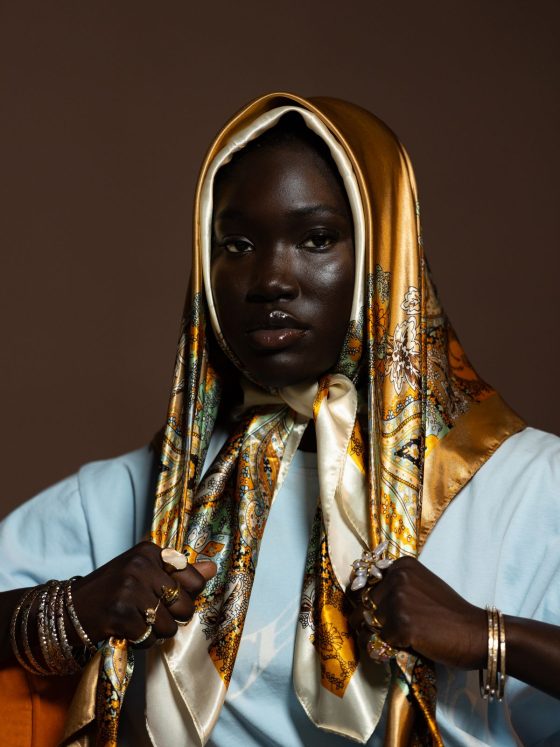
Add small pieces, such as scarves, belts, or sashes, made from African fabrics. They make the outfit special without being over the top. Accessories are a subtle way to enhance African power dressing.
5. Mix Patterns And Plain Colours
If one piece is bright or patterned, pair it with plain colours. For example, a patterned jacket with black pants, or a patterned skirt with a plain top. This simple trick helps you master African power dressing effortlessly.
Wearing African power dressing with confidence means feeling good, looking sharp, and proudly showing your culture. When your clothes fit perfectly and have meaningful patterns, you project confidence, professionalism, and pride in your heritage.
Conclusion
African power dressing is more than clothing; it’s a way to express yourself and celebrate African heritage. From clean lines and strong silhouettes to modern takes on traditional fabrics, each outfit tells a story.
Wearing African power dressing with intention helps you stand tall, make an impression, and honour culture in any setting. Thoughtful choices, such as patterned blazers or tailored dresses, effortlessly combine style and heritage.
Frequently Asked Questions
1. How Can I Start Wearing African Power Dressing Without It Feeling Too Flashy?
Start small, like adding a wax print blazer, a patterned scarf, or a kente belt to a simple outfit. Once you’re comfortable, you can try full dresses or jackets with bold prints.
2. Can I Wear It To Work Every Day?
Yes! Choose tailored pieces in traditional fabrics such as Ankara or bogolan, and pair them with neutral pants or skirts. This keeps the look professional while showing culture.
3. What Should I Avoid When Styling African Power Dressing?
Don’t mix too many bright patterns at once, and make sure clothes fit properly. Overly loose or oversized pieces can hide your silhouette and take away the “power” effect.
4. Can Men Wear African Power Dressing Too?
Absolutely. Men can wear dashikis, agbadas, or patterned shirts with trousers. A well-fitted jacket or structured robe adds authority while keeping it modern.
5. How Do I Choose The Right Fabric For African Power Dressing?
Go for fabrics with meaning or heritage, like kente, wax print, or bogolan. Lighter fabrics are suitable for offices or hot weather, while heavier textures work well for formal events.
6. Do I Need To Wear Accessories To Pull Off African Power Dressing?
Not always. Accessories like scarves, belts, or small jewellery can enhance the outfit, but the fit and fabric usually make the most significant statement.