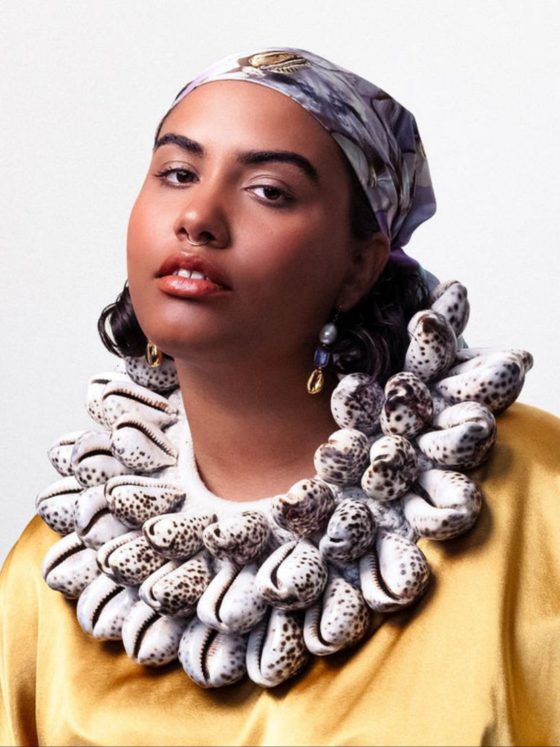
The geography of luxury is shifting, and African millennials are standing confidently at its centre. Their passports may carry a national identity, but their travels carry cultural authority, reshaping airport lounges, boutique hotels, and global destinations with a presence that is intentional, stylish, and unapologetically rooted. Wherever they land, the world learns that black travellers are not seeking entry. It is setting the tone.
This evolution is more than movement. It is a generation reclaiming the world with clarity and taste, proving that luxury is not inherited from history but reimagined through expression. African millennials are not participating in global travel culture. They are redefining their language. What once seemed like scattered lifestyle choices has become a continental and diasporic assertion of identity, blending cultural memory with modern sophistication. For them, travel is a layered experience; a way to inhabit beauty, embody identity and navigate the world with an aesthetic that is both grounded and globally fluent.
African millennials are redefining global luxury travel through culture, identity and modern sophistication, shaping new trends across Africa and the diaspora.
A New Generation Reclaiming the World
For African millennials, travel has transformed into a creative process. It rewrites historical narratives that once restricted mobility, identity and access. Today, they move across continents with a sense of rooted confidence, treating the world as an extension of their cultural imagination. Their trips are not mere escapes; they are declarations and affirmations of presence.
Digital mobility, creative industries, and a rising continental economy shape this generation, which carries a worldview that is simultaneously local and global. They choose destinations with emotional clarity, favouring cities that reflect their evolving identities. A weekend in Accra becomes a celebration of cultural collaboration. A stay in Kigali feels like a study in African futurism. A retreat in South Africa reflects a desire for stillness and ancestral memory. Each journey is intentional, each location chosen for its resonance, and each experience layered with meaning.
African millennials do not ask whether they belong in these spaces. Their presence answers that question.
The Rise of Aesthetic and Experiential Travel
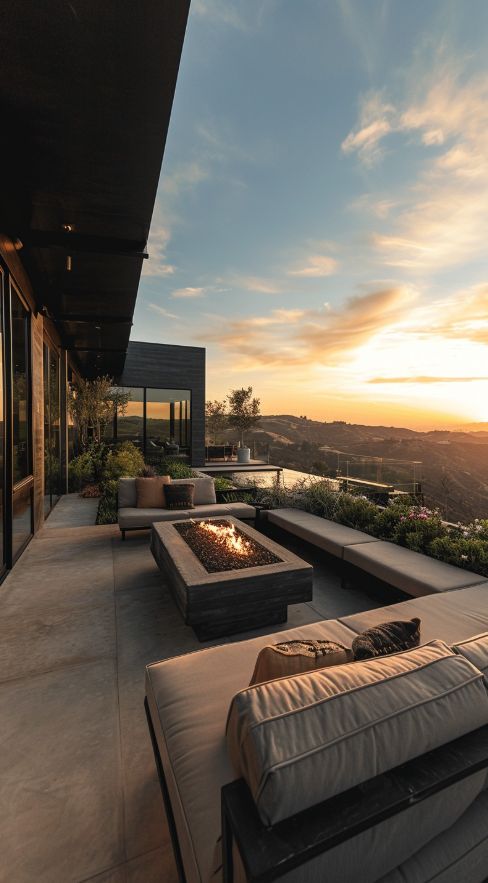
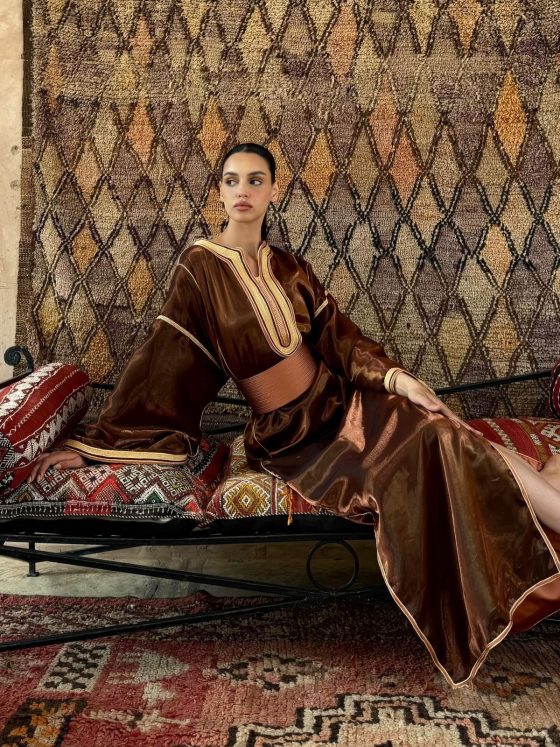
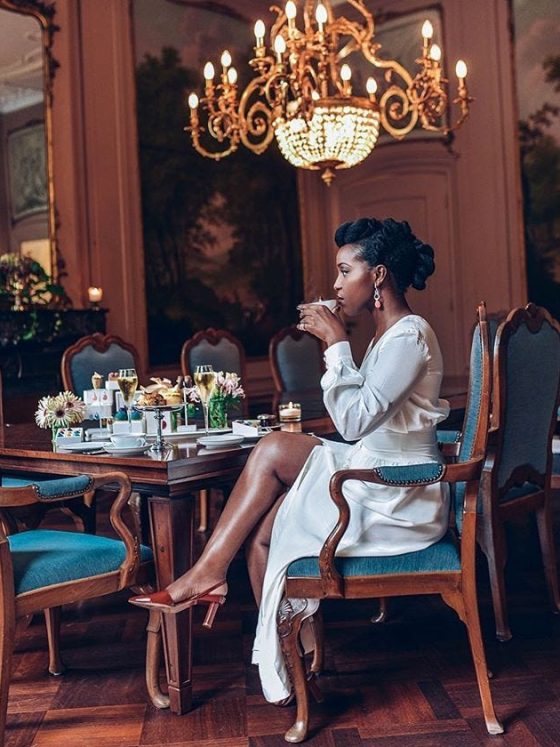
For this generation, luxury begins with feeling. It resides in ambience, design, and the emotional texture of a moment. They seek spaces that honour craftsmanship, architectural refinement and cultural depth. A riad in Marrakech lined with artisanal textiles, a design-forward lodge in Cape Town, or a chef-led dining experience in Nairobi speaks more to them than traditional symbols of wealth.
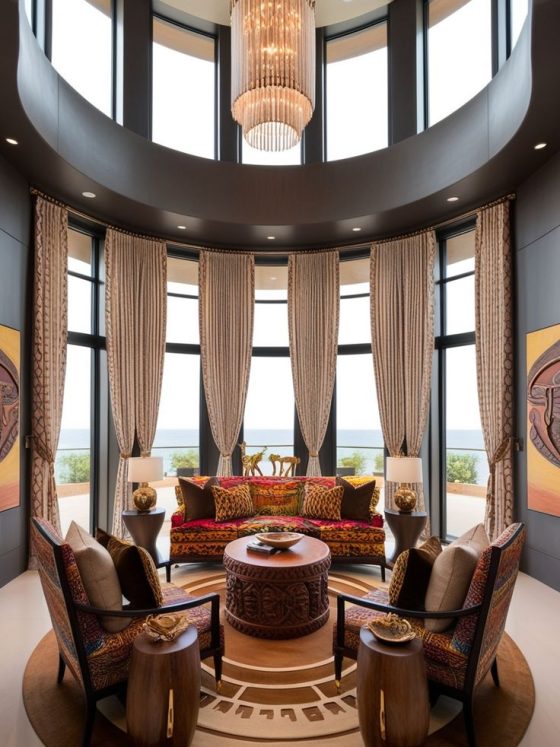
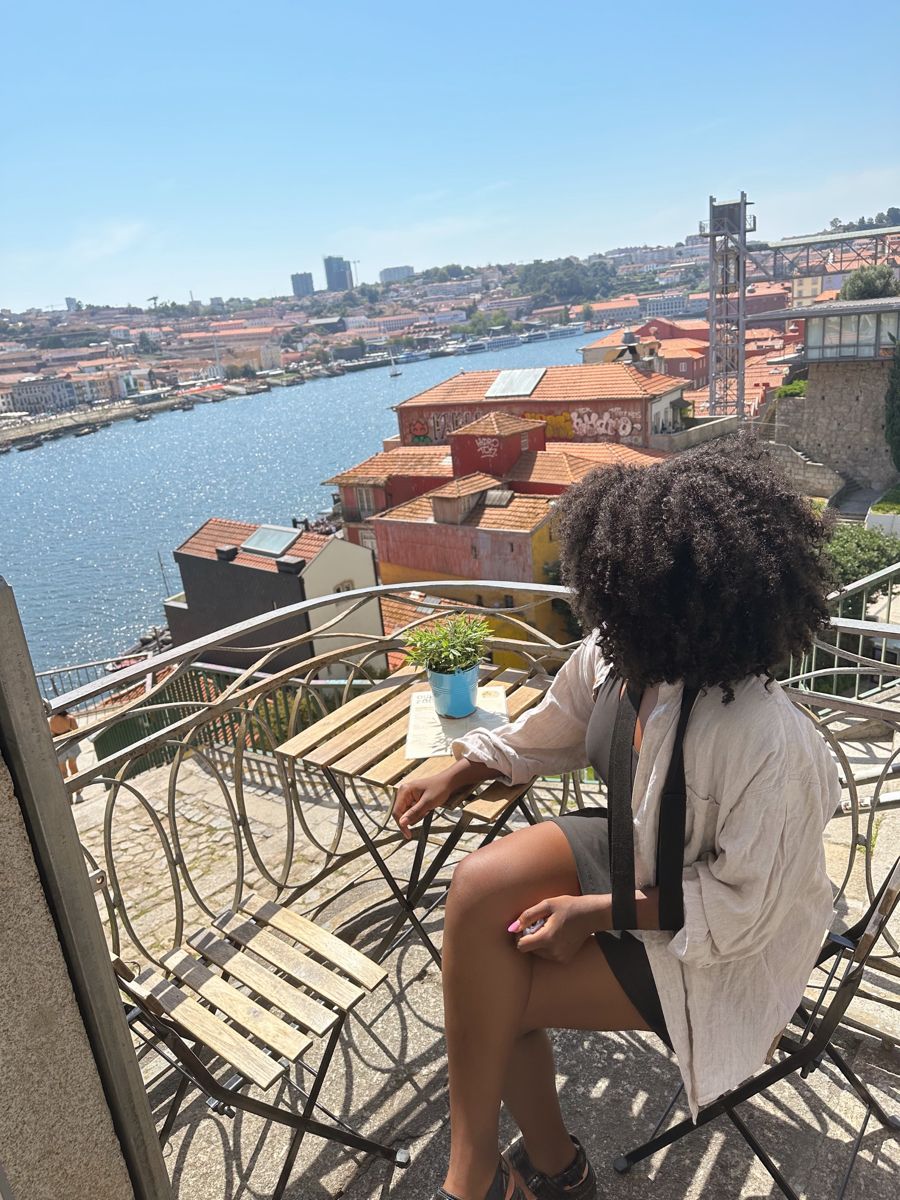
These choices are visually documented. Social media has transformed travel into a medium of artistic storytelling: an archive of memory, identity and aesthetic expression. African travellers curate environments that elevate their visual signatures: warm palettes, sculptural lines, contemporary interiors, and sweeping views—the backdrop matters. The atmosphere matters—the emotional architecture of each issue at hand.
This is travel as self-expression – intentional, curated, and deeply personal.
The Return of the Diaspora
One of the most influential forces reshaping Black luxury travel is the renewed relationship between Africa and its diaspora. As mobility increases, diasporic Africans return with curiosity, longing and emotional depth. Their journeys reflect a desire to honour memory, rediscover heritage and participate in the continent’s evolving cultural and creative renaissance.
The impact is unmistakable. Ghana’s Year of Return showed how travel can connect people from different cultures and backgrounds in both cultural and economic ways. Across the continent, similar movements have emerged organically. Senegal’s artistic revival, Kenya’s coastal modernism, Rwanda’s architectural discipline, and Nigeria’s cultural electricity have become magnetic points for diasporic travellers seeking meaning beyond leisure.
Their return has sparked cross-continental collaboration, investment, and creative exchange, as well as a renewed understanding of luxury, one rooted in heritage rather than imitation. This is more than tourism. It is continuity.
READ ALSO:
- Quiet Luxury in Africa: How Aso-Oke, Adire & Craftsmanship Are Shaping 2025 Style
- Thebe Magugu: African Heritage Meets Global Luxury in 2025
- Laduma Ngxokolo: Crafting the Future of Xhosa Luxury
African Cities Becoming Luxury Travel Hubs
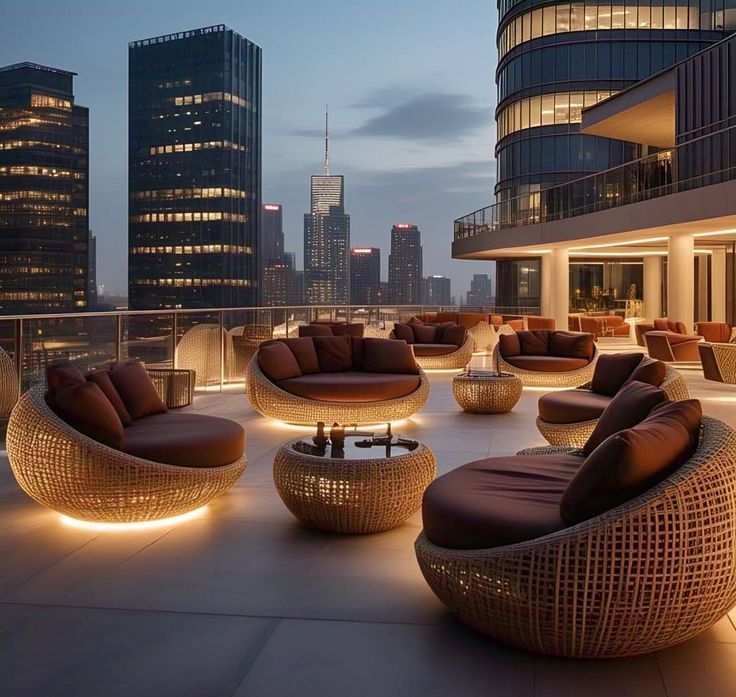
African cities are not waiting for validation. They are defining their own lexicon of luxury. Lagos pulses with cultural fire where cuisine, fashion, music and nightlife merge into a singular metropolitan identity. Accra offers coastal serenity and contemporary African cool. Nairobi blends cosmopolitan sophistication with access to natural wonder. Cape Town remains globally adored for its dramatic landscapes and design-led creative scene. Kigali leads with futuristic planning, architectural discipline, and a refined urban ethos.
What unites these cities is their articulation of luxury through culture. Their boutique hotels—many designed or owned by Africans reflect a design philosophy rooted in craftsmanship and memory. Their concept stores spotlight emerging designers. Their restaurants reinterpret heritage foodways with modern refinement.
The result is luxury defined by cultural intelligence.
Travel as Cultural Expression
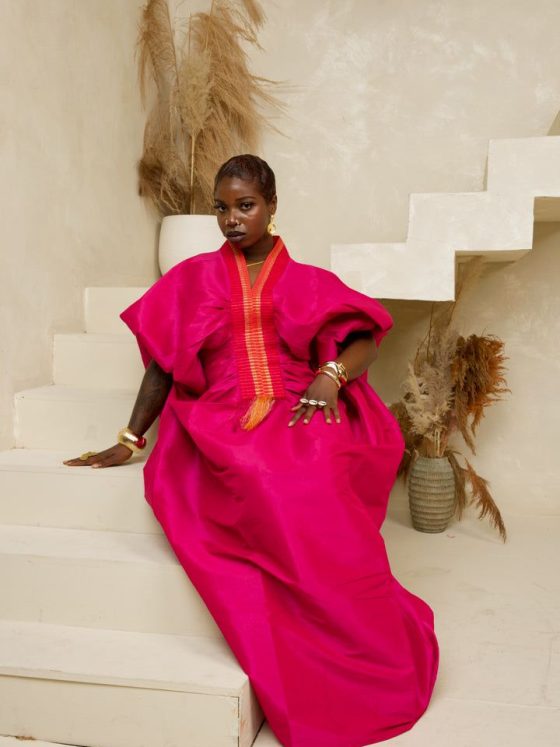
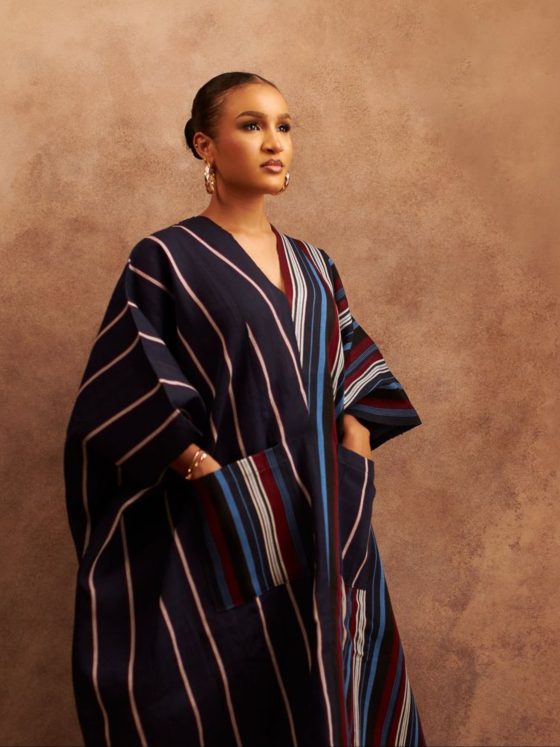
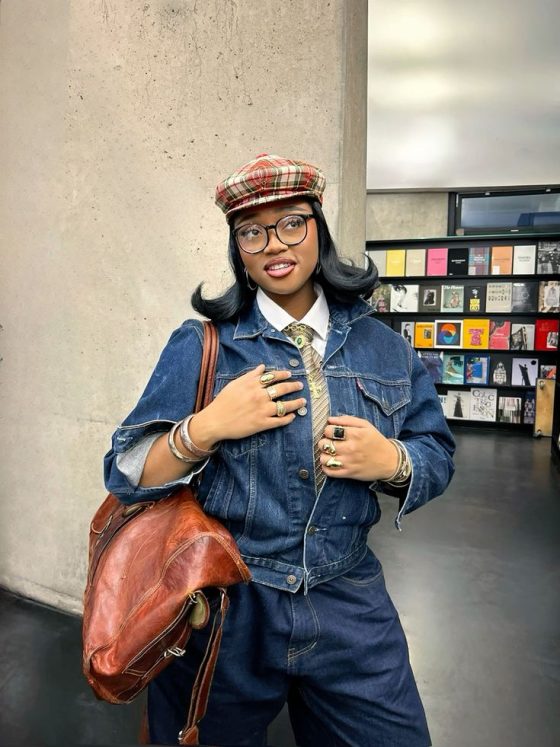
For African millennials, travel and style are inseparable. Clothing becomes a visual extension of identity across borders, from linen to adire, monochrome tailoring to quiet jewellery, and scent-driven elegance. Their wardrobes blend tradition with global modernity, revealing a sophisticated understanding of balance.
Fashion becomes a narrative device. Architectural backdrops, textile-rich interiors, sculptural furniture, and expansive landscapes frame their presence, making every journey a curated visual essay. Through these composed images, African millennials challenge outdated assumptions about taste and cultural refinement.
Their luxury rejects spectacle in favour of intention. It is quiet, grounded, and deeply expressive.
How Technology Amplifies This Shift
Digital platforms have become archives of this new movement. Through photography, travel diaries, cinematic edits and moodboard-style storytelling, African travellers document their journeys with artistic precision. Their voices shape global conversations about travel, identity, and visual culture.
This digital fluency has elevated African travel content to a new standard—one defined by aesthetics, craftsmanship, and narrative clarity. It has also expanded opportunities for travel creators, hospitality brands, photographers, designers, and boutique agencies, which now collaborate across continents.
Technology offers a canvas, and African millennials fill it with identity.
What This Means for the Future of Luxury Travel
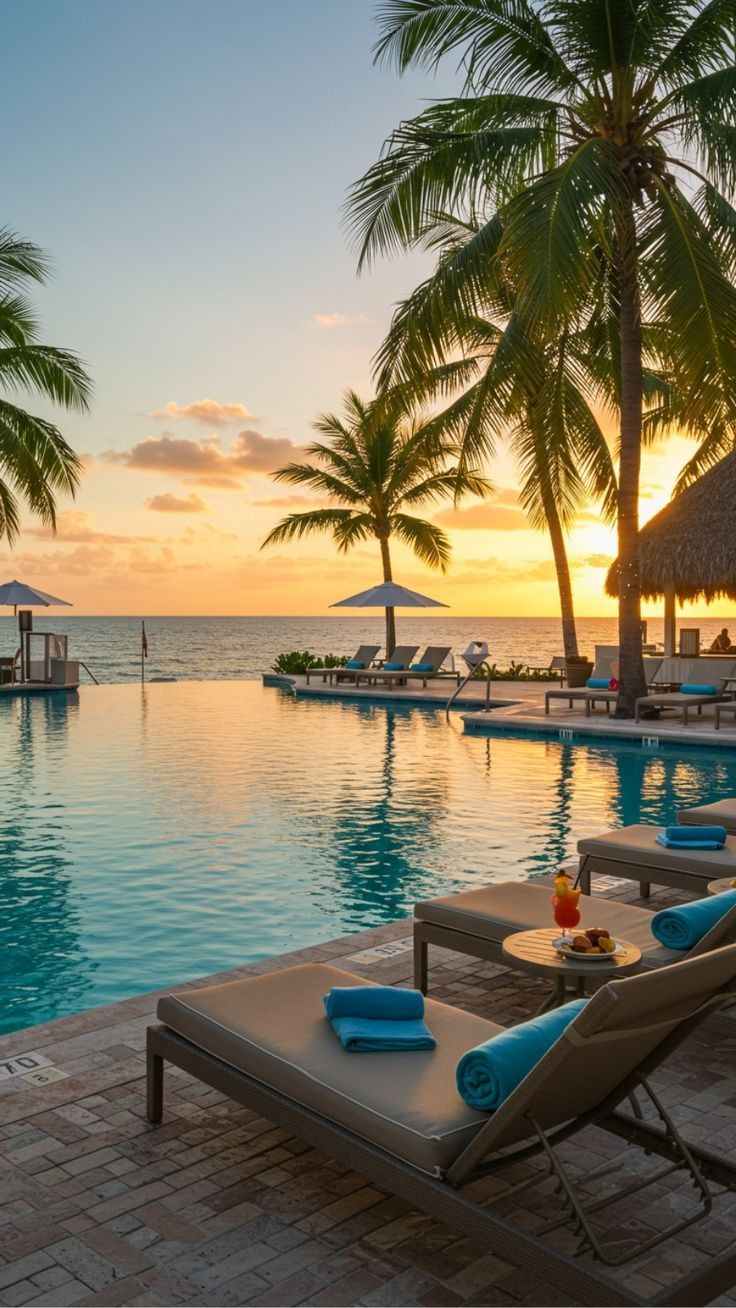
The rise of Black luxury travel represents a global recalibration. It signals economic agency, cultural influence and a shifting definition of luxury, shaped by African perspectives. It also challenges hospitality brands and tourism boards to rethink representation, design languages, and cultural sensitivity.
Airlines are expanding African routes. International travel brands are collaborating with African creatives. Global publications are spotlighting African destinations through a more respectful lens.
The industry is adapting because it must. African millennials are not passengers. They are stakeholders.
Conclusion
African millennials are not simply participating in global travel; they are reshaping its language. Every journey becomes an assertion of identity, a dialogue between heritage and modernity, and a quiet reminder that luxury expands when culture leads. They walk through the world with intention, carrying the confidence of a generation that understands its influence and honours its roots.
Their travels illuminate new geographies of taste.
Their presence reframes global expectations.
Their stories redefine what luxury looks, feels like, and represents.
This is more than a movement.
It is a new global imagination shaped by African authorship.
Frequently Asked Questions
- Who are the key drivers of Black luxury travel today?
African millennials—across the continent and the diaspora—are leading a new era of culturally rooted, design-conscious and experience-driven travel.
- What makes African luxury travel unique?
It blends heritage, contemporary aesthetics, cultural intention and modern sophistication, creating a luxury language distinct from Western norms.
- Which African destinations are rising as luxury travel hubs?
Lagos, Accra, Nairobi, Cape Town and Kigali are emerging as design-forward, experience-rich cities shaping Africa’s modern travel identity.
- How has the diaspora influenced this shift?
Diaspora travellers are returning to the continent with a more profound cultural curiosity and are investing in experiences that blend heritage, innovation, and global mobility.
- Why is Black luxury travel growing so quickly?
Economic mobility, digital storytelling, creative industries, and a stronger cultural consciousness are empowering African travellers to shape global travel cultures.