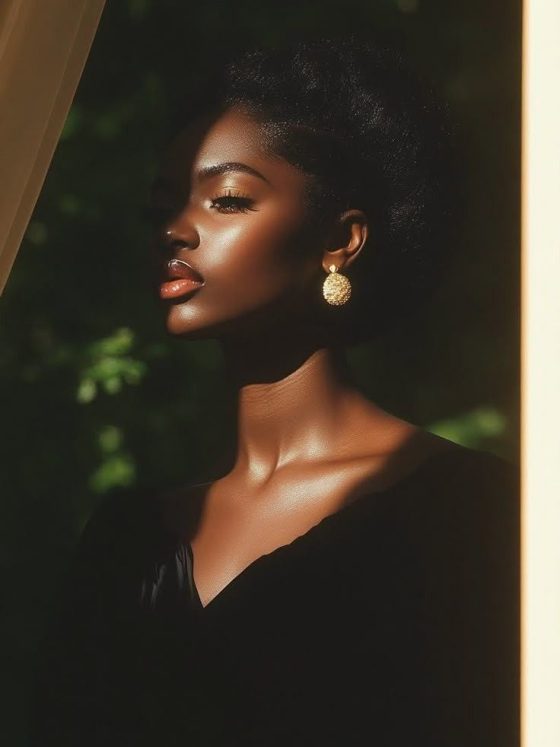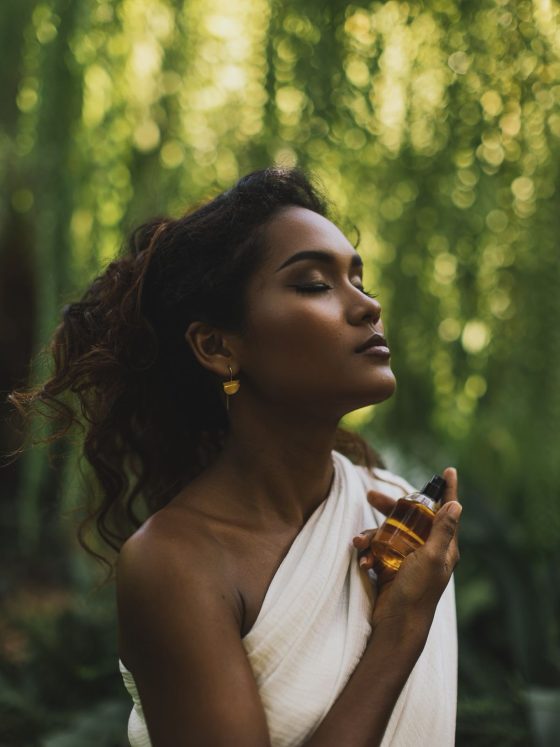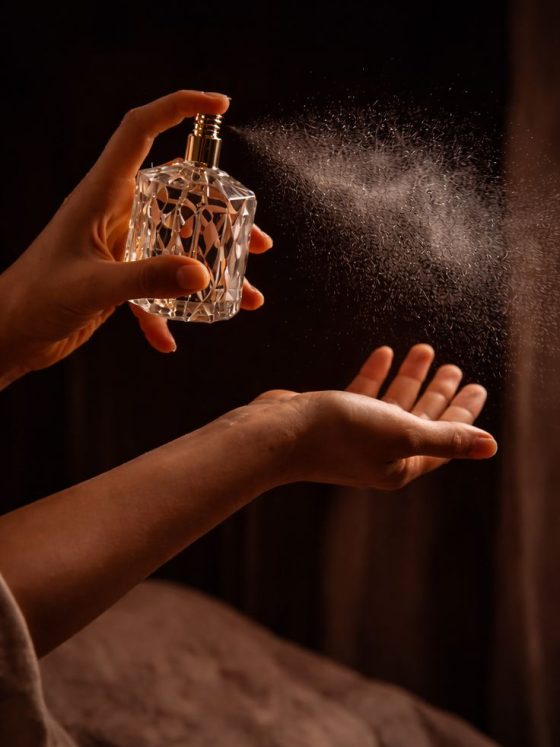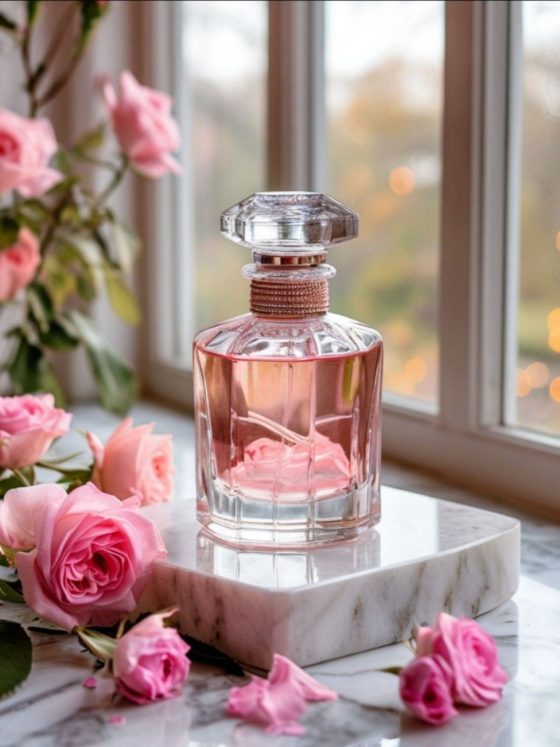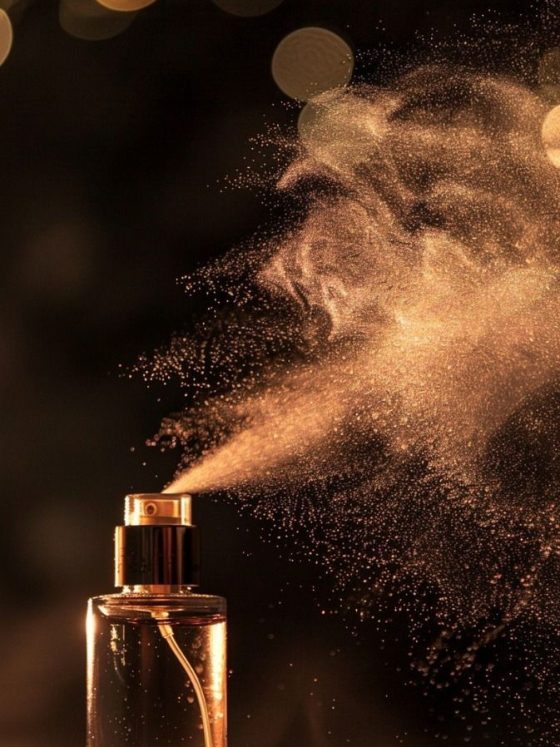
There is a moment many Africans know well: the quiet sweetness of flowers at dawn, the warm lift of spice from a market stall, or the earthy calm that follows the first rain. These scents linger, not just in the air, but in memory. Today, those same familiar notes are finding their way into bottles crafted by a new wave of African perfume makers.
This movement is not loud or rushed. It is intentional. It is built by creators who understand that Africa’s stories do not need exaggeration; they only need room to breathe. By blending old-world techniques with modern luxury standards, these fragrance houses are turning everyday sensory experiences into global olfactory statements. The result is a new class of African luxury: grounded in heritage, shaped by craftsmanship, and ready for the world stage.
African fragrance houses blend ancestral raw materials with modern craft, redefining luxury through provenance, sustainability, and cross-cultural stories.
Provenance as Luxury
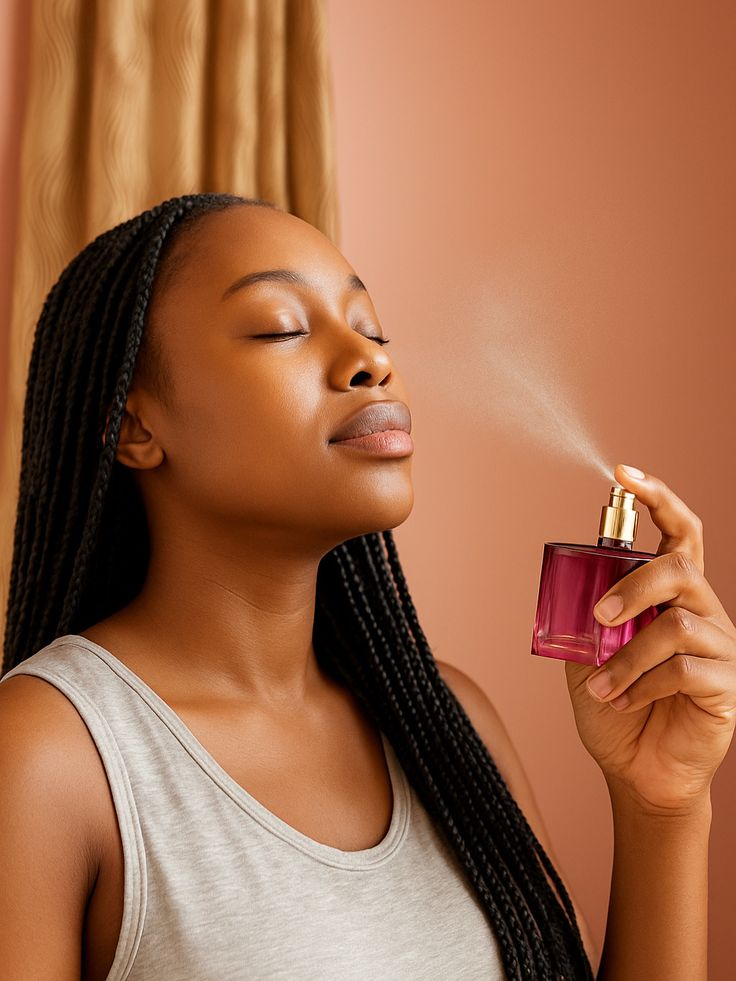
Africa’s new fragrance houses place provenance at the core of their identity. Ingredients are not treated as simple notes; they are cultural assets. North African orange blossom, Sahelian resins, West African woods, and coastal botanicals are used with intention, each carrying a memory of landscape and community.
This approach reframes luxury. Instead of relying on imported accords, brands present African raw materials as refined, complex, and globally relevant. Transparency around sourcing supports smallholder farmers, strengthens regional economies, and gives consumers a meaningful connection to place. Provenance becomes not a marketing angle but the backbone of the scent.
Craftsmanship Rooted in Heritage and Modern Science
Craft is where story becomes product. African fragrance houses are preserving traditional extraction methods, steam distillation, enfleurage, and resin tapping, while pairing them with modern perfumery science.
This duality is the movement’s signature. Perfume artisans, chemists, and distillers work together to refine indigenous techniques to meet global standards for safety, stability, and longevity. The scents that emerge are textured and nuanced: deeper resins, airy florals, earthy woods, and spices that feel both familiar and elevated.
The outcome is cultural craftsmanship presented with global polish.
Digital Discovery, Diaspora Influence, and New Luxury Markets

Shifts in how consumers discover and buy perfumes closely correlate with the rise of African fragrance houses. Social media enables niche brands to tell their stories directly, through scent diaries, ingredient showcases, atelier videos, and fashion collaborations. The diaspora also plays a major role, acting as early supporters who introduce these fragrances to global cities. Their influence shapes how African scents travel: from Lagos to London, Marrakech to Paris, and Accra to New York.
Luxury tourism is another catalyst. Visitors experience fragrances at cultural hubs and then carry them home as personal artefacts. Each bottle becomes both a keepsake and a quiet ambassador for the continent’s creative economy.
READ ALSO:
Ethical Luxury and Sustainability as Core Values
For leading African fragrance houses, sustainability is not an add-on; it is an ethos. Brands invest in fair-pay cooperatives, transparent sourcing, and regenerative harvesting practices that protect both ecosystems and the people who steward them.
This ethical structure offers more than just a consumer appeal; it also provides long-term supply stability and dignity for communities whose labour forms the industry’s base. The alignment with global sustainability expectations also positions these brands competitively against major luxury houses.
Africa’s scent economy is proving that beauty and responsibility can rise together.
Design, Fashion, and the Minimalist African Aesthetic
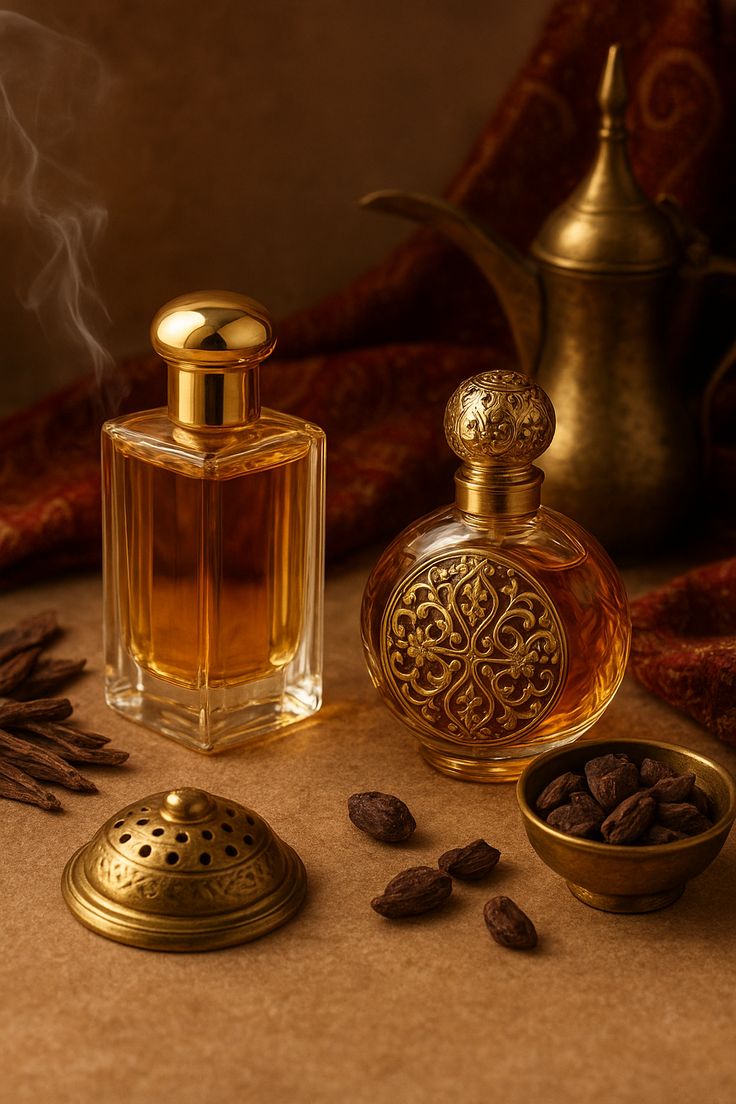
The visual language of these brands mirrors their olfactory philosophy: intentional, clean, and culturally grounded. Packaging draws from local motifs, textiles or architecture, but with restraint.
Rather than relying on clichés, design choices honour heritage in subtle ways: bottle silhouettes inspired by traditional vessels, colour palettes that echo landscapes, or typography influenced by regional script styles.
This aesthetic creates a bridge between modern luxury fashion and African identity, delivering a product that feels familiar to global consumers yet distinct in its narrative.
Conclusion
The rise of African fragrance houses is reshaping global ideas of luxury. These brands do more than bottle scent—they bottle memory, landscape, and cultural truth. By blending heritage with innovation, they are building a new olfactory language that is elegant, intentional, and deeply rooted in identity.
Africa’s fragrance movement is not a trend; it is a long-overdue chapter in the continent’s creative renaissance, written through the language of scent.
5 FAQs
- What makes African fragrance houses distinct in the global perfume space?
They centre provenance, heritage craftsmanship, and cultural storytelling, using African botanicals as primary assets rather than accents.
- Are these fragrances produced with global safety standards?
Yes. Leading brands work with IFRA-compliant labs and trained perfumers to meet international safety and quality benchmarks.
- How important is sustainability in this industry?
It is foundational. Many houses partner with cooperatives, invest in ethical harvesting, and support regenerative sourcing practices.
- How do these brands reach international audiences?
These brands reach international audiences through various strategies, including digital storytelling, diaspora support, direct-to-consumer (D2C) sampling, cultural collaborations, and tourism-driven discovery.
- Which fragrance formats are most popular in African luxury markets?
Oil-based perfumes and parfum extracts are popular due to their longevity, heat resistance, and premium feel.