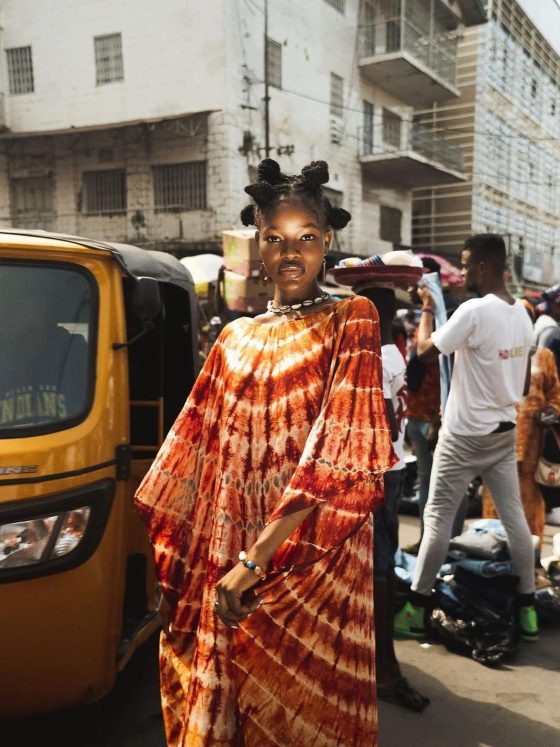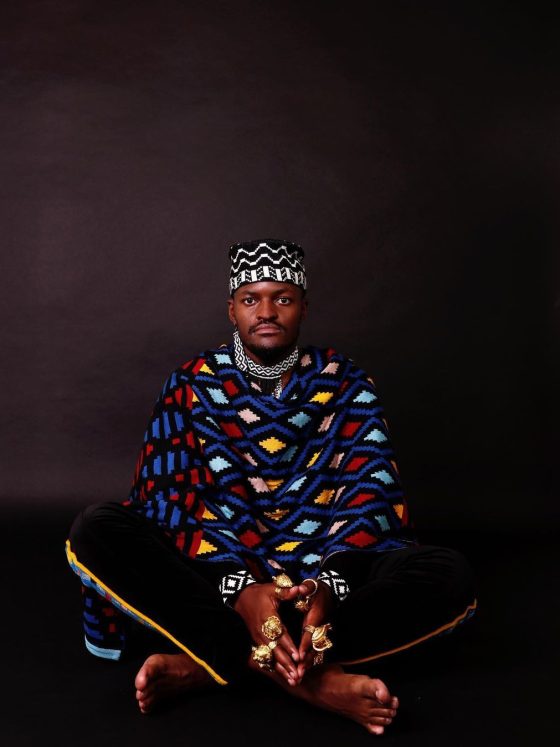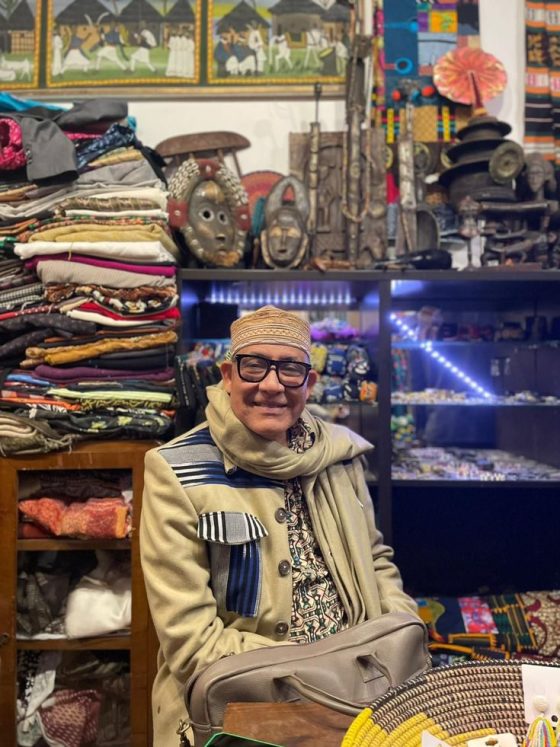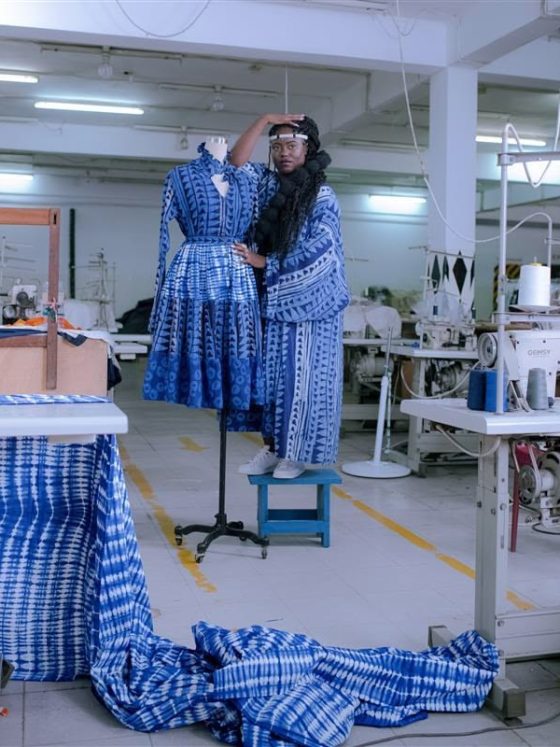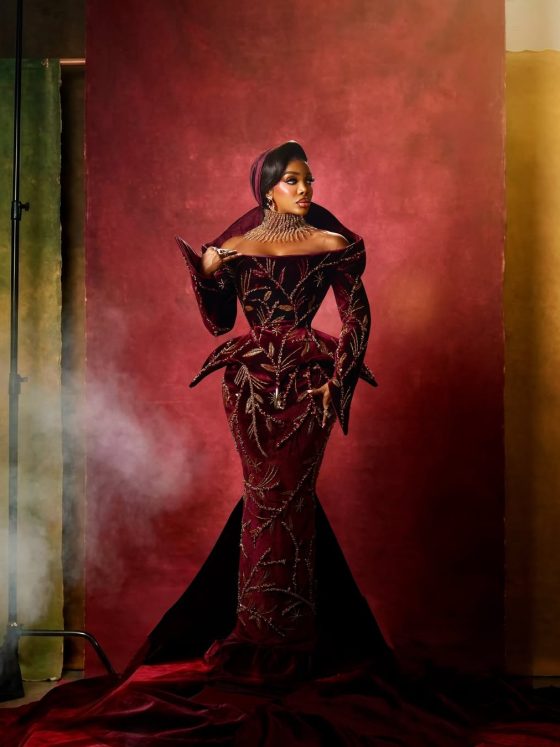
House of Karugire is not a fashion label. It is an argument. And Natasha Museveni Karugire has been making that argument since 2003.
She was born near Mount Kilimanjaro, her family in exile, her father leading men through the Ugandan bush. She carries a name, Kainembabazi, that the Runyankole tradition translates as ‘daughter of the savannah’. By the time Natasha Museveni Karugire launched her fashion label at Speke Hotel in Kampala two decades later, that name had already told you everything you needed to know about her design philosophy: she makes things rooted in the earth, and she makes them for people who know where they come from.
In a fashion world that persistently treats African aesthetics as inspiration to be borrowed rather than civilisations to be honoured, Karugire has chosen a different direction. Her work is an act of cultural assertion. The beadwork, the local fabrics, the deliberate wedding of heritage craft to contemporary form. Fashion writer Sylvia Owori identified Karugire and Gloria Wavamunno as the future of fashion in Uganda, a verdict delivered years before the international fashion press arrived at the same conclusion.
Natasha Museveni Karugire founded House of Karugire in 2003, weaving Ugandan beadwork and heritage fabric into contemporary fashion. This is the Omiren Styles story of a designer who treats culture as material.
A Label Born From Exile and Return

Karugire’s biography is not background detail. It is the architecture of her creative vision. Her childhood was spent between Tanzania, Sweden, and Kenya as her father led the resistance that would eventually restore the Museveni family to Uganda in 1986. That experience of displacement and return, of belonging to a culture you could not always touch, shaped the instinct she later brought to fabric.
She studied fashion design and fashion marketing at American Intercontinental University in London, acquiring the technical vocabulary to match what she already understood intuitively. The result, when she returned to Kampala, was House of Karugire, launched in 2003. The label announced itself at Speke Hotel and immediately signalled its intentions: this was not fashion importing foreign sensibility into an African context. This was fashion recovering what was already there.
The collections incorporated traditional Ugandan beading, local fabrics, and techniques passed down through generations of East African craft practice. She presented at Kampala Fashion Week, one of the continent’s most important platforms for designers, making the case that African fashion deserves rigorous, sustained critical attention.
The Omiren Argument: Heritage Is Not a Trend
The most significant thing about House of Karugire is not its aesthetic. It is its insistence. Karugire has spent more than two decades refusing to treat Ugandan heritage as a seasonal reference or a trend cycle. Her return to Kampala Fashion Week was marked by exactly this consistency: her J & Kainembabazi label sending out bright, floral dresses with traditional beading at the collar, a signature that announced both her return and her refusal to compromise.
This is the Omiren Argument made visible on the body: that African fashion is not trend adoption but civilisational expression. That the most sophisticated response to a global fashion system built on the erasure of African textile knowledge is not to compete on its terms but to refuse them entirely. The House of Karugire, in its structure and its evolution, is that refusal given form.
The most sophisticated response to a global fashion system built on the erasure of African textile knowledge is to refuse its terms entirely.
The Evolution Into J & Kainembabazi

The House of Karugire did not remain static. The label evolved into J & Kainembabazi, a transition that carried forward both the heritage mandate and the designer’s expanding creative ambition. The renaming is itself telling. Kainembabazi, daughter of the savannah, is not a brand name borrowed from elsewhere. It is a name that belongs, irrevocably and personally, to Natasha Karugire. To name a fashion label after your own cultural identity is to make your authorship inextricable from the work.
It is a move that African designers have historically been pressured not to make. The commercial wisdom of global fashion has long encouraged African creatives to obscure or neutralise their origins in favour of a marketability premised on universality. Karugire’s decision goes the other way. The more personal the name, the more specifically Ugandan the reference, the more honestly the work declares itself. Explore our growing African designer profiles for more on the designers making this same argument in their own ways.
Fashion as Cultural Preservation

Karugire does not operate in fashion alone. She founded the Heritage Foundation, dedicated to preserving and promoting Ugandan history and culture. She co-founded Isaiah 60 Productions and directed the biographical film 27 Guns in 2018. She published a memoir. She launched a podcast on African culture. Read the full background on her creative and cultural journey from fashion to film.
Each of these projects belongs to the same argument. Fashion, film, memoir, podcast: they are all instruments of the same project, which is to insist on the value, specificity, and depth of Ugandan and African cultural life. What makes Karugire significant to Omiren Styles is not simply that she is a designer with impeccable heritage credentials. It is that she understands, and has always understood, that the clothes are only one part of a larger cultural statement.
When she incorporates traditional beadwork into a contemporary silhouette, she is not merely creating a beautiful object. She is making visible a craft lineage, asserting that Ugandan artisanship belongs at every table where the future of fashion is decided. Uganda’s broader fashion scene has, in recent years, caught up with this vision, with events like the Afri Art and Fashion Show 2024 making heritage-fabric work its central proposition.
Also Read on Omiren Styles
- Gloria Wavamunno and the Architecture of a Continental Stage
- What African Fashion Owes to the Women Who Never Left
- Beadwork, Bark Cloth and the East African Craft Lineage
Why This Matters Now
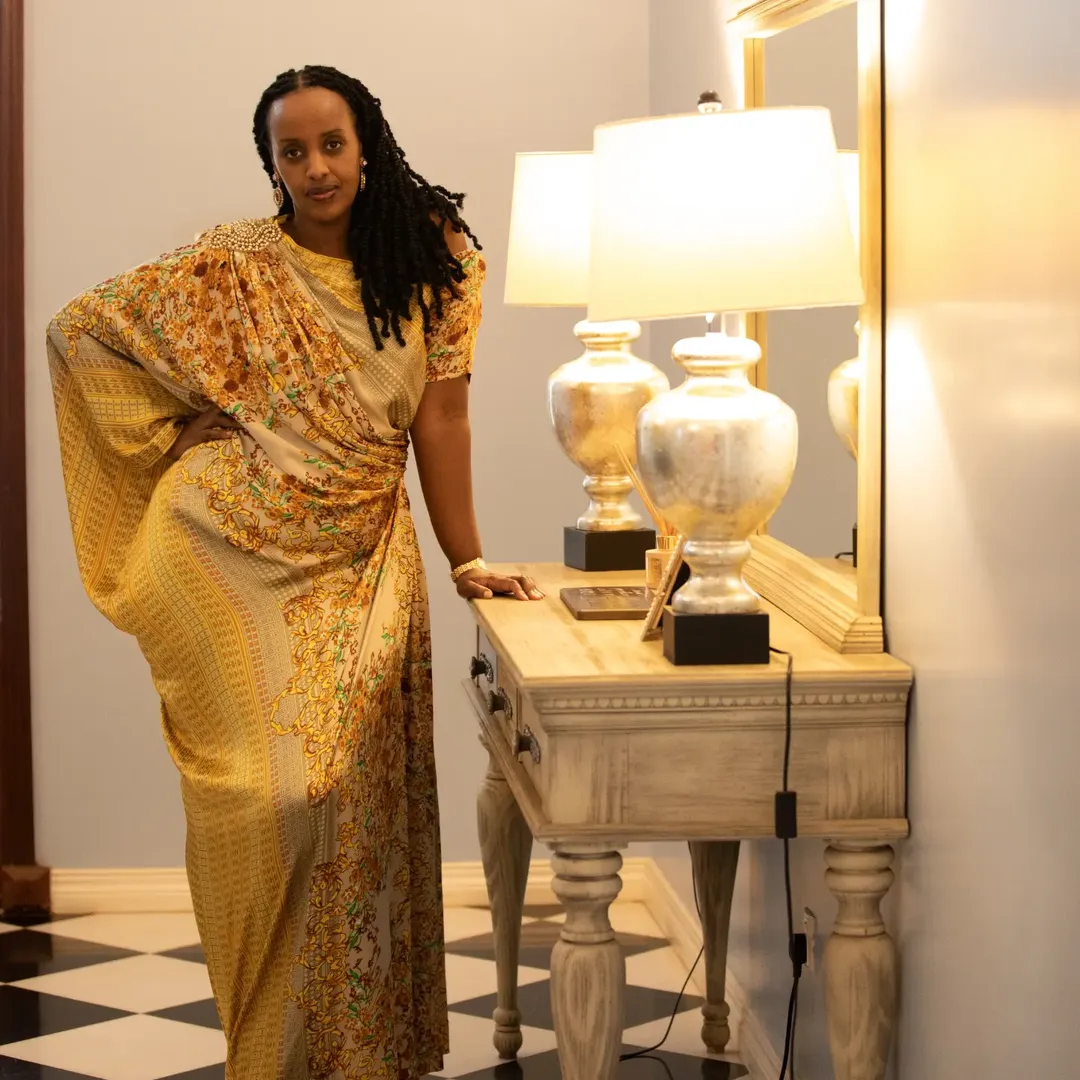
The global fashion conversation is, slowly and incompletely, beginning to take African designers seriously on their own terms. But the terms still matter. Too much of that recognition is still structured as discovery, as if designers like Karugire have been waiting to be found rather than creating with rigour and intent for decades.
The House of Karugire was founded in 2003. That is more than twenty years of building a fashion language grounded in Ugandan heritage. Karugire herself put it plainly: her hope is that Ugandans will wear their own clothes and that the second-hand clothes market will fizzle out of society. That is not a trend statement. That is a civilisational one.
As a broader portrait of East African fashion identity, her story sits alongside the work Omiren Styles has mapped across the continent: designers who are not seeking permission from the global fashion calendar but building their own.
Daughter of the savannah. The name was given at birth, near a mountain in Tanzania, to a child in exile. She brought it home, stitched it into fabric, and made it a label. That is not fashion history. That is how culture survives.
Frequently Asked Questions
1. Who is Natasha Museveni Karugire?
Natasha Museveni Karugire is a Ugandan fashion designer, filmmaker, author, and cultural advocate. She is the eldest daughter of President Yoweri Museveni and First Lady Janet Museveni and the founder of the fashion label House of Karugire, launched in 2003 in Kampala.
2. What is House of Karugire known for?
House of Karugire is known for integrating traditional Ugandan elements, including beading and locally sourced fabrics, with contemporary design. The label presented collections at Kampala Fashion Week and has since evolved into J & Kainembabazi, continuing its commitment to Ugandan heritage.
3. What does ‘Kainembabazi’ mean?
Kainembabazi is a name in the Runyankole tradition that translates as ‘daughter of the savannah’. ‘It is part of Natasha Karugire’s full birth name and the foundation of her label J & Kainembabazi, connecting her personal identity directly to her fashion practice.
4. Where did Natasha Karugire study fashion?
Karugire studied fashion design and fashion marketing at American InterContinental University in London before returning to Uganda to launch her label and build one of the country’s most distinctive fashion identities.