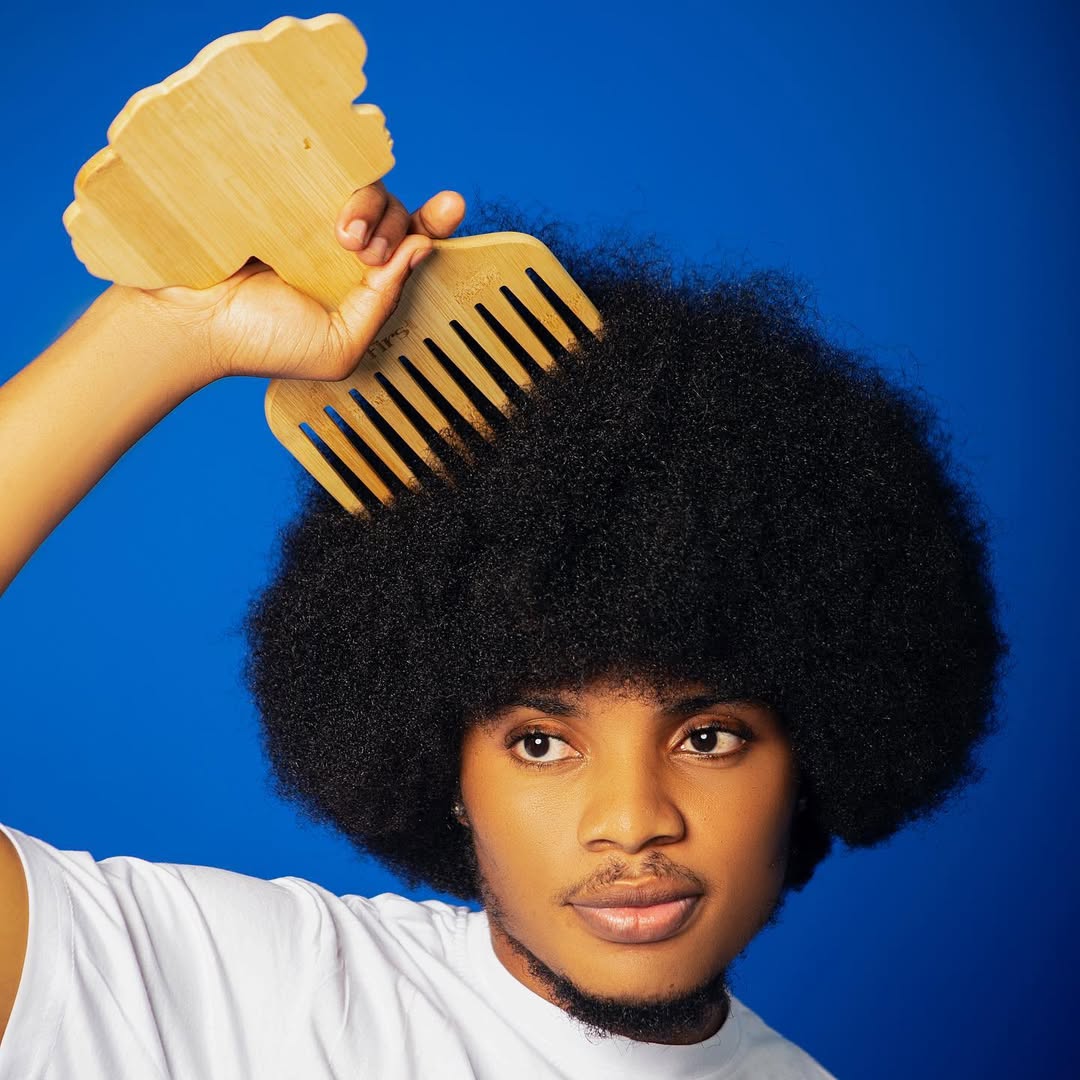
A comb might look like a simple tool, just something to style your hair. Over time, it became much more. This biography is the story of how the comb became a symbol of liberation.
From its African roots to the Black Power era, it grew into a way for people to celebrate natural hair, heritage, and self-expression. What started as an everyday object slowly gained meaning.
In this article, we’ll take a look at how the comb moved from everyday use to a lasting cultural symbol linked to freedom, roots, and identity.
Learn how the comb became a symbol of liberation, from African roots to the Black Power era, shaping natural hair identity and cultural pride today.
What Does The Afro Comb Symbolise?
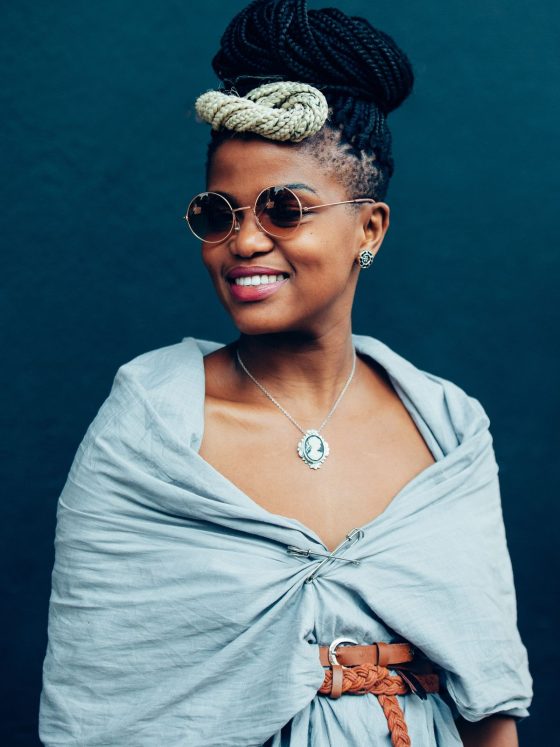
The Afro comb symbolises pride, identity, and self-acceptance. When someone uses an Afro comb, it shows confidence in natural beauty and a connection to African roots.
During the rise of the natural hair movement, the comb also became a quiet way to express cultural pride and freedom. It represents strength, resilience, and the refusal to conform to beauty standards that favour straight hair.
In short, the Afro comb symbolises identity, heritage, and empowerment. Understanding this is an important part of how the comb became a symbol of liberation, because it turned a simple object into a statement of self-expression and cultural pride.
History Of The Afro Pick And Its Cultural Origins
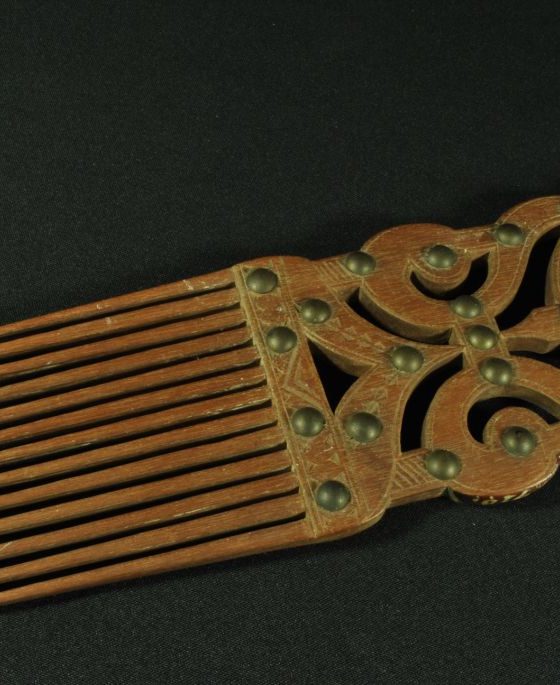
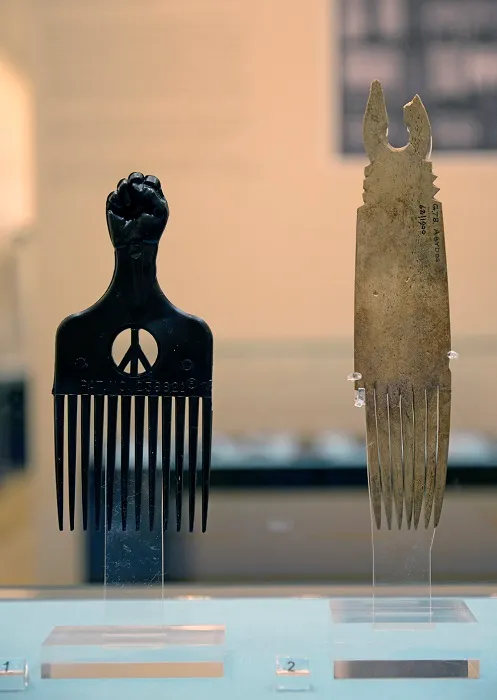
Long before modern liberation movements, African societies had combs designed specifically for textured hair. These combs were made from materials like wood, bone, or horn. Many were decorated with intricate designs.
In some communities, combs were passed down from one generation to the next. Some were used in ceremonies or cultural rituals. The design, material, and use of the comb could show a person’s social status, family connections, or cultural identity.
This long history set the stage for how the comb became a symbol of liberation. It already had cultural value and importance before it became globally recognised.
How The Comb Became A Symbol Of Liberation In The Black Power Movement
By the 1960s and 1970s, natural hair became more than a fashion choice. Hair became a statement of identity and pride. During the Black Power movement, the Afro comb became a symbol of resistance and empowerment.
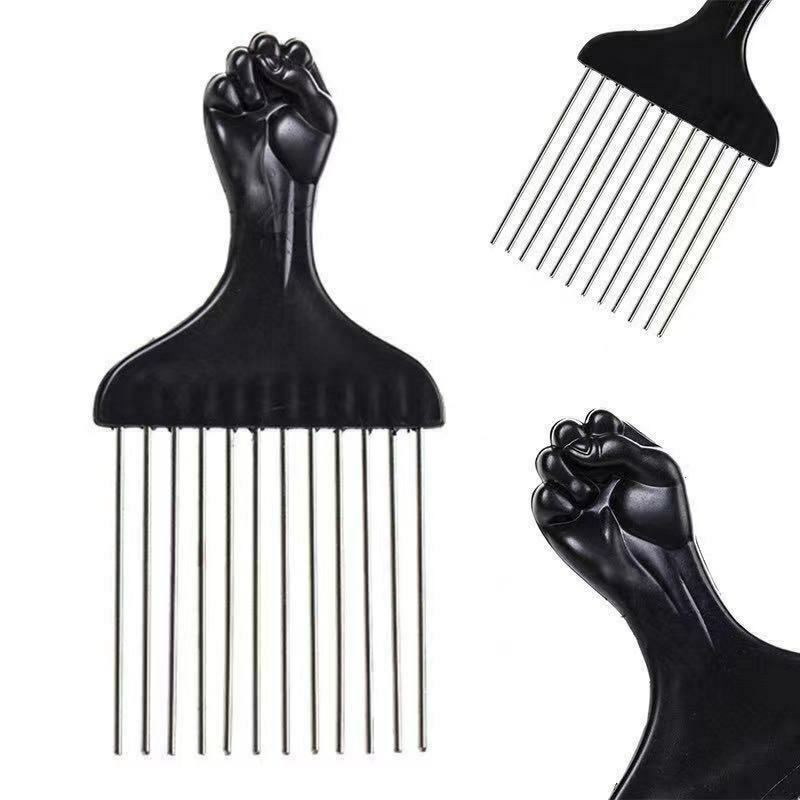
People wore their natural hair in Afros and placed a comb in it so it was visible. Some combs had a raised fist on the handle to symbolise unity and strength. Using the comb openly revealed that people refused to follow beauty standards that favoured straight hair.
This period was a key moment in how the comb became a symbol of liberation. The comb turned from a simple tool into a symbol of pride, cultural identity, and personal freedom.
ALSO READ:
- How the Grandmother’s Headwrap Wove a Legacy of Culture and Identity
- Why Your Jewellery Should Have A Provenance, Not Just A Price
- How Silhouettes Speak: A History Of Power In Black Women’s Fashion
- How The Dinner Table Sets The Stage For Revolution
Why The Afro Comb Still Matters Today
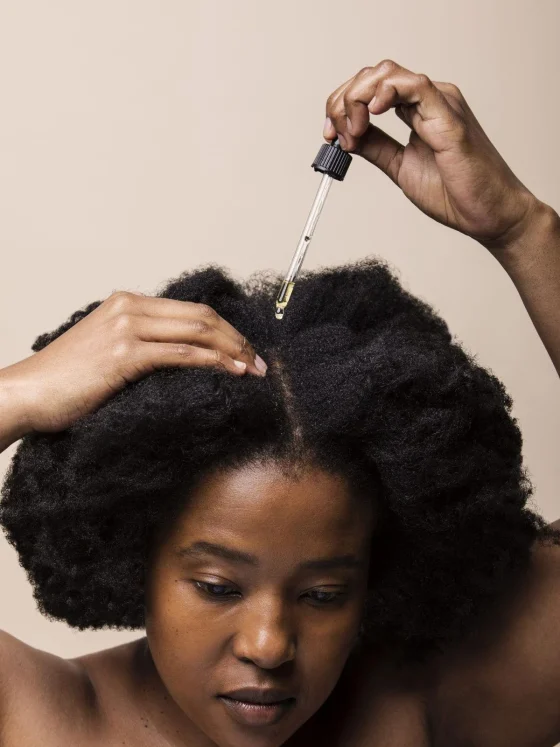
The significance of the Afro comb did not end in the 1970s. Today, it continues to represent pride, heritage, and self-confidence.
The Afro comb still matters for several reasons:
- Connection to Heritage: It links modern users to African culture, craftsmanship, and traditions.
- Expression of Self-Acceptance: Using it shows confidence in natural hair and personal identity.
- Symbol of Empowerment: The comb quietly resists old beauty standards that favoured straight hair.
- Cultural Memory Across Generations: From family heirlooms to museum displays, the comb carries history and shared experiences.
Every time someone uses an Afro comb today, they participate in the story of how the comb became a symbol of liberation. It continues to remind people of cultural roots, identity, and the freedom to embrace natural beauty.
Conclusion on How The Comb Became A Symbol Of Liberation
The story of the comb shows that everyday objects can hold powerful meaning.
What began as a simple tool for styling hair became a symbol of pride, identity, and freedom. Understanding how the comb became a symbol of liberation helps us see the importance of heritage, culture, and self-expression.
Today, the Afro comb represents roots, history, and the courage to be yourself. It is a quiet but strong symbol that will continue to motivate and connect generations.
Find your next signature look — browse Hair & Hairstyle on OmirenStyles now.
Frequently Asked Questions
-
What Makes The Afro Pick Different From Regular Combs?
The Afro pick features long, wide teeth to gently lift and shape textured hair without damaging it. Its functional design, combined with its historical and cultural background, adds to its symbolic importance.
- Why Did The Afro Comb Become A Symbol Of Liberation?
The Afro comb became a symbol of liberation during the 1960s and 1970s when the natural hair movement encouraged people to embrace their natural texture. Wearing an Afro and openly using a comb pushed back against beauty standards that favoured straight hair, making it a visible sign of identity and freedom.
-
When Did The Afro Pick First Appear In History?
Combs designed for textured hair date back to ancient African civilisations, where they were used for grooming and cultural expression. Modern Afro picks became widely popular in the 20th century, especially during the natural hair movement.
-
Is the Afro Comb Still Relevant Today?
Yes, the Afro comb still matters today because it represents ongoing conversations about identity, natural hair acceptance, and cultural roots. It continues to appear in fashion, art, and cultural discussions as a lasting symbol of expression.