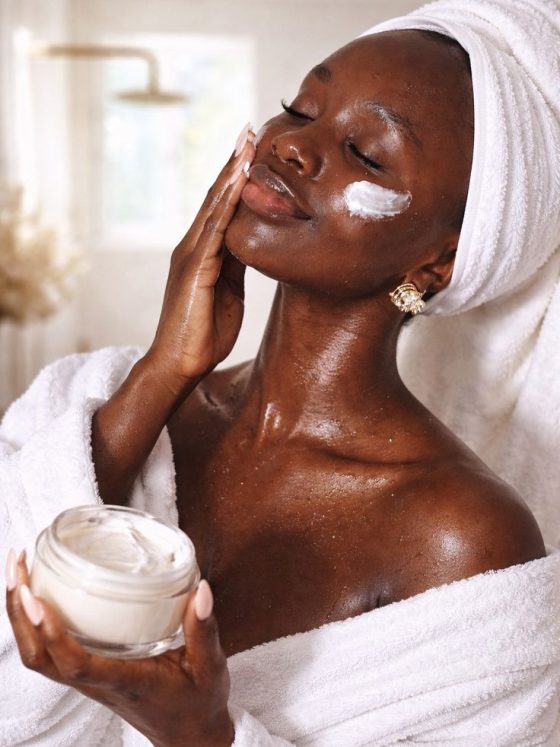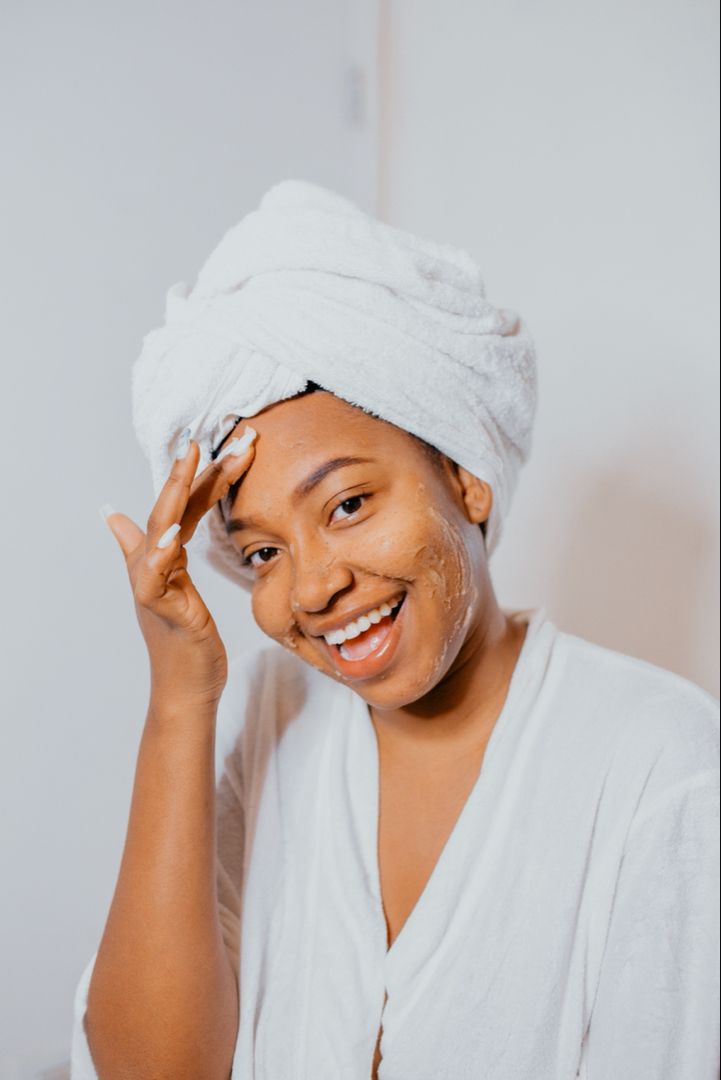
We often hear that night creams are the secret to glowing skin. But this idea is more than marketing. Night creams sit at the intersection of biology, daily rhythm, and how we live our lives. They are cultural artefacts as much as they are skincare products. Across the world, humans have long understood that night belongs to rest and renewal. Think of the Yoruba concept of aisan igba alẹ̀—night’s quiet healing—or the Japanese practice of nemuri, where sleep is sacred. Night creams are a modern expression of this ancient belief that our bodies repair in darkness. They tap into the body’s own circadian rhythm, deepening the cycle of protection and repair that daylight initiates and night completes.
This guide explains how night cream works and why it matters to your skin and your daily rhythm, from circadian rhythms to skin repair science.
We Are Rhythms Before We Are Skincare
Human skin is not a passive shield. It is a dynamic organ deeply tied to your body clock, also known as the circadian rhythm. This internal timekeeper governs everything from sleep to hormone release. During the day, your skin puts up a defence. It is exposed to ultraviolet light, pollution, heat, and emotional stress. The skin summons antioxidants, thickens its outer layer, and strengthens its barrier to protect the body.
However, the skin changes in response to the evening. The circadian signal, a molecular whisper rooted in your nervous system, tells cells to slow down defence and accelerate repair. DNA damaged by sunlight begins to repair, new skin cells prepare to rise to the surface, and collagen production accelerates. This shift isn’t random. It mirrors patterns observed in nature, where nights are for restoration and recovery. Night creams are not merely applied. They are delivered into a body that has already prepared itself to rebuild.
Why Night Creams Respond to This Biology
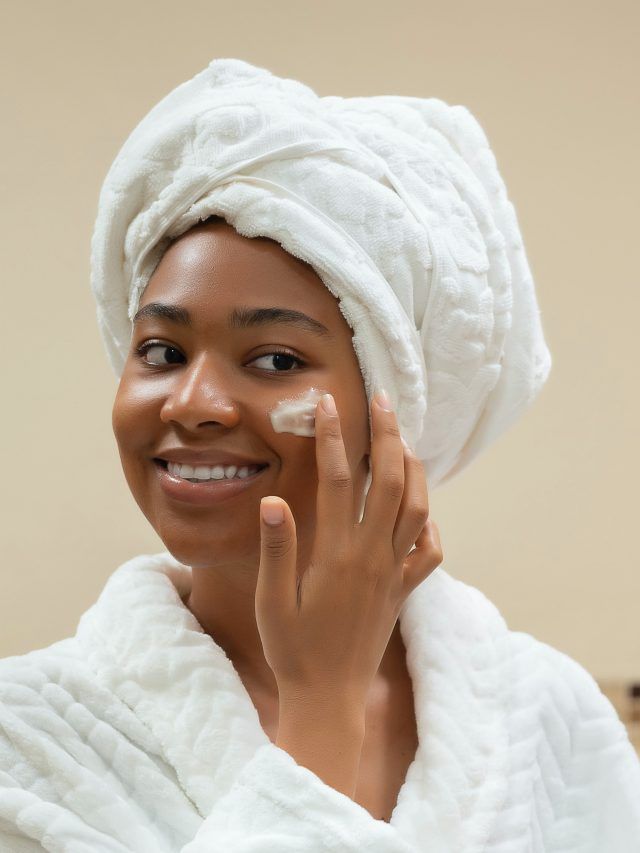
What makes night creams different from day products is timing and function. Day products focus on shielding: sunscreen, antioxidants, and light hydration. Night creams focus on restoration: deep hydration, nutrient support, and activation of repair pathways.
At night, the skin’s permeability changes. After sunset, the skin’s outer layer becomes more receptive due to the absence of UV stress and the reduced levels of oxygen radicals in the air. Ingredients like hyaluronic acid attract water and retain hydration deep in the skin. Retinoids and peptides signal to promote cell turnover and collagen synthesis. Together, these actives push skin into a state that mirrors your body’s internal rhythms.
But the story is not just about ingredients. It is about why it matters.
A Cultural Lens on Repair and Rest
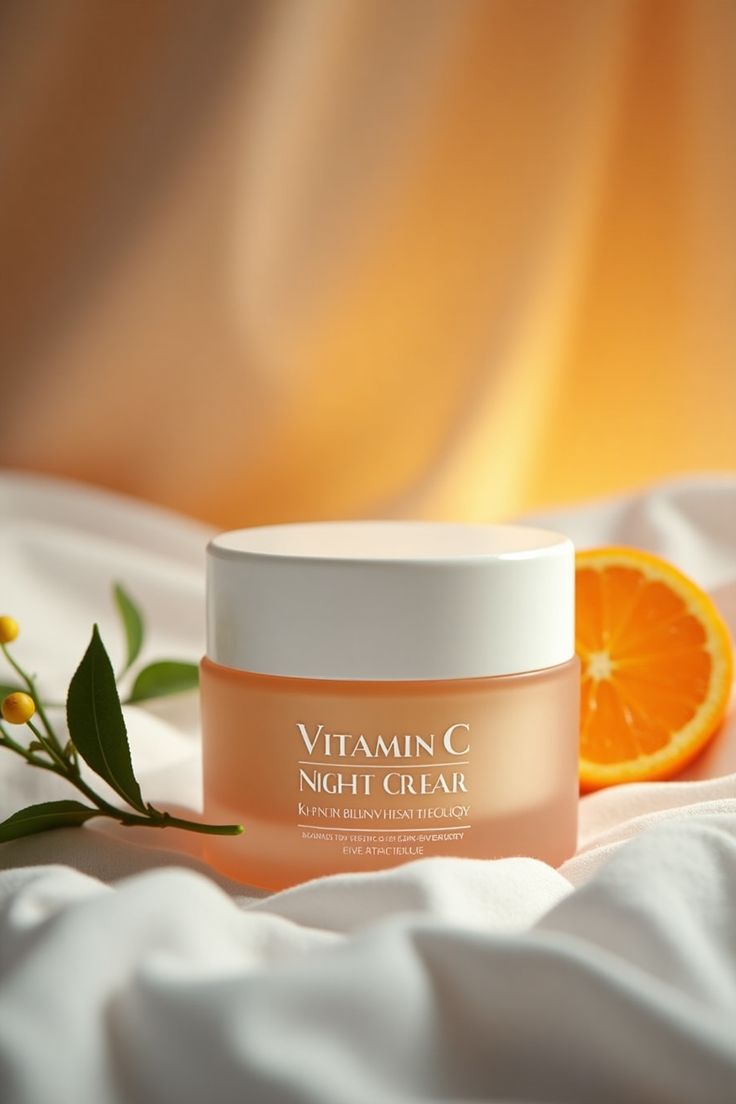
In many cultures, night has always been a time of healing, not just physically but emotionally and socially. In West African traditions, nighttime stories and rituals were meant to soothe and prepare the body and mind for the next day. In Mediterranean evenings, the world slows for siesta or relaxed conversation under dim lights. Night creams act as modern participants in this global practice. They honour an ancient truth: rest heals.
This matters because how we treat our skin reflects how we treat our lives. When we take time to apply a night cream, we are making a small ritual out of self-care. We acknowledge that the body’s natural repair mechanisms deserve support. This cultural layer—the understanding that care is an act of self-care—is what distinguishes mindful skincare from passive consumption.
Read Also:
What Night Creams Do in Practical Terms
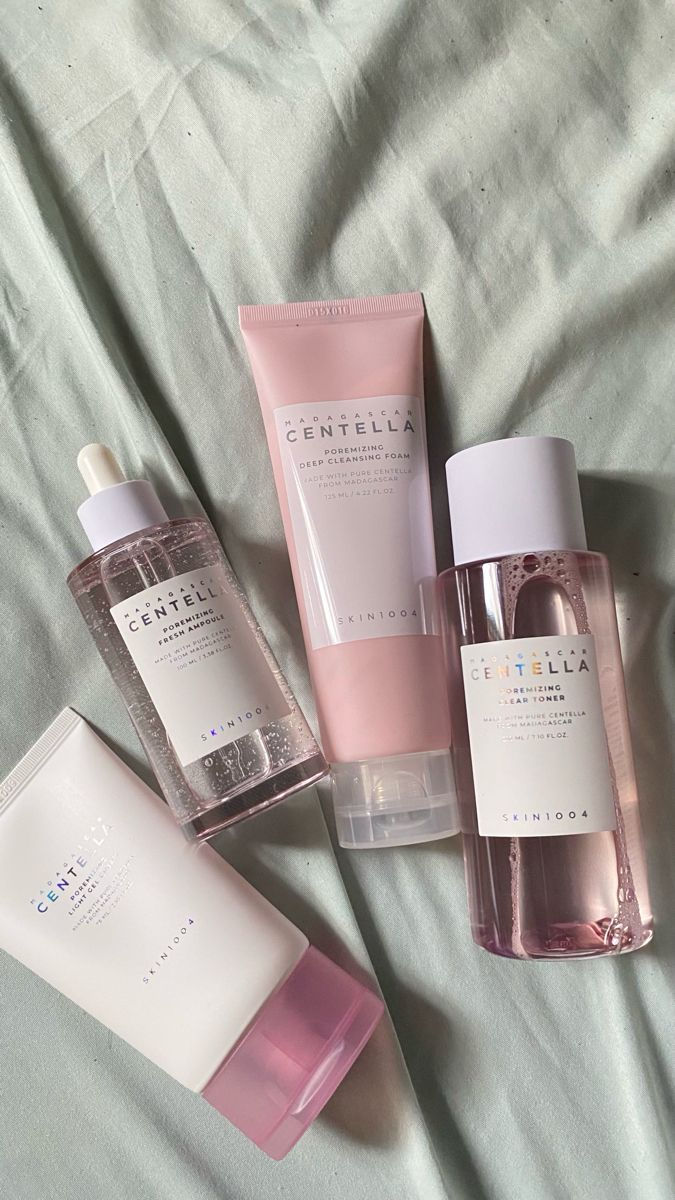
Here is how night creams work in ways you can feel and observe:
- Restore Hydration
At night, the skin loses water through transepidermal water loss. Night creams with humectants like hyaluronic acid and glycerin draw moisture from the environment into the skin. This is not merely surface softness. It supports the biological processes that require water to function—from DNA repair to lipid synthesis.
- Activate Cellular Renewal
Ingredients such as retinoids and peptides help accelerate the natural turnover of skin cells. As old, damaged cells give way to new ones, texture improves, and pigmentation can become more even. This mirrors the body’s natural drive for regeneration at night.
- Support Structural Proteins
Collagen and elastin provide skin with strength and elasticity. As we age, production of these proteins slows. Night creams that stimulate this production help maintain firmness over time.
- Calm and Repair
Evening is when inflammation—triggered by stress, sun exposure, or pollution—begins to subside. Night creams containing niacinamide, ceramides, or botanical extracts help the skin repair its barrier and reduce irritation.
Why It Matters Beyond Skin
Understanding how night cream works is also a way to understand rhythm and rest in human life. It tells us why sleep matters, why routine matters, and why honouring cyclical restoration leads to better health. This is not merely about aesthetics. It is about aligning modern life with ancient biological patterns.
Conclusion
Night creams do more than nourish the skin. They respond to an intrinsic biological rhythm that prioritises repair when the body is resting. Viewed through cultural history and everyday lived experience, night skincare becomes a ritual of renewal. It shows that skin care is part of life care. Supporting the body’s nocturnal repair processes matters because it connects us to deeper rhythms — biological, social, and cultural.
Nourish your skin, elevate your glow — explore Skincare on OmirenStyles.
5 FAQs
- Why should I use a night cream instead of a regular moisturiser?
A night cream is formulated to penetrate deeper and support repair mechanisms that are most active during sleep. Unlike lighter day moisturisers, night creams focus on hydration and regeneration aligned with circadian biology.
- When is the best time to apply night cream?
Apply it in the evening, ideally 30 to 60 minutes before sleep. This allows the product to absorb while your skin prepares for its natural repair cycle.
- Will night cream prevent ageing?
Night creams support the skin’s renewal and collagen synthesis, both of which influence ageing. While they cannot stop ageing, they help maintain skin resilience and texture over time.
- Can night creams work without sleep?
Night creams enhance repair processes, but deep sleep is a primary driver of biological healing. The effectiveness of night skincare routines diminishes without restful sleep.
- How soon can I see results?
Initial hydration improvements are noticeable immediately. Long-term changes in texture and firmness typically take weeks to months, reflecting the pace of skin cell renewal and repair.