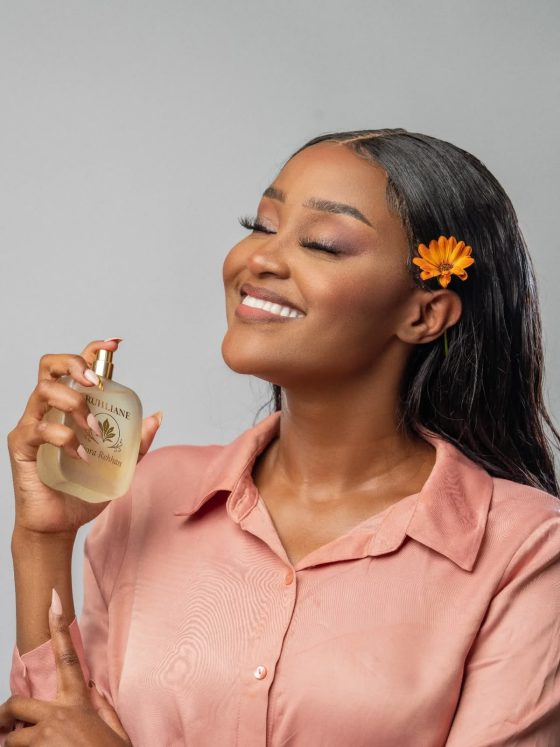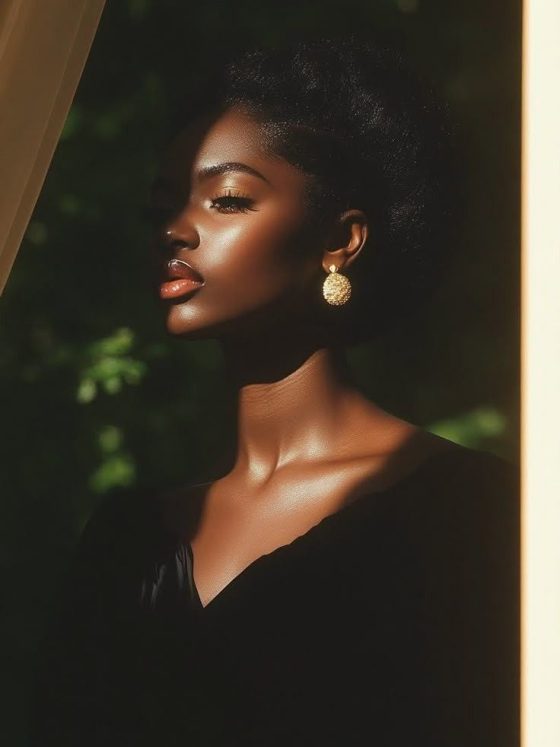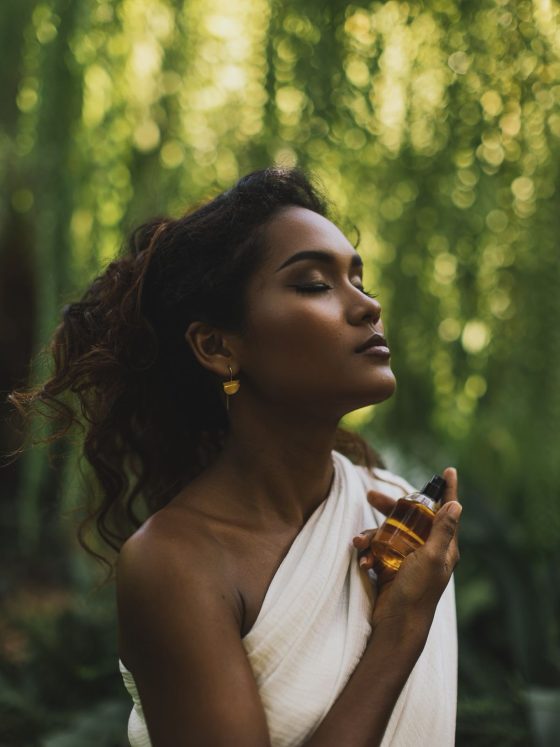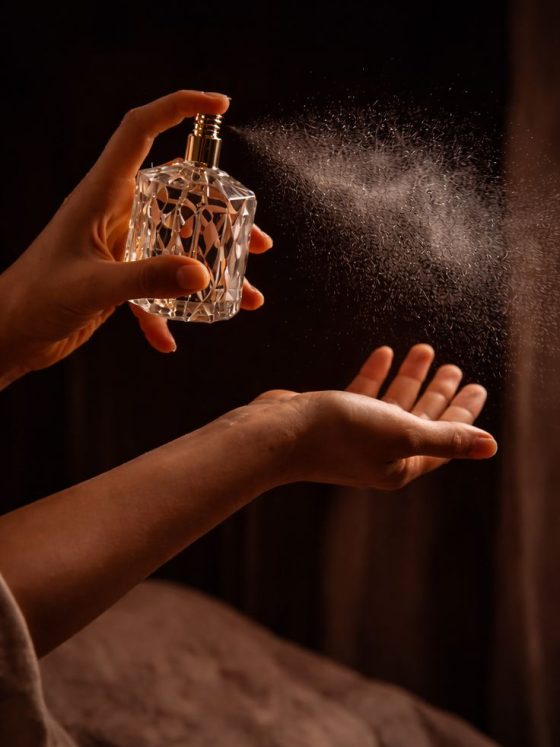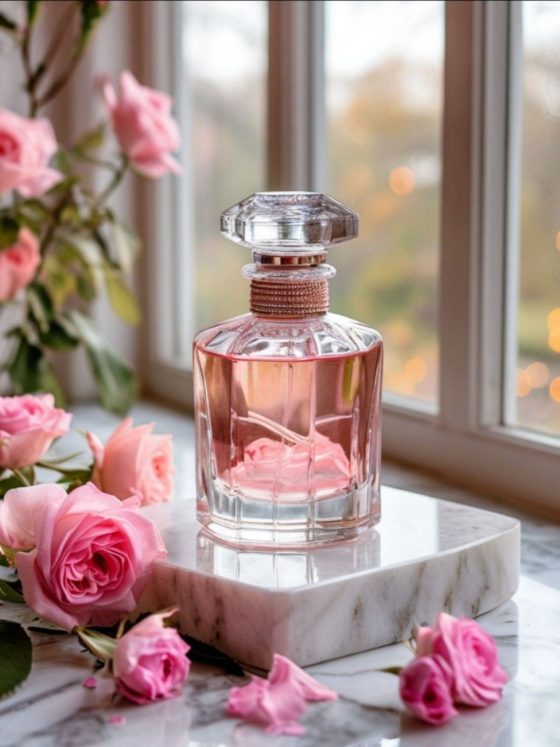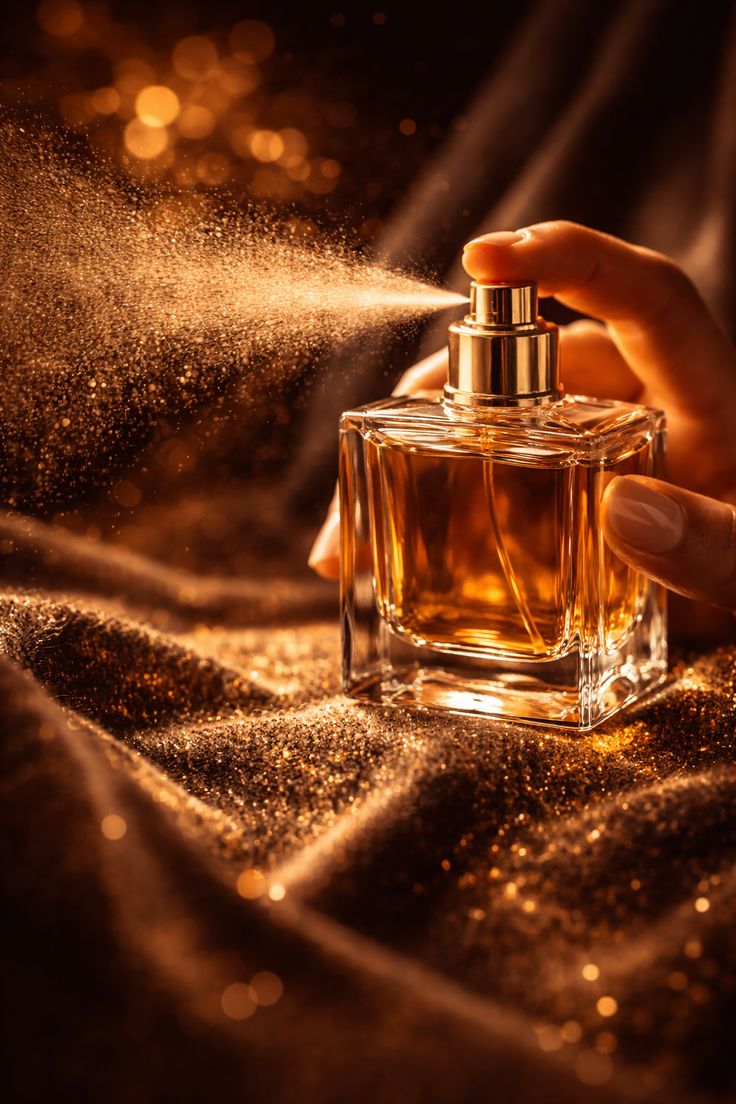
Before anyone sees your outfit, hears your voice, or notices your shoes, something quieter is happening. Scent. It sits closer to memory than logic, closer to feeling than performance. A fragrance does not flash or trend the way clothes do. It lingers in the background, often unnoticed by others, yet deeply touched by the wearer.
In a world where so much of personal style is curated for visibility, fragrance stands apart. It is intimate and emotional, often chosen for reasons unrelated to public approval. Understanding why fragrance is personal rather than performative reveals something bigger than beauty. It shows how humans use sensory rituals to build identity, regulate emotion, and carry pieces of their history into the present.
From memory and mood to identity and culture, fragrance shapes how we feel and who we are, turning scent into a private language the world may never hear.
The Brain Makes Scent Personal
Smell is neurologically wired to the limbic system, the part of the brain responsible for memory and emotion. This is why a random scent can suddenly return you to childhood, to a specific person, or to a feeling you had forgotten. Fragrance is not processed like a visual trend. It is processed like an experience.
When someone chooses a perfume, they are often responding to a feeling rather than an image. A soft floral might remind them of safety. A woody scent might make them feel grounded. Citrus might signal a fresh start. These are emotional decisions, not social ones. Even when nobody else comments on the scent, the wearer feels its effect. That internal impact is what makes fragrance deeply personal.
Skin Turns Scent Into Identity
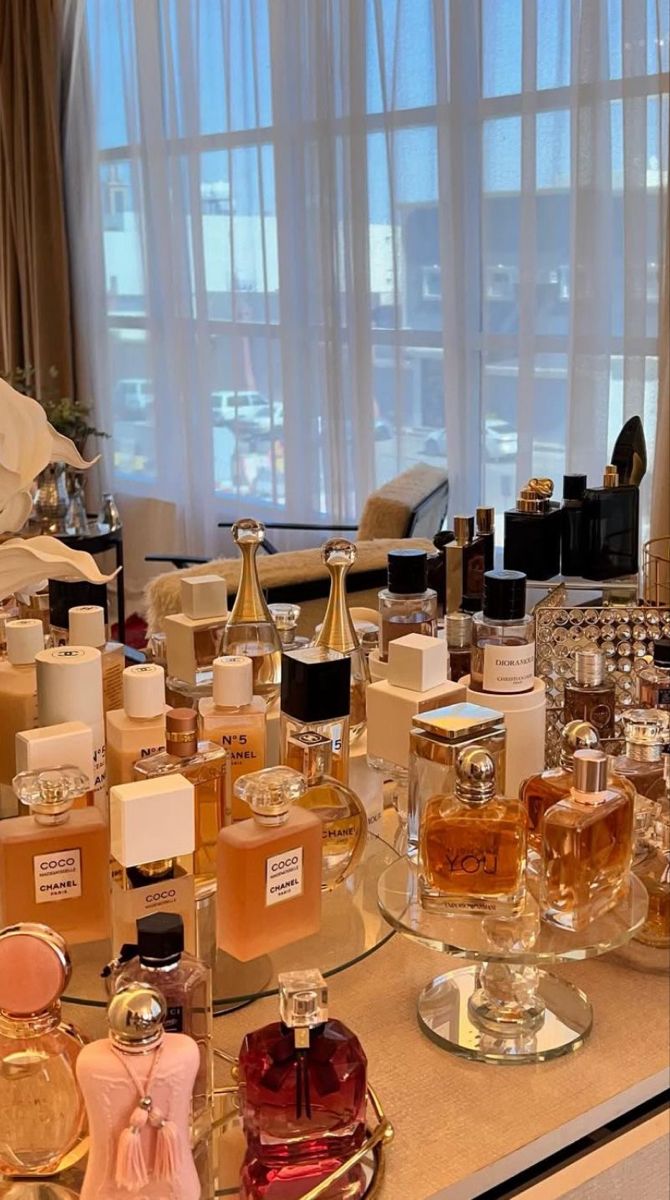
Fragrance does not smell the same to everyone. Body chemistry, skin type, diet, and even climate influence how a perfume develops. The same bottle can feel bright and airy on one person and deep and warm on another.
This interaction transforms fragrance from a product into a collaboration between chemistry and identity. Over time, a person’s repeated choice of specific notes creates a scent memory for the people around them. Friends and partners begin to associate that smell with a specific individual, not just a brand. The fragrance becomes part of a personal signature, shaped by biology as much as taste.
Wearing Scent for Yourself
Many people apply perfume even when they know no one else will be close enough to smell it. At home. Before bed. On a quiet day with no plans. That habit alone challenges the idea that fragrance is mainly for display.
Scent can function as emotional support. Lavender can calm the mind. Warm resins can feel comforting. Fresh notes can help reset the mood during a stressful day. These effects are subtle but real. The act of applying fragrance can feel more like a mental preparation than a social one. It becomes a ritual of self-connection rather than self-presentation.
Culture Gave Fragrance Meaning Long Before Marketing
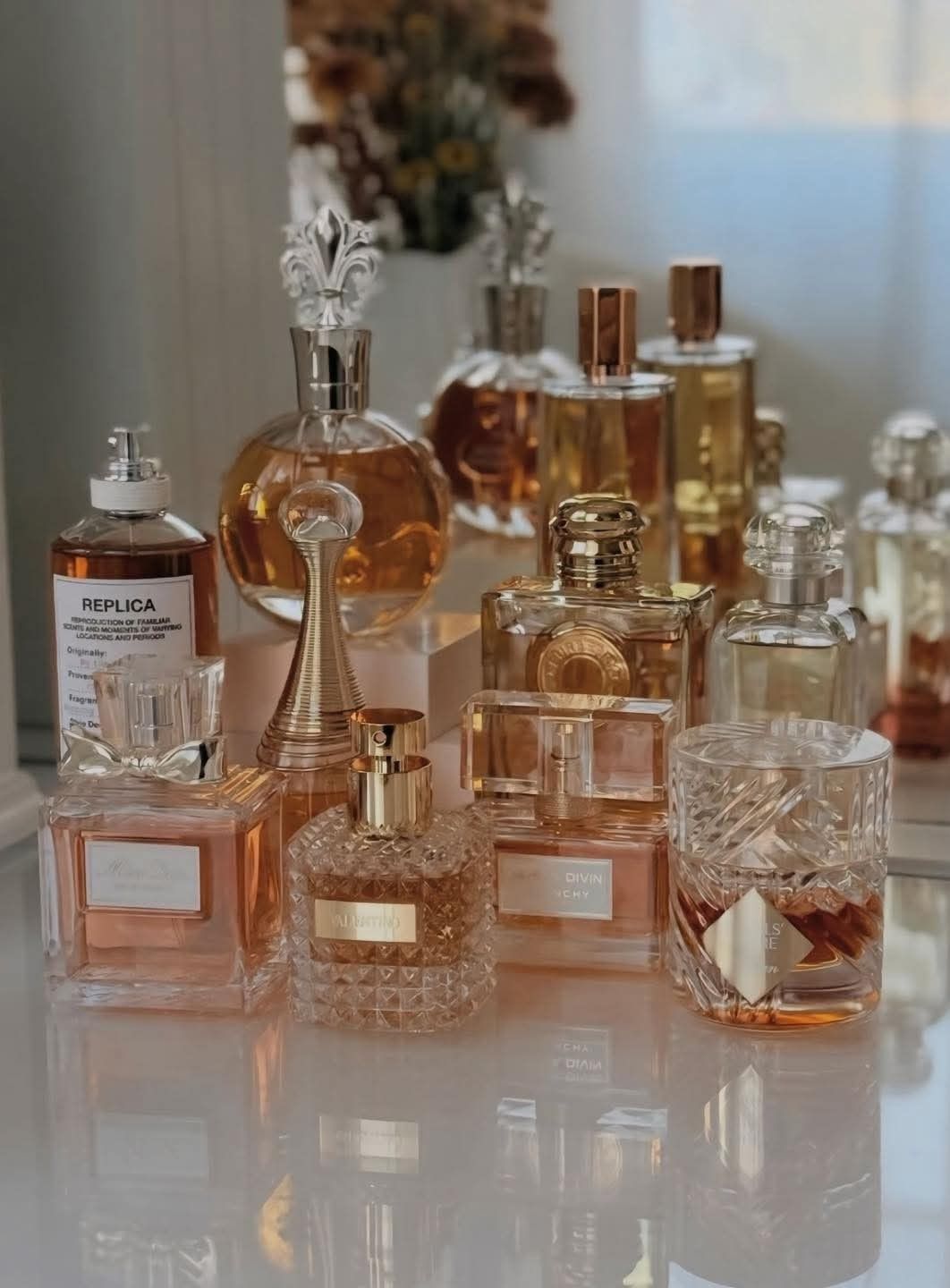
Across history, scent has been used in rituals, spiritual practices, and daily life. Incense in temples, oils in grooming traditions, scented smoke in ceremonies. These uses were about purification, transition, protection, and presence. Fragrance carried symbolic weight long before it was packaged as a luxury accessory.
In many cultures today, scent still plays a role in hospitality, intimacy, and respect. The choice of fragrance can reflect heritage, environment, and values. Someone might wear oud because it connects them to tradition. Another might choose light botanical blends that align with a minimalist lifestyle. In both cases, fragrance expresses belonging and memory, not just style.
The Difference Between Expression and Performance
Performance is about being seen and judged. Personal expression is about feeling aligned with yourself, whether anyone is watching or not. Fragrance sits closer to the second category.
Yes, compliments can be nice. Yes, scent can be attractive. But most long-term fragrance lovers do not choose perfumes only because they are loud or popular. They choose scents that feel like home, or like who they are becoming. Some prefer soft skin scents that stay close to the body. Others rotate perfumes based on mood rather than season. These choices reflect inner states more than social strategy.
READ ALSO:
Fragrance as a Personal Timeline
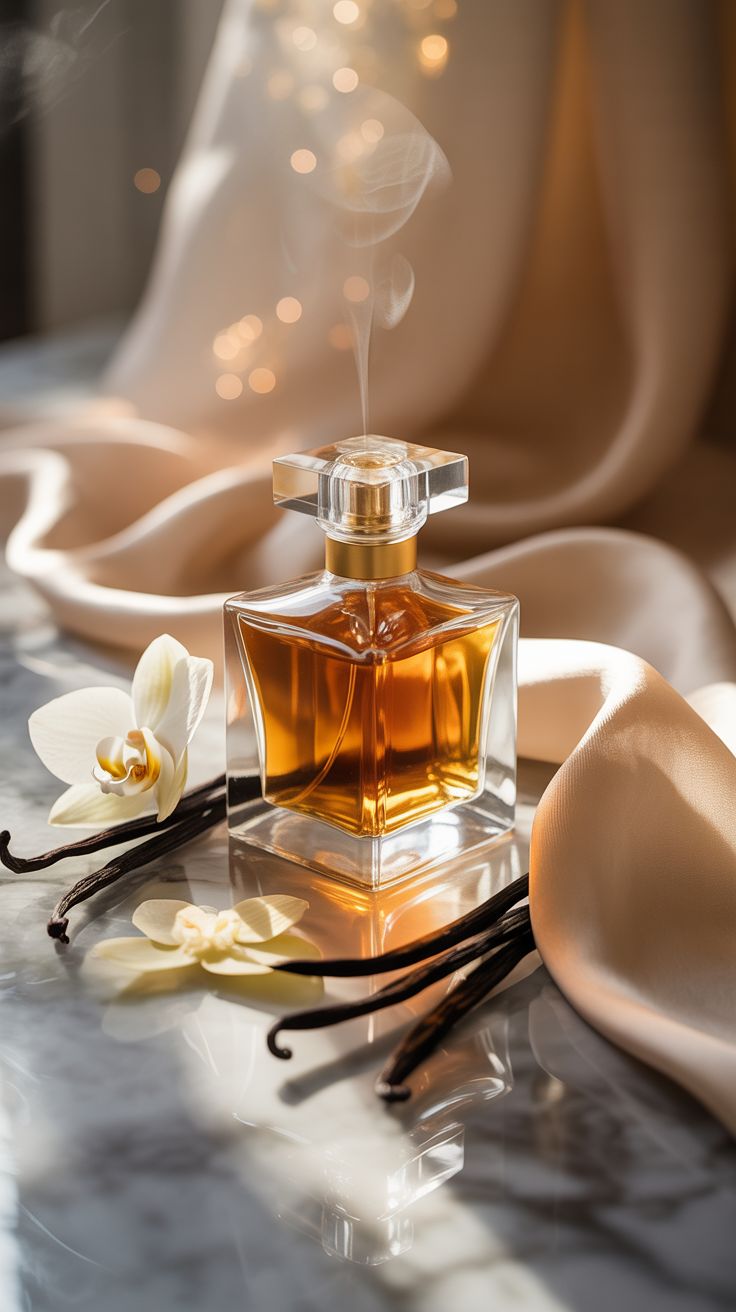
Over the years, different scents often mark different life chapters—a perfume worn during university. One is linked to a first job. Another is connected to travel or a relationship. Smelling those fragrances again can reopen entire emotional landscapes.
This creates an invisible autobiography written in scent. Clothes get donated. Phones get replaced. But one spray of a familiar perfume can bring back a version of yourself you thought was gone. That depth of memory is not performative. It is an archive. It is an emotional story carried on the skin.
Conclusion
Fragrance operates in a quieter register than most forms of style. It is not primarily visual, not easily captured on camera, and not always shared. Its power lies in how it makes the wearer feel, what it helps them remember, and how it supports their sense of self.
To reduce fragrance to performance is to misunderstand its role in human life. Scent is a private language between the body and the brain, shaped by culture, memory, and emotion. When someone chooses a fragrance, they are not only deciding how they want to smell. They are choosing how they want to feel, who they want to remember, and which part of themselves they want to carry into the day.
FAQs
- Can fragrance really affect mood?
Yes. Because scent is linked to emotional centres in the brain, specific notes can promote calm, energy, or comfort depending on personal associations.
- Why does the same perfume smell different on different people?
Body chemistry, skin type, and environment change how fragrance molecules develop, making each person’s version unique.
- Is wearing perfume alone at home normal?
Very. Many people use fragrance as a personal ritual for relaxation, focus, or emotional grounding, not just for social settings.
- Do cultures influence fragrance preferences?
Absolutely. Climate, tradition, rituals, and local ingredients all shape how different communities use and understand scent.
- What is a signature scent?
A signature scent is a fragrance someone wears consistently enough that it becomes closely associated with their identity and presence.