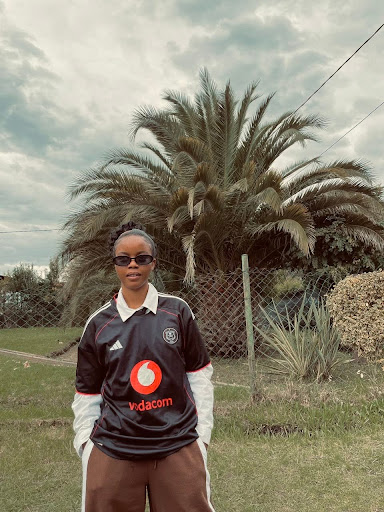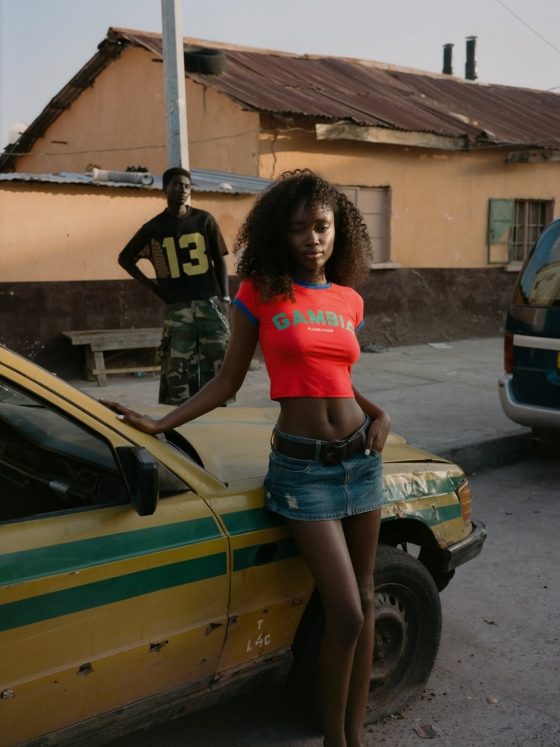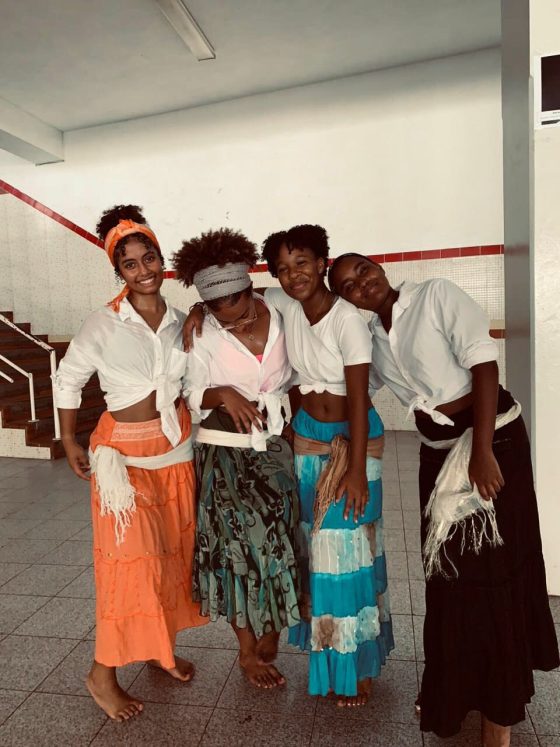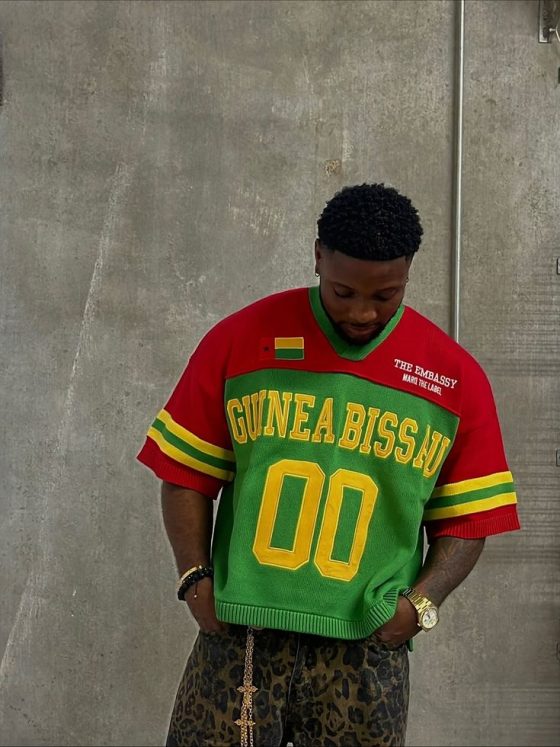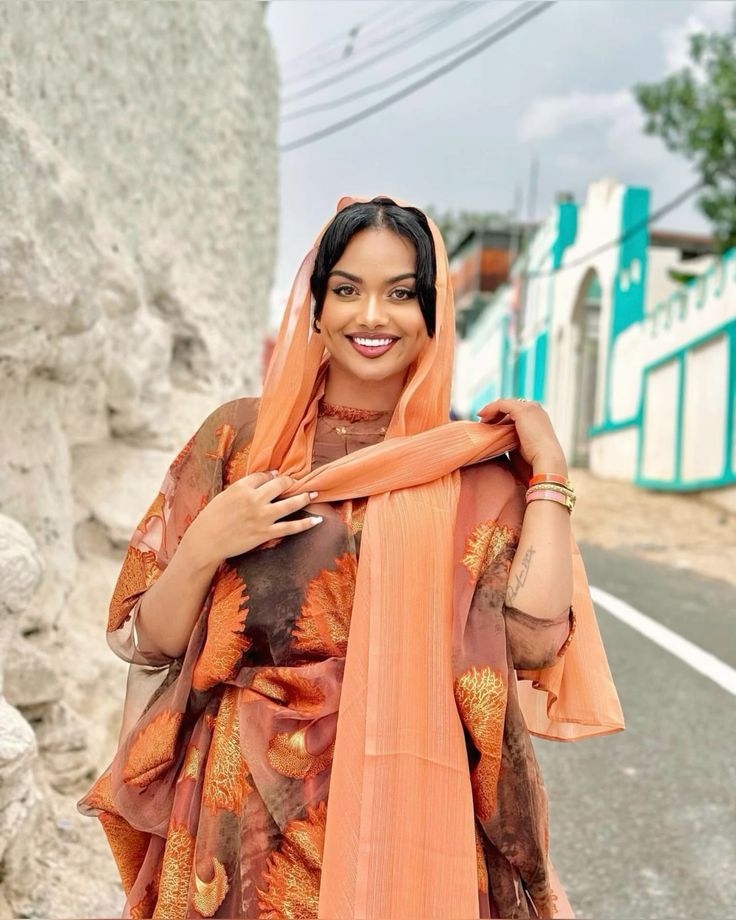
It was a humid evening in Zaria, Nigeria, where the scent of roasted suya hung in the air, and the call to Maghrib prayer faded into the traffic noise. A young woman crossed the street in Sabon Garin in a flowing abaya layered over wide-leg denim, her sneakers dusted with the road, her hijab pinned with gold that caught the last light of the sunset. She wasn’t dressed for modesty alone; she was dressed for meaning.
Her dress explains the Afro-Arab historical connections.
As someone who has spent years reporting on Middle Eastern and African fashion ecosystems, I have learnt that clothes in Afro-Arab cities are rarely just clothes. They are a language. They express faith unapologetically, convey culture beyond mere costume, and embody urban confidence without compromise. From Kano to Khartoum, from Dubai to Dakar’s Medina district, modest streetwear has become one of the most powerful visual vocabularies shaping identity in the Global South.
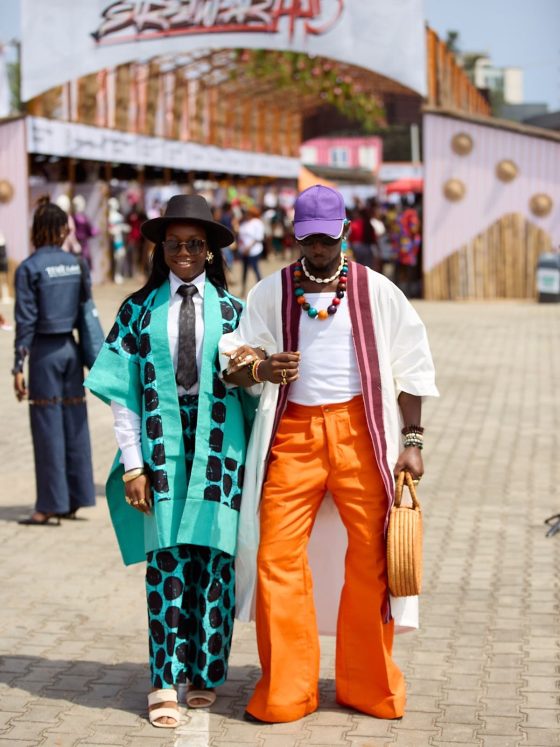
Old Cairo tailors informed me that they were now cutting their thobes slimmer to fit the sneaker culture. I was in the Abu Dhabi markets, where Palestinian keffiyeh patterns appeared on hoodies worn by Nigerian creatives. And I witnessed the same thing in Kano, where Muslim designers stitched Ankara into kimono-style abayas, not as fusion, but as inheritance.
In this article, I explain how Afro-Arab modest streetwear has evolved into a global language, one that fuses spirituality, street culture, memories of migration, postcolonial confidence, and digital-era self-expression. You’ll learn:
- How faith-based fashion became urban identity armour
- Why Afro-Arab cities are redefining global modest style
- How streetwear turned modest dressing into cultural power
- Here are practical ways to style modest fashion authentically.
- What this movement means for the future of global fashion
This is not a trend report. It is a cultural witness.
Afro-Arab modest streetwear is emerging as a global cultural movement in which African heritage, Arab identity, faith-driven modesty, and urban street aesthetics converge to create one of the most influential fashion languages of the decade.
The Story & Magic of Afro-Arab Modest Streetwear
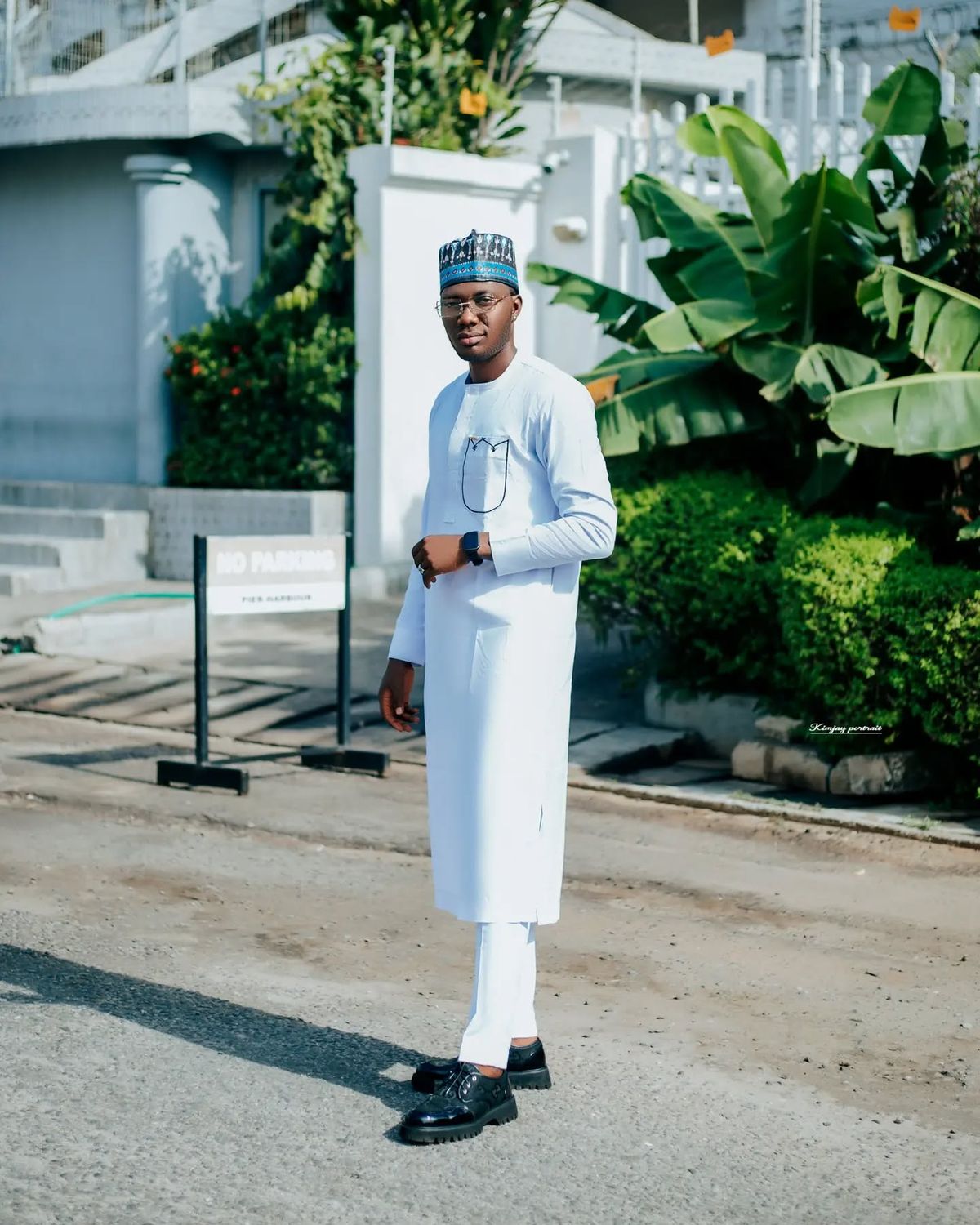
At Sabon Gari Market in Zaria, I once watched an elderly tailor, Malam Sadiq, measure fabric by touch rather than by sight. “Modesty was never about hiding,” he told me. “It was about dignity walking ahead of you.”
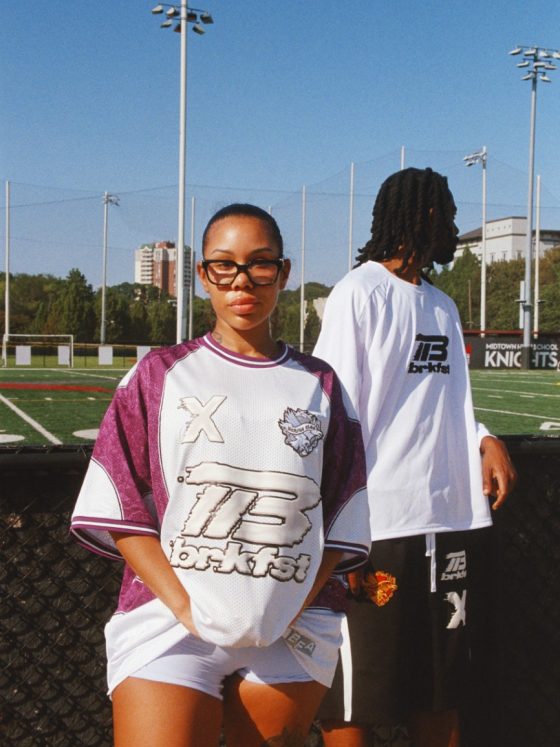
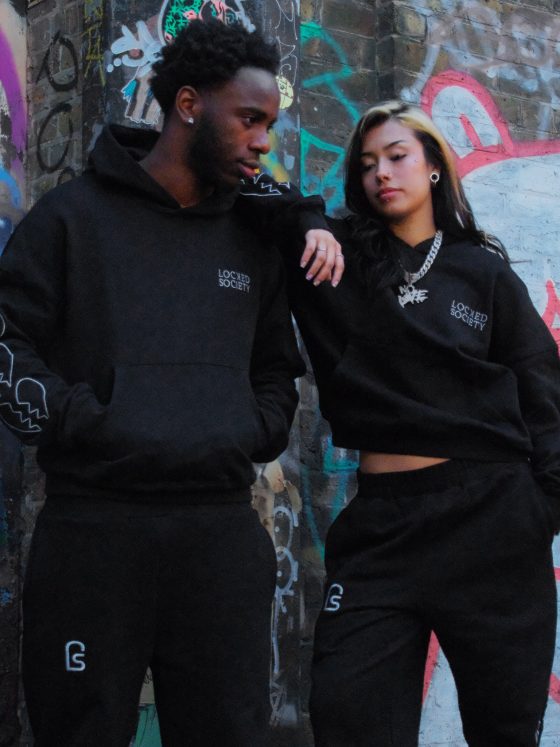
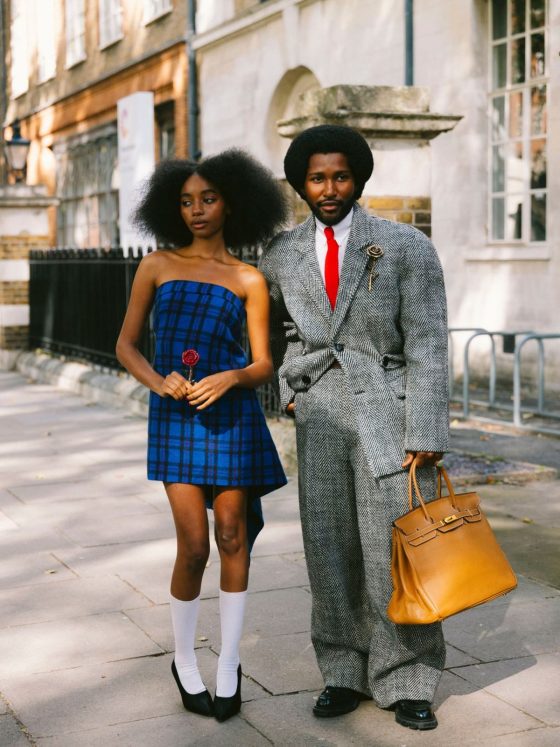
Historically, Afro-Arab clothing, jalabiyas, kaftans, hijabs, and turbans emerged from spiritual codes, climate necessity, and trade routes stretching from Timbuktu to Mecca. Modesty was not aesthetic. It was ethical. But over the last two decades, something shifted. Younger generations began translating these garments into urban forms, with oversized hoodies replacing cloaks, long tunics layered over cargo pants, and turbans wrapped with sneakers.
In Cairo’s Sayeda Zeinab district, a young designer named Youssef explained, “We didn’t modernise modest fashion. We urbanised it.”
What once lived in mosques and marketplaces began walking in skate parks and subway stations.
The Street Takes Over: Where Hoodies Met Hijabs
In Dubai’s Al Karama neighbourhood, I met a group of Somali-Ethiopian creatives filming TikTok content against graffiti walls. One wore a hooded thobe with Air Jordans; another layered a khimar over a varsity jacket. The energy wasn’t religious conservatism; it was visual confidence.
“Streetwear gave modest fashion attitude,” said Amina Al-Sabah, a stylist working between Riyadh and London. “It gave it posture. Suddenly, the modesty wasn’t quiet. It was bold.”
What Afro-Arab streetwear achieved was revolutionary: it rejected the Western binary between sexy and stylish. Instead, it offered a third language, power without exposure, and elegance without erasure. It fused:
- Faith identity
- Urban youth culture
- Postcolonial aesthetics
- Diaspora storytelling
In cities like Casablanca, Kano, and Jeddah, young Muslims weren’t dressing to blend in; they were dressing to stand taller.
How Cities Shaped the Look of Afro-Arab Clothes
Every Afro-Arab city speaks of modest streetwear in its own way.
In Khartoum, heat and dust shape silhouettes in loose cotton jalabiyas styled with tactical sandals and crossbody bags. In Marrakech, bold geometric prints from Amazigh heritage appear in oversized jackets worn over long skirts. In Lagos’ Muslim neighbourhoods, Ankara abayas meet street caps and Nike Air Force 1s.
I once asked a designer in Ilorin why his collection mixed kufi embroidery with bomber jackets. He smiled. “Because my life mixes prayer mats and playlists.”
This fashion doesn’t erase geography; it amplifies it.
How Social Media Globalised the Garments
Modest streetwear’s real acceleration didn’t happen in boutiques. It happened on phones.
On Instagram, TikTok, and Pinterest, Afro-Arab creators began exporting their silhouettes globally. Nigerian Muslim women are styling khimars with cargo pants—Yemeni creatives layering thawbs with denim jackets. Sudanese designers are remixing turbans into runway statements.
“Before, modest fashion waited for Western approval,” said Fatima Noor, a Kenyan stylist working with Gulf brands. “Now it leads.”
The digital age turned Afro-Arab modest fashion into a visual movement, one rooted in dignity, diaspora pride, and self-authorship.
INTERESTING READS:
- Hijabs & Hype: The Street-Style Revolution in Afro-Arab Cities
- Why Afro-Arab Street Fashion Is the Next Global Style Movement
- Reimagining Arabian Imprints on African Fashion Identity
The Cultural Power in Afro-Arab Design
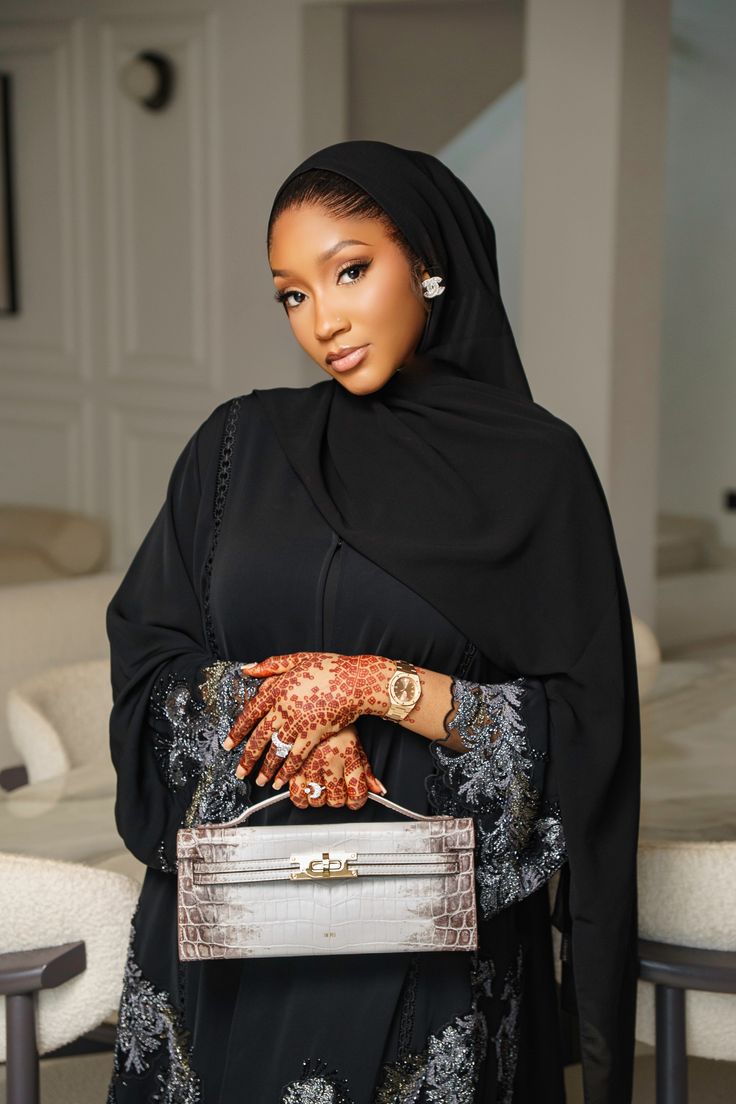
The most powerful shift is that modest streetwear is no longer only about faith. It is about reclaiming visibility.
In cities where Muslims were once stereotyped as conservative, muted, or invisible, this fashion language declares presence. It says: I belong. I create. I define.
As sociologist Dr. Hassan Al-Khateeb told me in Doha, “This fashion isn’t modest, it’s sovereign.”
It rejects assimilation while embracing modernity. It resists erasure while refusing nostalgia. It is Afro-Arab identity stitched into urban confidence.
I think back to that evening on Zaria Street, the scent of suya, the echo of prayer, the quiet confidence of a young woman walking through traffic, wrapped in fabric that carried both faith and freedom. Her outfit didn’t ask for attention. It commanded recognition.
Afro-Arab modest streetwear is not about hiding bodies; it’s about revealing stories. It is about dignity stitched into denim, spirituality layered over hoodies, and heritage walking confidently through concrete cities. It is what happens when tradition refuses to fossilise, and modernity refuses to erase.
This fashion doesn’t whisper identity, it speaks it fluently.
And in a world obsessed with visibility without meaning, Afro-Arab modest streetwear offers something rarer: presence with purpose.
If you want to explore authentic Afro-Arab fashion culture, modest streetwear trends, faith-driven style narratives, and identity-led urban fashion, visit Omiren Styles, where African and Arab heritage meet global fashion storytelling. Join the movement shaping the future of modest fashion, street culture, and Afro-Arab creative identity.
FAQs
1. Is modest streetwear only for Muslims?
Not at all. While rooted in Islamic ethics, Afro-Arab modest streetwear has become a global aesthetic language, one built on dignity, flow, and self-expression. What matters most is respect for its cultural origins.
2. How is Afro-Arab modest fashion different from Western modest wear?
Western modest fashion often focuses on coverage. Afro-Arab modest streetwear focuses on identity, weaving together faith, heritage, climate, history, and street culture into a cohesive narrative.
3. Can modest fashion be stylish and trend-forward?
Absolutely. Afro-Arab cities are proving that modesty doesn’t slow fashion; it expands it. The silhouettes are bolder, the layering brighter, and the storytelling deeper.
4. Is this a trend or a long-term movement?
It’s a movement. Modest streetwear reflects demographic shifts, spiritual resurgence, diaspora confidence, and digital cultural power. Trends fade. Identity doesn’t.
5. Where can I explore authentic Afro-Arab modest fashion inspiration?
Start with platforms like Omiren Styles, where Afro-Arab fashion culture, identity, and storytelling meet lived experience rather than runway aesthetics.