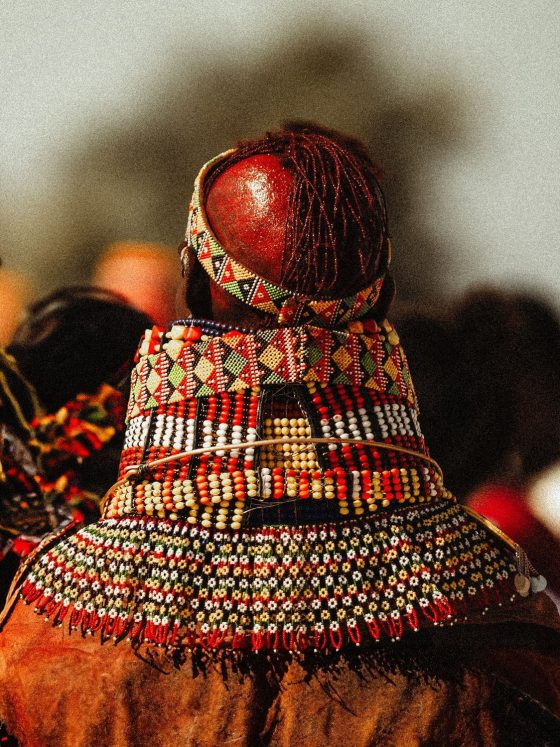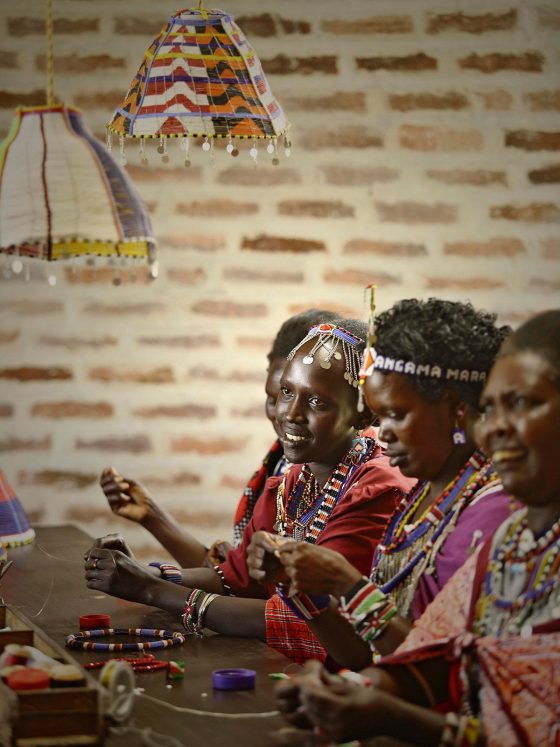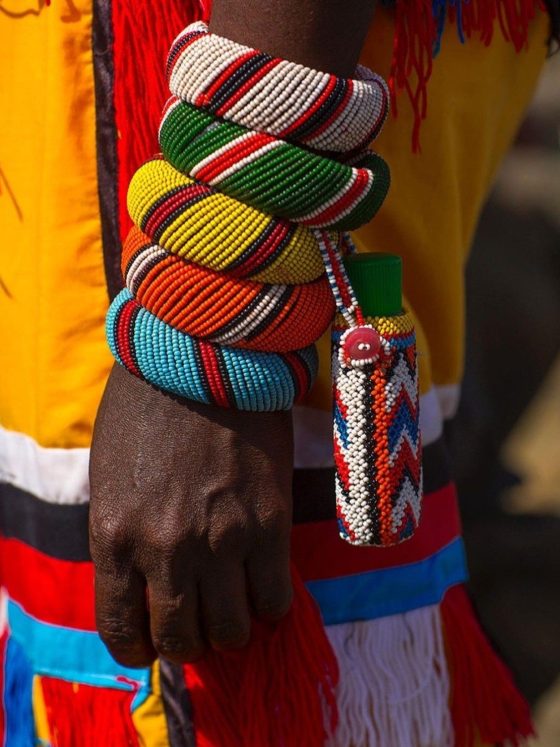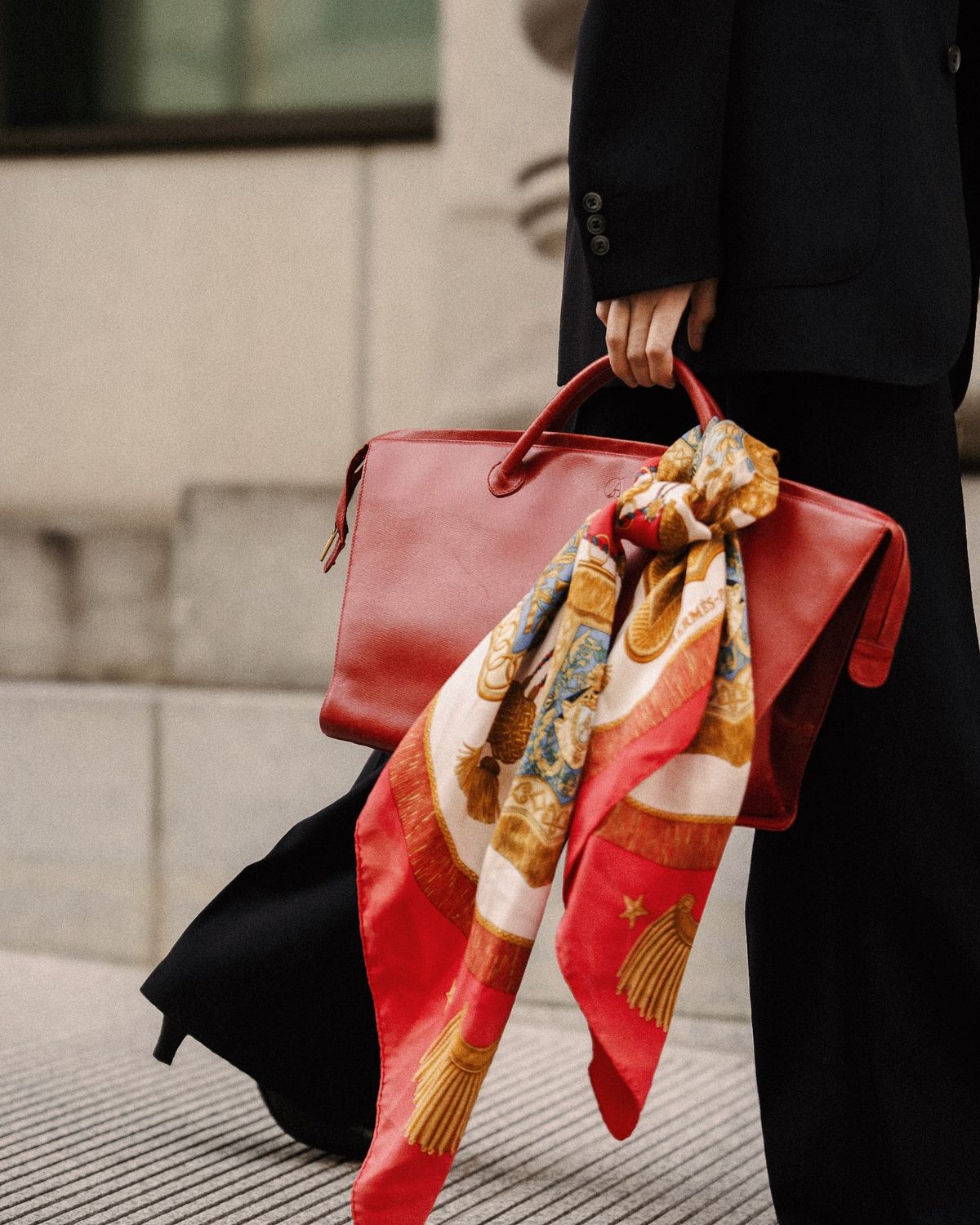
In women’s style, an accessory is never just something extra; it is a strong statement of who we are. At Omiren Styles, we believe that the bags we carry and the jewellery we wear are “cultural signifiers”, colourful, touchable links that connect our lives today to our family roots. In 2026, women around the world are moving away from the sameness of factory-made products and choosing a more personal, meaningful wardrobe. She knows that a hand-woven bag or a bold brass bracelet is a quiet way to show her support for the environment, fair luxury, and genuine respect for the people who made them.
When we pick something from brands like Awa Meité or Soko, we are not just adding to our outfits; we are joining a worldwide conversation about strength and creativity. This is the new “Sovereign Grace”, a stylish and thoughtful way to show that what we wear on the outside matches our promise to care for the planet and each other. By seeing accessories as cultural signifiers, we turn getting dressed into a meaningful way to share stories, showing that authentic style is at its best when it honours the past and looks forward to new ideas.
Accessories are the sacred bridge between modern style and ancestral roots. Explore why bags and jewellery are powerful cultural signifiers, and discover the sustainable, inclusive craftsmanship of brands like Awa Meite and Soko at Omiren Styles.
Bags as Portals of Heritage
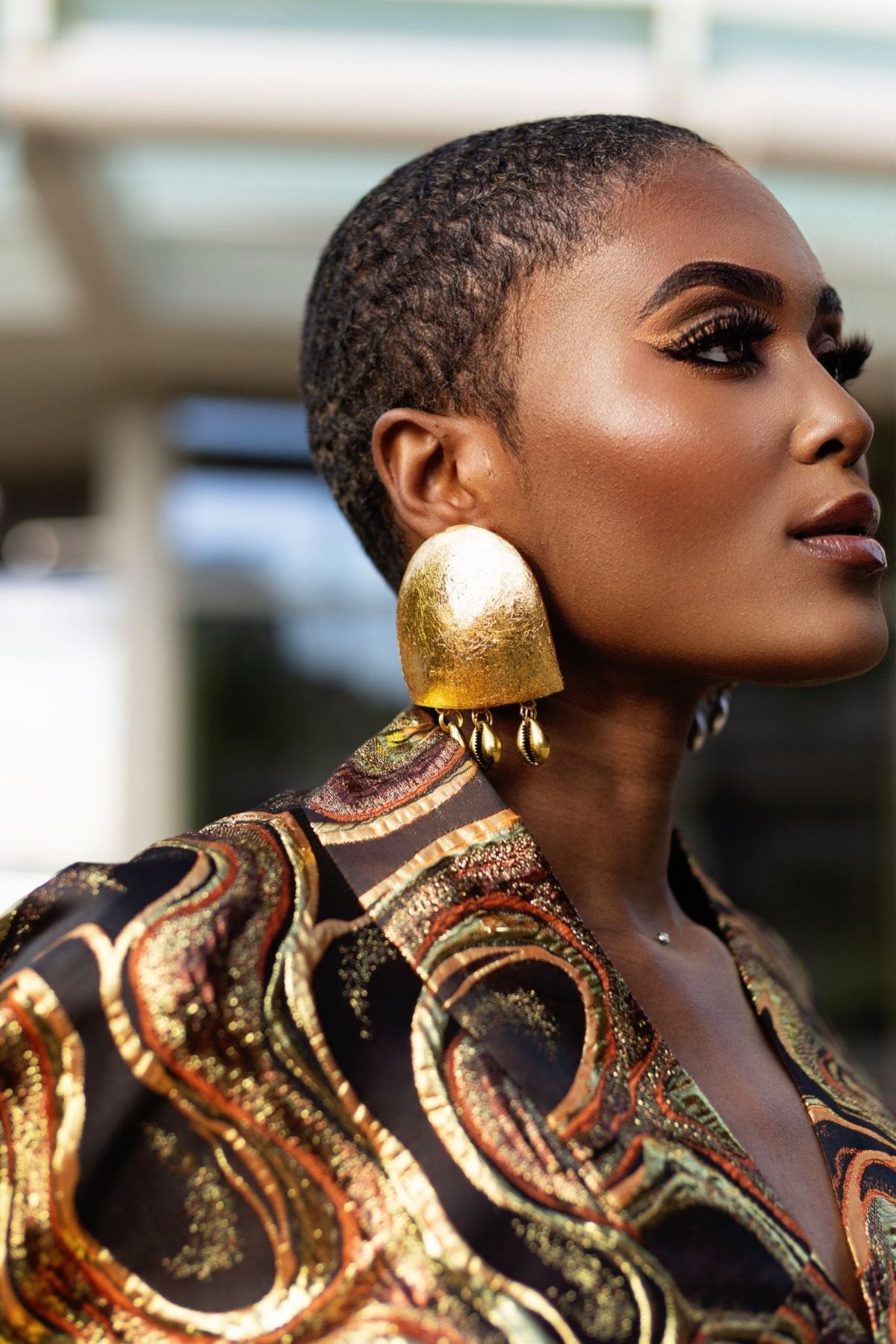
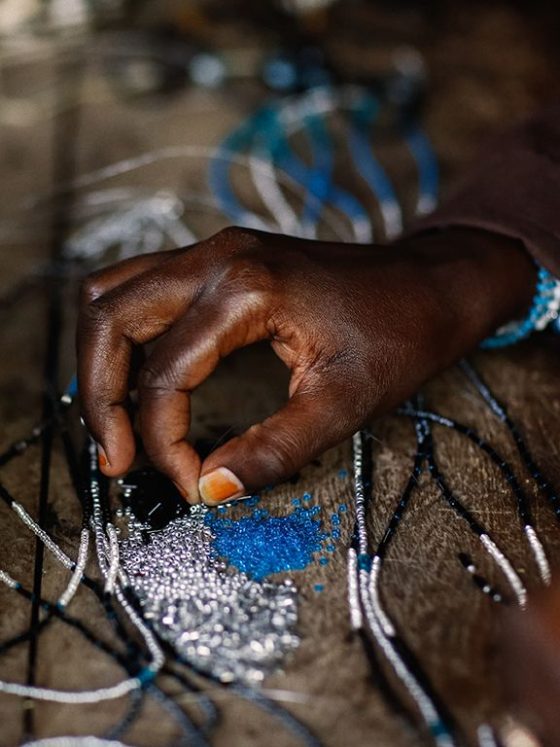
In the modern woman’s wardrobe, a bag is much more than a helpful something; it is a “Narrative Portal.” At Omiren Styles, we see the handbags of 2026 as meaningful items that carry both our daily essentials and our cultural stories. When a woman carries a bag from a brand like Awa Meité, she is holding a piece of Malian history. These are not products made by machines; they are the result of careful, thoughtful work, with hand-spun cotton and naturally tanned leathers woven together by artisans whose skills have been passed down through generations. This is the silent language of the bag: a trendy, inclusive signal that you value fairness around the world over the quick convenience of fast fashion.
Choosing a sustainable bag is a statement about who you are. Whether it is a structured tote or a soft, woven clutch, the meaning is in the feel and the way it is made. By moving away from big-brand logos and choosing the welcoming qualities of brands like Brother Vellies or Lemlem, we are choosing to wear a story of caring for the environment and fairness. These bags keep us grounded in a busy, professional world, reminding us, and those who see us, that our style is based on a healthy, sustainable lifestyle that respects the planet and its people.
Why the Bag is a Cultural Anchor:
- Economic Empowerment: Brands like Awa Meité focus on 100% local production, ensuring that the wealth generated by these cultural signifiers stays within the artisan communities.
- Textile Diversity: From the Bogolan (mud cloth) of Mali to the hand-woven cotton of Ethiopia, these bags bring a wide range of beautiful styles to the global workspace.
- Longevity and Grace: A hand-crafted bag is built to last, showing a strong spirit that does not follow short-lived trends but instead creates a lasting, meaningful legacy.
The Language of Jewellery
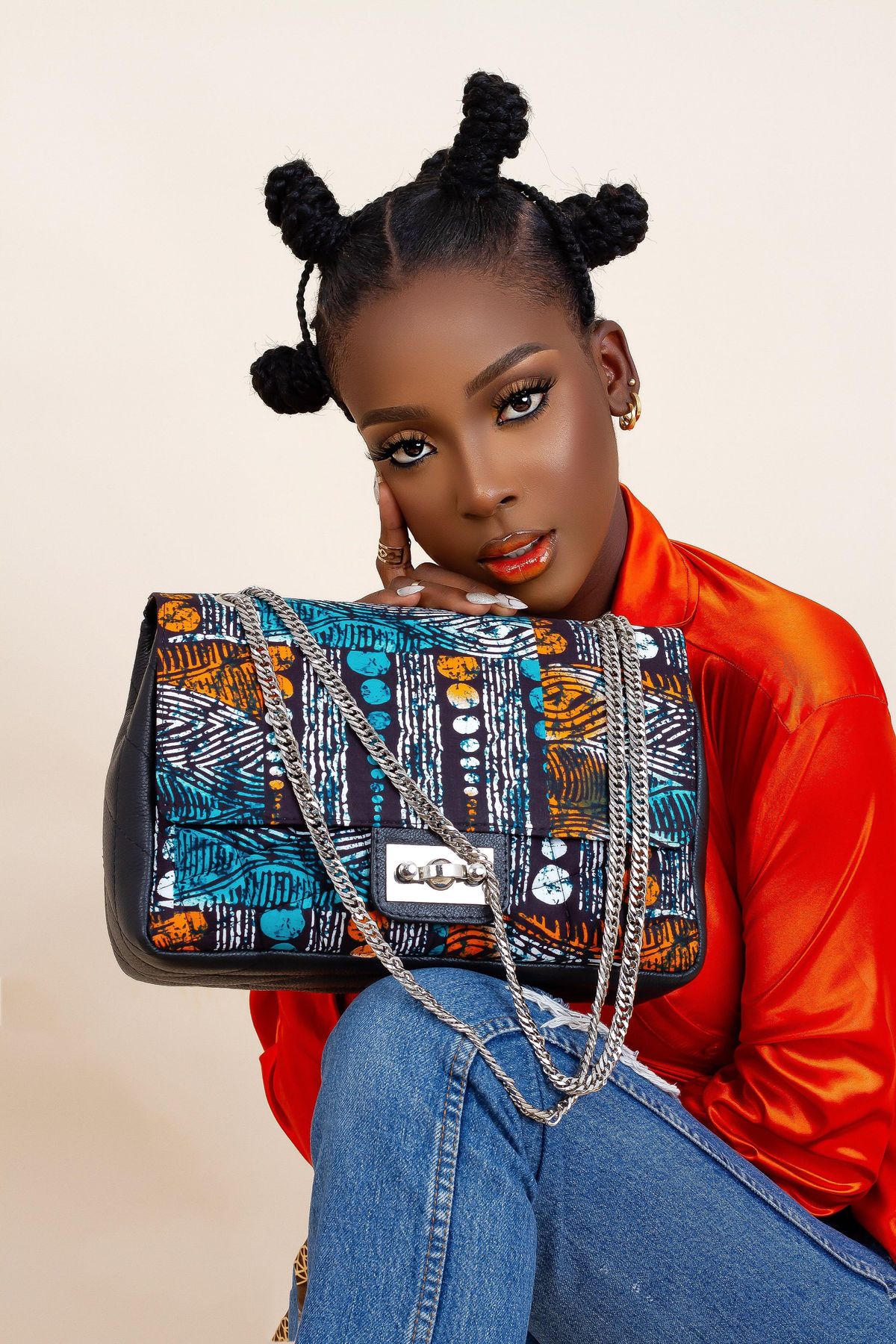
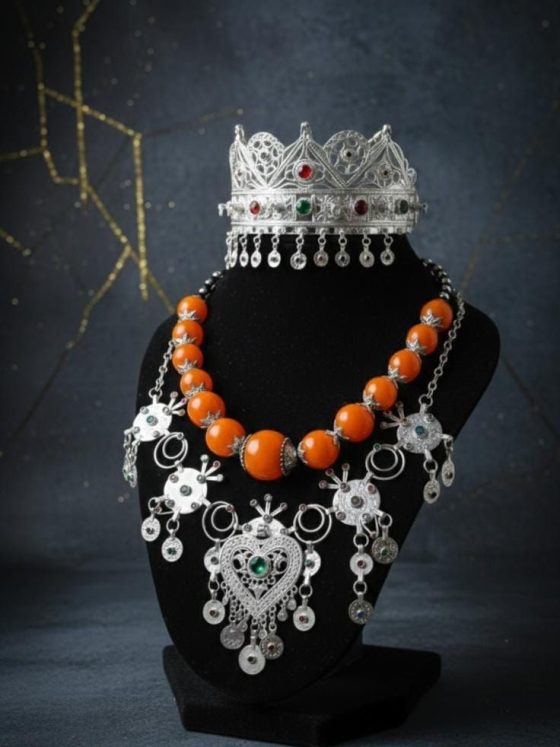
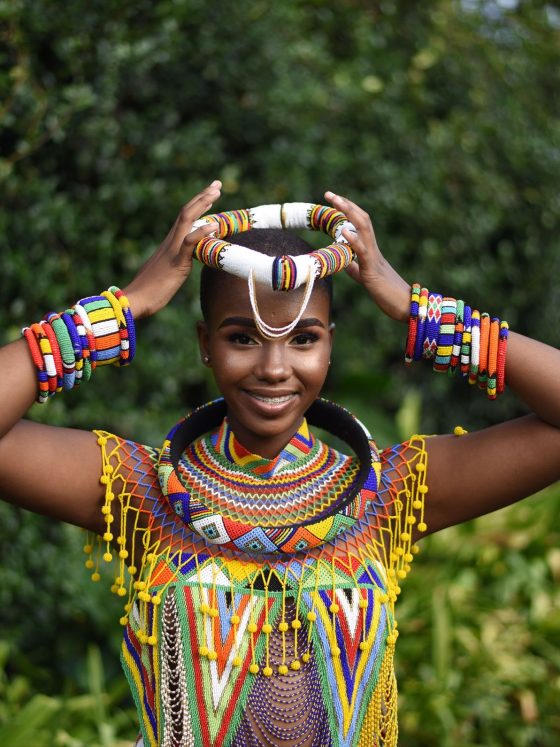
In today’s workplaces, jewellery has become a kind of “ancestral armour”. At Omiren Styles, we see the jewellery a woman picks – her rings, cuffs, and earrings- as deeply personal cultural symbols. These pieces touch the skin, reminding her of her roots and inner strength. When she chooses “Wearable Art” from brands like Soko or Ami Doshi Shah, she is not just following a trend; she is using a meaningful style that honours real strength. These pieces, often made from recycled brass or responsibly sourced minerals, promise to support a world where luxury means honesty and tradition.
The “silent language” of jewellery comes from its deeper meaning. A bold, artistic necklace or a pair of “Dash” earrings connects the old styles of Africa with the fast pace of a 2026 job. This is what we call Somatic Grace: jewellery that feels natural to wear, not like a burden. By choosing pieces from popular, caring brands like Anyango Mpinga or Omiyo, we show that our work style is built on strong, ethical choices. We show the world that our confidence comes not just from our job titles, but from a long history of creativity and strength.
The Vocabulary of Cultural Adornment:
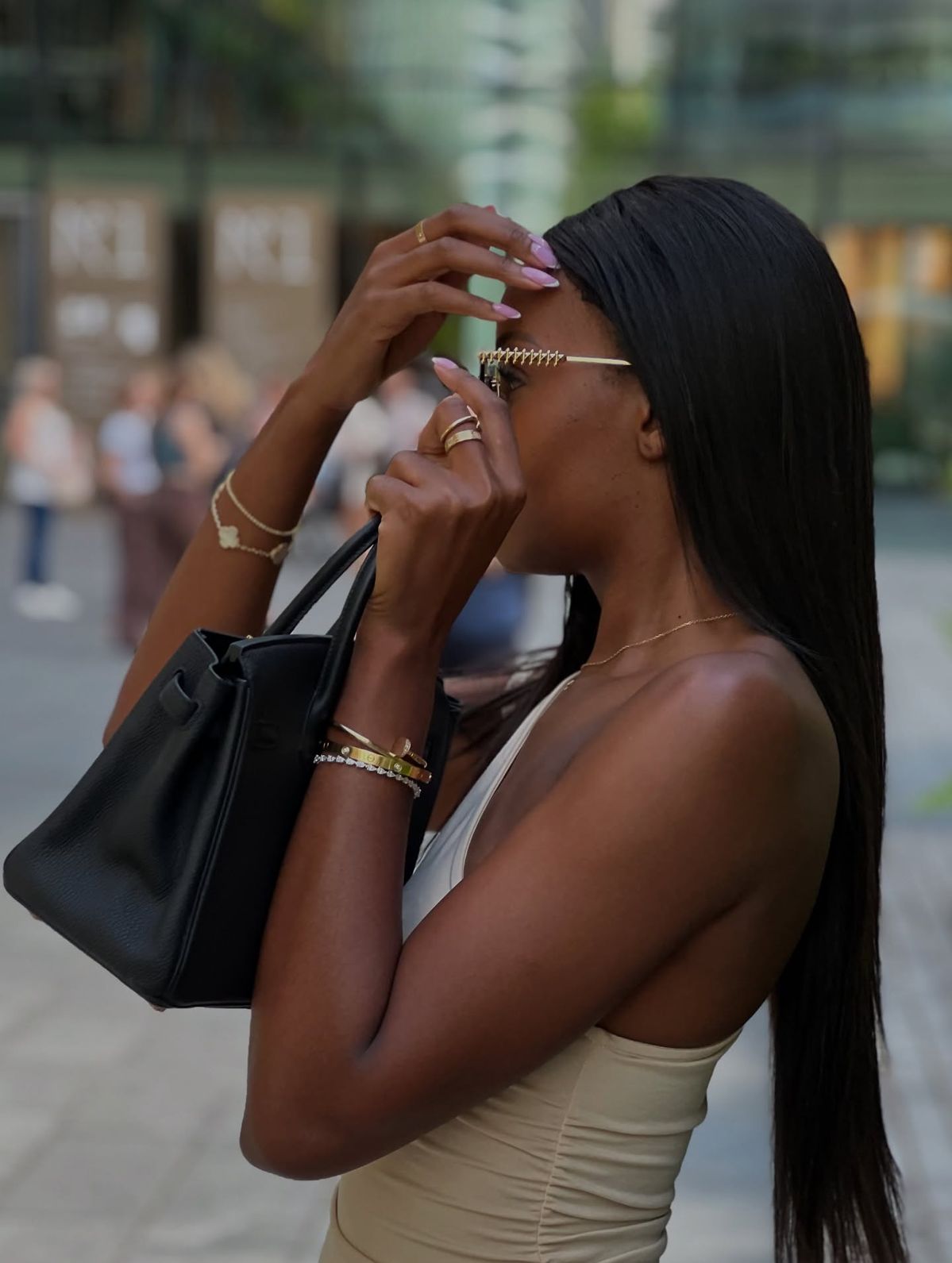
- Upcycled Resilience: Using materials like brass in Soko’s designs turns leftover metal into stylish, welcoming beauty, showing that caring for the planet is the most elegant choice.
- Geological Storytelling: Brands like Ami Doshi Shah use stones from nearby areas to make a real connection to the earth, helping the wearer feel balanced and inspired.
- Symbolic Precision: Whether it is a Swahili-inspired design or an Xhosa-inspired pattern, these details act as “Intimate Icons” that encourage conversation and understanding in different workplaces.
ALSO READ:
Accessories as Bridges of Inclusivity

The final part of the “Cultural Signifier” is its power to bring the world together. In a world where people are more cultural signifiers, the accessories we choose help bring together different traditions into a modern, stylish, professional look. At Omiren Styles, we believe that when a woman wears a sharp, eco-friendly blazer with a hand-beaded Maasai belt or a Bogolan clutch, she is doing more than just picking out clothes; she is showing leadership. She is showing that her professional world welcomes everyone, where the skills of a Malian weaver and the ideas of a Kenyan jeweller are valued just as much as global business standards.
This coming together is the best example of a healthy, people-focused lifestyle. By supporting brands like Lemlem or Maxhosa Africa, we are part of a cycle that honours both the life of the product and the person who made it. These accessories become lasting symbols of a world where style helps create fairness. This is not just about looking good; it is about feeling connected to the global community. When we wear these cultural signifiers, we bring a piece of the world’s shared knowledge into every meeting, showing that the best professional message is one of unity, caring for the planet, and shared traditions.
The Impact of the Global Bridge:
- Cross-Cultural Fluency: Integrating diverse signifiers, such as Kente patterns or Ethiopian weaving, into a modern wardrobe demonstrates a trendy, sophisticated understanding of global history.
- Artisanal Preservation: Every purchase from a brand like Awa Meité ensures that ancient, inclusive techniques remain a vital part of the 2026 fashion landscape.
- The Ethical Signature: Choosing accessories with a transparent, sustainable origin story is the modern woman’s way of signing her name to a more inclusive and just future.
Conclusion
As we move through our work and personal lives in 2026, it is clear that the accessories we choose arean individuall way to show our values to others. At Omiren Styles, these bags and decorations are much more than just things; they embody our promise of a fair, good future for everyone.
By picking items that share the quiet story of heritage, from the hand-made threads of Awa Meité to the reused brass of Soko, the modern woman builds a strong sense of self. She is not just following a trend; she is grounding her identity in a lasting, meaningful story that respects the makers and the wisdom of those who came before her.
The future of women’s strength is found in this worldwide mix of style and spirit. When we wear accessories that show our culture, we show that real power at work comes from being true to ourselves and making good choices.
Let your collection be a living record of your journey, a stylish, strong sign of a healthy life that values quality over excess, and history over the temporary. With the caring skill of brands focused on luxury for everyone, we are not just getting dressed; we are helping to build a better world, one thoughtful choice at a time.
What you carry tells the story of where you’ve been. To explore how we are redefining women’s accessories through the lens of global heritage and soulful wellness, visit Omiren Styles.
Frequently Asked Questions (FAQS):
1. Why are accessories called “cultural signifiers”?
A: They act as visual symbols that communicate your heritage, values, and social identity. A specific weave or metalwork style tells a story about your roots and your commitment to inclusive, global traditions.
2. How do sustainable accessories support cultural heritage?
A: Ethical brands like Awa Meité and Soko prioritise traditional techniques and local materials. By choosing these over mass-produced items, you help preserve ancient crafts and ensure that artisanal expertise remains trendy and viable in the modern market.
3. Can I wear cultural accessories in a formal corporate setting?
A: Yes. Modern “Sovereign Grace” is about blending professional silhouettes with soulful details. A sculptural brass cuff or a hand-woven tote adds a layer of sophisticated, humanistic authority to a standard business suit.
4. What should I look for when buying a “heritage” bag?
A: Prioritise transparency and quality. Look for brands that name their artisans and use sustainable materials, such as vegetable-tanned leather or hand-spun cotton. A durable, well-crafted bag is a soulful investment that outlasts any seasonal trend.
5. Is it inclusive to wear accessories from cultures other than my own?
A: Yes, when done with respect and through “Global Synthesis.” Buying directly from brands like Lemlem or Maxhosa Africa ensures you support the original creators and participate in a healthy, ethical exchange of global artistry.