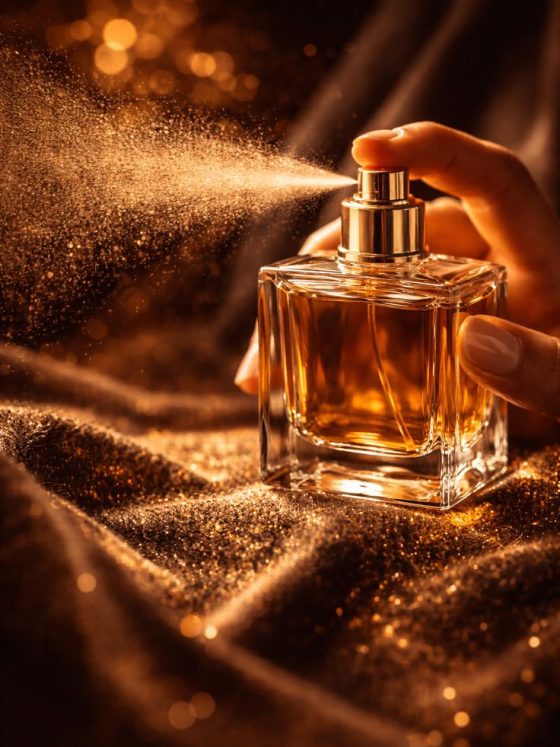
Think about the smell of your home after cooking, the perfume someone wore that you still remember years later, or the scent of a place you visited once but could recognise again with your eyes closed. Smell slips into our lives quietly, but it holds on to memory, emotion, and meaning in a way few other senses can. We do not just wear fragrance to smell nice. We use it to feel confident, to feel close to our roots, to mark special moments, or simply to feel like ourselves. History, environment, belief, and social life shape these everyday scent choices worldwide. Paying attention to fragrance reveals its significance beyond mere beauty. It is about culture, place, and the stories people carry.
From ancient incense routes to modern perfume counters, scent maps culture, memory, identity and forces across places, revealing that perfume stories matter.
Fragrance as a Language of Place
Every region develops a scent identity shaped by climate, plants, labour, and belief systems. Hotter climates often favour stronger, longer-lasting materials like resins, wood, and spices because they retain their character in heat. In cooler regions, lighter florals and citrus notes historically felt more comfortable in close indoor spaces. These are not just aesthetic choices. They reflect how people live with weather, architecture, and social distance.
Consider how lavender fields in southern Europe, oud distillation in parts of the Middle East and Southeast Asia, or shea butter and botanical infusions in West Africa are tied to land and livelihood. These materials are agricultural stories. They speak of soil conditions, harvest knowledge, gendered labour, and local economies. When a fragrance uses these ingredients, it carries geography on the skin.
Trade Routes and Power
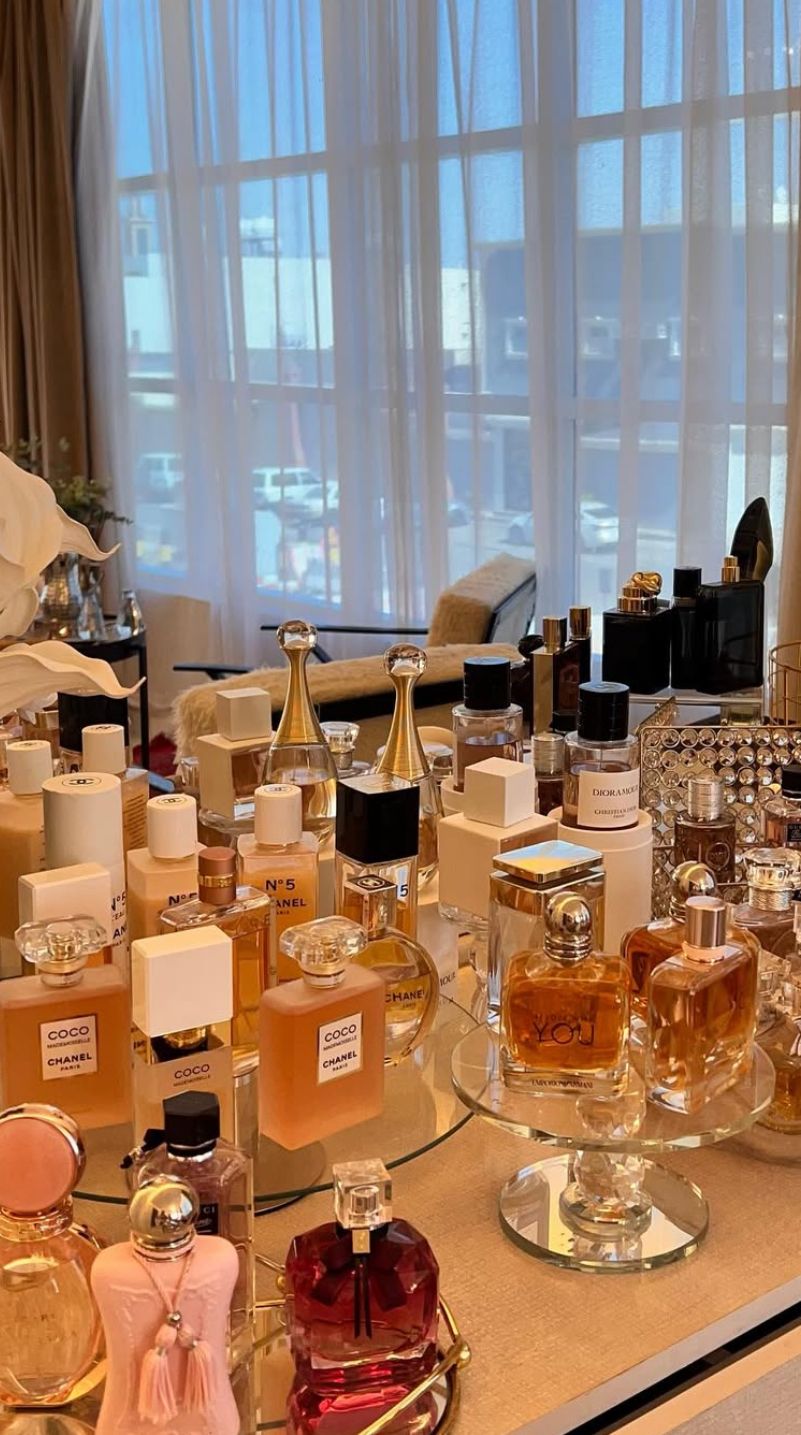
Fragrance history is also a history of movement and power. Frankincense and myrrh once travelled across deserts in caravans, linking Africa, Arabia, and the Mediterranean. Spice routes carried clove, nutmeg, and cinnamon into global demand. These materials were rare, sacred, and expensive, which made them symbols of wealth and spiritual authority.
Who controlled scent materials often controlled status. Perfume was not only about smelling good. It was about access. Royal courts, temples, and elites used fragrance to separate themselves from everyday life. Over time, industrialisation made perfume more widely available, but the idea of scent as a marker of aspiration remains. A bottle on a dresser can still whisper stories about class, taste, and belonging.
Ritual, Spirituality, and the Invisible
Fragrance frequently operates where words fall short in many cultures; smoke and scent act as bridges between the physical and spiritual worlds. Incense in religious settings, scented oils in rites of passage, and aromatic baths in purification rituals all show how smell is linked to transformation.
Why scent for these moments? Because it is invisible yet undeniable. You cannot see it, but you feel surrounded by it. That quality makes fragrance a powerful symbol of presence, memory, and the sacred. Even in secular life, people recreate this effect. Wearing a particular perfume for weddings, funerals, or celebrations turns scent into an emotional bookmark. Years later, one whiff can reopen an entire chapter of life.
The Social Rules of Smell
Smell is profoundly social. Cultures teach people what is considered fresh, clean, seductive, or inappropriate. In some societies, strong projection signals generosity and warmth. In others, subtlety is linked to politeness and respect for shared space. These norms are learnt, not natural.
Fragrance also interacts with ideas about the body. Some traditions celebrate natural body scents enhanced with oils and butters. Others emphasise masking the body with deodorising or airy perfumes. These differences reveal beliefs about purity, intimacy, and public behaviour. Scent becomes a way of negotiating how close we are allowed to be to one another.
Read Also:
Memory, Migration, and Identity
For people who move across borders, fragrance can become a portable homeland. The smell of a familiar hair oil, incense blend, or traditional attar can steady identity in a foreign environment. ‘Scent’ does not require translation. It carries memory directly to the nervous system.
This phenomenon is why diaspora communities often sustain markets for specific aromatic products. These are not only beauty items. They are emotional infrastructure. They help people maintain continuity between where they come from and where they are now. Fragrance, in this sense, is a heritage you can wear.
Modern Perfumery and Cultural Storytelling
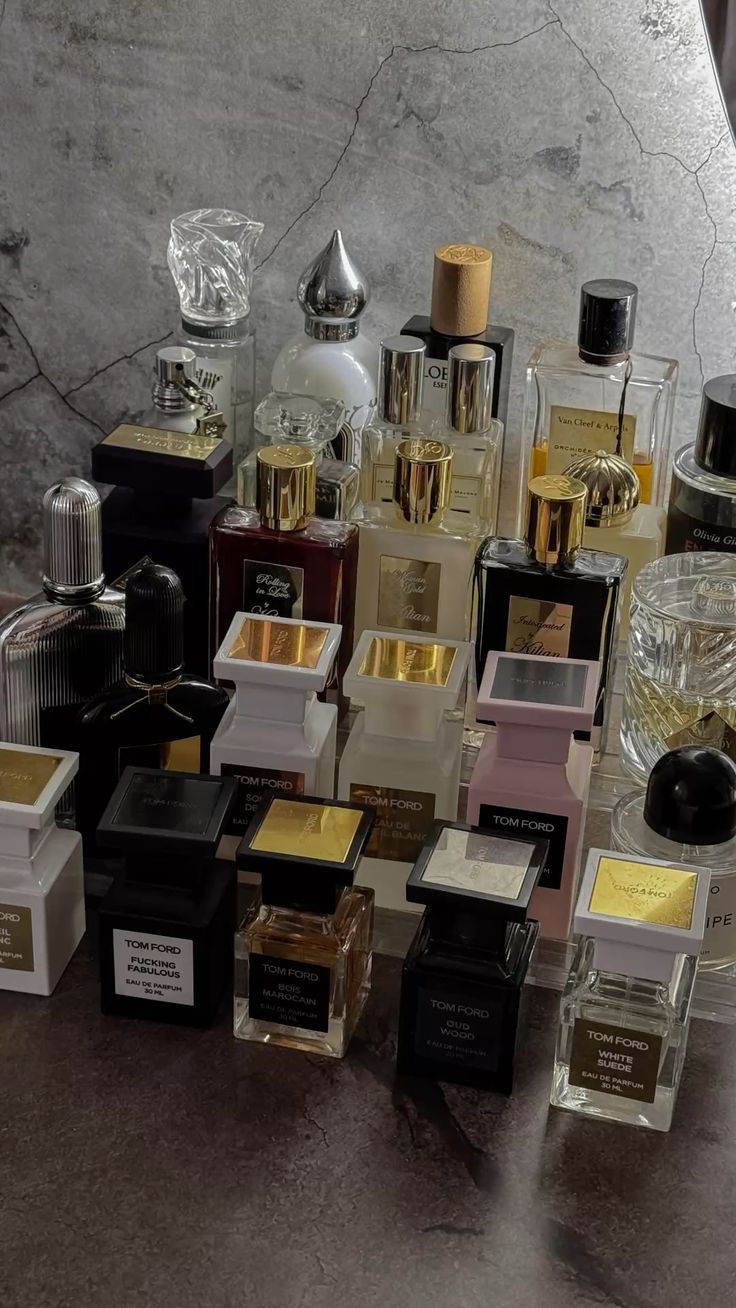
Today, many perfume creators draw consciously on cultural narratives. Some revisit ancestral materials with contemporary techniques. Others tell stories about cities, landscapes, or social movements through scent. The most meaningful fragrances do more than follow trends. They ask what a place feels like, what histories shaped it, and whose stories are being told.
This shift reflects a broader desire for depth. People are not only buying smells. They are seeking connection, memory, and meaning. Fragrance becomes a medium for cultural storytelling, turning the body into a living archive of places and experiences.
Conclusion
The cultural geography of smell shows that fragrance is never just decoration. It is a map of trade, belief, environment, and identity. Scents mark power and intimacy, distance and belonging. They carry land on the skin and history in the air. When we pay attention to fragrance as culture, we begin to understand that every bottle, oil, or incense stick is part of a much larger human story about how we make the invisible meaningful.
Scents that tell a story — dive into Fragrance on OmirenStyles.
FAQs
- What does the cultural geography of smell mean in simple terms?
It examines how different cultures and places shape how people create, use, and understand scents, especially in daily life and ritual.
- Why do fragrance preferences differ around the world?
Climate, local plants, history, religion, and social norms all influence what people consider pleasant or appropriate to wear.
- How is perfume connected to identity?
Scent can express personality, social status, heritage, and memory. It often becomes part of how people see themselves and want to be perceived.
- What role did trade play in perfume history?
Historic trade routes moved rare aromatic materials across continents, linking fragrance to wealth, power, and cultural exchange.
- Can smells really preserve cultural heritage?
Yes. Traditional scent practices, materials, and rituals carry historical knowledge and emotional memory, making fragrance a form of living heritage.