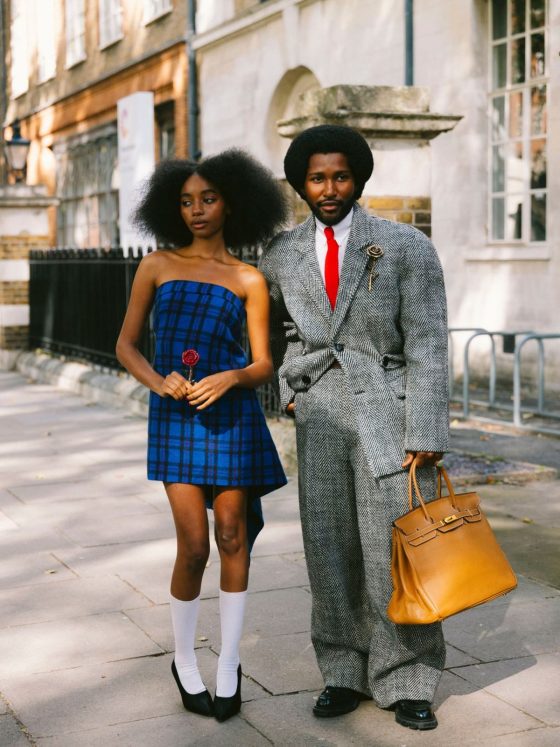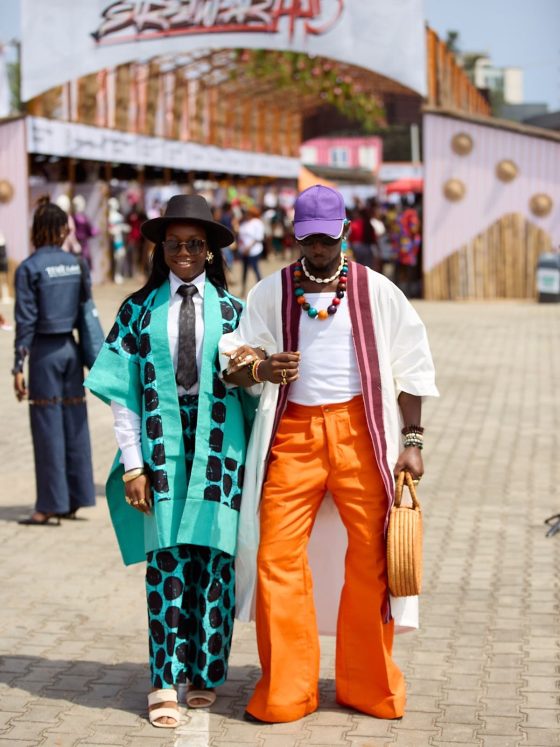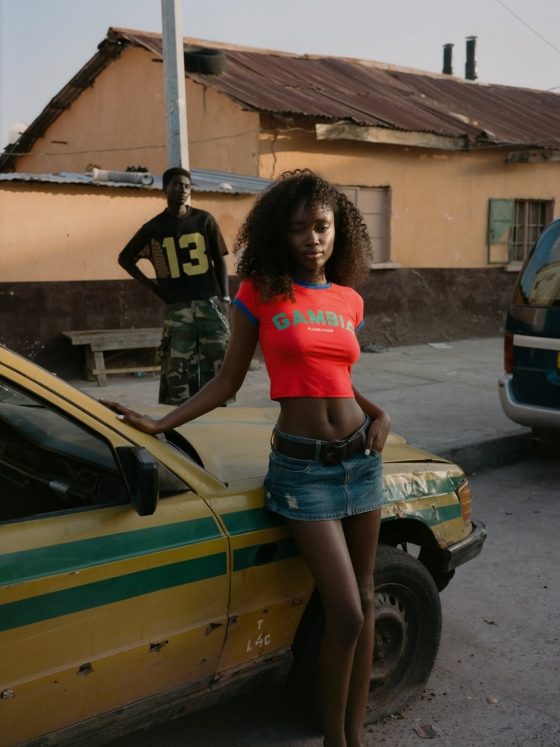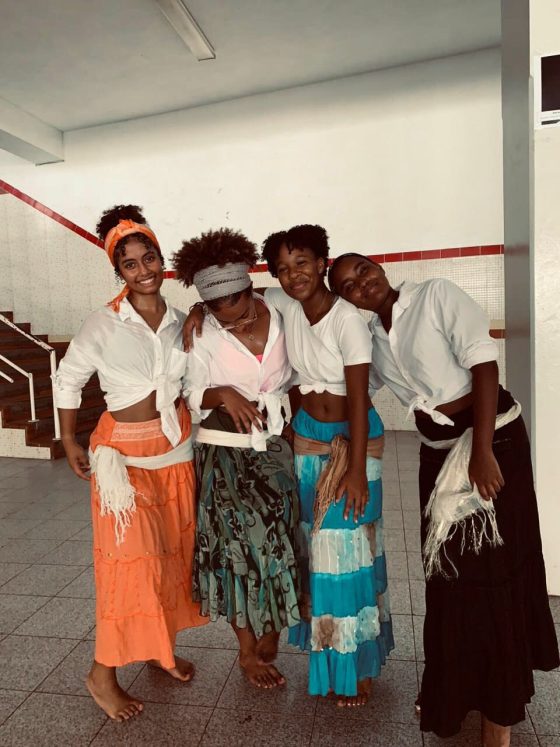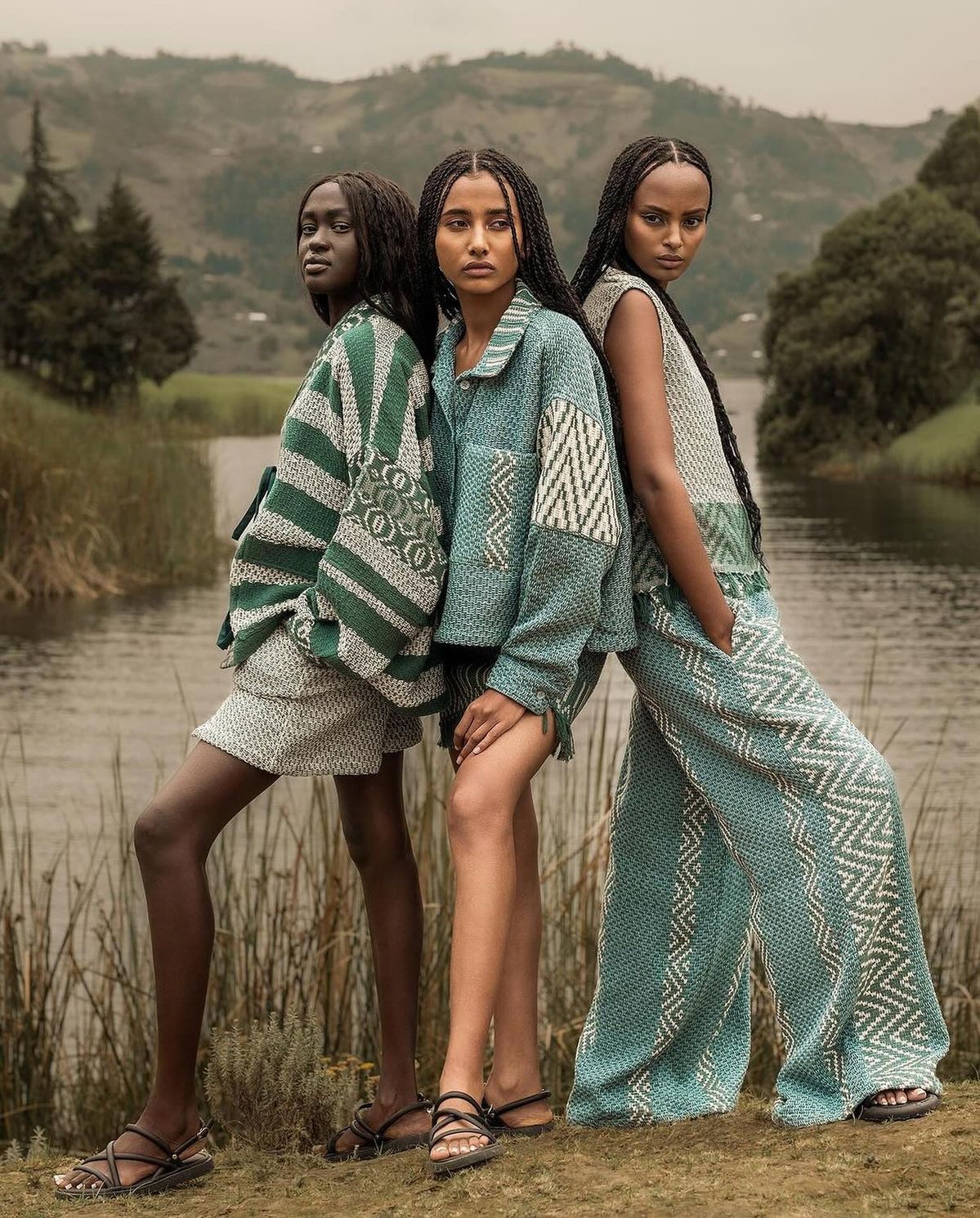
Fashion in Africa does not begin with launches or seasonal declarations. It starts with repetition. Clothes are worn frequently enough to earn trust. Heat, distance, routine, and social expectations refine choices. Long before trends are named or silhouettes are formalised, style is quietly tested in real life.
Street style across the continent is not about disruption for its own sake. It is about what survives daily use. What holds shape? What remains appropriate across different moments of the day. Anything impractical disappears without ceremony. Anything that works becomes habitual.
This is how fashion knowledge is built, not announced.
African street style shapes global fashion through fabric intelligence, restraint, tailoring, and lived practicality, long before trends reach the runway.
When the Street Leads and Fashion Follows
What global fashion often presents as innovation is, in many African contexts, continuity. Dressing well has never been separated from daily life. Clothes are expected to perform. They must be breathable, durable, and adaptable. Style exists within structure, not spectacle.
This is why African street style continues to shape fashion itself, not through visibility, but through discipline.
Rather than spotlighting familiar fashion capitals, the real influence emerges in places where living conditions and long-standing codes shape how people dress.
Addis Ababa, Ethiopia — White Dressing as Everyday Elegance
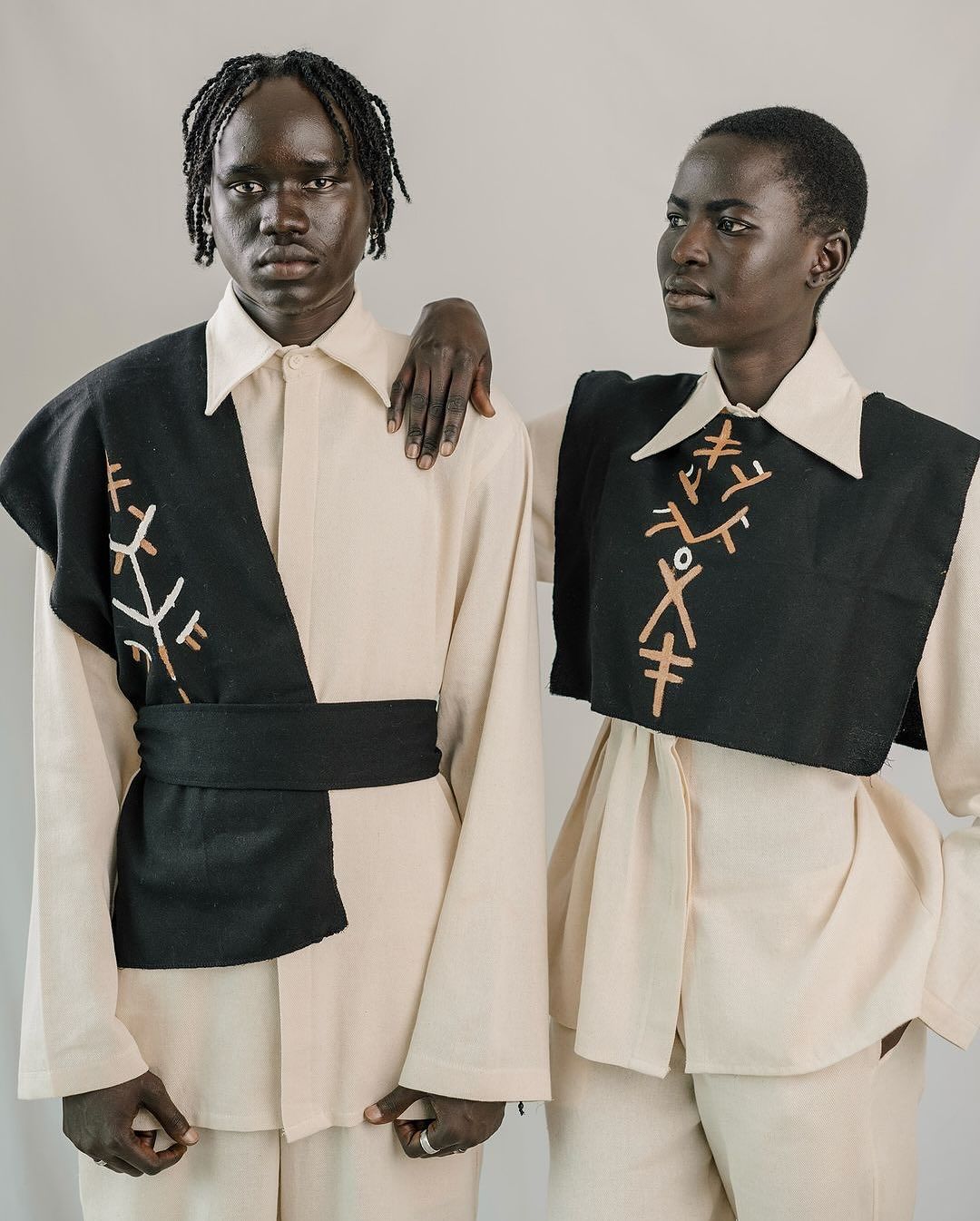
In Addis Ababa, the colour white is not considered a statement. It is a standard. Cotton shemma-inspired garments appear daily, worn with ease rather than ceremony. Clean silhouettes dominate, with emphasis placed on fabric quality, drape, and maintenance.
This preference for restraint and repetition has quietly informed fashion’s renewed interest in monochrome dressing and quiet refinement. What is often described globally as minimalism is, here, a cultural practice rooted in care and consistency.
Elegance is not announced. It is maintained.
Abidjan, Côte d’Ivoire — Confidence Through Fit and Attitude
In Abidjan, style is carried through posture and precision. Clothing fits the body with intention. The colour is bold but controlled. Tailoring appears in everyday contexts, shaped by the city’s relationship with music, nightlife, and public presence.
This approach has influenced contemporary fashion’s appetite for expressive tailoring, particularly in menswear. Proportion, stance, and attitude become the language. Decoration is secondary.
Here, confidence does the work.
Kigali, Rwanda — Clean, Intentional Everyday Dressing
Kigali’s street style reflects discipline. Outfits are polished, restrained, and consistent. Neutral palettes dominate. Tailored basics repeat. Presentation is taken seriously, not performatively.
This environment has formed a visual language centred on neatness and order. The influence is visible in fashion’s current focus on clean lines, repetition, and structure without excess. Style becomes something steady, not reactive.
Consistency, rather than novelty, defines elegance.
Kumasi, Ghana — Fabric-Led Everyday Dressing
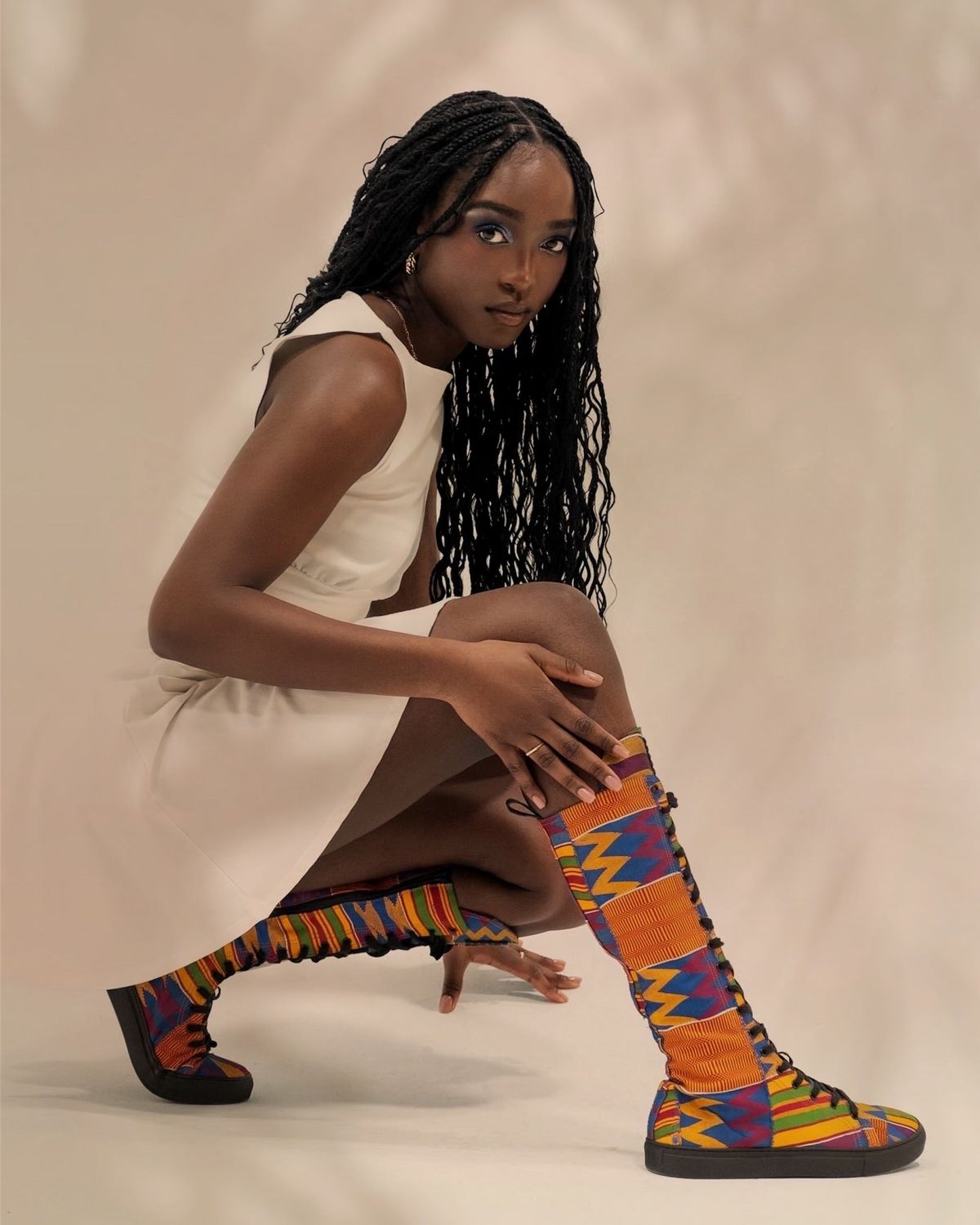
In Kumasi, dressing begins with fabric. Cloth markets inform daily choices, and garments are shaped around what is available rather than what is trending. Pattern and texture are integrated into routine wear without ceremony.
This fabric-first approach has influenced designers who now allow material to dictate form. Instead of forcing textiles into preconceived silhouettes, fabric leads the process. It is an increasingly visible logic in contemporary collections that prioritises textile intelligence over surface aesthetics.
Here, material has meaning.
Zanzibar, Tanzania — Modesty as Design Intelligence
Climate and cultural norms shape Zanzibar’s street style. Lightweight layering, loose silhouettes, and breathable fabrics dominate. Colour palettes remain soft. Movement is prioritised.
This approach demonstrates how modesty functions as design intelligence rather than restriction. Its influence is evident in fashion’s embrace of long silhouettes, fluid construction, and ease-driven dressing that feels intentional and modern.
Elegance emerges through restraint and flow.
Bamako, Mali — Texture and Material Authority
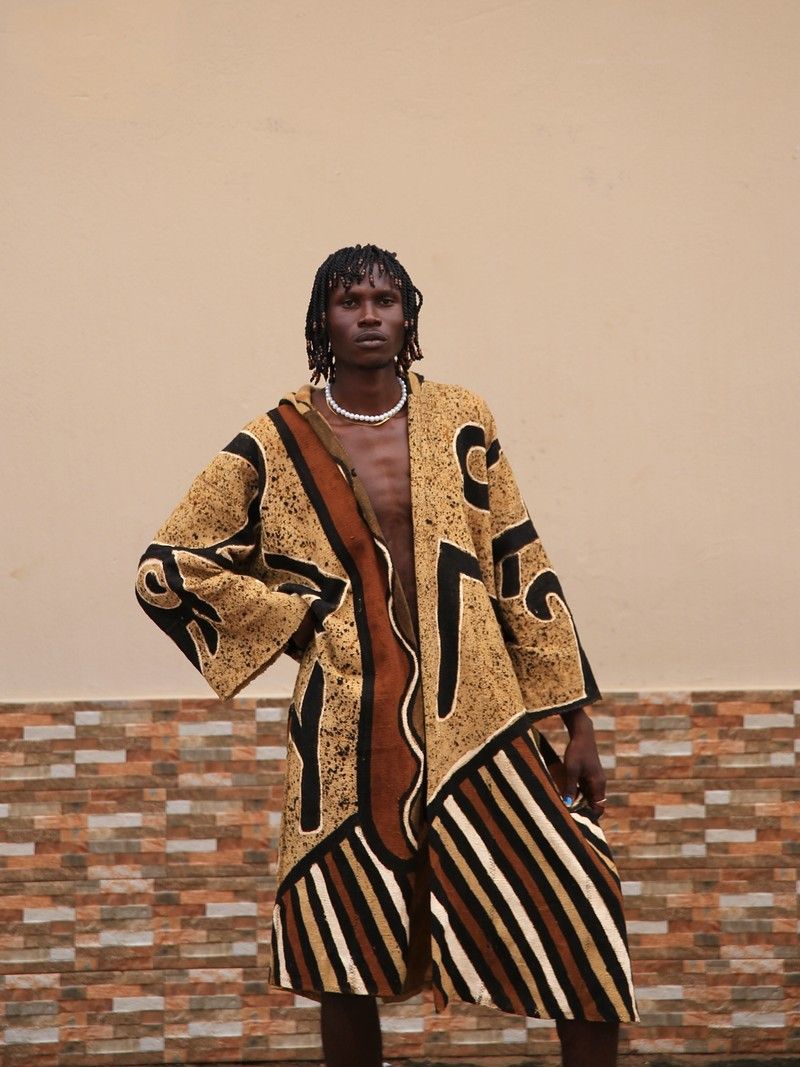
In Bamako, texture holds authority. Mud cloth, woven cottons, and naturally dyed fabrics are used in everyday wear, chosen for their durability and climate suitability. Clothing carries a strong material identity.
This sensibility underpins fashion’s renewed interest in tactility and imperfection. Garments are valued for how they age, how they feel, and how they carry evidence of use. Beauty is not polished away.
Clothes are allowed to live.
Why These Streets Matter to Fashion
What connects these places is not a shared aesthetic but a shared logic. Clothing must earn its place. It must be worn often. It must integrate into life without explanation.
Fashion increasingly borrows these principles, sometimes without acknowledgement. Versatility, fabric intelligence, restraint, and repetition are now positioned as forward-thinking ideals. In reality, they have long existed as everyday standards.
The runway refines what the street already understands.
READ ALSO:
- Handwoven African Fabrics Reimagined in Luxury Design
- How African Fashion Weeks Are Reframing Global Conversations
Fashion That Learns by Watching
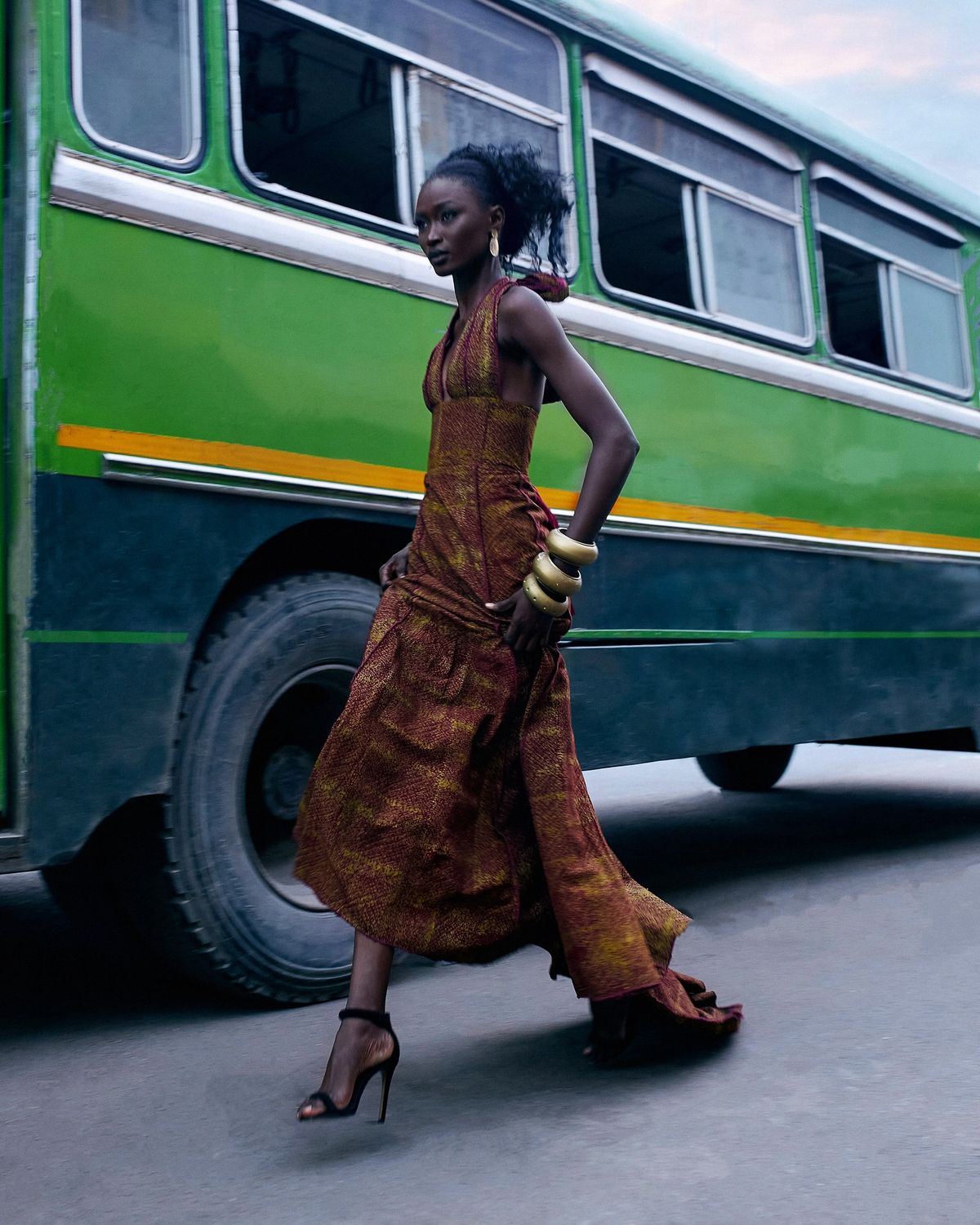
Designers who pay attention observe what people keep wearing. They notice which silhouettes repeat, which fabrics endure, and which details survive daily use. The collections that resonate most often feel familiar because they are rooted in lived reality.
In this sense, fashion does not lead. It listens.
Beyond the runway, style continues quietly. The clothes are chosen with trust in mind. These outfits are worn without any expectation of performance. Dressing is shaped by environment, routine, and understanding rather than by instruction.
This approach is not an alternative fashion system. It is the foundation.
Find inspiration beyond the runway — browse Street Style on OmirenStyles.
Frequently Asked Questions
- What defines African street style’s influence on global fashion?
Its emphasis is on functionality, fabric quality, repetition, and adaptability rather than trend-driven novelty.
- Why are lesser-known cities important in fashion conversations?
They reveal how style develops organically through daily life, not visibility or industry recognition.
- How does African street style differ from runway fashion?
Street style prioritises lived practicality and consistency, while runway fashion often refines and amplifies these ideas.
- Is this influence intentional or unconscious?
Often unconscious. Designers absorb principles through observation rather than direct reference.
- Why is restraint a recurring theme?
This is because restraint enables clothing to endure and adapt.