Luxury rarely announces itself. It doesn’t rely on logos, viral silhouettes, or seasonal approval. Instead, it reveals itself quietly through proportion, texture, and confidence. The kind of style that feels effortless, not because it is careless, but because it is deeply considered.
In a fashion landscape driven by constant updates and algorithm-led trends, dressing well has become less about keeping up and more about opting out. True luxury today is not defined by what is new; what endures is more crucial. It is a way of dressing rooted in intention, self-awareness, and restraint.
To dress in luxury without chasing trends is to understand that style is not urgent. It is continuity.
Learn how to dress luxuriously without chasing trends by focusing on fit, fabric, and intention to build a timeless, confident wardrobe that endures.
Fit Is the First Marker of Luxury
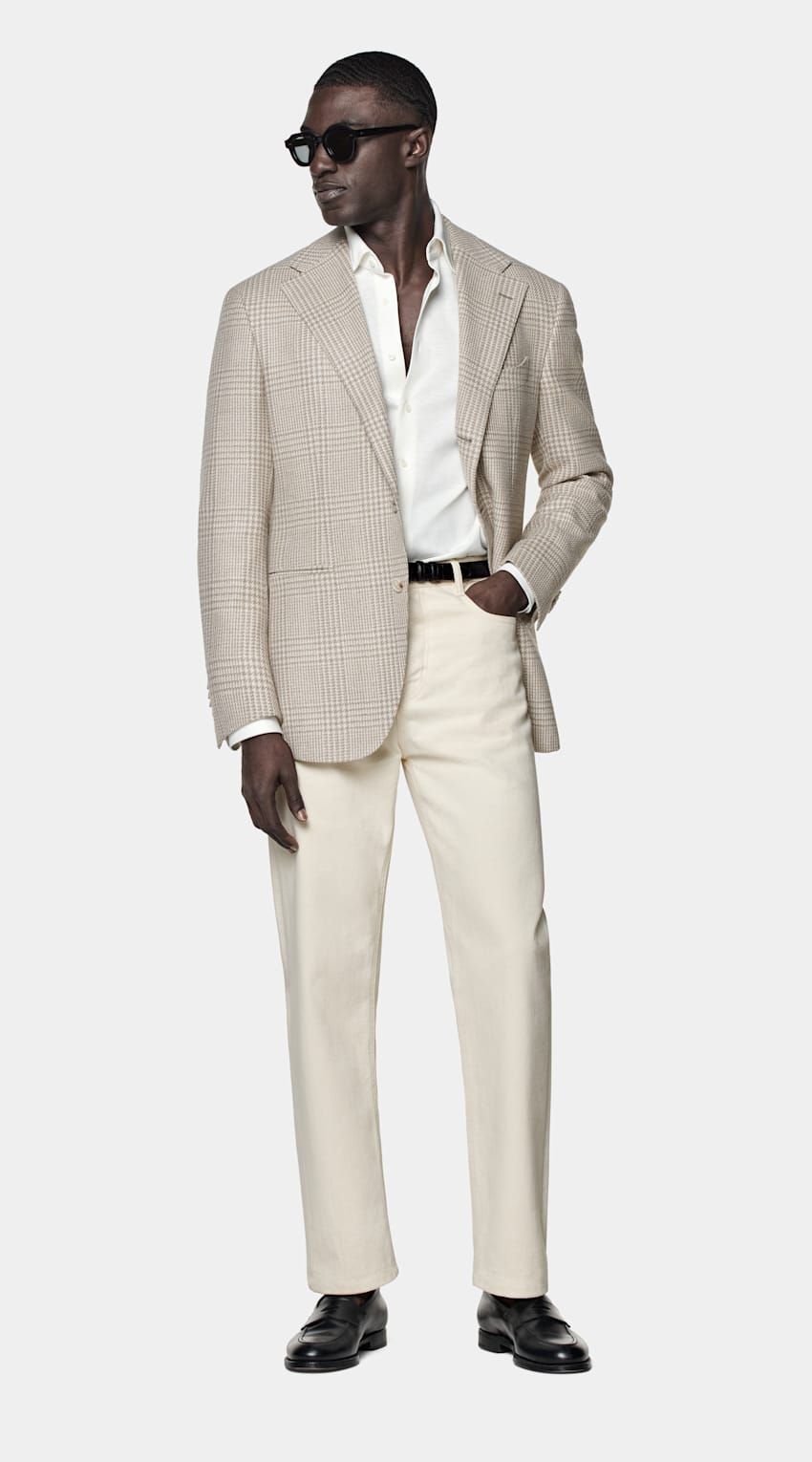
Before fabric, before colour, before brand, there is fit. Nothing elevates a look more immediately or convincingly than properly fitting clothing.
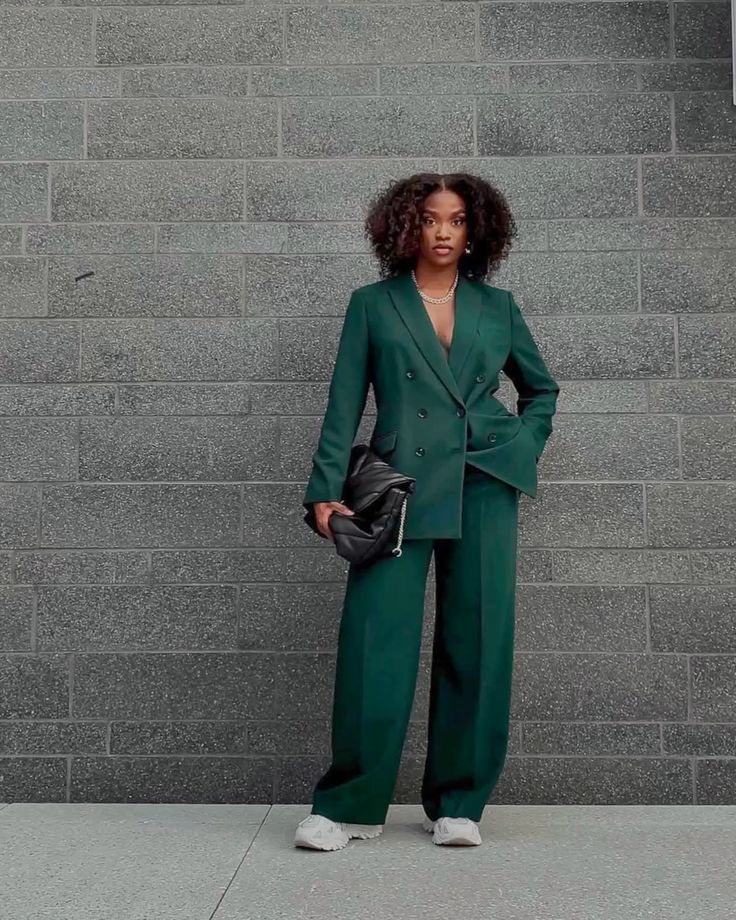
Luxury dressing begins with knowing your body and respecting it. Jackets should sit cleanly on the shoulders. Sleeves should land with precision. Trousers should fall with purpose, not drag or cling. Dresses should move with the body, not fight it.
A well-fitted garment communicates care. It suggests intention. It tells the world that nothing here is accidental. Trends fade quickly, but excellent tailoring is timeless.
Fabric Matters More Than Labels
Luxury is tactile. It is felt before it is seen.
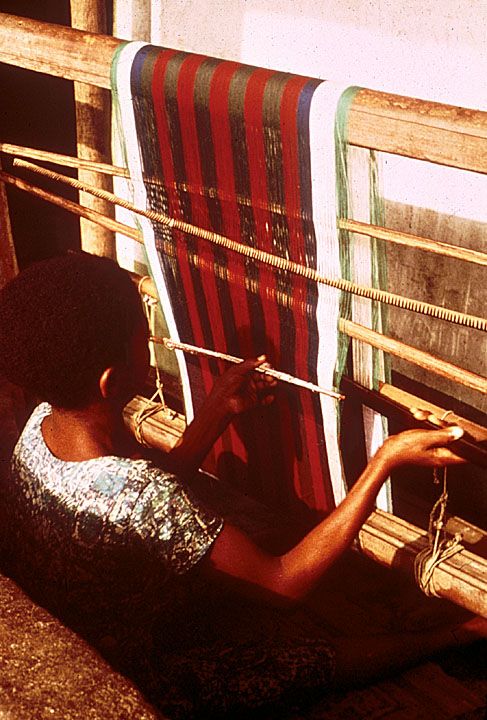
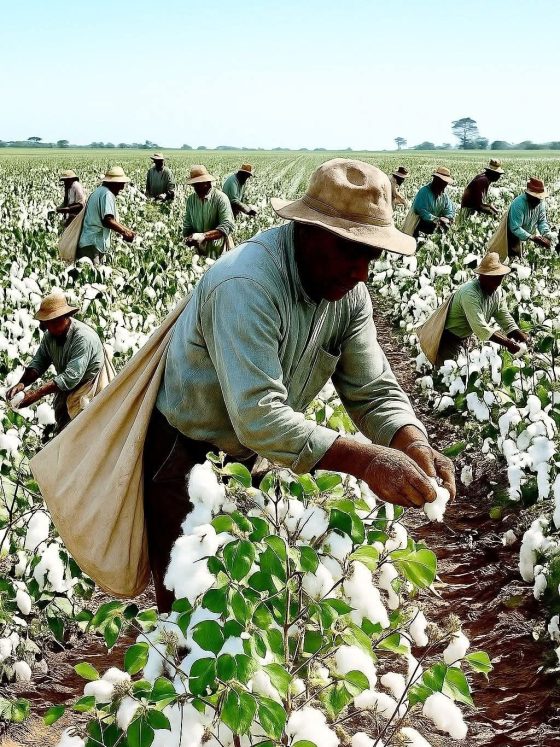
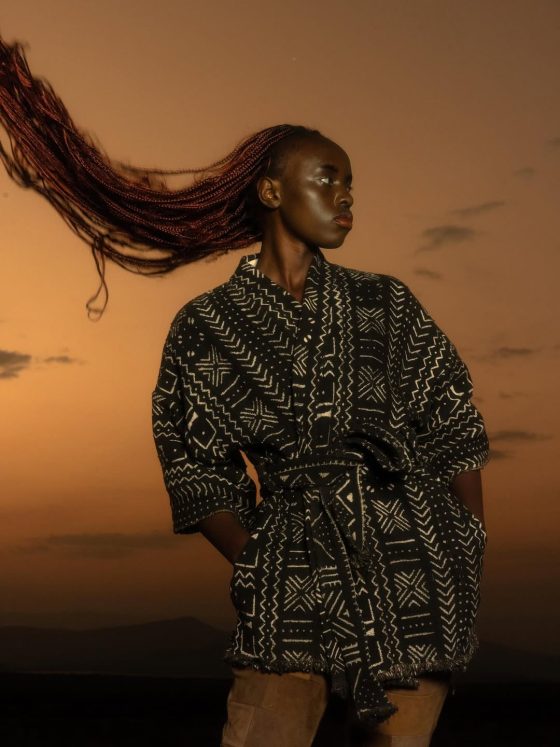
Natural materials such as wool, silk, linen, cotton, and leather behave differently on the body. They breathe, they age gracefully They respond to movement, light, and wear in ways synthetic fabrics cannot replicate.
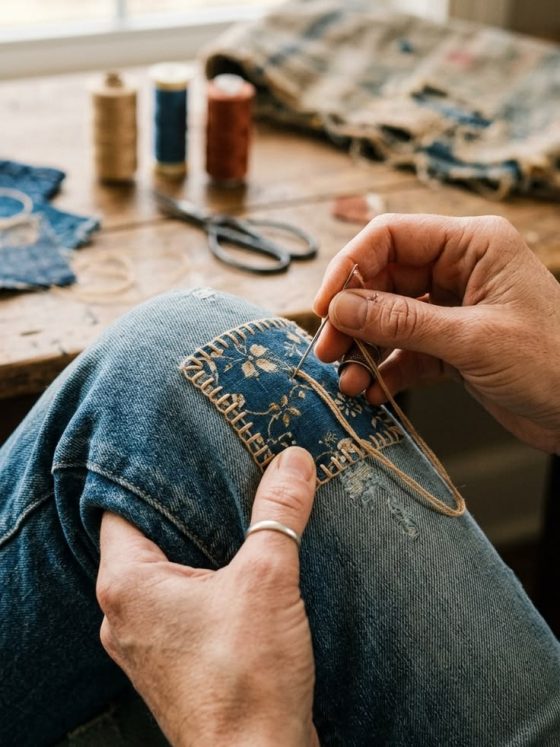
When you choose fabric over labels, your wardrobe gains depth. Clothes stop feeling disposable and start feeling lived in. Over time, they soften, settle, and become more personal.
This phase is where luxury separates itself from trend-driven fashion. Trends prioritise appearances. Luxury prioritises experience.
Build a Colour Palette That Endures
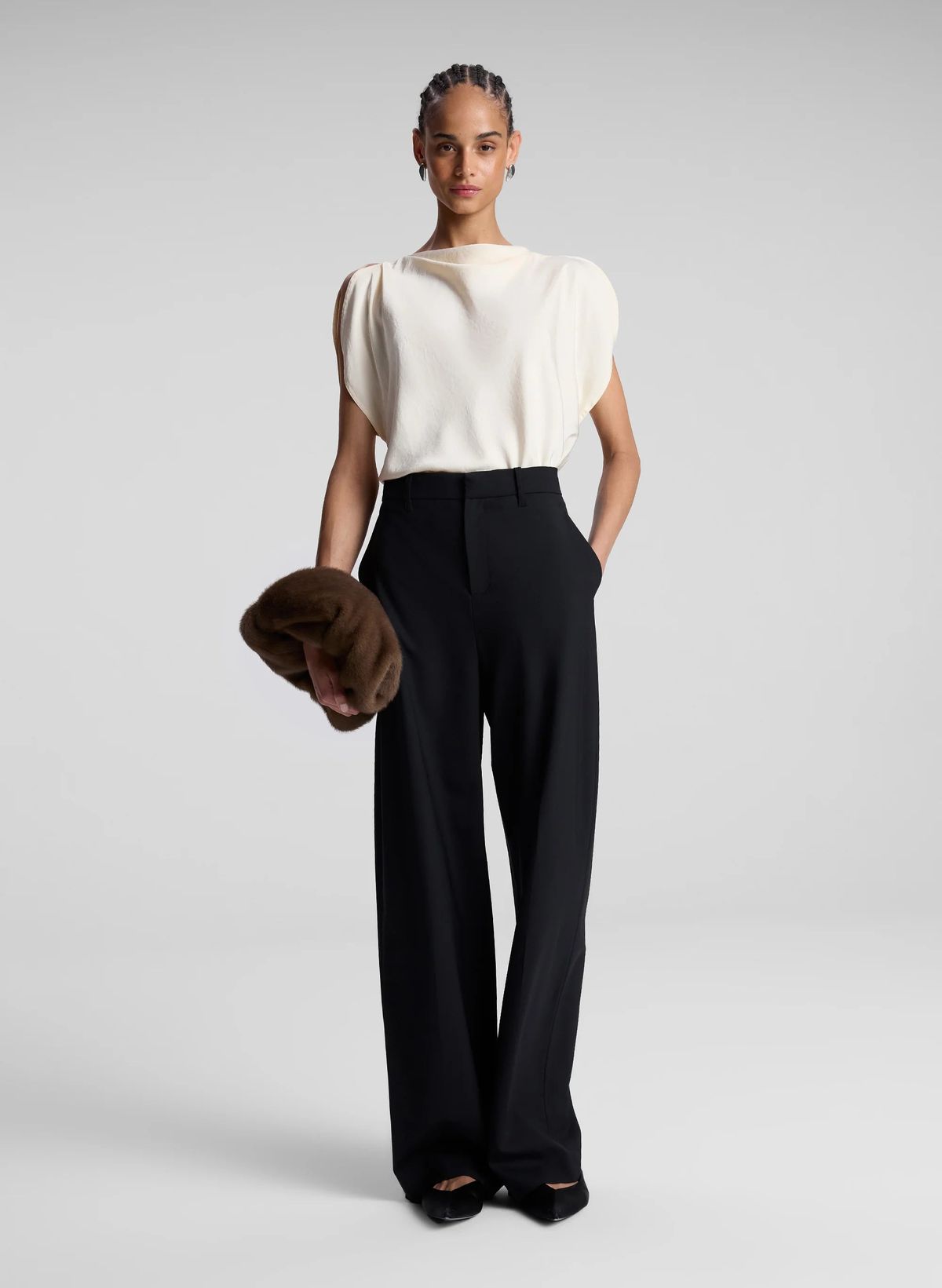
Trends often rely on colour to make an impact. Luxury depends on restraint.
A timeless wardrobe is built on a considered colour palette. Neutrals such as black, ivory, camel, grey, navy, and chocolate create a foundation that allows for flexibility and repetition. These tones work across seasons, settings, and years.
Choosing neutrals does not mean avoiding colour altogether. It means choosing it with intention. Deep greens, muted blues, rich burgundy, and warm earth tones add character without tying a look to a specific moment.
Luxurious colour choices feel grounded, not reactive.
Choose Silhouettes That Respect the Body
Trends exaggerate. Luxury refines.
Oversized extremes, hyper-fitted cuts, and novelty shapes often age quickly. In contrast, balanced silhouettes endure. Clean blazers, tailored trousers, fluid dresses, structured coats, and simple knits remain relevant because they respect the body rather than overpower it.
Luxury dressing is not about drama. It is about proportion. When silhouettes are thoughtful, clothing enhances presence rather than competing with it.
Repetition is a sign of confidence.
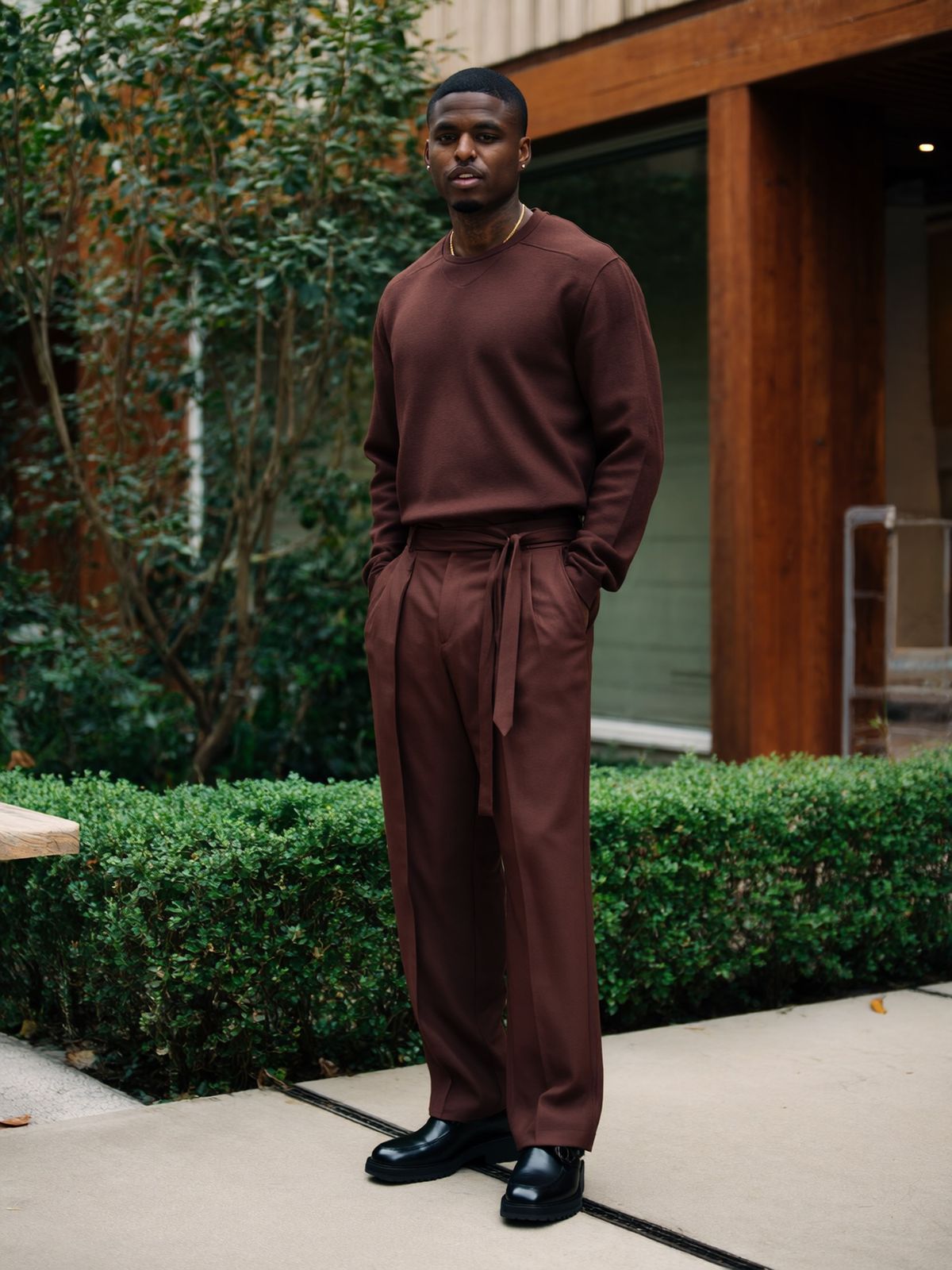
One of the quiet secrets of luxury style is repetition.
Wearing the same pieces often, styling them differently, and allowing them to become part of a personal uniform signals confidence.
Style icons are rarely remembered for constant reinvention. They are remembered for consistency.
A signature silhouette. A preferred colour range. A recognisable way of dressing.
Repetition builds identity. And identity is far more powerful than novelty.
Accessories Should Complete, Not Compete
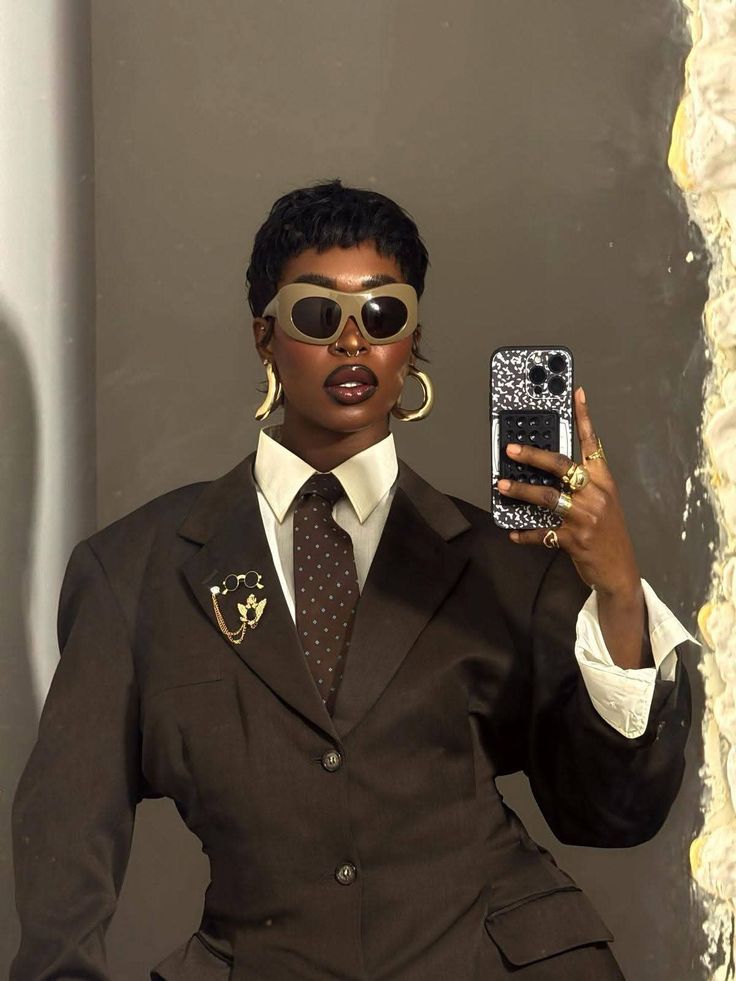
In trend-driven fashion, accessories are often used for impact. In luxury dressing, they are used for balance.
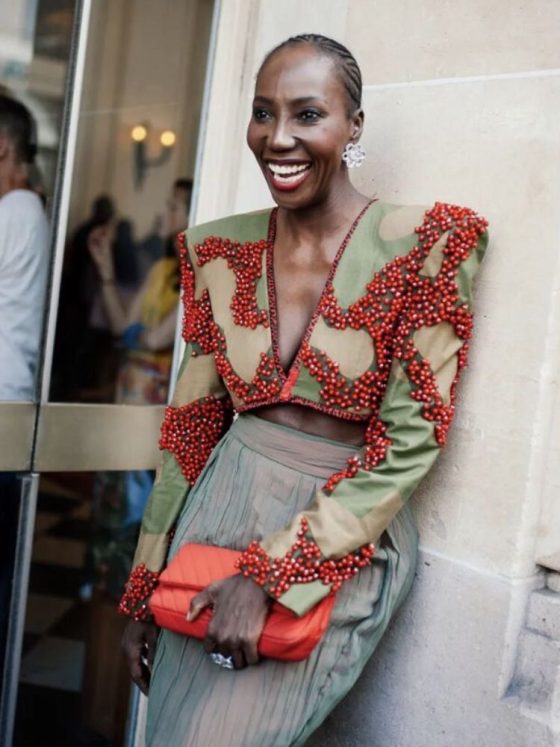
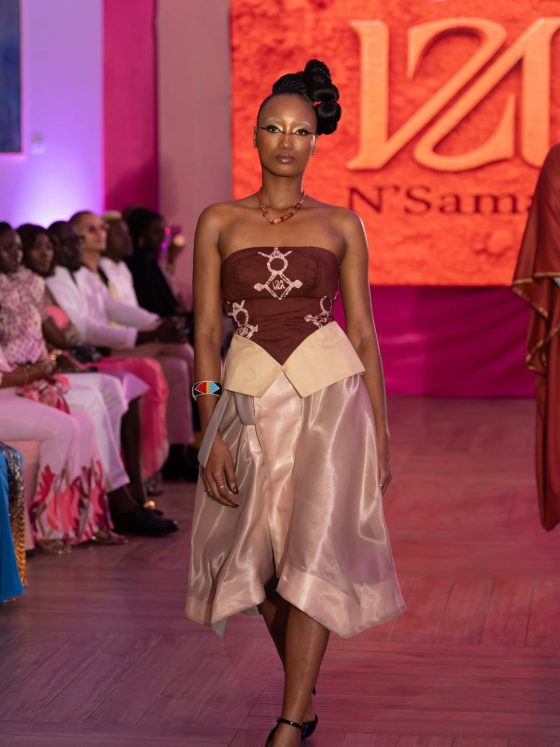
A well-made bag in quality leather. Shoes with clean lines and solid construction. Jewellery that feels personal rather than performative. These elements finish an outfit without overpowering it.
Luxury accessories are chosen for longevity. They are designed to be worn repeatedly, developing character rather than losing relevance. When accessories feel intentional, the entire look feels composed.
Logos Are Optional
Luxury does not require visibility.
The most refined wardrobes often contain few prominent logos. This is not about rejecting designers; it’s about prioritising design over branding. A well-cut and well-made garment exudes confidence.
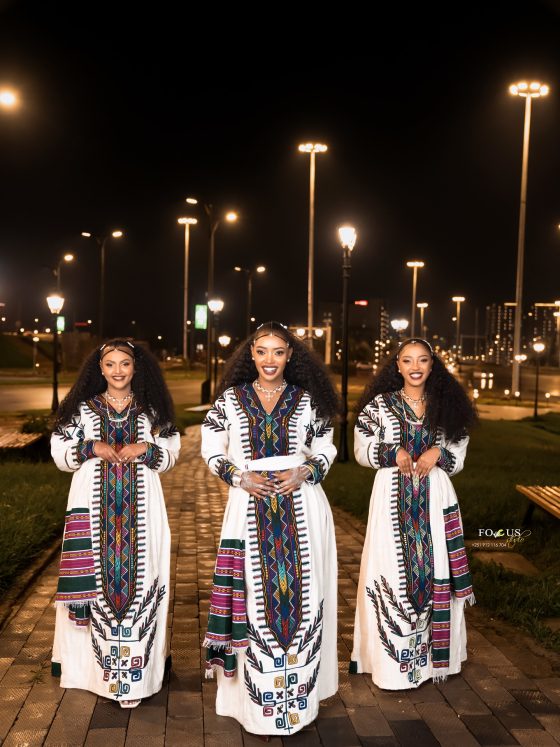
Dressing in luxury without chasing trends means allowing craftsmanship, fabric, and fit to do the talking. Recognition becomes secondary.
Dress for Context, Not the Internet.
Screens shape trends. Luxury is shaped by context.
Understanding where you are going, how you want to feel, and what the moment requires is central to refined dressing. An outfit should suit the occasion, not fight it.
Luxury dressing values appropriateness over spectacle. It understands nuance. It acknowledges that true style is situational, not performative.
Build Slowly; Buy intentionally.
A luxury wardrobe is not built overnight. It evolves.
Each new piece should earn its place. Does it work with what you already own? Can it be worn in multiple ways? Will it still feel like you in five years?
When clothing is chosen with intention, trends lose their power. The wardrobe becomes cohesive, flexible, and deeply personal.
RECOMMENDED:
- Omiren Styles Minimalism: The Redefined Work Wardrobe
- A Modern Nigerian Man’s Guide to Building a Premium Wardrobe on a Budget
- The Essential Accessory Capsule: A Curated Guide To Pieces That Endure
Luxury Is Ultimately Self-Knowledge
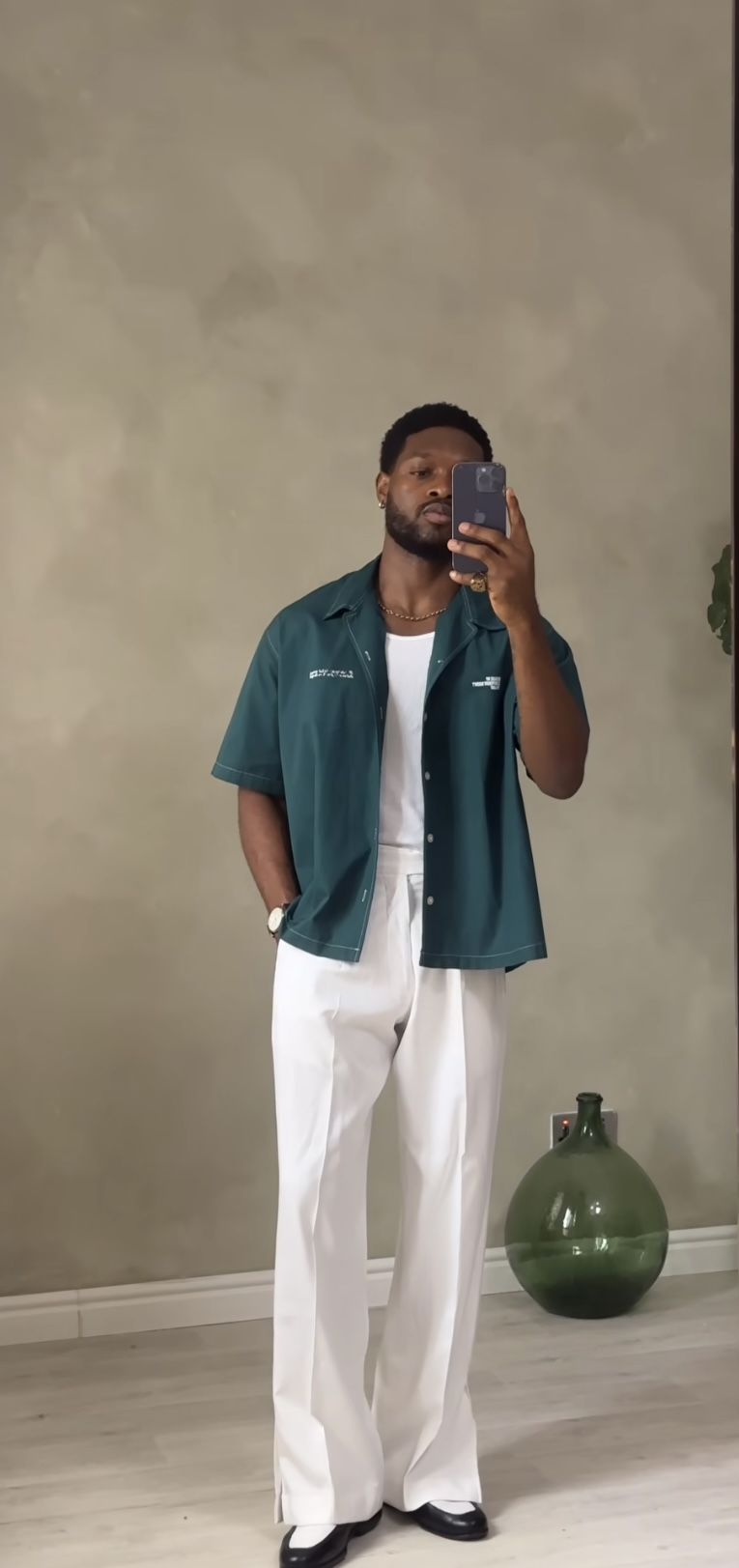
At its core, dressing in luxury without chasing trends is an exercise in self-knowledge. It requires honesty about lifestyle, preferences, and values.
Trends offer shortcuts. Luxury demands clarity.
When you dress with intention, your wardrobe reflects who you are rather than your environment. Clothes support identity instead of trying to define it.
And that is the most enduring form of style.
Frequently Asked Questions
- What does it mean to dress in luxury without following trends?
It means prioritising fit, fabric, and personal style over seasonal fashion cycles.
- Is luxury dressing the same as minimalism?
No. Luxury dressing is about intention and quality, not restriction.
- Can affordable pieces still look luxurious?
Yes. Fit, fabric, and styling matter more than price.
- Are logos necessary for a luxury look?
No. Craftsmanship and proportion communicate luxury more effectively.
- How do I start building a timeless wardrobe?
Begin with well-fitting essentials in neutral tones and add pieces slowly.