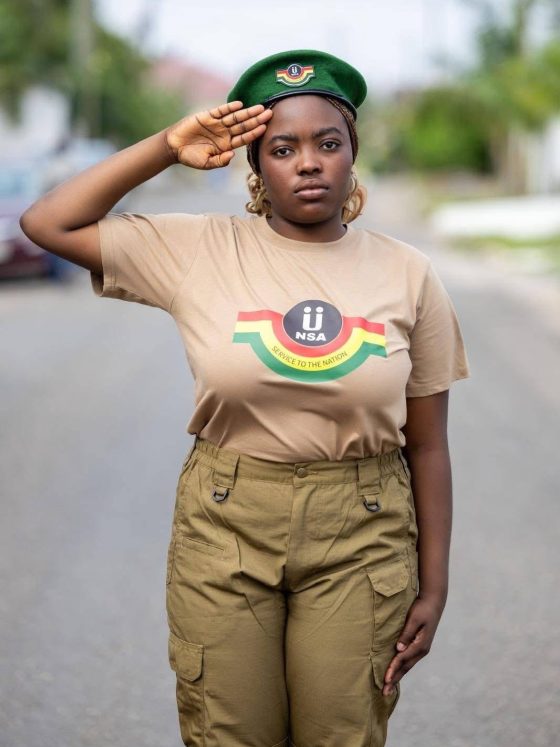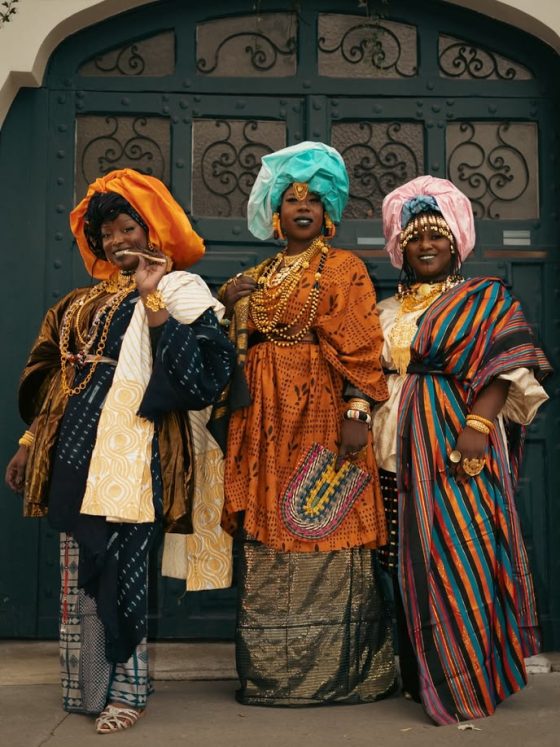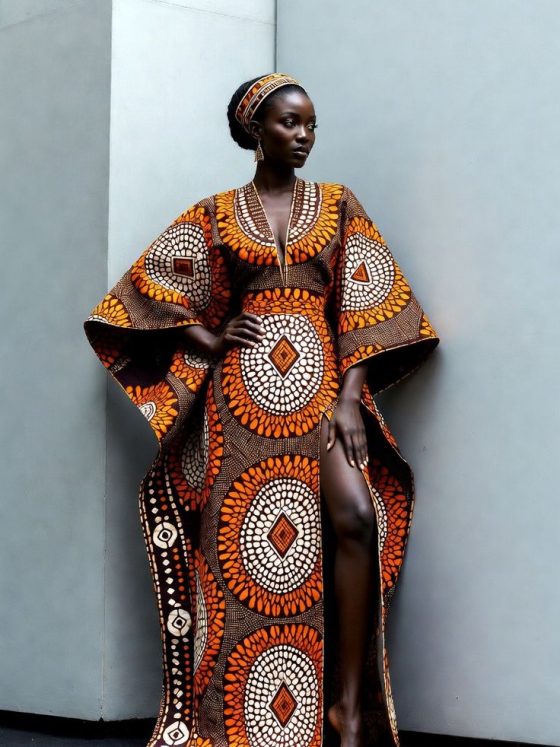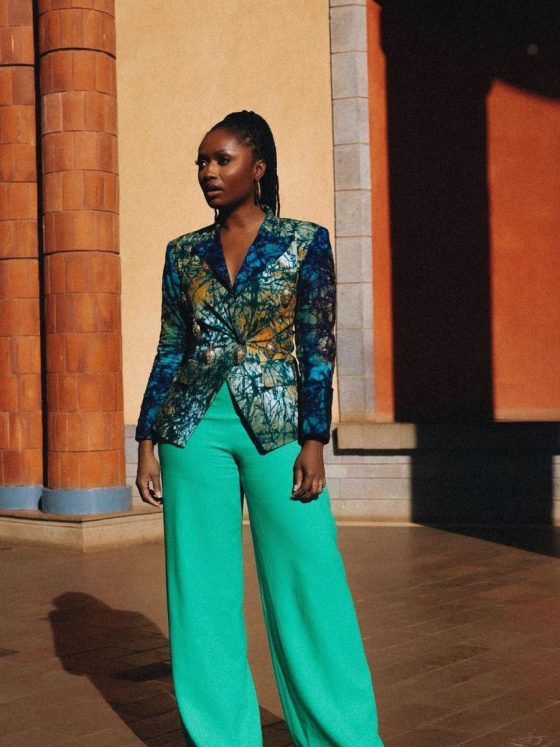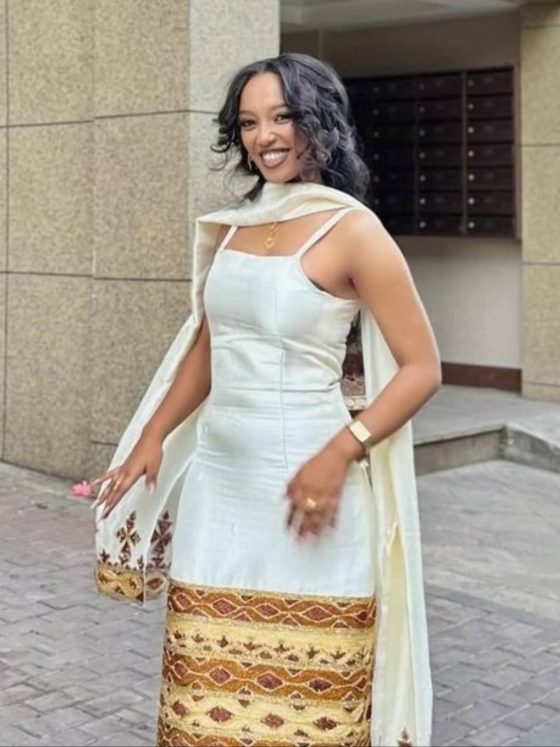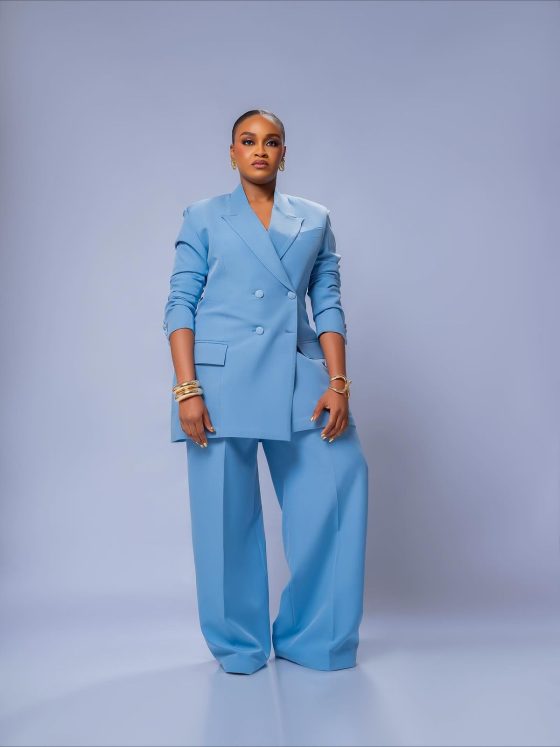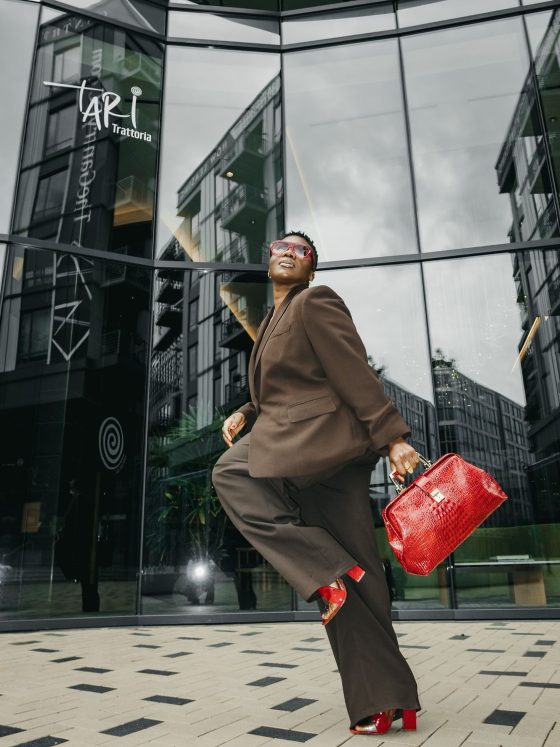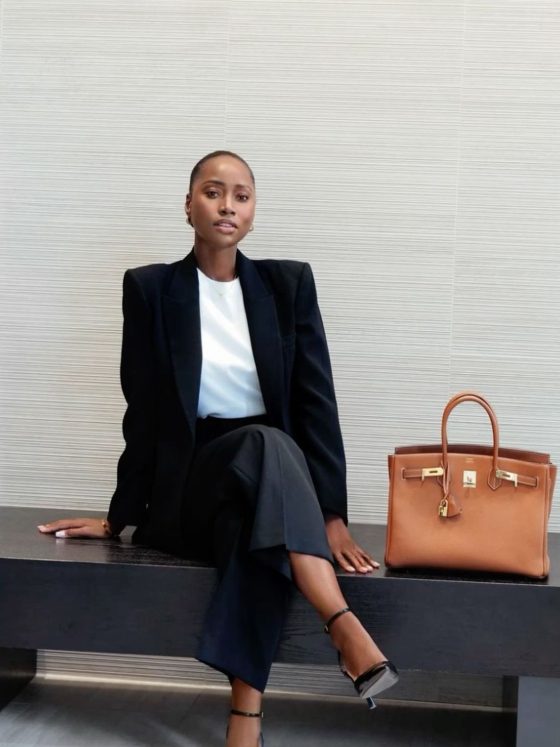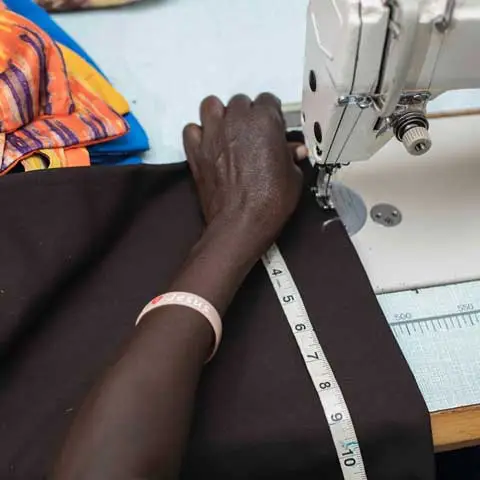
A well-cut jacket should feel made for the person wearing it, not a store mannequin. In modern African workwear, designers pay attention to every seam, panel, and lining so clothes move naturally, hold their shape, and last longer.
This matters because professionals face long commutes, busy offices, and active routines. Clothes need to perform as well as they look, balancing mobility, comfort, and style. There is a clear purpose behind the use of reinforced stitches, layered fabrics, and precise patterns. This approach is called tailoring with purpose, and it’s quietly transforming African workwear.
Next, we’ll explore the construction techniques, pattern cutting, panelling, fabric layering, movement-focused design, and finishing touches that make these garments functional, comfortable, and professional.
Tailoring With Purpose in African workwear ensures garments move, fit, and perform for comfort, mobility, and professional polish in everyday urban life.
Pattern Cutting As The Foundation Of Tailoring With Purpose
The foundation of Tailoring With Purpose begins with pattern cutting. After all, clothes that move naturally, hold their shape, and perform in daily life start with how they are drawn and measured.
Pattern cutting ensures that every line and panel supports movement, balance, and comfort. Today’s African women want garments that look sharp in Lagos boardrooms, feel cool in Accra’s heat, and don’t fatigue the body during long workdays; pattern cutting answers all of that.
Precise pattern cutting means each panel of a blazer or blouse is measured with intention. Shoulders sit right, sleeves allow movement, and trousers fall cleanly without tugging.
These details may seem small, but they determine whether a garment supports confidence or becomes a burden. Tailors pay attention to proportions that actually work for African body shapes and daily routines, not just textbook silhouettes.
Why Garment Structure Matters In African Workwear
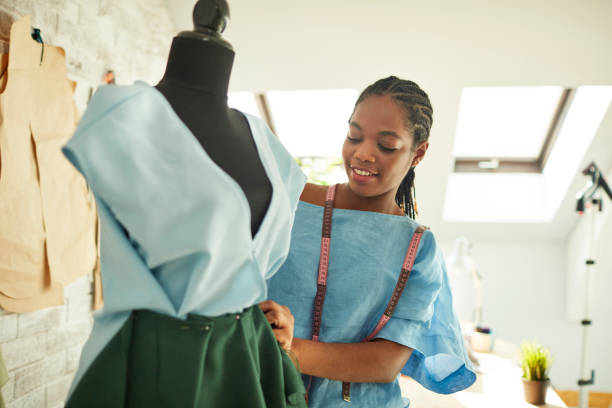
Garment structure determines how clothes move, fit, and last. For instance, reinforced stitching at shoulders, side seams, and underarms prevents sagging or stretching. This is essential for professionals navigating busy Lagos streets or walking under Nairobi’s midday sun.
Shaped panels help clothes drape naturally. Back panels allow jackets to move freely, while waist darts give blouses form without restricting arms or movement.
Every stitch and panel is intentional, supporting durability, comfort, mobility, and professional wear. African workwear is designed not just to fit but to move with the body and endure the demands of modern urban life, demonstrating the value of purposeful tailoring.
How Fabric Choice And Layering Improve African Workwear
African workwear needs to perform in busy city life while staying comfortable, functional, and professional. Designers achieve this by carefully selecting fabrics, layering strategically, and shaping garments for movement, fit, and durability.
Below are the ways designers achieve this:
1. Breathable Fabrics Keep Wearers Comfortable
Designers choose lightweight cotton, linen, and moisture-wicking blends to keep wearers cool during long Lagos commutes or outdoor tasks. These fabrics support mobility and comfort, ensuring clothing doesn’t restrict movement or overheat the body.
2. Layering Techniques Allow Natural Movement
Linings, hidden panels, and interfacing are applied thoughtfully to enhance the garment’s structure while allowing arms and torsos to move freely. This ensures blazers, shirts, and dresses remain functional throughout the day without compromising style.
3. Shaping Panels And Darts Ensure Proper Fit
Back panels and waist darts guide garments across the body, keeping blazers and shirts professional-looking while allowing flexibility. These structural choices prevent tugging, bunching, or discomfort during daily routines.
4. African Textiles Blend Culture With Function
Designers incorporate Ankara, Adire, or local cotton subtly, maintaining breathability, durability, and flexibility while adding cultural reference. This creates workwear that feels both stylish and functional in African urban life.
5. Durable Layering Extends Garment Life
Strategic reinforcement at shoulders, underarms, and seams ensures clothing withstands daily wear in bustling cities, preventing sagging or stretching and supporting long-term professional use.
6. Adaptive Fabric Combinations Suit Varied Climates
Mixing lightweight and structured fabrics allows garments to perform well in both hot outdoor conditions and air-conditioned offices, balancing comfort, mobility, and professional wear. Through these careful choices, African workwear embodies purposeful tailoring, combining functional design, mobility, comfort, professional wear, and cultural relevance in every piece.
Why Tailoring With Purpose Matters For Comfortable, Mobile Workwear
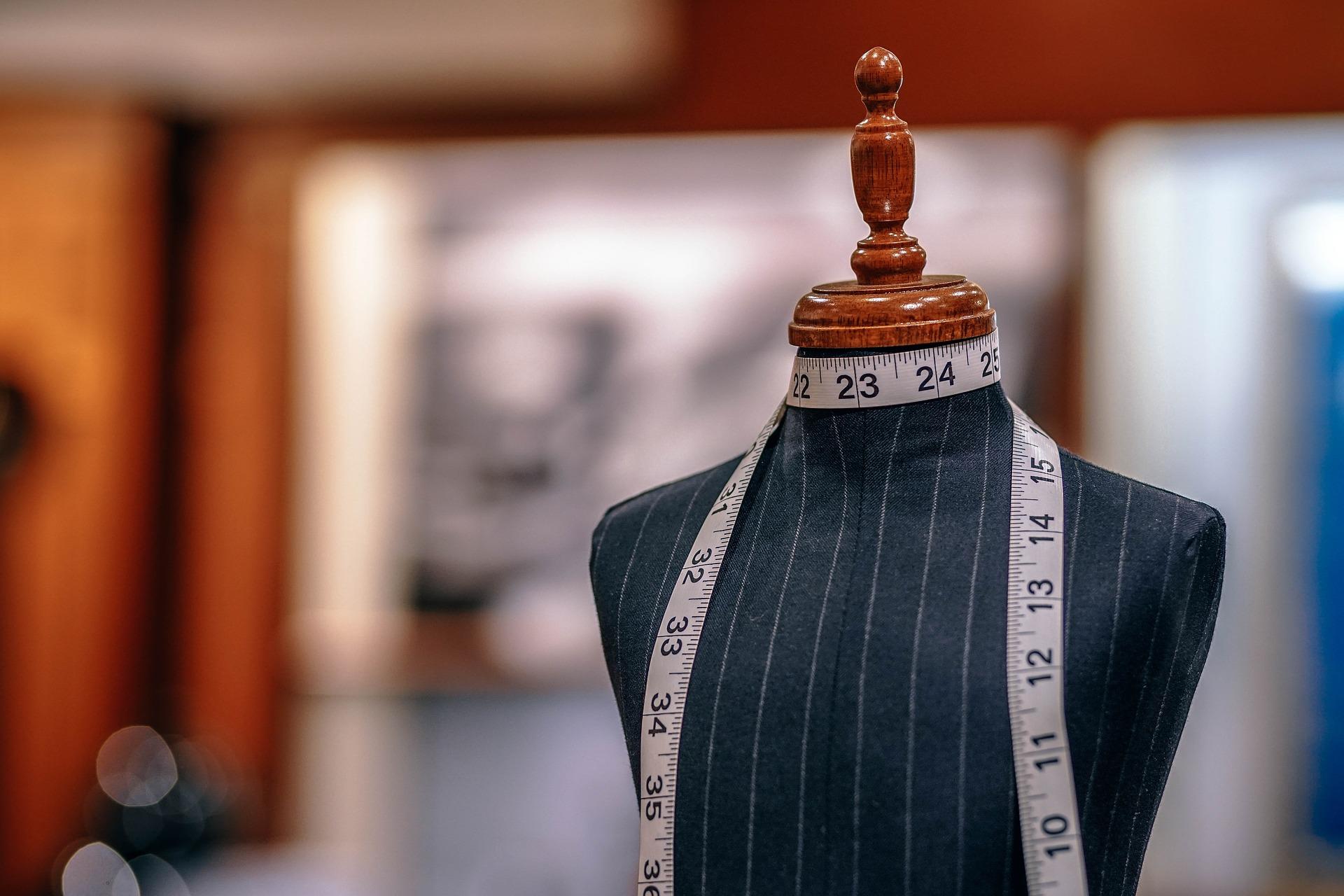
Modern African workwear is designed for daily life, where long commutes, office tasks, and outdoor errands demand both function and style. Designers achieve this through careful garment structure, fabric choice, and panel shaping.
Jackets follow posture, trousers allow sitting and walking without tugging, and sleeves swing naturally. Subtle details, like pleats, flexible seams, and curved panels, enhance professional wear and comfort without adding bulk.
Layering and fabric weight are balanced to ensure garments perform in hot streets or air-conditioned offices. Each piece embodies Tailoring With Purpose, creating clothing that fits, moves, and lasts in real African urban routines.
ALSO READ:
- Omiren Styles Minimalism: The Redefined Work Wardrobe
- Elevated Workwear for Women Who Move With Purpose
- Dress With Purpose: Style That Elevates Leadership and Impact
- African Workwear Essentials Every Modern Woman Needs in 2025
- The Modern Woman’s Power Palette: Neutrals & Earth Tones
The Importance Of Finishing Techniques For Comfortable, Long-Lasting African Workwear
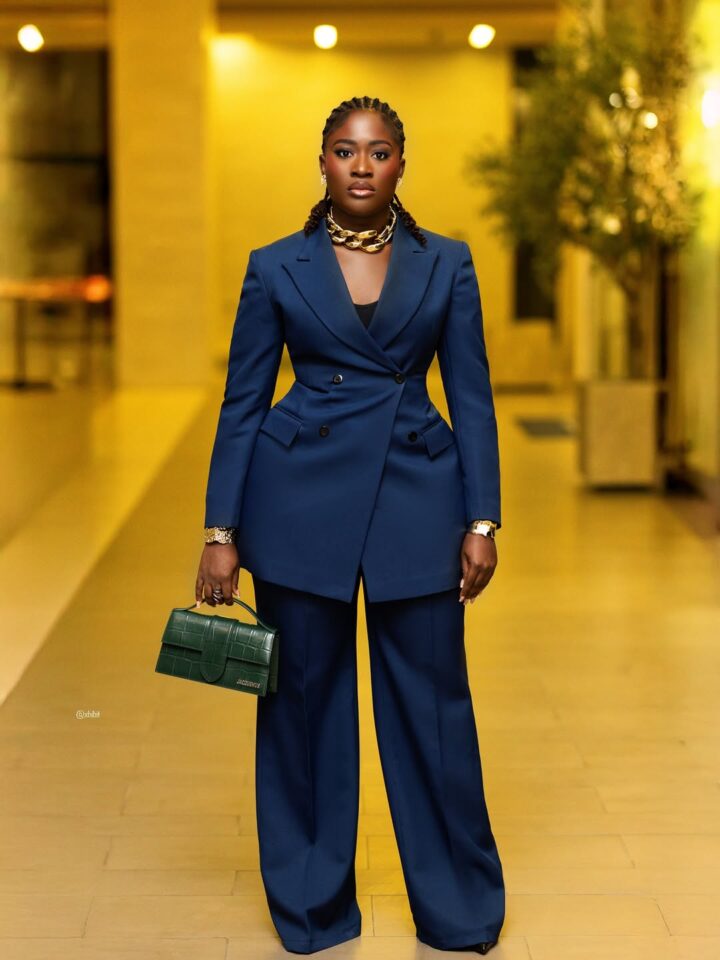
Even strong fabrics need precise finishing. Clean hems, reinforced seams, and well-placed closures let African workwear move naturally while keeping professional wear intact during long commutes and office days.
Subtle details, such as internal linings, bias tape, or carefully stitched edges, support the garment’s structure, allowing sleeves to swing freely and jackets to hold their shape. Reinforced high-stress points enhance durability and functional design, so clothing withstands daily wear without sacrificing comfort.
The result is workwear that looks polished, moves with the body, and endures dynamic African urban life, showing the essence of tailoring with purpose.
Conclusion
Purposeful construction transforms African workwear into clothing that moves, fits, and performs in daily life.
Precise pattern cutting, reinforced panels, strategic fabric layering, and thoughtful finishing all support mobility, comfort, professional wear, and functional design. These garments handle city commutes, office demands, and dynamic routines while maintaining polished silhouettes and lasting durability. In modern African workwear, tailoring with purpose isn’t just a technique; it’s what separates clothing that simply looks good from clothing that genuinely works for the wearer.
Frequently Asked Questions
1. How Does African Workwear Handle Busy City Life?
Designers use breathable fabrics, clever layering, and reinforced seams to ensure garments move naturally and remain comfortable during daily commutes and office activities.
2. Can Tailored Workwear Still Be Comfortable?
Yes. Proper garment structure and flexible finishing techniques allow clothes to fit well while giving freedom of movement for sitting, walking, or reaching across a desk.
3. Are Traditional African Textiles Practical For Workwear?
Absolutely. Subtle use of Ankara, Adire, or local cotton blends adds cultural style without sacrificing mobility, comfort, or professional wear, as long as fabrics are layered and cut thoughtfully.
4. What Finishing Details Matter Most in African Workwear?
Clean hems, reinforced seams, and well-placed closures ensure durability, preserve garment structure, and allow sleeves, jackets, or trousers to move naturally throughout the day.
5. Why Does Tailoring With Purpose Matter?
It ensures workwear is more than aesthetic; it fits, moves, and performs in real-life African urban settings, balancing comfort, mobility, professional wear, and functional design.