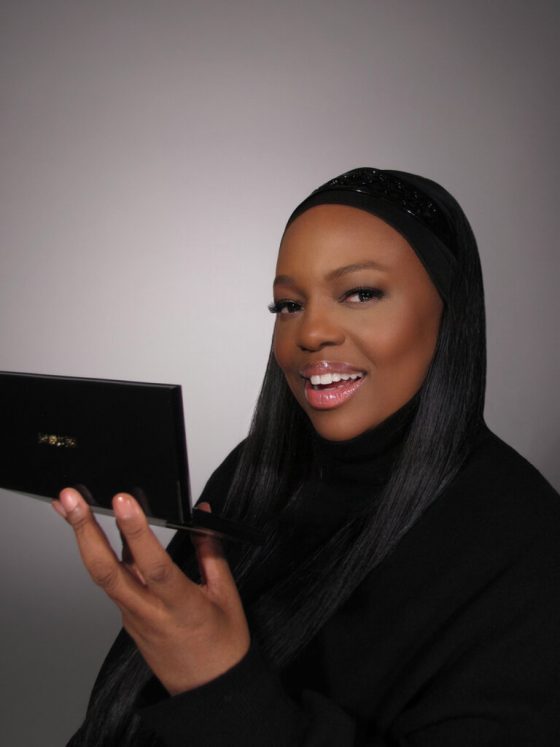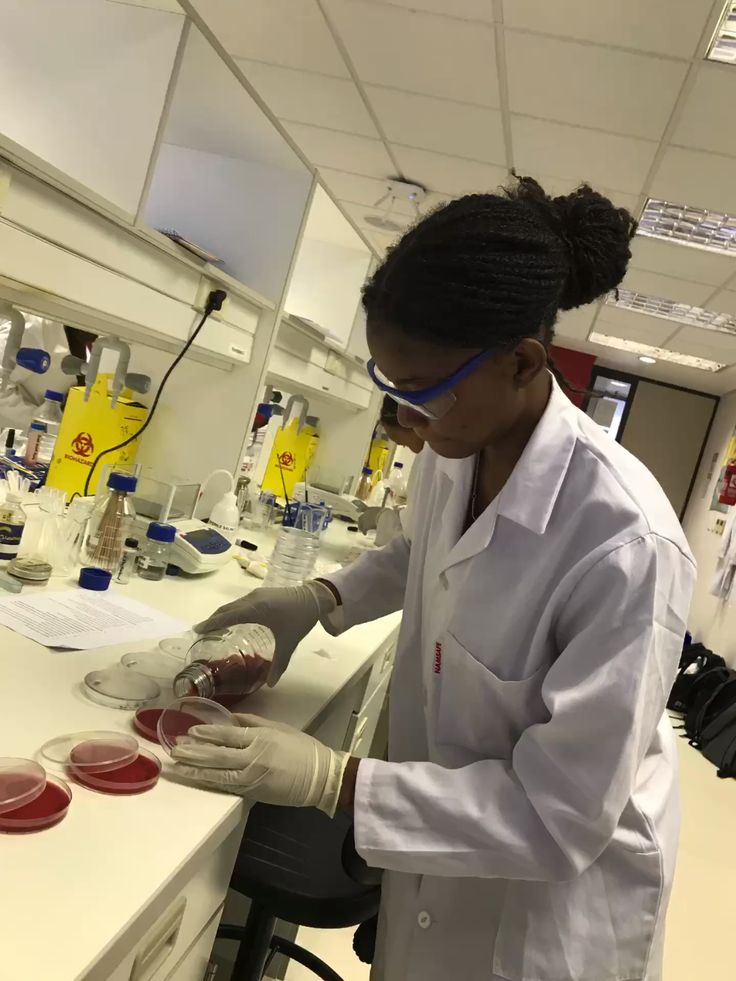
A new kind of luxury is under construction in a quiet formulation lab in Lagos, Accra, or Johannesburg. It does not begin with branding or trend forecasting. It starts with chemistry. Chemistry involves beakers, balances, raw materials, and a deep understanding of skin, hair, climate, and culture. African cosmetic chemists are stepping into global relevance, not as imitators of Western beauty science, but as authors of their narrative.
For decades, Africa supplied the world with raw materials and inspiration. Today, it supplies knowledge. The rise of African cosmetic chemists marks a shift from extraction to expertise, from tradition alone to tradition refined by science. This movement sits at the intersection of cultural craftsmanship, modern innovation, and a distinctly African approach to beauty that resonates far beyond the continent.
From laboratories in Lagos to global beauty stages, African cosmetic chemists blend science, culture and luxury, shaping sustainable innovation markets now.
A Market Demanding Precision, Not Assumptions
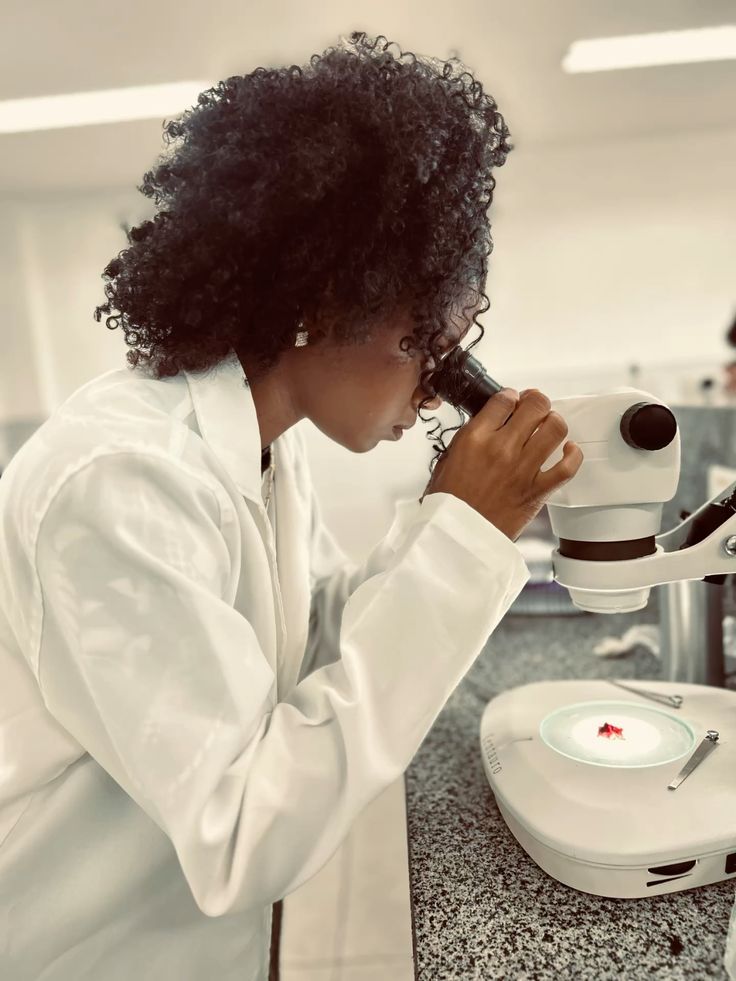
Africa’s beauty consumer is no longer underserved by choice but by history. Melanin-rich skin, textured hair, intense humidity, dust, and heat require formulations that are technically sound and locally intelligent. Imported products often fail not because they lack quality, but because they lack context.
African cosmetic chemists understand this reality intimately. Their work is grounded in real conditions and lived experience. Formulations are designed to perform under high heat, resist oxidation, maintain barrier function, and accommodate diverse hair textures. This scientific precision is reshaping trust in locally developed products and redefining performance standards.
Where Indigenous Knowledge Meets Modern Formulation
Africa’s beauty heritage is ancient. Shea butter, baobab oil, marula, moringa, and an oil-based black soap have been used for centuries. What is new is the method. Cosmetics chemists are stabilising these ingredients, testing their bioactivity, refining their extraction processes, and integrating them into globally compliant formulations.
This is not nostalgia. It is innovation rooted in evidence. By applying modern chemistry to indigenous resources, African scientists are transforming cultural knowledge into scalable, ethical luxury. The result is products that carry story, efficacy, and credibility in equal measure.
Read Also:
Professionalisation and Scientific Authority
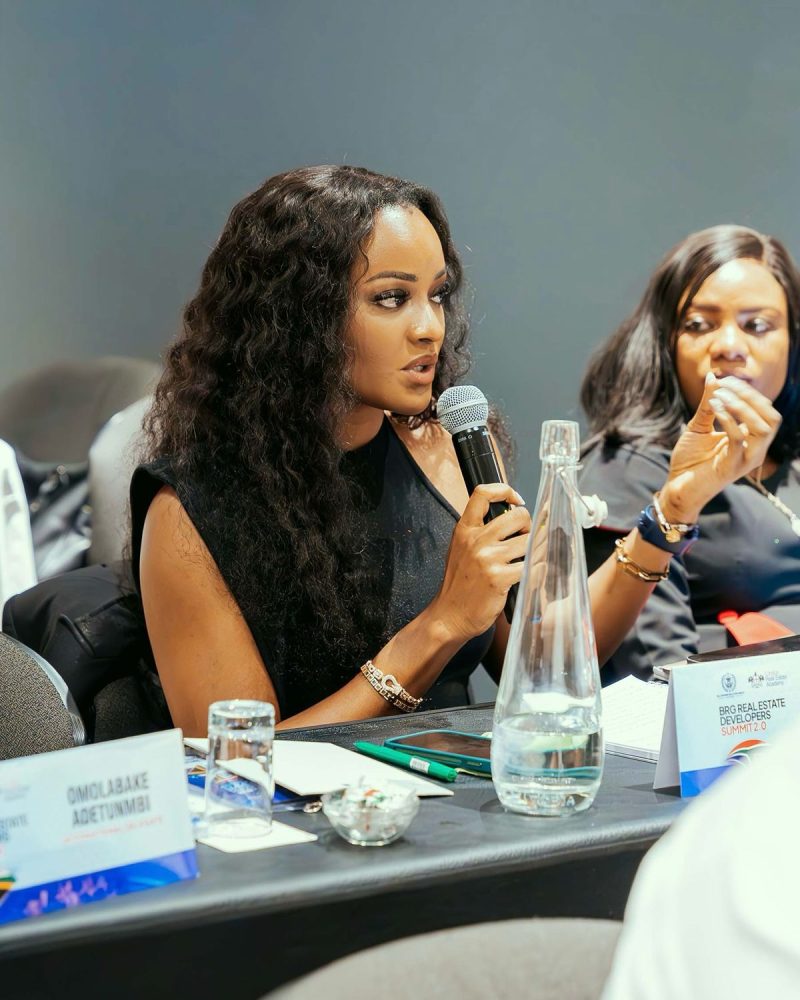
Professional bodies like the Nigerian Society of Cosmetic Chemists and established groups in Southern Africa have emerged, marking a significant shift in the field. Training, peer-reviewed research, and global affiliations have elevated cosmetic science from an informal formulation to a recognised scientific discipline on the continent.
This professionalisation strengthens consumers’ safety, regulatory compliance, and international confidence. It also positions African chemists as contributors to global cosmetic science, not just regional specialists. Their voices are increasingly present in conferences, journals, and multinational research collaborations.
Diaspora Influence and Cross-Cultural Fluency
Globally trained or diaspora-based, many African cosmetic chemists move fluidly between continents. This dual perspective provides a subtle advantage. They understand international standards, supply chains, and luxury expectations while remaining deeply connected to African identity and consumer needs.
This cross-cultural fluency allows African beauty science to translate globally without dilution. Products speak the language of Paris and New York but think in the rhythms of Lagos, Nairobi, and Dakar. It is a form of soft power, expressed through formulation.
Sustainability as Strategy, Not Marketing

Sustainability is not an afterthought in African cosmetic chemistry. Ethical sourcing, community-based ingredient supply, and waste-conscious production are often embedded by necessity and philosophy. Chemists are developing biodegradable systems, water-conscious formulations, and alternatives to harsh synthetic inputs.
In a global market increasingly wary of performative sustainability, this grounded approach carries weight. It reflects a long-standing relationship with land, resources, and community, refined through modern scientific accountability.
Conclusion
The rise of African cosmetic chemists is not a trend. It is a structural shift in how beauty is conceived, developed, and valued. These scientists are building a future where African beauty is not explained, simplified, or adapted for global acceptance. It stands complete on its own terms. Through science, cultural intelligence, and ethical innovation, African cosmetic chemists are shaping a new international standard. One where luxury is functional, heritage is validated by research, and beauty is designed with intention. The laboratory has become a cultural space, and Africa is no longer on the margins of cosmetic science. It is at the centre of its next chapter.
FAQs
- Who is a cosmetic chemist?
A cosmetic chemist formulates, tests, and improves beauty and personal care products using chemistry, biology, and safety science.
- Why are African cosmetic chemists gaining attention now?
Market growth, unmet local needs, professional training, and global interest in inclusive beauty have accelerated visibility and demand.
- How do African ingredients differ in cosmetic formulation?
They often offer high bioactivity and cultural relevance, but they require scientific stabilisation and testing to meet global standards.
- Are African cosmetic products globally compliant?
Yes. Many are developed to meet international safety and regulatory frameworks while addressing local conditions.
- What makes African cosmetic science distinct?
Its integration of cultural knowledge, climate awareness, ethical sourcing, and modern chemistry creates a uniquely informed approach to beauty innovation.