Menu
  • Fashion
    • Africa
    • Caribbean
    • Latin America
    • Trends
    • Street Style
    • Sustainable Fashion
    • Diaspora Connects
  • Culture
    • Textiles
    • Cultural Inspirations
    • Ceremony & Ritual
    • Art & Music
    • Cultural Inspirations
  • Designers
    • African Designers
    • Caribbean Designers
    • Latin American
    • Emerging Talent
    • Interviews
  • Beauty
    • Skincare
    • Makeup
    • Hair & Hairstyle
    • Fragrance
    • Beauty Traditions
  • Women
    • Women’s Style
    • Evening Glam
    • Workwear & Professional
    • Streetwear for Women
    • Accessories & Bags
    • Health & Wellness
  • Men
    • Men’s Style
    • Grooming Traditions
    • Traditional & Heritage
    • The Modern African Man
    • Menswear Designers
  • Diaspora
    • Diaspora Voices
    • UK Scene
    • US Scene
    • Caribbean Diaspora
    • Afro-Latino Identity
  • Industry
    • Strategy
    • Investment
    • Retail
    • Insights
    • Partnerships
  • News
    • Cover Stories
    • Fashion Weeks
    • Opinion & Commentary
    • Style Icons
    • Rising Stars
    • Editorial Intelligence
Subscribe
OMIREN STYLES OMIREN STYLES

Fashion · Culture · Identity

OMIREN STYLES OMIREN STYLES OMIREN STYLES OMIREN STYLES
  • Fashion
    • Africa
    • Caribbean
    • Latin America
    • Trends
    • Street Style
    • Sustainable Fashion
    • Diaspora Connects
  • Culture
    • Textiles
    • Cultural Inspirations
    • Ceremony & Ritual
    • Art & Music
    • Cultural Inspirations
  • Designers
    • African Designers
    • Caribbean Designers
    • Latin American
    • Emerging Talent
    • Interviews
  • Beauty
    • Skincare
    • Makeup
    • Hair & Hairstyle
    • Fragrance
    • Beauty Traditions
  • Women
    • Women’s Style
    • Evening Glam
    • Workwear & Professional
    • Streetwear for Women
    • Accessories & Bags
    • Health & Wellness
  • Men
    • Men’s Style
    • Grooming Traditions
    • Traditional & Heritage
    • The Modern African Man
    • Menswear Designers
  • Diaspora
    • Diaspora Voices
    • UK Scene
    • US Scene
    • Caribbean Diaspora
    • Afro-Latino Identity
  • Industry
    • Strategy
    • Investment
    • Retail
    • Insights
    • Partnerships
  • News
    • Cover Stories
    • Fashion Weeks
    • Opinion & Commentary
    • Style Icons
    • Rising Stars
    • Editorial Intelligence
  • Fashion

The Future of Luxury Modesty Fashion Trends in Africa for 2026

  • Faith Olabode
  • December 24, 2025
The Future of Luxury Modesty Fashion Trends in Africa for 2026
Total
0
Shares
0
0
0

Luxury modesty fashion in Africa is approaching its most inventive period yet. For 2026, the movement has progressed beyond simple religious needs to a forceful display of style, wealth, and cultural pride. Designers are combining classic silhouettes such as the Bubu and Abaya with high-fashion tailoring and avant-garde design. This “New Modesty” is distinguished by voluminous textiles, rich jewel tones, and artisan craftsmanship that respects African history while meeting global luxury standards.

Explore the top trends in luxury modesty fashion in Africa for 2026. From sculptural abayas by AbayaLagos to the vibrant hand-woven silks of Andrea Iyamah, discover the new standard of elegant, covered style.

The Rise of Architectural Modesty
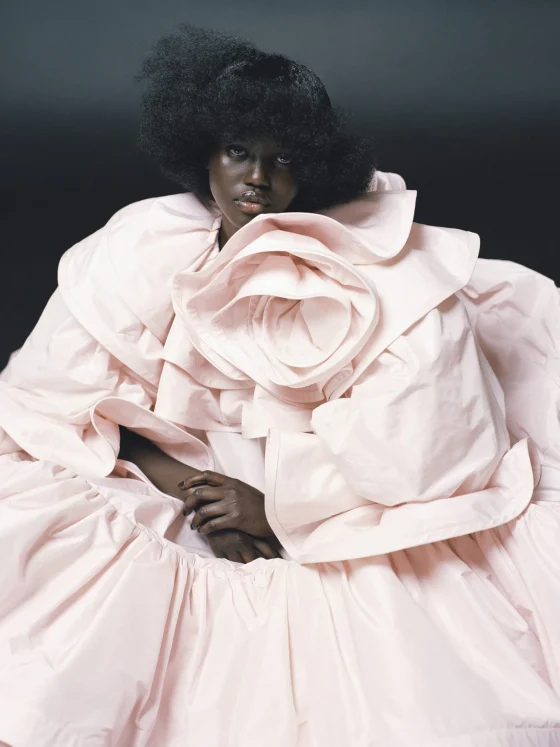
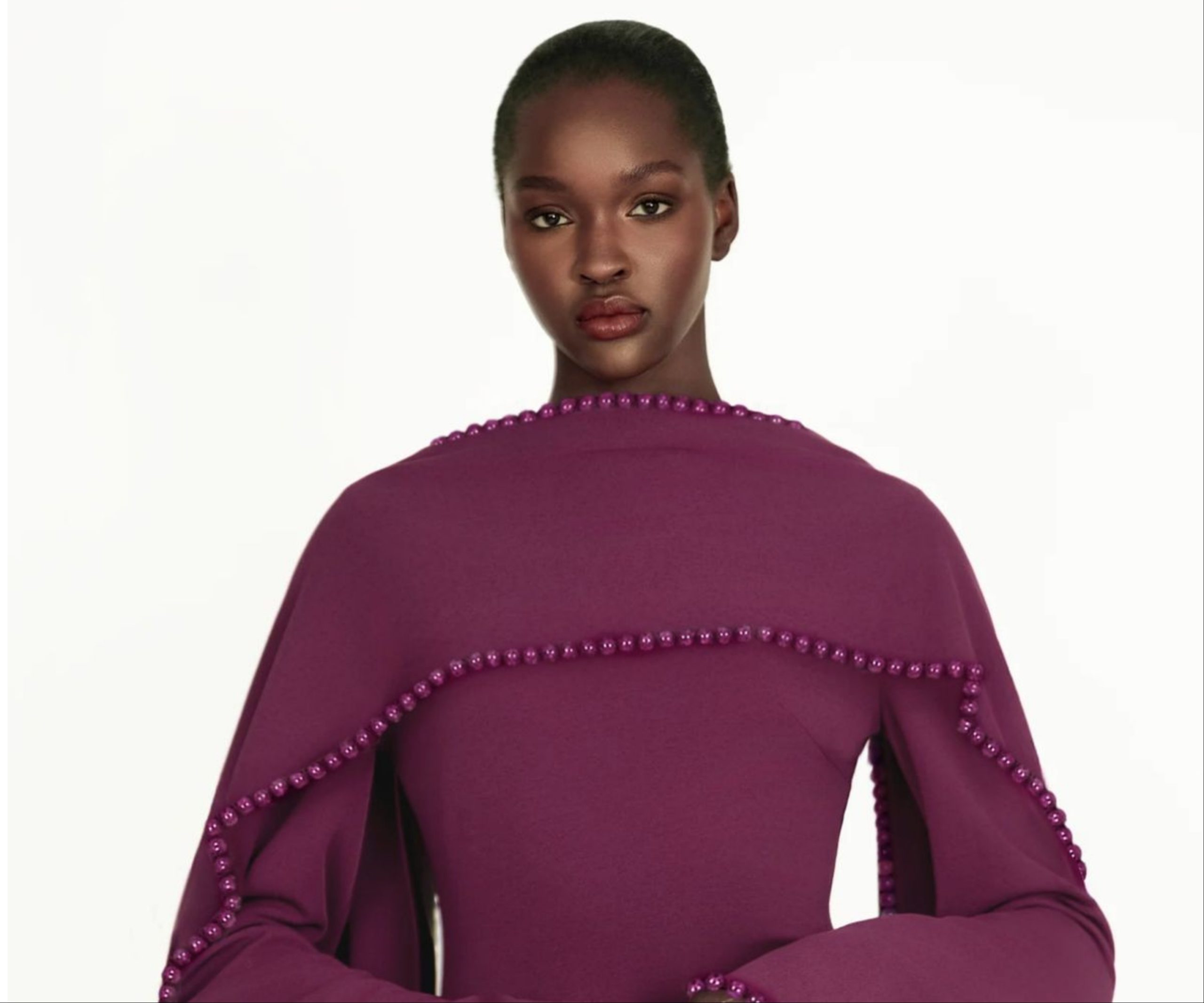
A sculptural and architectural luxury abaya by a top African designer, representing the move toward structured modest fashion in 2026.

The 2026 season is characterised by its structure. Modesty no longer means “hidden”; rather, it means “sculpted”. Designers are employing rigid, high-quality textiles to create distinctive shapes.

  • Sculptural Abayas: AbayaLagos is leading the way in redesigning the traditional abaya with structured shoulders and metallic elements. These items function more as “evening coats” than traditional robes.
  • Modern Bubu Variations: The Bubu is being enhanced with rich silk and internal boning. Andrea Iyamah is a well-known designer in this field, noted for her use of architectural forms and vivid, custom-printed textiles that provide full coverage while maintaining a high-fashion aesthetic.
  • High-Neck Power Dressing: Look for Victorian-inspired high collars combined with wide-leg trousers. Amsale and Deola Sagoe are significant influences in this area, emphasising “Komole” lace and silks that produce a regal, covered form.

The Jewel Tone and Artisan Movement

Colour is a key feature of African luxury, and in 2026, the palette is expected to shift toward deep, brilliant jewel tones. These colours provide a sense of maturity and high taste.

  • The New Year’s Colour Palette: Deep emerald green, royal sapphire, and burnt ochre. These colours look especially spectacular in fabrics like velvet and thick satin, which catch the light on evening occasions.
  • Hand-Woven Textures: Cynthia Abila and Nkwo prioritise “slow luxury.” Their 2026 lines include hand-woven cottons and repurposed denim, which provide full coverage while communicating a story about sustainability and artisan skill.
  • Ornate Detailing: In 2026, humility revolves around the “finish”. Hand-sewn beading and 3D flower appliqués will lend weight and substance to maxi dresses and long-line coats.

ALSO READ:

  • The New Face of Modesty: Modern Abaya and Hijab Trends in Northern Nigeria
  • The Modest Revolution: Redefining Street Fashion Through Hausa Aesthetics

The Versatile “Abaya-Gown” Hybrid

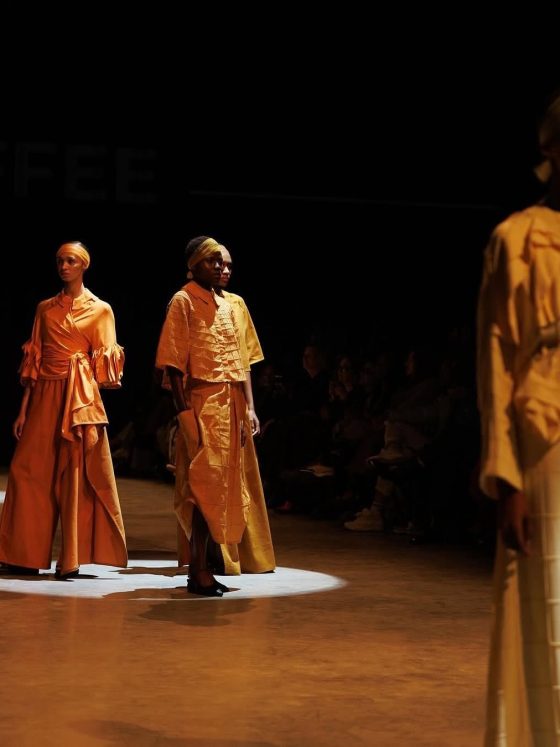
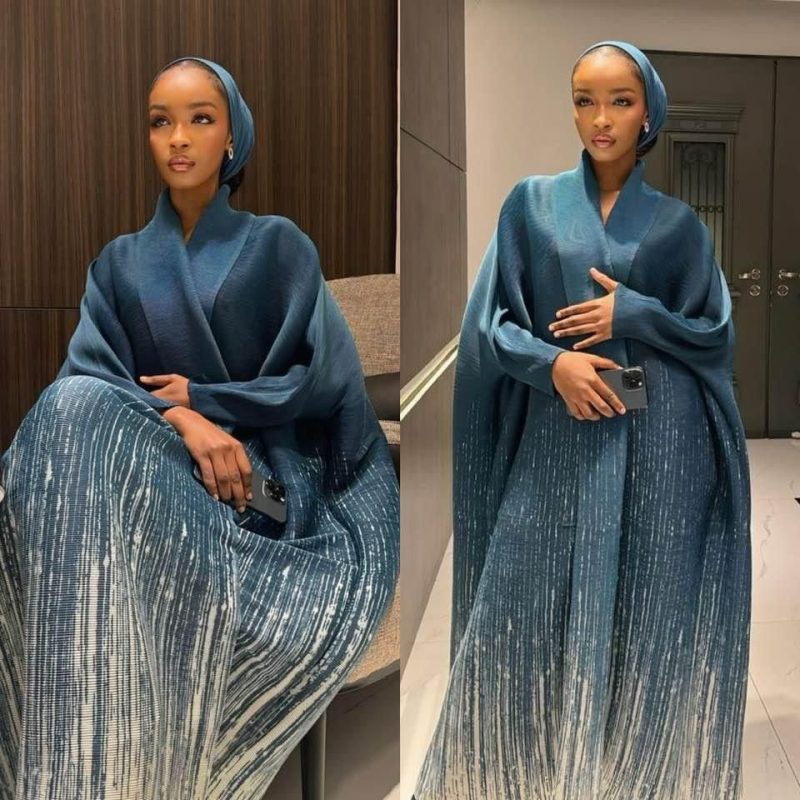
A woman in a luxury emerald green structured abaya, showcasing the 2026 modesty fashion trends in Africa.

As the wedding and gala seasons approach in 2026, the Abaya-Gown is the ideal transitional garment. It combines the simplicity of a wrap with the drama of a ballgown.

  • Two-in-One Luxury: Designers such as Pistis Ghana create “Nuance” collections with detachable capes and floor-length vests. A woman can wear a sleek, modest base dress with a spectacular, hand-beaded layer for the major event.
  • Modest Co-ords: Long tunics combined with wide-leg silk pants are becoming the “new suit” for affluent African women. Brands like Amina Zaid Studio are mastering this look with rich damask fabrics and simple cuts.
  • The “Luminous” Ramadan Look: In 2026, the emphasis during festive occasions such as Ramadan and Eid is on Cinematic Modesty, using translucent layers over solid silk slips to produce a light, ethereal, and entirely reverent look.

Conclusion

Luxury modesty fashion in Africa for 2026 celebrates the “Modern African Matriarch.” It is a style that commands respect with its volume, colour, and flawless tailoring. African women are demonstrating that being “covered” is the ultimate fashion power move by supporting firms that invest in hand-woven fabrics and architectural design. In 2026, luxury isn’t about how much skin is exposed; it’s about the quality of the tale the fabric tells.

African fashion is redefining modesty with sharp lines and rich artisan textures. To see the full guide on luxury modesty fashion trends in Africa for 2026, visit Omiren Styles.

Frequently Asked Questions (FAQs)

1. Who are the top African designers for luxury modest wear?

Key designers include AbayaLagos (Nigeria) for luxury abayas, Andrea Iyamah (Nigeria) for structured silhouettes, and Pistis Ghana (Ghana) for high-end modest bridal and evening wear.

2. What fabric should I look for in 2026?

Look for heavy silks (Mikado or Faille) and hand-woven African textiles like Aso-Oke or Kente. These fabrics provide the structure needed for the 2026 architectural look.

3. Can modest fashion be colourful?

Absolutely. While neutrals are classic, 2026 is all about jewel tones. Emerald green and sapphire blue are the trendiest ways to wear modest luxury in the coming year.

Post Views: 567
Total
0
Shares
Share 0
Tweet 0
Pin it 0
Related Topics
  • African Luxury Fashion
  • Contemporary African Style
  • Modest Fashion Trends
Avatar photo
Faith Olabode

faitholabode91@gmail.com

You May Also Like
View Post
  • Caribbean

Carnival Fashion vs Everyday Caribbean Style: The Gap the Media Has Never Closed

  • Ayomidoyin Olufemi
  • May 15, 2026
View Post
  • Caribbean

Havana Streetwear: Vintage Economy, Son Culture, and Afrocentric Self-Expression

  • Fathia Olasupo
  • May 15, 2026
What Addis Ababa's Street Style Owes to Its Fashion Week — and What It Doesn't
View Post
  • Street Style

What Addis Ababa’s Street Style Owes to Its Fashion Week — and What It Doesn’t

  • Rex Clarke
  • May 14, 2026
View Post
  • Caribbean

The Guayabera Is Not Resort Wear: Cuba’s Dress Shirt and What It Has Always Been Saying

  • Ayomidoyin Olufemi
  • May 14, 2026
View Post
  • Caribbean

Vodou Dress and Symbolism: What Haitian Spiritual Clothing Carries and Communicates

  • Fathia Olasupo
  • May 14, 2026
Mas, Cloth, and Meaning: The Textile and Costume Traditions Behind Trinidad’s Carnival
View Post
  • Caribbean

Mas, Cloth, and Meaning: The Textile and Costume Traditions Behind Trinidad’s Carnival

  • Fathia Olasupo
  • May 13, 2026
Sustainable Fashion in Ghana: Upcycling, Craftsmanship, and the Future of African Design
View Post
  • Sustainable Fashion

Sustainable Fashion in Ghana: Upcycling, Craftsmanship, and the Future of African Design

  • Philip Sifon
  • May 12, 2026
Haitian Fashion Designers and the Couture System the Western Industry Has Never Named
View Post
  • Caribbean

Haitian Fashion Designers and the Couture System the Western Industry Has Never Named

  • Ayomidoyin Olufemi
  • May 12, 2026

Leave a Reply Cancel reply

Your email address will not be published. Required fields are marked *

The Omiren Argument

African fashion and culture are not emerging. They are foundational. We document, interpret, and argue for the full cultural weight of African and diaspora dress. With precision. Without apology.

Omiren Styles Fashion · Culture · Identity

All 54 African Nations
Caribbean · Afro-Latin America
The Global Diaspora

Platform

  • About Omiren Styles
  • Our Vision
  • Our Mission
  • Editorial Pillars
  • Editorial Policy
  • The Omiren Collective
  • Campus Style Initiative
  • Sustainable Style
  • Social Impact & Advocacy
  • Investor Relations

Contribute

  • Write for Omiren Styles
  • Submit Creative Work
  • Join the Omiren Collective
  • Campus Initiative
Contact
contact@omirenstyles.com
Our Reach

Africa — All 54 Nations
Caribbean
Afro-Latin America
Global Diaspora

African fashion intelligence, in your inbox.

Editorial features, designer profiles, cultural commentary. No noise.

© 2026 Omiren Styles — Rex Clarke Global Ventures Limited. All rights reserved.
  • Privacy Policy
  • Editorial Policy
  • Terms of Use
  • Accessibility
Africa · Caribbean · Diaspora
The Omiren Argument

African fashion and culture are not emerging. They are foundational. We document, interpret, and argue for the full cultural weight of African and diaspora dress. With precision. Without apology.

Omiren Styles Fashion · Culture · Identity
  • About Omiren Styles
  • Our Vision
  • Our Mission
  • Editorial Pillars
  • Editorial Policy
  • The Omiren Collective
  • Campus Style Initiative
  • Sustainable Style
  • Social Impact & Advocacy
  • Investor Relations
  • Write for Omiren Styles
  • Submit Creative Work
  • Join the Omiren Collective
  • Campus Initiative
Contact contact@omirenstyles.com

All 54 African Nations · Caribbean
Afro-Latin America · Global Diaspora

African fashion intelligence, in your inbox.

Editorial features, designer profiles, cultural commentary. No noise.

© 2026 Omiren Styles
Rex Clarke Global Ventures Limited.
All rights reserved.

  • Privacy Policy
  • Editorial Policy
  • Terms of Use
  • Accessibility
Africa · Caribbean · Diaspora

Input your search keywords and press Enter.