Menu
  • AFRICA
    • African Fashion
    • African Designers
    • Textiles & Craft
    • Heritage Clothing
    • Made in Africa
    • Regional Style
  • DIASPORA
    • Diaspora Voices
    • Diaspora Connects
    • UK Scene
    • US Scene
    • Caribbean Diaspora
    • Afro-Latino Identity
    • Migration & Identity
  • CULTURE
    • Style & Identity
    • Ceremony & Ritual
    • Art & Music
    • Cultural Inspirations
    • Black Culture
    • Heritage Stories
  • FASHION
    • Trends
    • Street Style
    • Runway
    • Sustainable Fashion
    • Tailoring
    • Luxury Fashion
  • INDUSTRY
    • Editorial Intelligence
    • Market Trends
    • Brand Strategy
    • Retail & Commerce
    • Partnerships
    • Reports
    • Insights
  • BEAUTY
    • Skincare
    • Makeup
    • Hair & Hairstyle
    • Fragrance
    • Beauty Traditions
    • Natural Beauty
  • MEN
    • Men’s Style
    • Grooming Traditions
    • Traditional & Heritage
    • The Modern African Man
    • Menswear Designers
  • WOMEN
    • Women’s Style
    • Evening Glam
    • Workwear & Professional
    • Streetwear for Women
    • Accessories & Bags
    • Bridal
  • NEWS
    • Cover Stories
    • Fashion Weeks
    • Opinion & Commentary
    • Style Icons
    • Rising Stars
  • DIRECTORY
    • Designers
    • Brands
    • Boutiques
    • Stylists
    • Models
    • Photographers
    • Creative Teams
    • Events
    • Production
    • Materials & Suppliers
Omiren Magazine Partner With Us Advertise Style Index
Subscribe
OMIREN STYLES OMIREN STYLES

Fashion · Culture · Identity

OMIREN STYLES OMIREN STYLES OMIREN STYLES OMIREN STYLES
  • AFRICA
    • African Fashion
    • African Designers
    • Textiles & Craft
    • Heritage Clothing
    • Made in Africa
    • Regional Style
  • DIASPORA
    • Diaspora Voices
    • Diaspora Connects
    • UK Scene
    • US Scene
    • Caribbean Diaspora
    • Afro-Latino Identity
    • Migration & Identity
  • CULTURE
    • Style & Identity
    • Ceremony & Ritual
    • Art & Music
    • Cultural Inspirations
    • Black Culture
    • Heritage Stories
  • FASHION
    • Trends
    • Street Style
    • Runway
    • Sustainable Fashion
    • Tailoring
    • Luxury Fashion
  • INDUSTRY
    • Editorial Intelligence
    • Market Trends
    • Brand Strategy
    • Retail & Commerce
    • Partnerships
    • Reports
    • Insights
  • BEAUTY
    • Skincare
    • Makeup
    • Hair & Hairstyle
    • Fragrance
    • Beauty Traditions
    • Natural Beauty
  • MEN
    • Men’s Style
    • Grooming Traditions
    • Traditional & Heritage
    • The Modern African Man
    • Menswear Designers
  • WOMEN
    • Women’s Style
    • Evening Glam
    • Workwear & Professional
    • Streetwear for Women
    • Accessories & Bags
    • Bridal
  • NEWS
    • Cover Stories
    • Fashion Weeks
    • Opinion & Commentary
    • Style Icons
    • Rising Stars
  • DIRECTORY
    • Designers
    • Brands
    • Boutiques
    • Stylists
    • Models
    • Photographers
    • Creative Teams
    • Events
    • Production
    • Materials & Suppliers
  • Style & Identity

Soft Strength: Redefining Feminine Power in Contemporary Women’s Style

  • Ayomidoyin Olufemi
  • December 24, 2025
Soft Strength: Redefining Feminine Power in Contemporary Women’s Style
Total
0
Shares
0
0
0

What if power didn’t need to raise its voice to be felt?

What if strength could arrive quietly, carried in posture rather than presence, in restraint rather than display, in intention rather than excess?

Today, feminine power is no longer expressed through exaggeration or spectacle. It is revealed in how women choose silhouette over statement, control over noise, and precision over performance. Authority is no longer worn loudly. It is worn with ease.

This evolution is not about rejecting softness, nor is it about borrowing traditional definitions of power. It is about understanding that elegance, clarity, and self-possession can coexist with strength.

In contemporary women’s style, power is no longer proven.

It is assumed.

This is soft strength.

Soft strength is redefining women’s style, where power is expressed through restraint, clarity, and elegance rather than volume or excess.

When Femininity Stopped Needing Permission
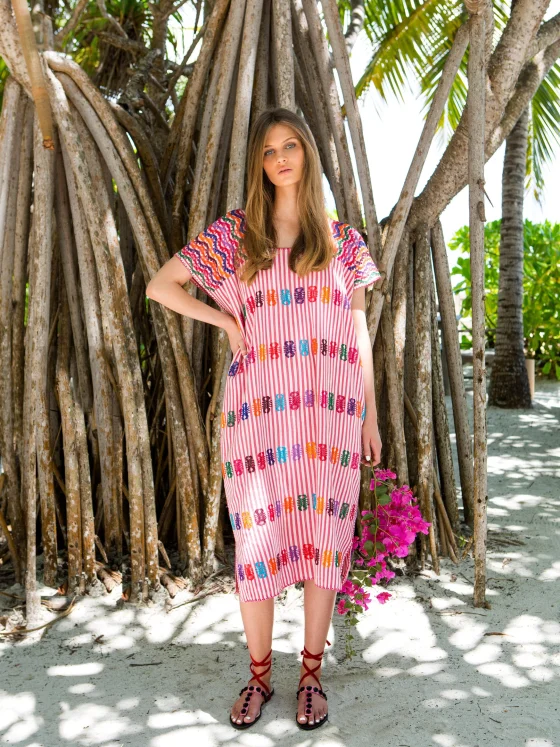
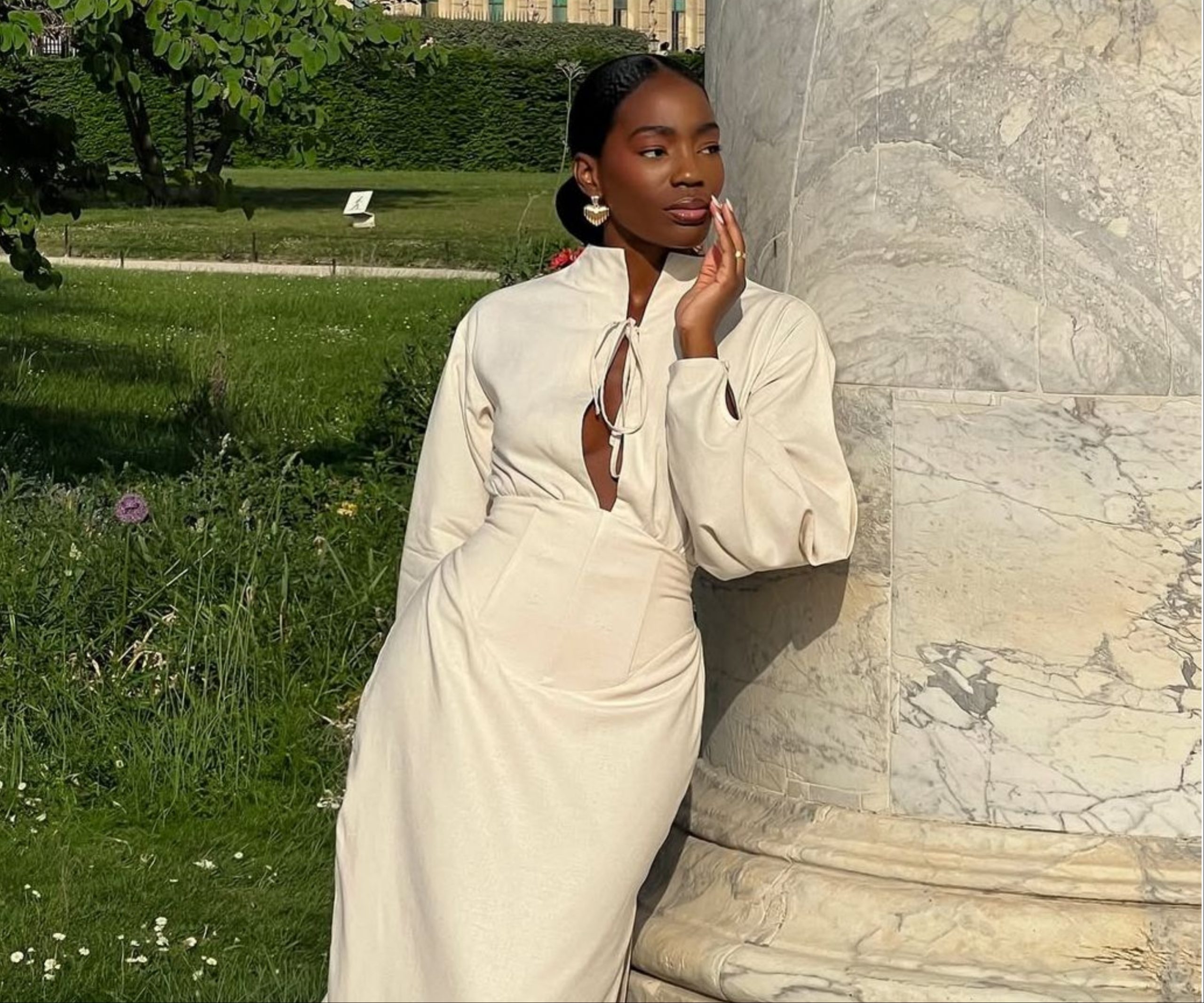
Soft strength is reshaping contemporary women’s style, redefining feminine power through fluid silhouettes, subtle confidence, and modern fashion expression.

For decades, women’s fashion was asked to explain itself.

Too soft meant unserious Too strong meant unfeminine. Too expressive meant distracting.

That tension shaped how women dressed, especially in public-facing spaces. Clothing became a negotiation rather than a choice.

What is shifting now is not rebellion, but release.

Women are no longer dressing to counter assumptions. They are dressing according to self-definition. Style has moved away from defence and towards alignment. Femininity is no longer something to balance against power. It is one of its sources.

Softness, when chosen, is not weakness. It is confidence without friction.

Style as Controlled Presence

Contemporary feminine power shows up in how clothes hold space.

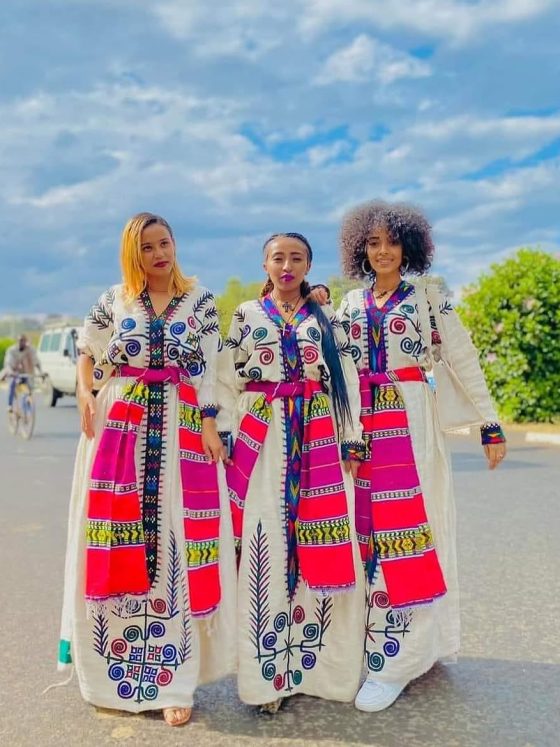
Silhouettes are intentional. Fabrics are fluid but structured. Tailoring is relaxed without being careless. Colour palettes are calm, earthy, muted, or deliberately restrained. Nothing fights for attention.

This style of language values composure over spectacle.

A woman dressed in this way does not dominate a room through volume. She anchors it. Her presence feels settled. Her fashion choices feel considered rather than reactive.

Strength here is not about being seen everywhere. It is about being unmistakable where it matters.

The Aesthetic of Quiet Authority
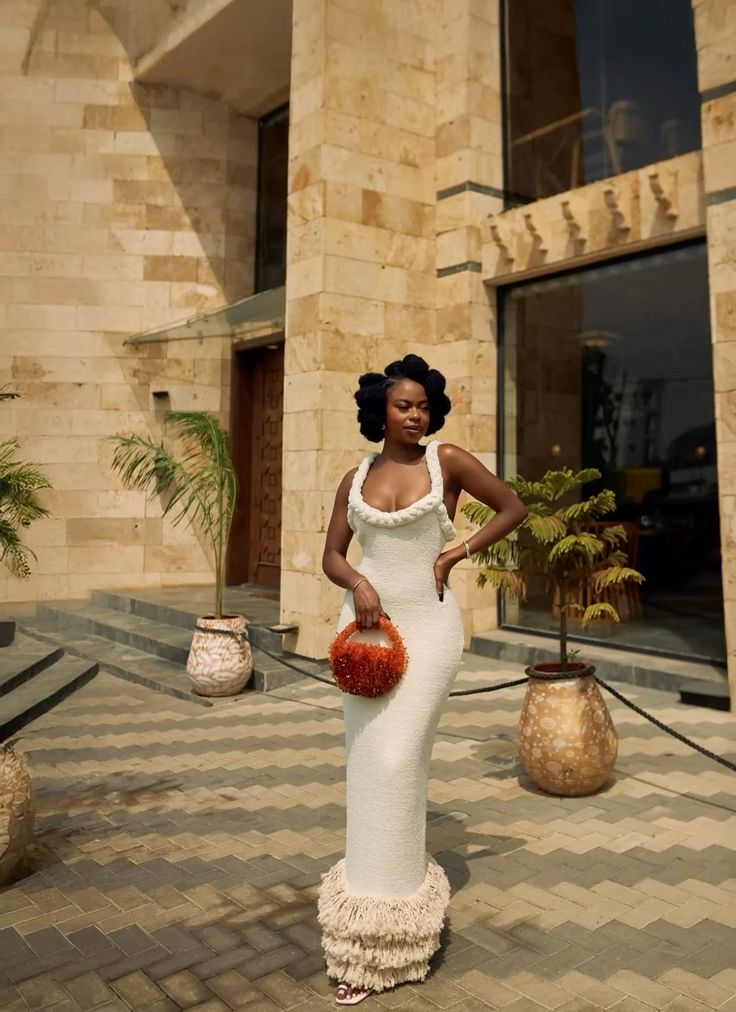
The Aesthetic of Quiet Authority

What defines this moment in women’s style is not a single look, but a shared sensibility.

There is a preference for pieces that move with the body rather than restrict it. For garments that suggest confidence without instruction. For styling that feels lived-in, not curated for applause.

This aesthetic understands that power does not require sharpness at all times. It allows for ease It will enable softness. It allows for nuance.

Fashion becomes less about statement-making and more about coherence.

And coherence reads as authority.

READ ALSO:

  • Everyday Style Upgrades Every Woman Needs: Effortless Glam for the Modern Woman
  • Women’s Sportswear Trends Shaping African Fashion in 2025
  • How African Women Are Redefining Power Dressing Through Cultural Fashion

Femininity Without Performance

One of the most significant shifts happening now is the reclaiming of femininity from performance.

There is less emphasis on proving strength and more emphasis on embodying it. Clothing choices are no longer driven by the need to counter stereotypes or meet expectations. They are guided by comfort, clarity, and self-trust.

This attitude allows femininity to breathe.

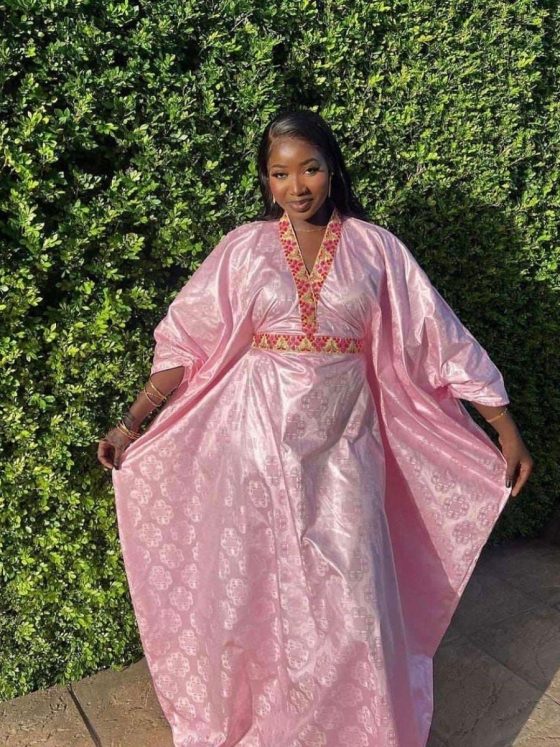
Soft fabrics, open silhouettes, subtle detailing, and natural movement are no longer read as vulnerability. They are read as control. They are now perceived as a matter of choice. As a presence.

Power, in this context, becomes something felt rather than declared.

Modern women are prioritising their own style in their dressing choices.

The most compelling style moments today are not designed for an audience.

They are worn for workdays that stretch beyond schedules. For conversations that matter. For movement between personal and professional worlds without costume changes.

Clothing is expected to adapt, not perform.

This is why versatility matters more than trend, why issues of texture matter more than logos. Why fit matters more than flash.

Women are building wardrobes that support real lives. Style has become a tool for stability rather than spectacle.

That shift alone is decisive.

Strength That Evolves, Not Competes
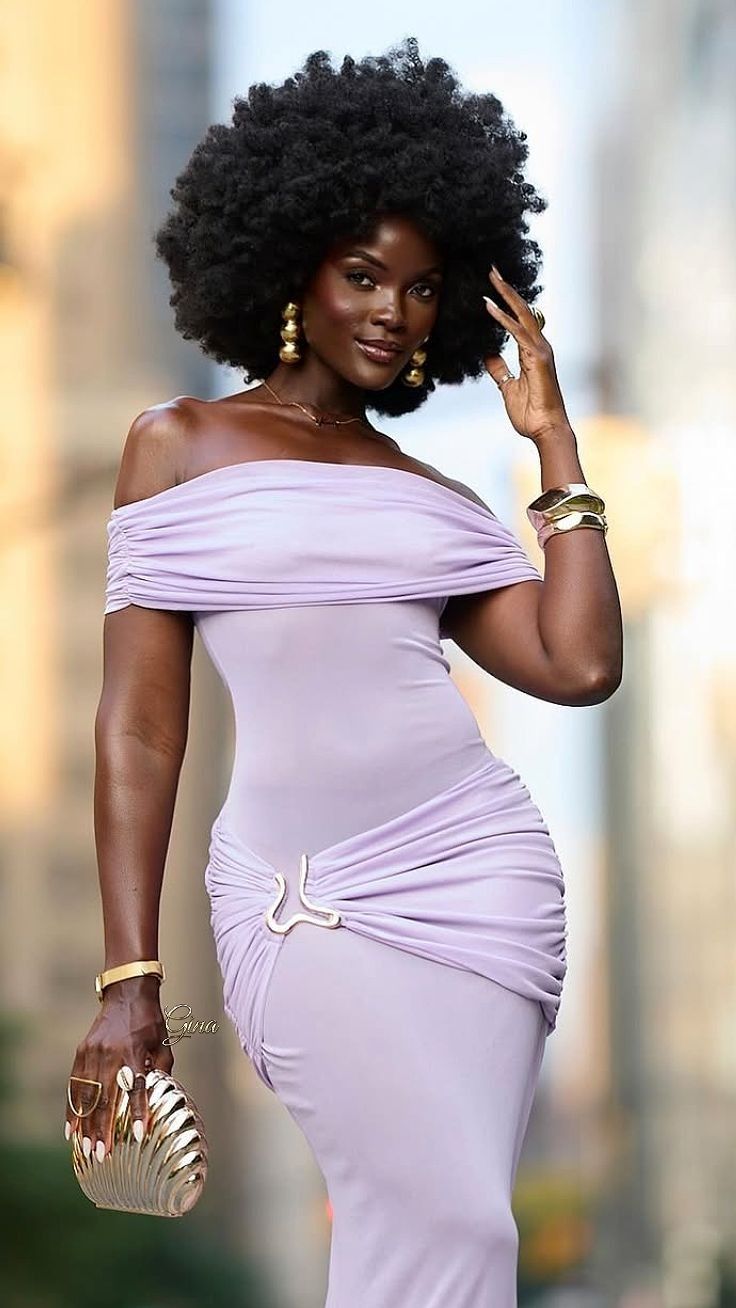
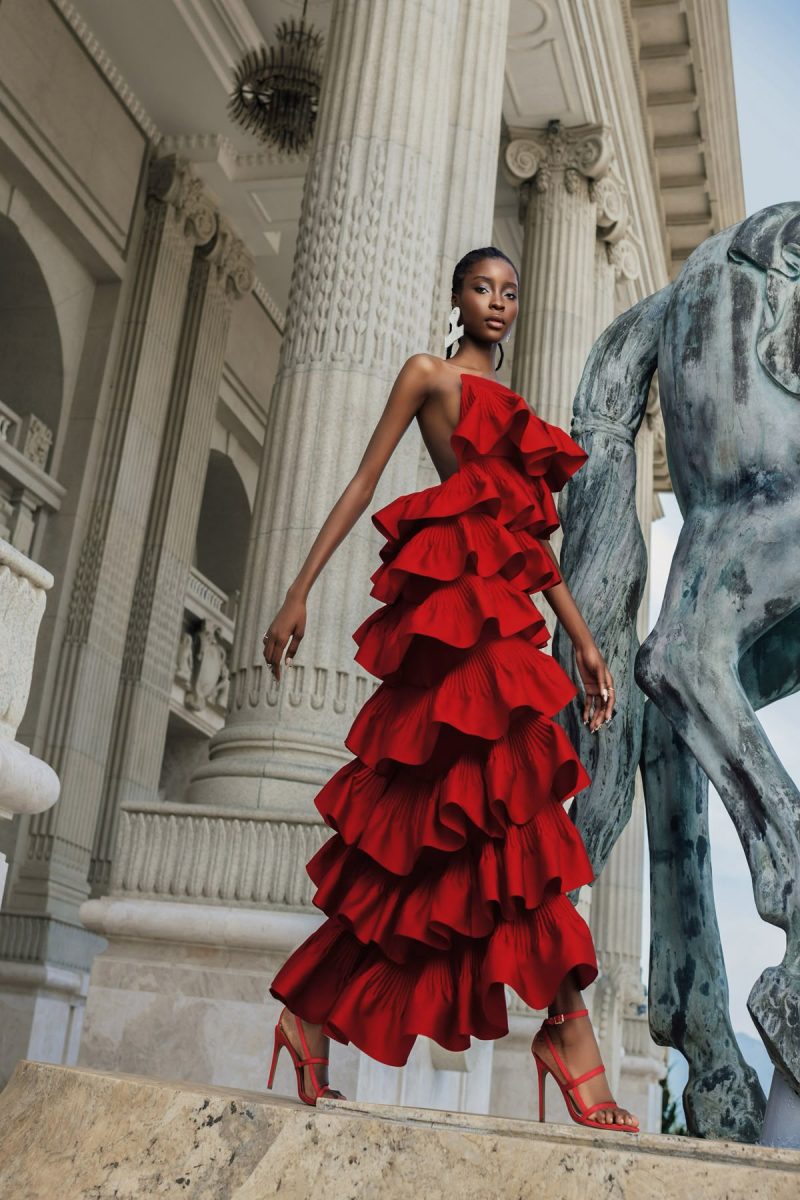
Strength That Evolves, Not Competes

What makes this expression of feminine power sustainable is that it does not rely on opposition.

It does not position softness against strength, tradition against modernity, or femininity against authority. It allows these qualities to coexist without tension.

This is not a moment of disruption. It is a moment of maturity.

Women’s style is no longer trying to arrive somewhere. It is already there.

Why This Moment in Style Matters

Fashion often reflects where society is headed before language catches up.

This shift toward soft strength signals something larger. This shift signals a broader redefinition of success. There is a shift in the definition of ambition. There is a realisation that power does not have to be exhausting to be effective.

Women dressing this way are not opting out of influence. They are choosing how it looks, how it feels, and how it moves through their lives.

Style becomes an extension of inner alignment.

And that alignment is unmistakable.

Soft strength should be viewed as a legacy rather than a trend.
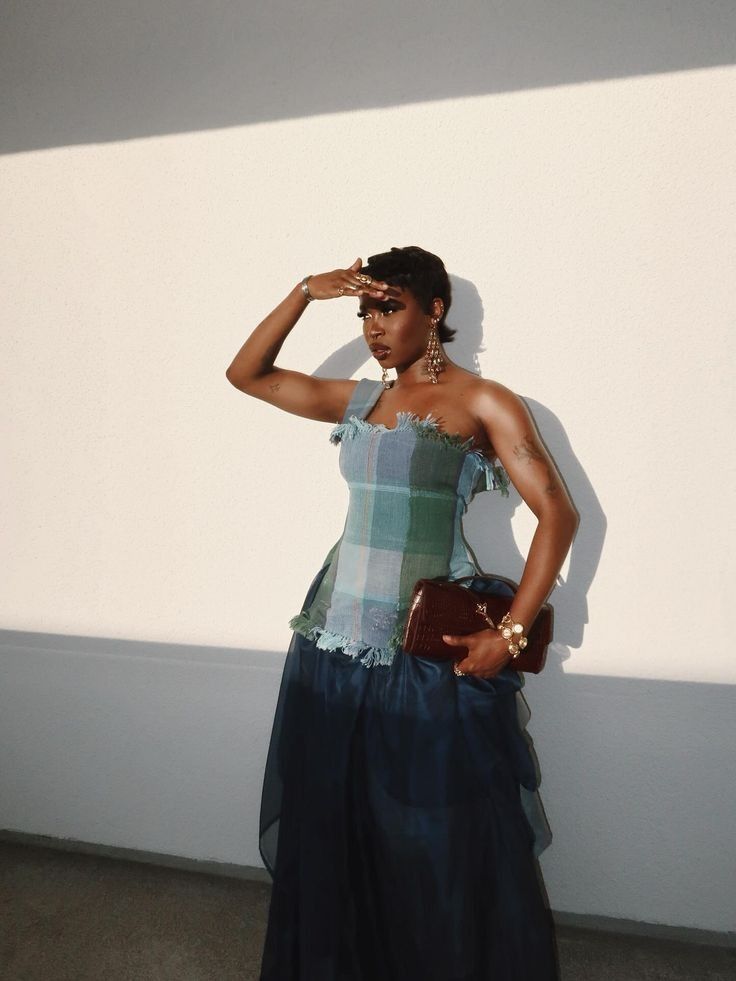
Strength That Evolves, Not Competes

Trends change over time. This does not feel like one.

What is emerging now is a lasting approach to how women occupy space. This approach prioritises self-awareness over performance. This approach prioritises presence over pressure—confidence over confrontation.

Soft strength is not a contradiction. It is a refinement.

And in contemporary women’s style, it is quietly reshaping how power is seen, worn, and remembered.

FAQs

  • What does “soft strength” mean in women’s style?

It refers to an expression of power rooted in restraint, self-awareness, and intentional presentation rather than spectacle.

  • Is soft strength about minimalism?

Not necessarily. It is about precision and control, whether expressed through simplicity or considered detail.

  • How does fashion communicate power without loud statements?

Fashion communicates power through elements such as silhouette, tailoring, posture, and coherence, rather than relying on trend-driven excess.

  • Why is this shift resonating now?

This is because visibility no longer equates to authority, and confidence no longer demands performance.

  • Is soft strength a trend or a lasting shift?

It reflects a bigger cultural change in how women define presence, influence, and self-possession.

Post Views: 543
Total
0
Shares
Share 0
Tweet 0
Pin it 0
Related Topics
  • Fashion and Identity
  • Modern Feminine Style
  • Women’s Fashion Culture
Avatar photo
Ayomidoyin Olufemi

ayomidoyinolufemi@gmail.com

You May Also Like
Umushanana Rwanda: Gusaba Ceremony, Kigali Bridal Boutiques, and Modern Bridalwear
View Post
  • Style & Identity

Umushanana Rwanda: Gusaba Ceremony, Kigali Bridal Boutiques, and Modern Bridalwear

  • Philip Sifon
  • July 14, 2026
Izikhothane: Soweto Skhothane Subculture, Designer Destruction, and Rehumanisation
View Post
  • Style & Identity

Izikhothane: Soweto Skhothane Subculture, Designer Destruction, and Rehumanisation

  • Ayomidoyin Olufemi
  • July 14, 2026
African Women Power Dressing: Rethinking Authority, Offices and Public Space Through Fashion
View Post
  • Style & Identity

African Women Power Dressing: Rethinking Authority, Offices and Public Space Through Fashion

  • Fathia Olasupo
  • July 10, 2026
Fashion History Through African Women’s Wardrobes: Cabinets, Trunks and Family Archives
View Post
  • Style & Identity

Fashion History Through African Women’s Wardrobes: Cabinets, Trunks and Family Archives

  • Fathia Olasupo
  • July 9, 2026
Body, Fitness and Silhouette: Reimagining the Male Form in Contemporary African Menswear
View Post
  • Style & Identity

Body, Fitness and Silhouette: Reimagining the Male Form in Contemporary African Menswear

  • Fathia Olasupo
  • July 7, 2026
African Royal Dress Is Not Decoration. It Is Governance.
View Post
  • Style & Identity

African Royal Dress Is Not Decoration. It Is Governance.

  • Ayomidoyin Olufemi
  • July 3, 2026
How African Immigrants Dress for Job Interviews in the West — and the Impossible Calculation
View Post
  • Style & Identity

How African Immigrants Dress for Job Interviews in the West — and the Impossible Calculation

  • Philip Sifon
  • June 30, 2026
What You Pack When You Leave: The Clothes African Migrants Carry and What They Mean
View Post
  • Style & Identity

What You Pack When You Leave: The Clothes African Migrants Carry and What They Mean

  • Philip Sifon
  • June 29, 2026

Leave a Reply Cancel reply

Your email address will not be published. Required fields are marked *

The Omiren Argument

African fashion and culture are not emerging. They are foundational. We document, interpret, and argue for the full cultural weight of African and diaspora dress. With precision. Without apology.

Omiren Styles Fashion · Culture · Identity

All 54 African Nations
Caribbean · Afro-Latin America
The Global Diaspora

Platform

  • About Omiren Styles
  • Our Vision
  • Our Mission
  • Editorial Pillars
  • Editorial Policy
  • The Omiren Collective
  • Campus Style Initiative
  • Sustainable Style
  • Social Impact & Advocacy
  • Investor Relations

Contribute

  • Write for Omiren Styles
  • Submit Creative Work
  • Join the Omiren Collective
  • Campus Initiative
Contact
contact@omirenstyles.com
Our Reach

Africa — All 54 Nations
Caribbean
Afro-Latin America
Global Diaspora

African fashion intelligence, in your inbox.

Editorial features, designer profiles, cultural commentary. No noise.

© 2026 Omiren Styles — Rex Clarke Global Ventures Limited. All rights reserved.
  • Privacy Policy
  • Editorial Policy
  • Terms of Use
  • Accessibility
Africa · Caribbean · Diaspora
The Omiren Argument

African fashion and culture are not emerging. They are foundational. We document, interpret, and argue for the full cultural weight of African and diaspora dress. With precision. Without apology.

Omiren Styles Fashion · Culture · Identity
  • About Omiren Styles
  • Our Vision
  • Our Mission
  • Editorial Pillars
  • Editorial Policy
  • The Omiren Collective
  • Campus Style Initiative
  • Sustainable Style
  • Social Impact & Advocacy
  • Investor Relations
  • Write for Omiren Styles
  • Submit Creative Work
  • Join the Omiren Collective
  • Campus Initiative
Contact contact@omirenstyles.com

All 54 African Nations · Caribbean
Afro-Latin America · Global Diaspora

African fashion intelligence, in your inbox.

Editorial features, designer profiles, cultural commentary. No noise.

© 2026 Omiren Styles
Rex Clarke Global Ventures Limited.
All rights reserved.

  • Privacy Policy
  • Editorial Policy
  • Terms of Use
  • Accessibility
Africa · Caribbean · Diaspora

Input your search keywords and press Enter.

Newsletter Subscribe

Join Our Community

Get exclusive access to new collections, special offers, and style inspiration.