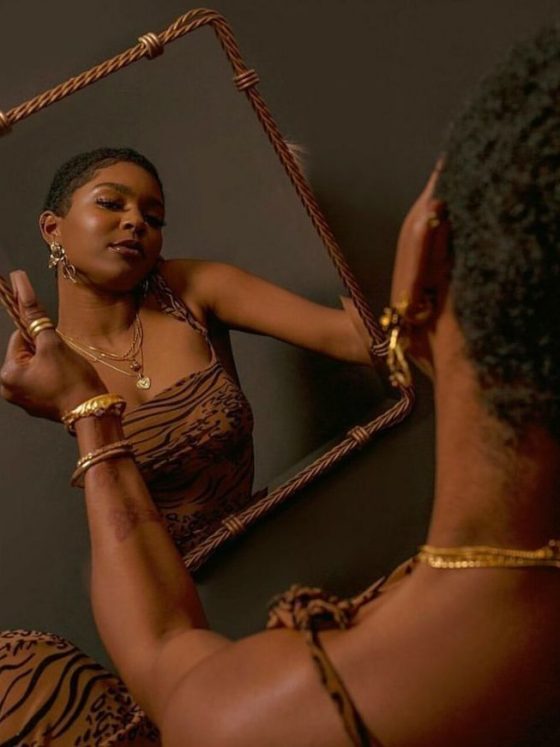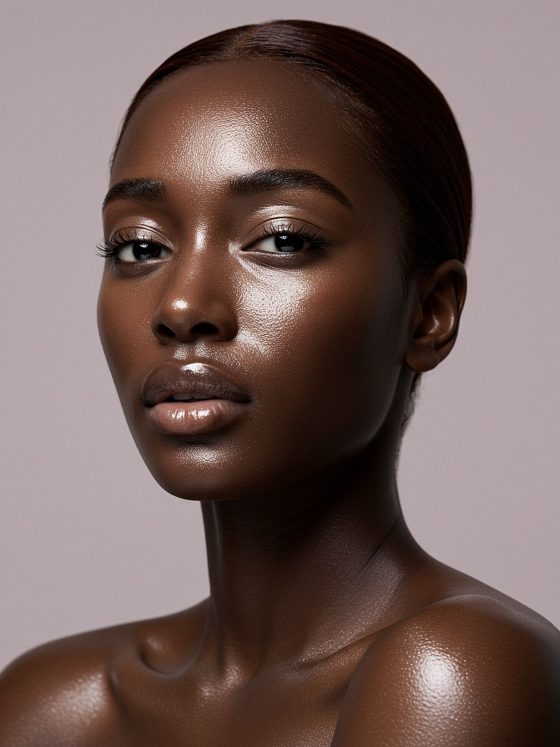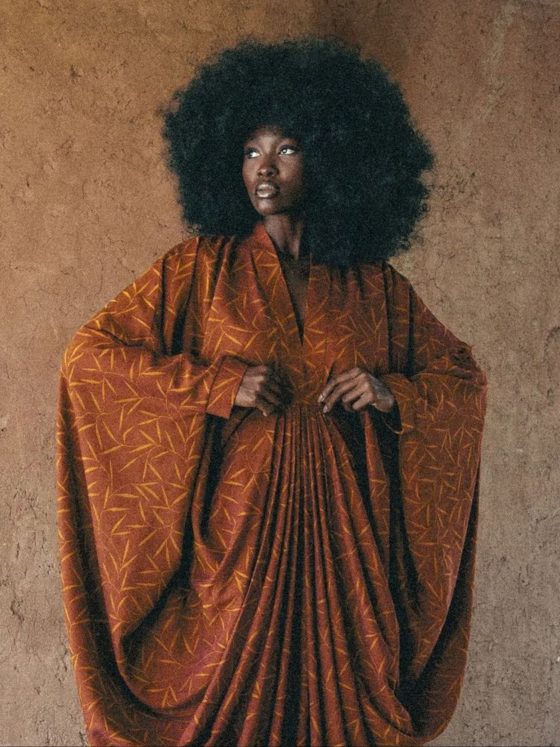
K Beauty did not travel the world alone. Dialogue shaped its global evolution, ensuring it arrived polished, precise, and deeply rooted in Korean cultural philosophy. One of the most influential voices in that dialogue has been Black culture. From diaspora-led beauty critique to visual storytelling on digital platforms, Black creators reframed how K-beauty was tested, understood, and ultimately redesigned for a global audience. This influence is not loud or extractive. It is intentional. It sits at the intersection of cultural craftsmanship, lived experience, and modern luxury values. What emerged is a more expansive beauty language, one that now speaks across continents, skin tones, and cultural histories.
From ancestral rituals to modern runways, African tribal makeup inspires haute beauty through craftsmanship, ethics, and global luxury narratives today
K-beauty’s early global appeal rested on discipline and detail. Skincare rituals were elevated into lifestyle practices. Packaging reflected restraint. Formulation emphasises longevity over immediacy. Yet this precision came with limits. As K-Beauty entered African and diasporic markets, Black consumers and creators encountered products that were elegant yet incomplete. Cushion foundations vanished into undertones they were never designed to meet. Sunscreens left visible residue. Marketing narratives excluded lived realities beyond East Asia.
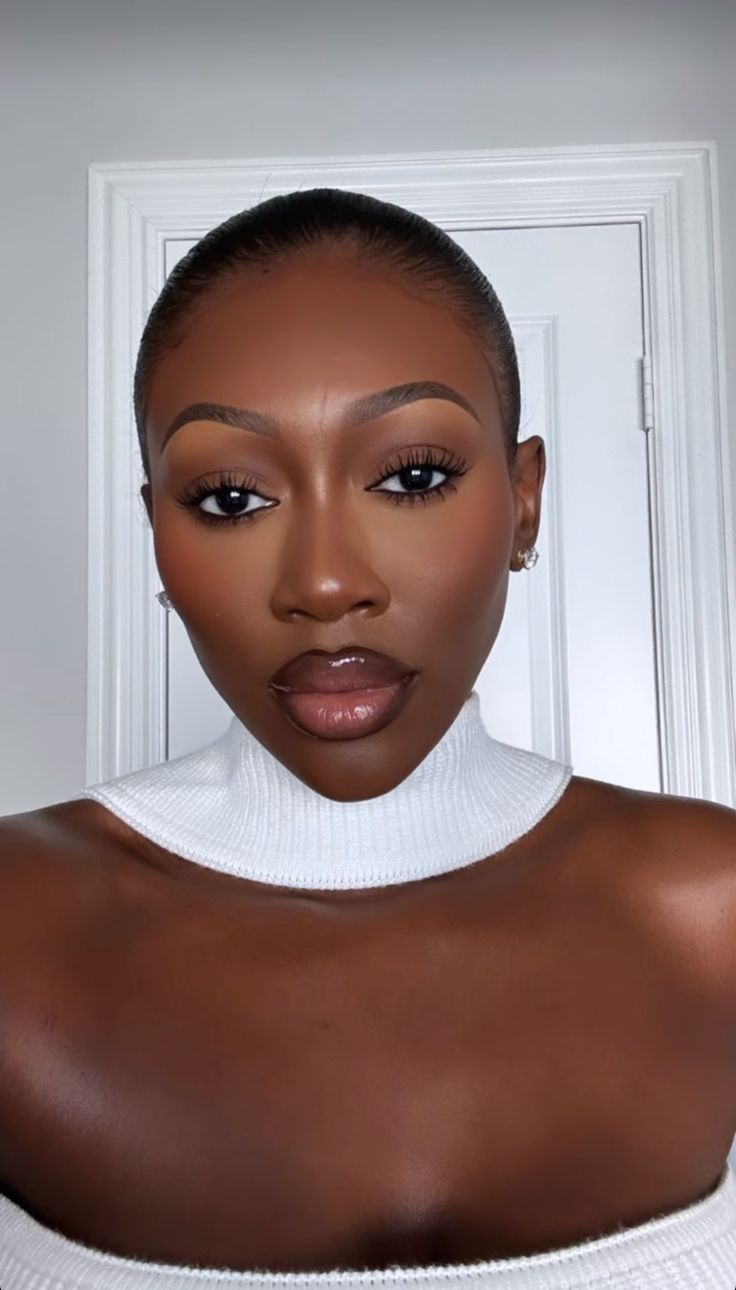
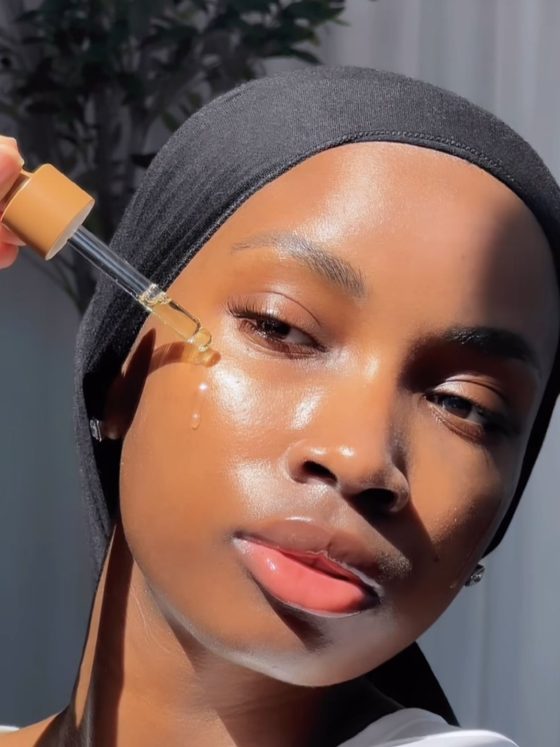
Black creators responded not with rejection, but with translation. Through reviews, visual tests, and thoughtful critique, they reframed K Beauty products within broader global contexts. These creators became cultural interpreters, assessing texture, oxidation, wear, and finish on melanin-rich skin. Their content was not spectacular. It was applied knowledge, grounded in experience. This work mirrored African traditions of craftsmanship, where value lies in function, adaptation, and communal feedback. As engagement grew, brands listened. Not out of charity, but because the data was undeniable. Diaspora audiences were purchasing, reviewing, and reshaping perception at scale. Shade expansions followed. Undertone science became more precise. Product development cycles shifted from homogeneity to range. This evolution reflects a broader luxury recalibration, where modern prestige is defined by relevance rather than exclusivity.
The Black influence on K Beauty also expanded beyond formulation into aesthetics. Visual language changed. Campaigns became more textural, more expressive. Beauty was no longer framed as uniform clarity but as dimensional presence. This aligns closely with African visual philosophy, where adornment, skin, and self-presentation are layered with meaning. Beauty is not neutrality. It is narrative.
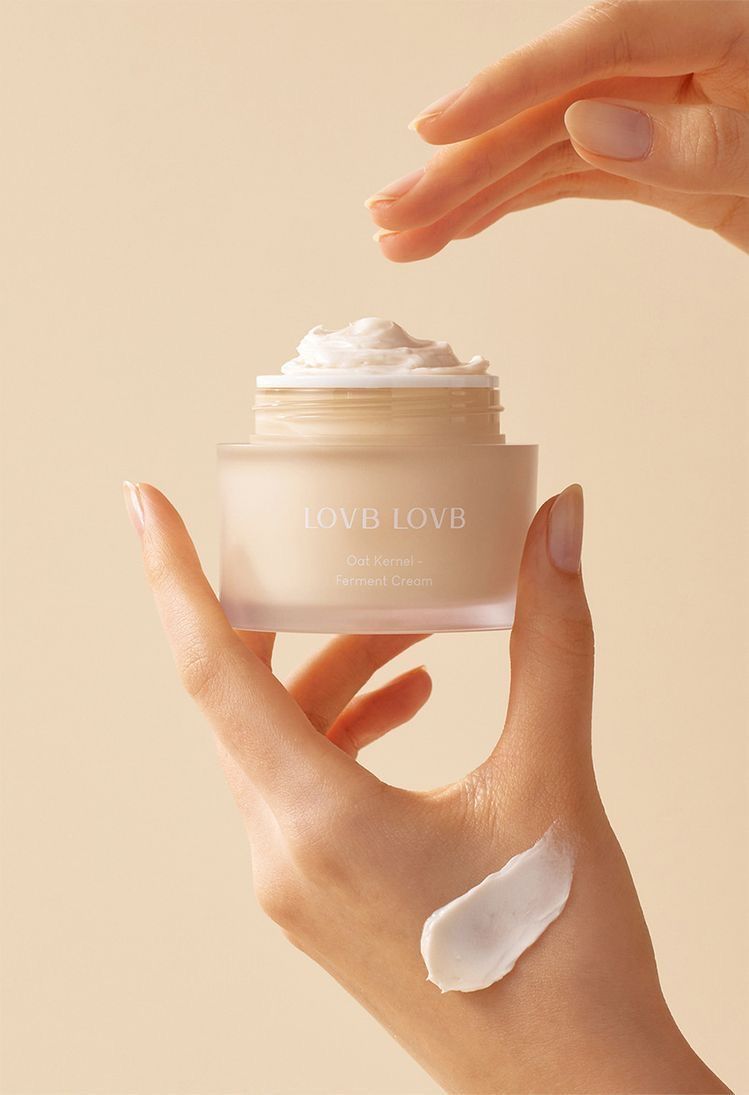
Fashion and beauty have always been intertwined. As Korean brands absorbed global feedback, they also absorbed the rhythms of Black style culture. The rise of experimental makeup, bold lip tones, and expressive skin finishes echoes long-standing Black beauty traditions. These elements, once dismissed as niche, are now recast as editorial, refined, and aspirational. This shift signals a deeper cultural exchange, not imitation but mutual influence.
Sustainability further anchors this transformation. African beauty traditions emphasise reuse, ritual, and respect for materials. As K Beauty faces global scrutiny over overproduction and waste, it is increasingly adopting refill systems, minimalist packaging, and ingredient transparency. These choices align with ethical luxury principles that resonate strongly with younger African and diasporic consumers, who value intention over excess. Diaspora influence is central here. Black creators navigating multiple cultural spaces understand how identity moves. They bring African sensibilities into Korean frameworks, then translate those hybrids back to global audiences. This circulation creates new standards. Beauty becomes less about origin and more about integrity. Less about trend and more about longevity.
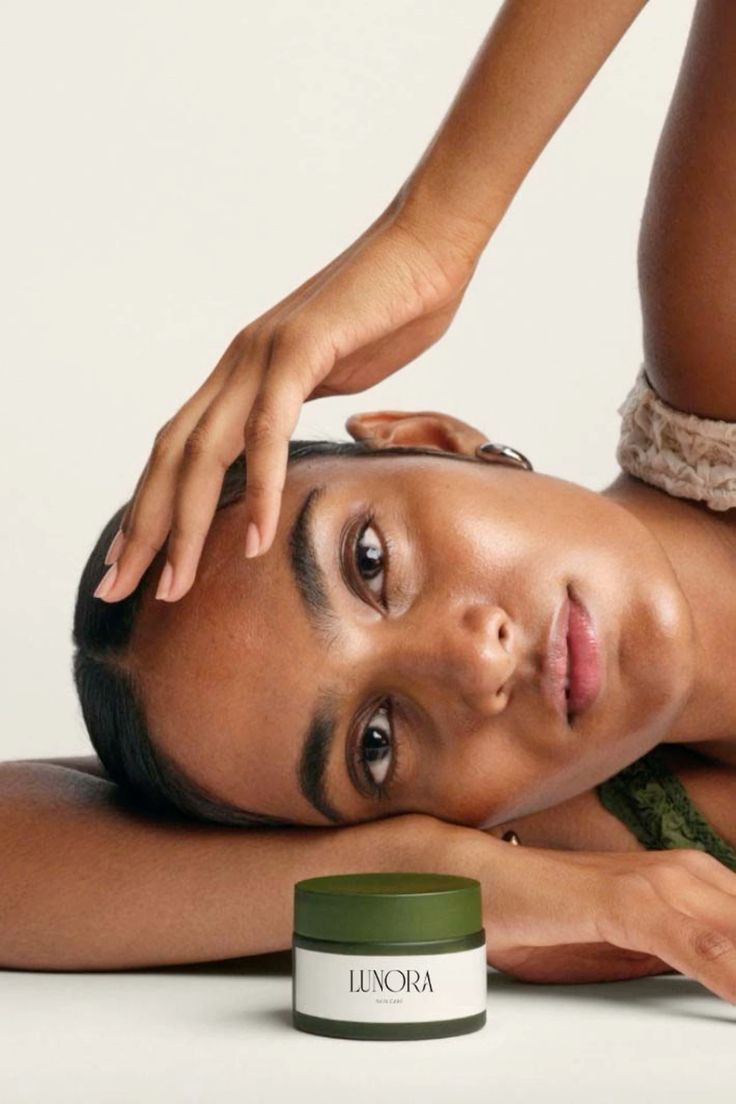
What emerges is a quiet restructuring of power. Black influence is no longer peripheral commentary. It is integrated into product design, brand storytelling, and global rollout strategies. This influence respects Korean cultural roots while insisting on expansion. It proves that global luxury does not dilute identity. It sharpens it.
Conclusion
The Black influence on K-beauty is not just a passing trend. It is a process of refinement. Through cultural insight, visual intelligence, and ethical pressure, Black creators and consumers have helped reposition K-beauty as a truly global practice. It emphasises craftsmanship, listens to diverse cultures, and adapts without losing its essence. This exchange reflects a future in which African and diasporic perspectives are not added for diversity optics but are embedded as essential drivers of modern beauty. The result is a more intelligent, more sustainable, and more resonant global aesthetic.
5 FAQs
- How did Black creators influence K Beauty brands directly?
Through consistent product testing, visual documentation, and public critique that highlighted performance gaps and market opportunities, leading to formulation and shade expansions.
- Is K Beauty suitable for melanin-rich skin?
Many skincare products are effective across skin tones. Makeup suitability has improved significantly due to expanded shade ranges and undertone research influenced by global consumers.
- Does this influence the risk of cultural dilution?
No. When done through collaboration and respect, cross-cultural exchange strengthens identity rather than erasing it.
- Why is the African diaspora important in global beauty trends?
Diaspora communities act as cultural bridges, translating aesthetics across regions while maintaining historical and cultural continuity.
- What does modern luxury mean in this context?
Modern luxury prioritises function, inclusivity, sustainability, and narrative depth over exclusivity and excess.