Food is more than sustenance. In the world’s most resonant dining rooms, it becomes memory and meaning, pleasure and precision. It is also becoming a language of experience, one that blends local ingredients and global techniques, stories, and styles. In these spaces, cooking becomes a performance, hospitality becomes choreography, and every course signals intention.
This is not casual eating. This is fine dining in its most elevated form; an encounter between taste, craft and culture.
What follows is a portrait of remarkable kitchens, visionary chefs and restaurants whose reputations travel far beyond borders because they are defining a new chapter of culinary excellence.
Explore Africa’s most compelling luxury restaurants where world-class cuisine, visionary chefs and unforgettable dining experiences shape the continent’s global culinary footprint.
A Culinary Landscape Shaped by Vision and Atmosphere
Luxury dining in Africa today is not an imitation of trends elsewhere. It is a conversation between place and palate, where local soils and seasonal cycles inform menus without confinement. Restaurants now balance indigenous produce with refined technique, combining age-old crops with modern execution on the plate.
Climate, history and geography play roles in shaping menus. Mountain regions bring herbs and cool-climate greens, coastal zones offer ocean freshness with spice blends and citrus brightness, and savannah plains yield game and aromatic grasses that shift with wind and rain.
Crucially, chefs and restaurateurs are not simply cooking. They are curating experiences They think in terms of courses that tell stories and drinks that frame dialogues. They link food with design, architecture and ambience so that a visit becomes a memory, not simply another meal.
The Culinary Spaces Setting New Standards

-
The Test Kitchen, Cape Town, South Africa
Often cited on global lists as one of the world’s most influential restaurants, The Test Kitchen, led for years by Chef Luke Dale-Roberts, is synonymous with culinary innovation on the continent. The space itself feels like a laboratory of taste, where flavour combinations are intellectually and emotionally playful yet disciplined.
What makes it distinct
The Test Kitchen built its reputation on curiosity. Tasting menus change with markets and seasons, often referencing indigenous South African ingredients but reinterpreting them through global techniques. Dining here is a multi-course journey, with textures and temperatures that surprise in elegant sequences.
Food is paired not just with wine but with thoughtful commentary, and the space balances polished service with a sense of discovery. It is both a destination and a statement, a place where fine dining is as much about learning as it is about pleasure.
What to expect
Expect lengthy tasting menus, refined plating, and courses that shift between savoury intensity and delicate nuance. The wine list is extensive, with South African estates paired deliberately to accent each dish’s mood.
-
La Colombe, Cape Town, South Africa
La Colombe is another extraordinary expression of Cape Town’s high gastronomic culture. Located on Silvermist Wine Estate, the restaurant elevates French-inspired technique with seasonal South African ingredients to create refined plates that are visually striking and intensely flavourful.
What makes it distinct
Here, the culinary signature is balance—restraint paired with depth of flavour. Dishes often spotlight terroir, where ingredients such as wild herbs, seafood, and game are presented with a focus on texture and simplicity rather than elaboration. The result feels quiet yet powerful, intimate yet grand.
The setting also contributes. Overlooking vineyards and valleys, the natural light and minimalist interior offer a calm canvas for the food itself to shine.
What to expect
Guests can choose from tasting menus that pivot with harvest seasons, each course a meditation on ingredient integrity. The wine pairing programme reflects the best of South African estates, bringing cohesion to the meal.
-
Restaurant Mosaic at The Orient, Johannesburg, South Africa
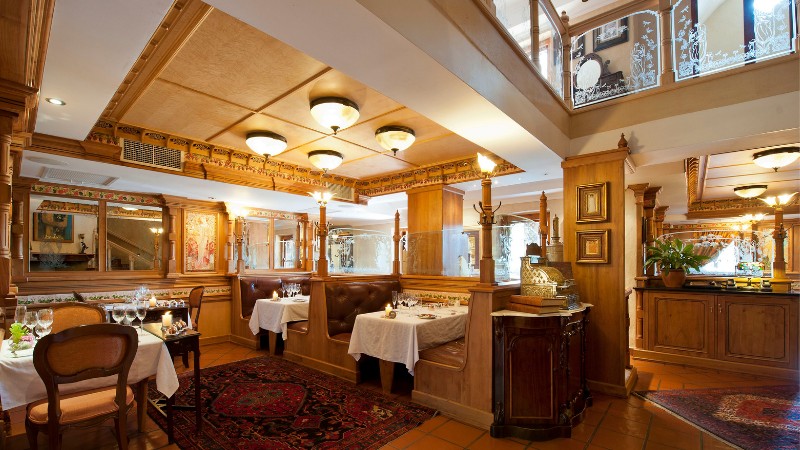
Restaurant Mosaic brings a different vibe: it is intense, theatrical and deeply rooted in technique while being unashamedly luxurious. Under the direction of Chef Reuben Riffel, the restaurant is a benchmark for fine dining in Johannesburg and a reference point for contemporary kitchen style across the region.
What makes it distinct
Mosaic’s strength lies in precision and storytelling. Courses are arranged like movements in a symphony, each theme building a larger narrative. Classical technique underpins every plate, yet the flavours speak clearly of soil, season and aspiration.
Service here feels orchestrated, with every gesture timed and every pour intentional. It is no surprise that both international guests and local gourmets circulate through this dining room with reverence.
What to expect
Expect elaborate tasting menus that span multiple seating experiences. The interior design, with warm woods and ambient lighting, feels like a sophisticated setting for a celebration of culinary craft.
-
Tatu, Nairobi, Kenya
Tatu, located within the Tribe Hotel in Nairobi, combines contemporary global cuisine with African influences in a setting that marries modern design and convivial energy. The restaurant focuses on bold flavours, creative plating, and an environment that is both polished and approachable.
What makes it distinct
Unlike some tasting-only rooms, Tatu balances high culinary standards with approachable formats. In this space, local ingredients like fresh greens, grilled proteins, and bespoke sauces meet international techniques without pretence.
The restaurant’s aesthetic reflects Nairobi’s cosmopolitan rhythm, with clean lines, texture play, and artful lighting that create a mood that bridges fine dining with social ease.
What to expect
Expect a mix of à la carte and curated menus that celebrate fresh produce, grilled ingredients, unique desserts, and imaginative cocktails. The wine and beverage programme complements the kitchen’s intent.
-
The Ocean Basket Cellar, Cape Town, South Africa
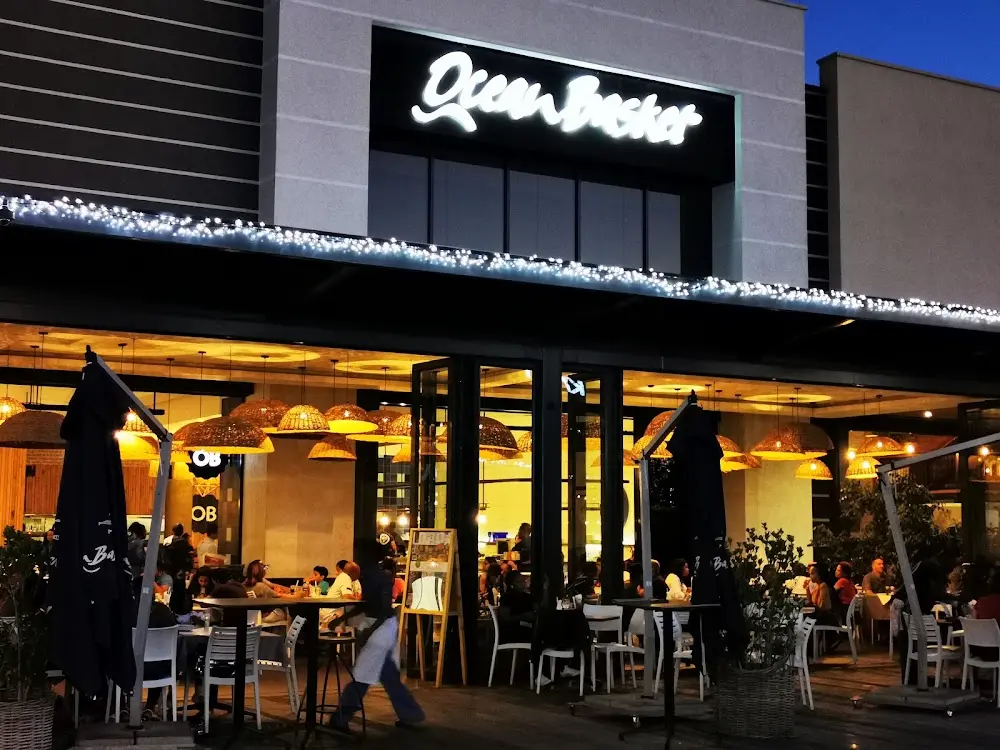
For a slightly different yet still upscale taste of the sea, the Ocean Basket Cellar offers fresh, ocean-to-table preparations paired with curated wine selections. While not a tasting-only establishment, it is committed to premium seafood and refined presentations, making it a noteworthy table in Cape Town’s dining scene.
What makes it distinct
The emphasis here is on freshness and simplicity elevated by technique; think shellfish with citrus accents, sashimi-grade fish cuts paired with light herb accents and regional wines that complement rather than dominate.
What to expect
Expect a dining experience that feels accessible yet refined. It is a destination restaurant because of its consistency, quality, and attention to sourcing ingredients.
INTERESTING READS:
- Wellness Retreats in Africa: The Rise of Luxury Wellness Communities
- How Today’s Billionaires Redefine Power and Wealth
What Fine Dining Looks Like Now Across The Continent
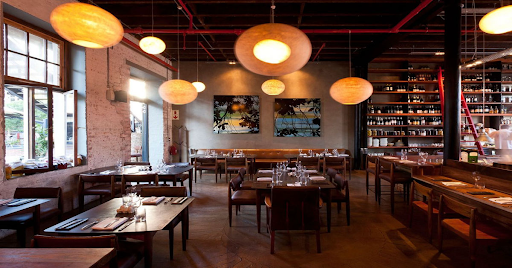
The restaurants above share a few defining traits:
- Culinary confidence
Chefs today are rooted in technique but unafraid to let local flavours speak clearly. Menus are curated to shape a narrative, not merely to show skill.
- Design-informed spaces
These restaurants take the interior and atmosphere seriously. From vineyard views to city elegance, architecture and mood shape diners’ experience before the first bite.
- Ingredient focus
Seasonality and terroir are central, not as buzzwords but as organising principles. Chefs know soils, waters, and climates intimately, and they reflect that knowledge on the plate.
- Hospitality as choreography
Service is intentional, polished, and anticipatory. Dining at these restaurants is not rushed. It is layered, deliberate and memorable.
Frequently Asked Questions
- What defines fine dining in Africa today?
“Fine dining” refers to restaurants with elevated culinary techniques, intentional hospitality, and cohesive narrative menus that reflect both local ingredients and global standards.
- Are reservations usually required?
Yes. Most high-end restaurants require reservations well in advance, especially for tasting menus or prime seating.
- What is the typical price range?
Fine dining experiences can be costly, reflecting ingredient quality, service level and culinary expertise. Expect higher ticket prices versus casual dining.
- Do these restaurants include wine or beverage pairings?
Many offer curated wine or beverage pairings that elevate the gastronomic experience, often featuring local vineyards and international labels.
- Is there a particular season for visiting these restaurants?
While many operate year-round, some menus shift with seasons to reflect peak ingredient quality. Visiting during local harvest seasons often yields standout courses.