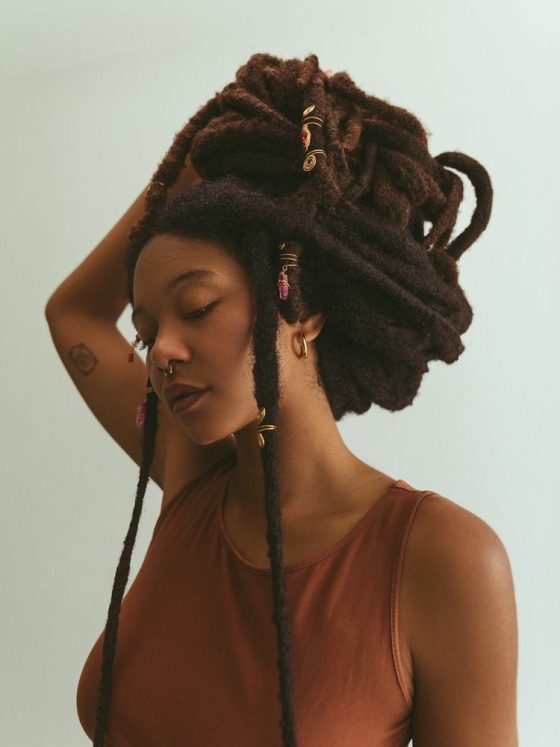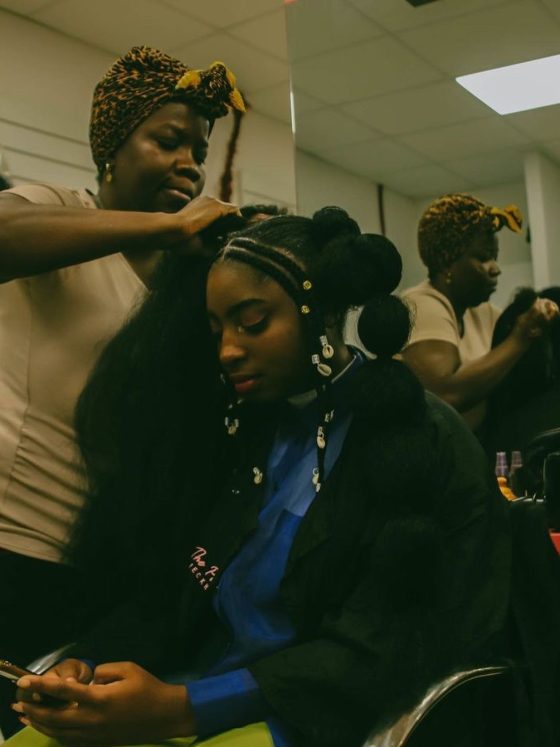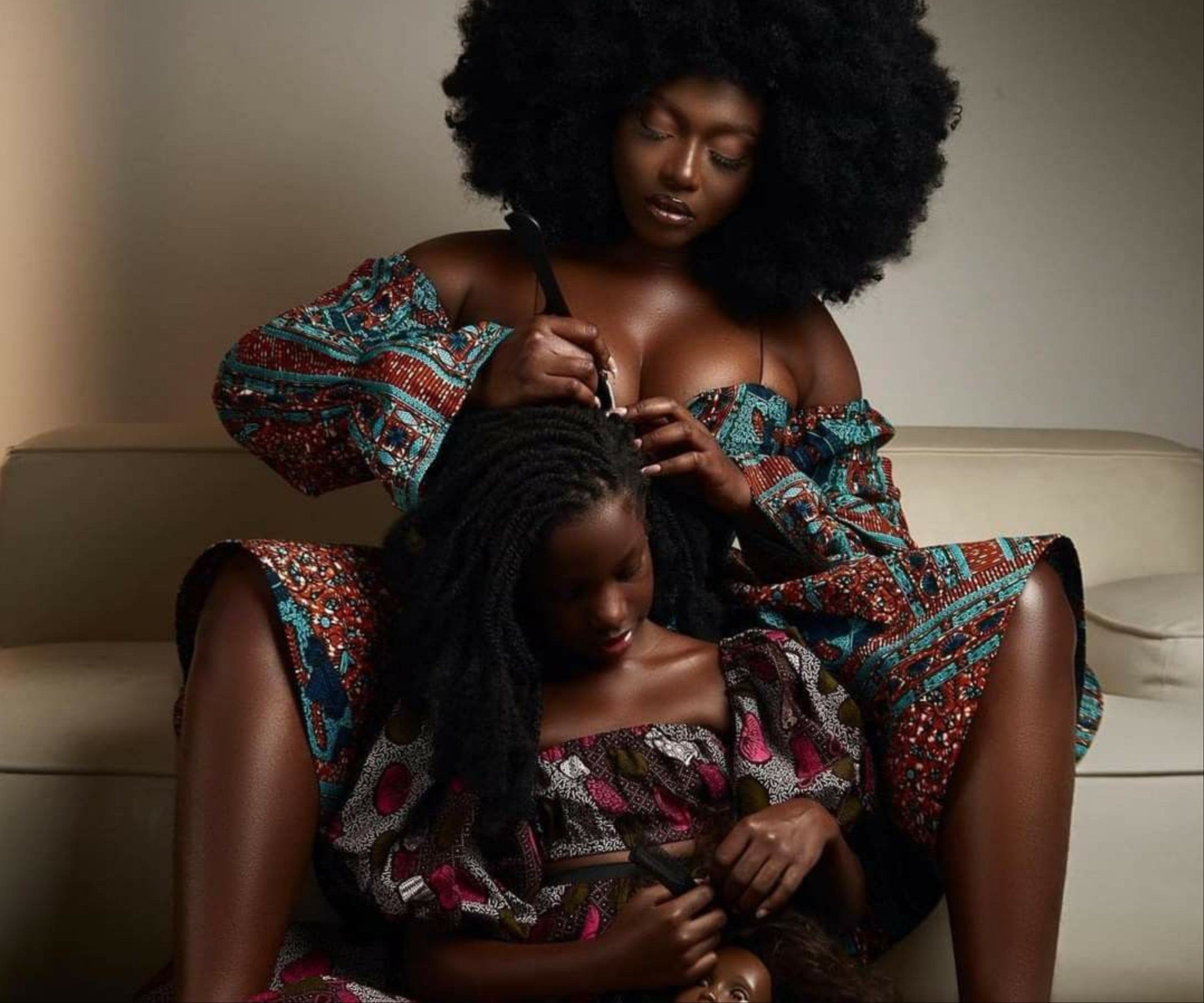
Natural hair care did not grow overnight. It evolved quietly in bathrooms and salons, with traditions passed down through generations, before emerging as a global force. What began as a personal search for healthier hair became a broader cultural shift toward intention, quality, and self-definition. Today, natural hair care sits at the intersection of beauty, lifestyle, and luxury. It is no longer a fringe market or a trend driven by resistance alone. It is a category defined by storytelling, innovation, and informed consumers who expect more from the products they use daily.
Natural hair care evolves from clean beauty to cultural luxury, shaped by craftsmanship, innovation, sustainability, and global lifestyle shifts worldwide.
Ingredient Integrity and the Rise of Conscious Consumers
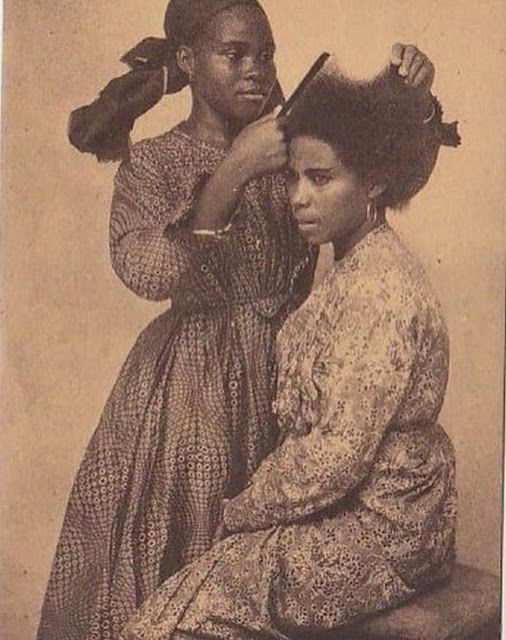
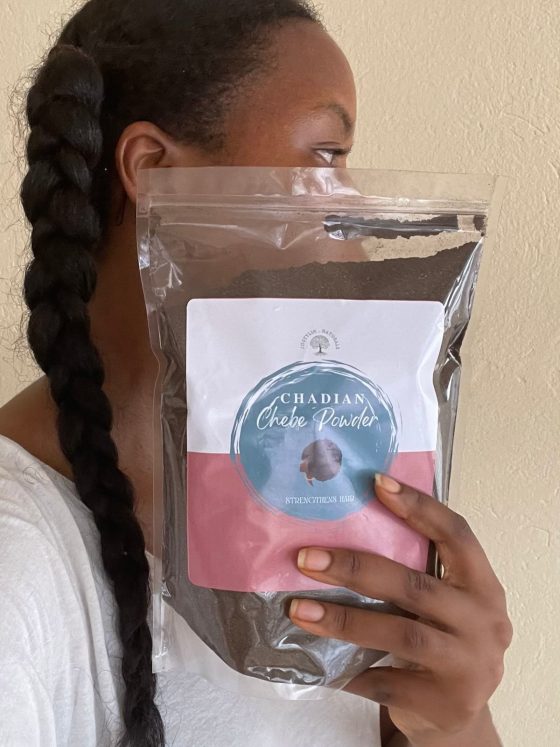
The growth of the natural hair care industry is rooted in a fundamental change in consumer awareness. Shoppers now examine ingredient lists with the same scrutiny once reserved for nutrition labels. Botanical oils, plant extracts, and gentle surfactants have replaced harsh chemical formulations, not only for ethical reasons but also for long-term hair and scalp health. This preference reflects a broader wellness philosophy that values prevention, balance, and transparency.
Modern Luxury as Intention, Not Excess
As natural hair care matured, it entered the realm of modern luxury. Luxury in this context is not excess but intention. Brands succeed by combining sensory refinement, product performance, and aesthetic restraint. Packaging is clean and deliberate. Claims are supported by testing and clarity rather than exaggeration. Consumers are willing to pay for formulas that deliver results while aligning with their values. This shift has transformed natural hair care from a commodity to a thoughtful purchase.
Cultural Craftsmanship in a Global Context
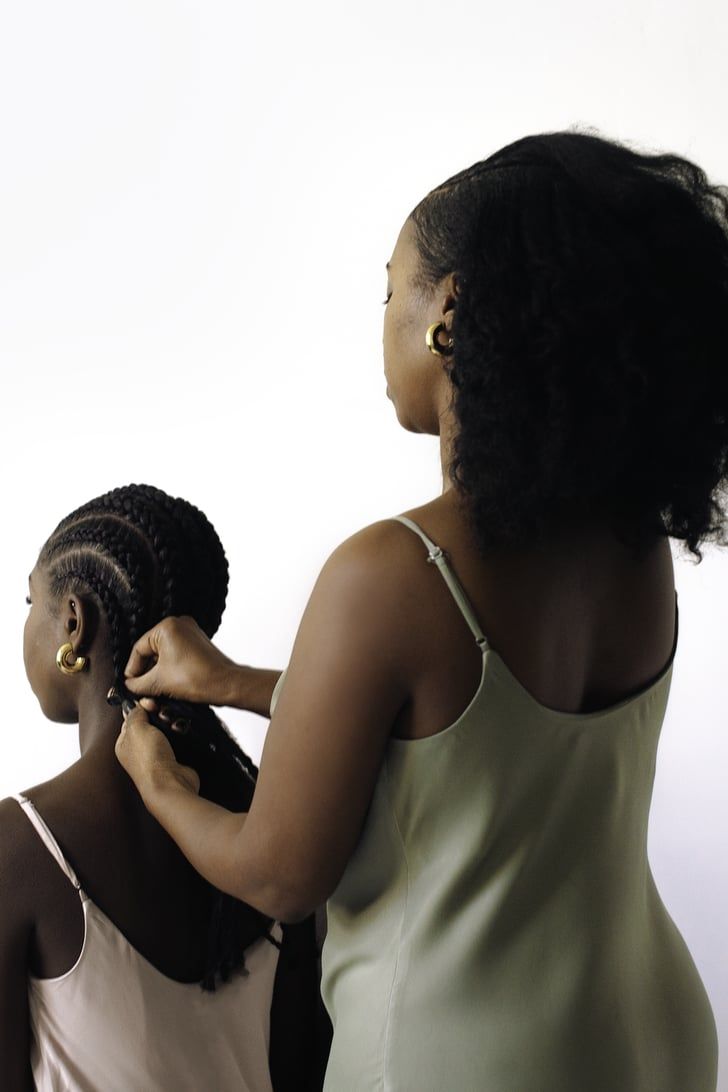
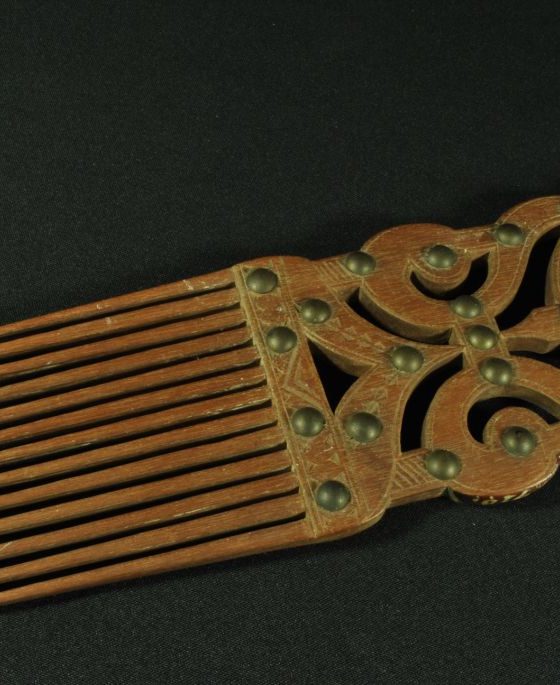
Cultural craftsmanship remains an underlying influence, though it now operates on a global stage. Traditional routines and community knowledge inform contemporary product designs, while scientific research refines and standardises performance. This balance between heritage and innovation allows brands to create products that feel personal yet scalable. The most trusted names acknowledge their sources of inspiration without relying on nostalgia alone.
Lifestyle Innovation and Routine-Based Consumption
Lifestyle innovation has expanded what natural hair care represents. Products are now part of broader routines shaped by climate, mobility, and time constraints. Multi-use formulas, routine-based kits, and digital education have become essential elements of brand strategy. Salons, creators, and online communities function as both educators and cultural transmitters, reinforcing trust through shared experience rather than advertising alone.
Read Also:
Diaspora Influence and Cross-Cultural Exchange
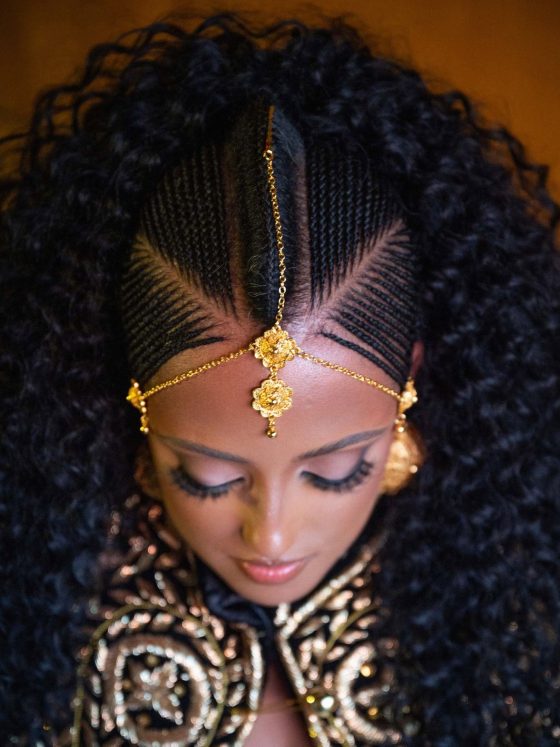
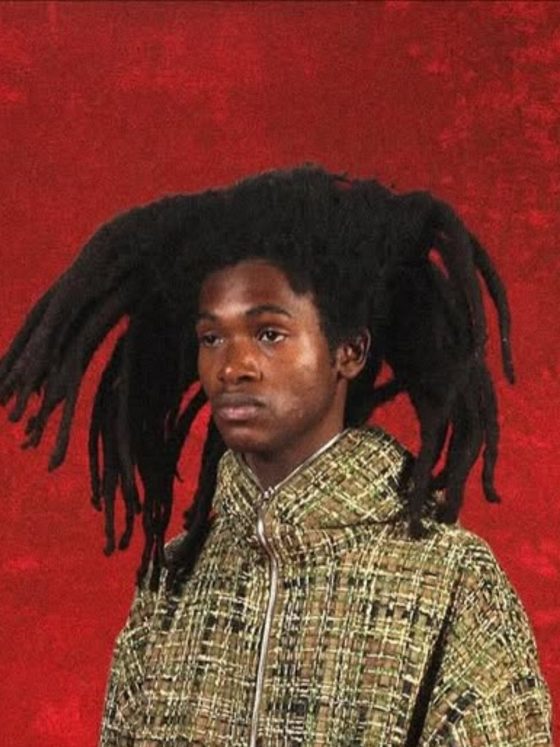
Diaspora influence continues to shape the industry’s global outlook. Migration, digital media, and cross-cultural exchange have accelerated the spread of techniques and aesthetics. A styling method popular in one region quickly finds relevance elsewhere, adapted to new contexts. This fluid exchange keeps the industry dynamic and positions natural hair care as a living, evolving category rather than a fixed identity.
Innovation, Research, and Long-Term Credibility

Innovation remains the stabilising force behind growth. Brands that invest in research, testing, and formulation science are more resilient in an increasingly regulated data market. Consumers want proof, not promises. Clear instructions, realistic timelines for results, and transparent communication build long-term loyalty and reinforce authority.
Conclusion
The natural hair care industry continues to grow because it reflects how modern consumers live and choose. It rewards brands that respect intelligence, prioritize quality, and tell honest stories. The future belongs to companies and creators who treat hair care not as a trend to exploit but as a lifestyle category shaped by intention, responsibility, and global cultural dialogue.
5 FAQs
-
Why is natural hair care growing faster than traditional hair care?
Consumers are seeking safer formulations, long-term scalp health, and products that align with their wellness and sustainability values.
-
Does natural hair care mean products are less effective?
No. Advances in formulation science have improved the performance and stability of natural and plant-based ingredients.
-
How important is storytelling in this industry?
Storytelling builds trust and differentiation, especially when tied to real practices, research, and user education rather than marketing claims.
-
What role do digital platforms play in market growth?
Digital platforms accelerate education, peer validation, and product discovery, shortening the distance between brands and consumers.
-
What defines luxury in natural hair care today?
Luxury is defined by intention, performance, ethical practice, and thoughtful design rather than excess or price alone.