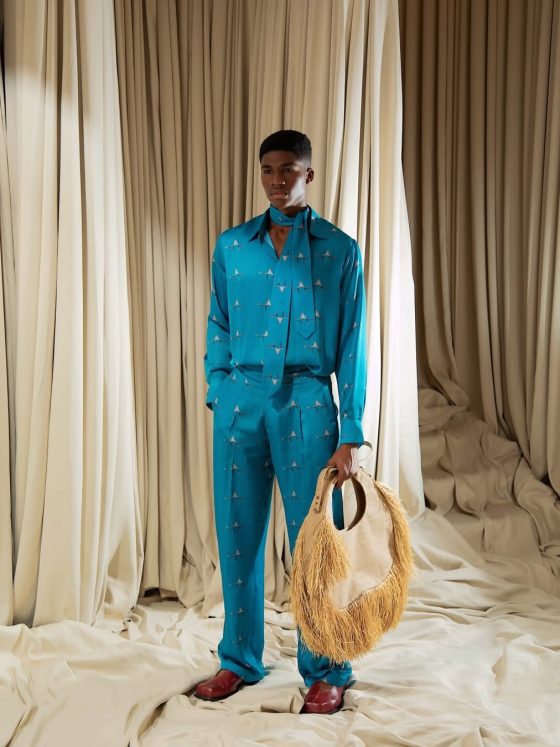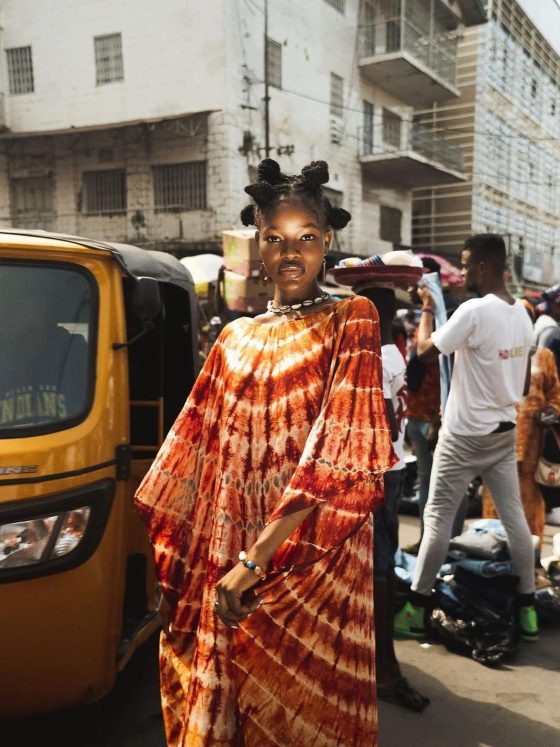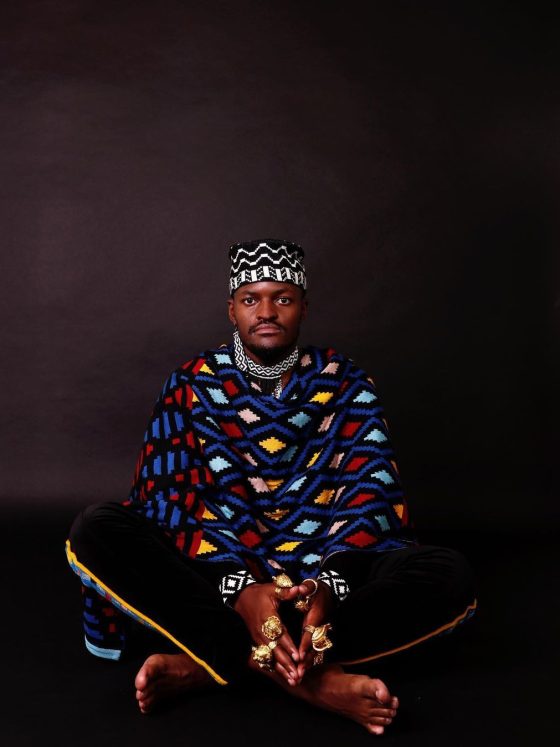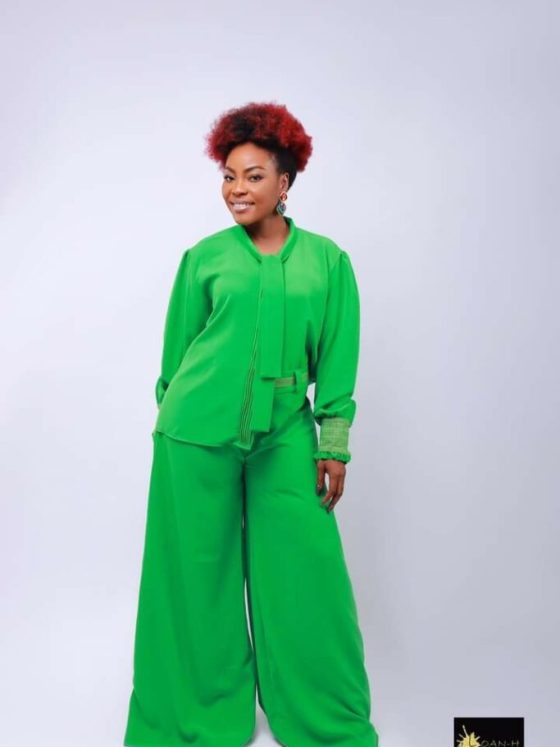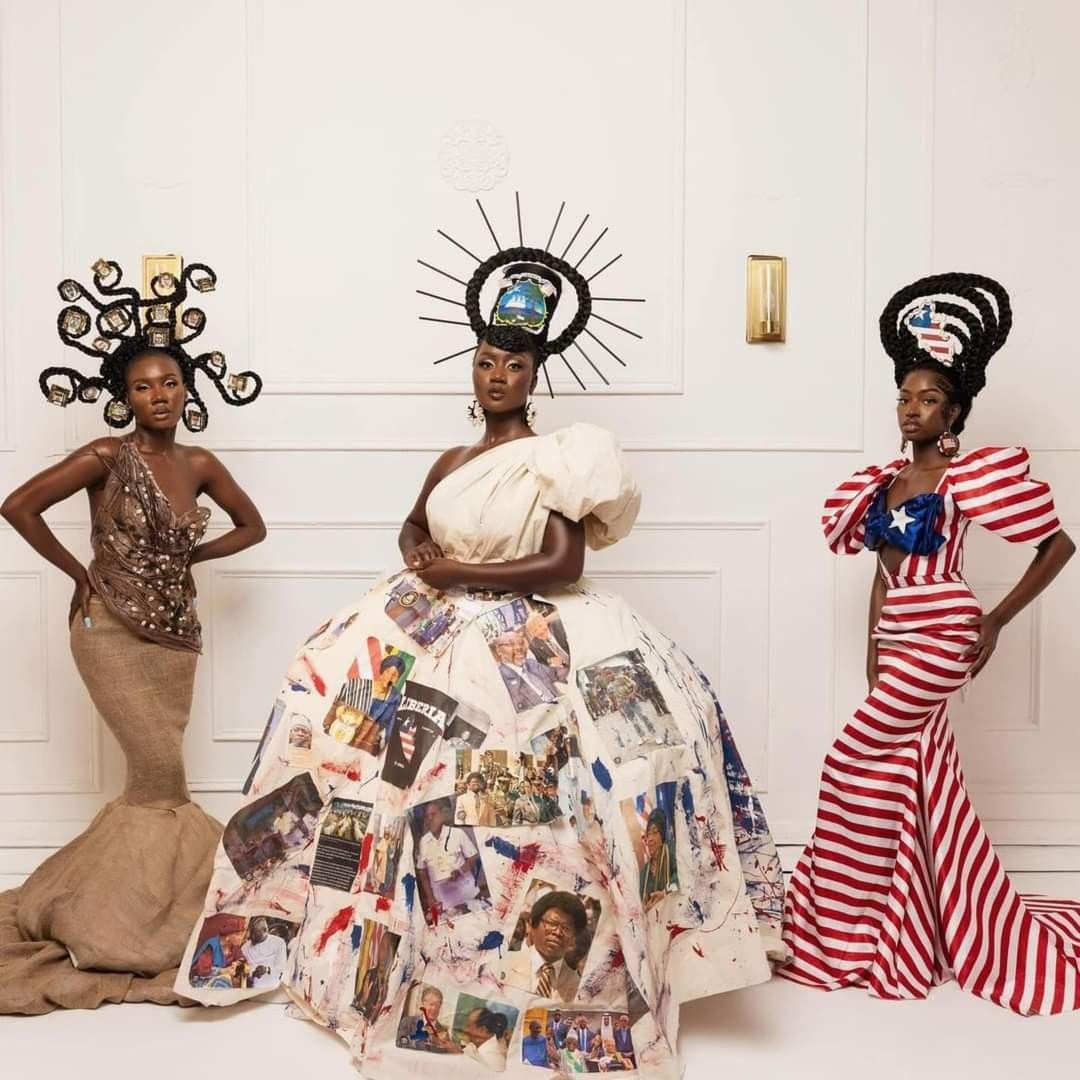
Through tailoring, cultural storytelling, craftsmanship, sustainability, and modern design language grounded in Liberian experience, Liberian designers are transforming how African fashion is perceived both locally and globally. Liberian fashion has long been more than just ceremonial attire. Liberian designers are increasingly presenting Liberian identity in contemporary discussions about luxury, streetwear, cultural preservation, and African creativity worldwide.
Liberia is still often left out of broader conversations about African fashion industries, so this change is significant. While ignoring smaller creative ecosystems where equally significant cultural work is occurring, international fashion media frequently focuses on nations with larger commercial industries. Liberian designers are always working within that reality. In contrast to larger fashion economies across the continent, many fashion businesses are established despite inadequate infrastructure, uneven funding, production challenges, and low international visibility.
However, these limitations have also influenced a uniquely Liberian approach to design. Liberian designers of today frequently work in several creative capacities at once. They work in sectors that are still undergoing structural development as designers, stylists, creative directors, cultural archivists, entrepreneurs, and educators. Thus, Liberian fashion reflects both creative aspirations and survival-driven inventiveness.
The experience of migration and diaspora is also closely linked to Liberian design culture. Afro-diasporic exchange shaped fashion identities through years of travel among Liberia, the US, Ghana, Nigeria, and Europe. Designers often blend West African tailoring customs with global silhouettes, modern streetwear, luxury aesthetics, and narratives rooted in Liberian social history.
However, Liberian fashion cannot be solely attributed to the influence of the diaspora. Urban youth culture, textile practices, ceremonial dress customs, and local tailoring systems still influence designers’ approaches to modern fashion. Rather than being nostalgic, the relationship between heritage and modernity remains dynamic.
In the end, Liberian designers represent a generation that rejects the notion that African fashion only gains international recognition after being recognised by the West. Their work shows that African creativity in the modern era already has authority on its own terms.
Liberian designers are reshaping African and global fashion through tailoring, cultural storytelling, sustainability, and contemporary design.
Liberian Designers Are Building Fashion Through Cultural Storytelling
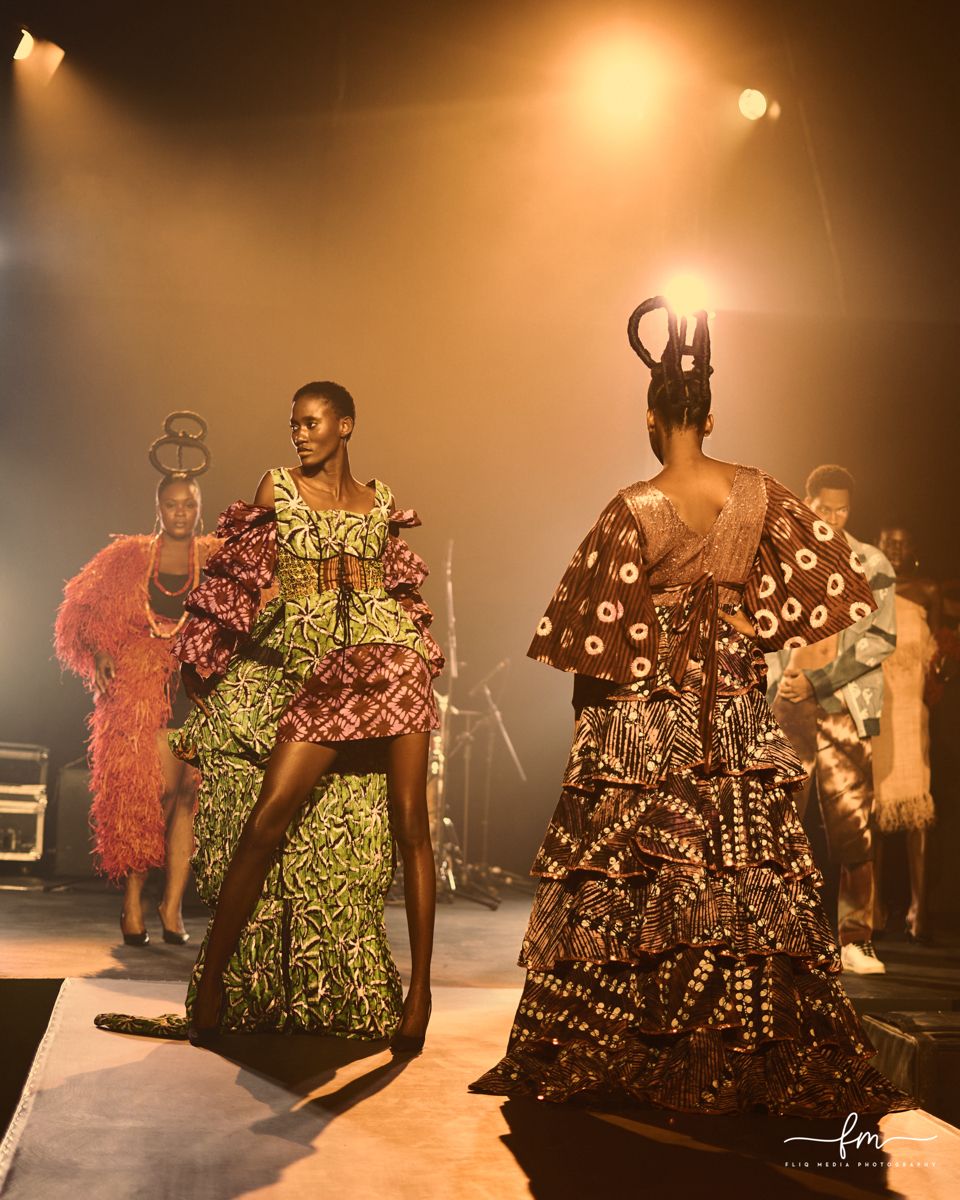
Instead of just making clothing, Liberian designers are increasingly using fashion as a means of cultural narrative. Liberia’s social history and urban transformation have shaped memory, migration, resilience, identity, and reconstruction, all of which are reflected in contemporary fashion.
This strategy is important because African fashion is frequently reduced to aesthetics without context globally. By incorporating cultural symbolism, craftsmanship, social commentary, and personal history into their collections, Liberian artists are increasingly defying this reduction.
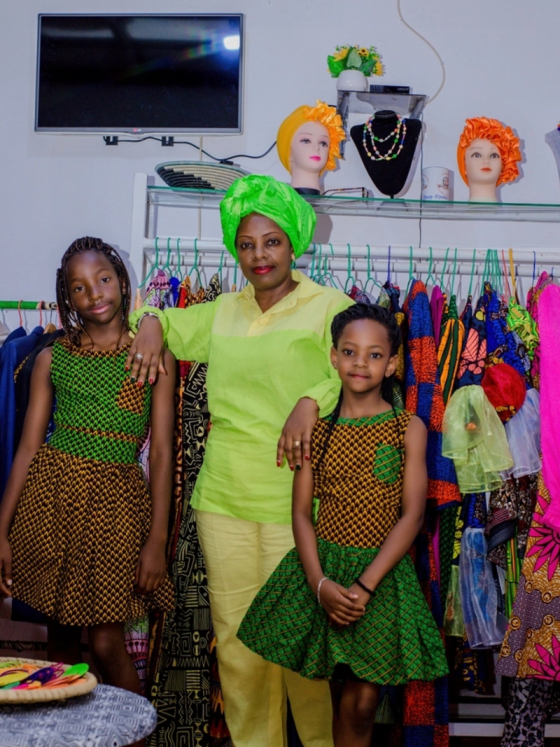
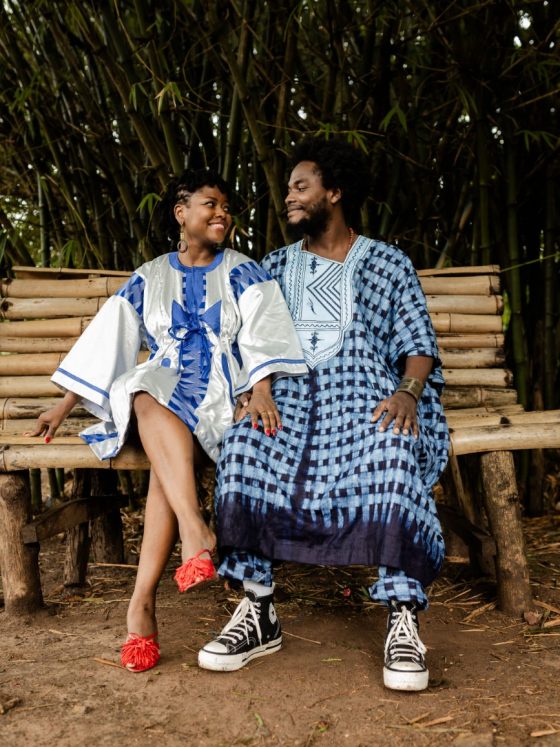
Local tailoring customs, ceremonial dress systems, and urban youth culture are often incorporated into modern silhouettes by designers working in Liberia and across the diaspora. Afrocentric colour schemes, flowing clothing, embroidered details, oversized tailoring, hand-finished textures, and structured blazers are all features of contemporary Liberian design.
Younger Liberian artists are also heavily influenced by Monrovia’s street culture. Music culture, nightlife aesthetics, second-hand markets, sneakers, oversized silhouettes, and digital fashion visibility continue to shape modern Liberian fashion language. Therefore, rather than existing beneath luxury and cultural design, urban fashion coexists with them.
The connection between contemporary African fashion and youth culture reflects broader trends in West Africa. As we examined Monrovia’s current fashion scene, urban youth used clothing to create social identities shaped by their own experiences rather than by imitation of other countries.
Additionally, Liberian designers are becoming more involved in broader Afro-diasporic artistic discussions. Through fabric allusions, narrative themes, casting decisions, and artistic partnerships connected to African identity, foreign-based designers often preserve cultural ties with Liberia.
African and diaspora designers are increasingly centring African narratives within global fashion systems without diluting cultural specificity, as seen by fashion brands like Hanifa and Tongoro.
Meanwhile, small independent labels, fashion shows, photography collectives, and tailoring workshops are all ways that local Liberian creatives are developing industries within the nation. Even though their work directly influences everyday Liberian fashion culture, it frequently receives less international attention.
Therefore, Liberian designers contribute to African fashion through cultural authorship and narrative control in addition to aesthetics.
Fashion Entrepreneurs in Liberia Work Beyond Design Alone
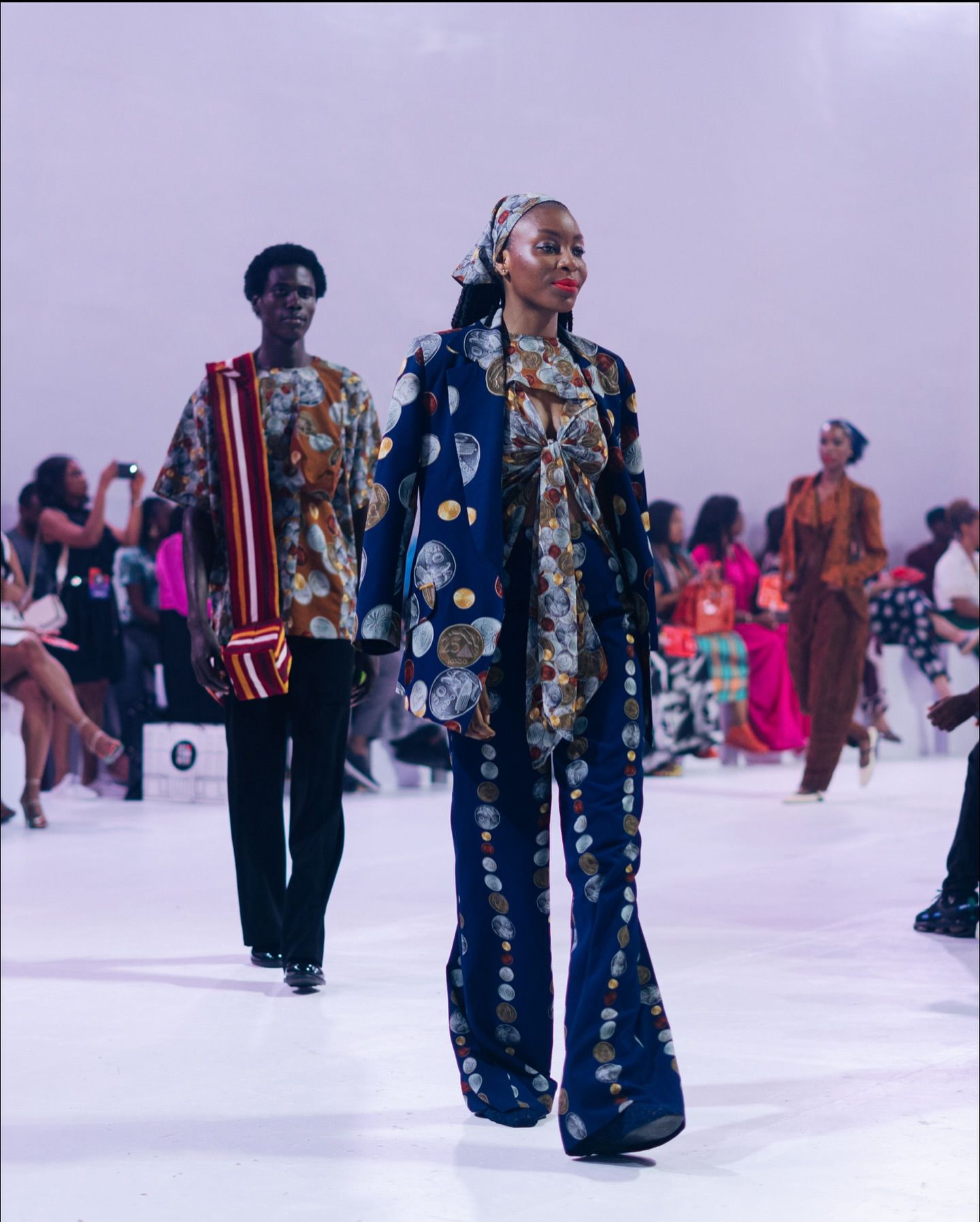
Because Liberia’s fashion industry still lacks many of the structural systems found in larger international markets, Liberian designers frequently perform roles beyond those of fashion creators. As a result, designers simultaneously become business owners, educators, production managers, stylists, marketers, and cultural coordinators.
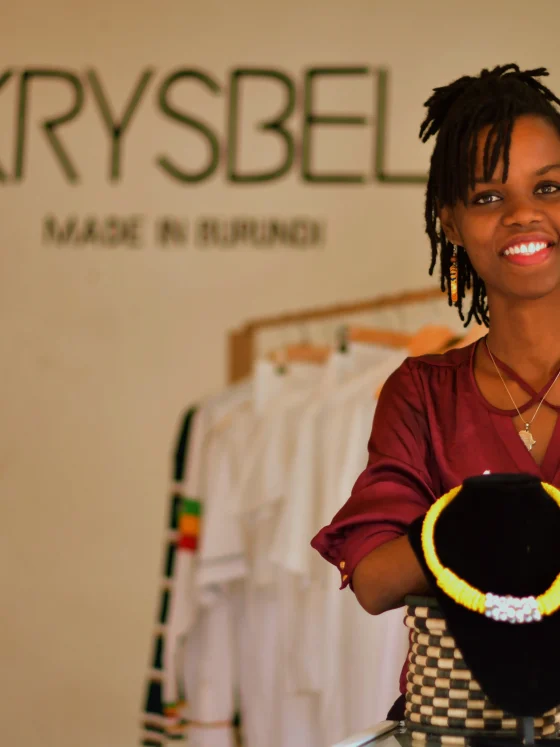
This fact influences the growth of fashion companies in Liberia. Instead of relying on large-scale industrial production systems, many designers build their brands through independent workshops, social media marketing, custom tailoring, event partnerships, and direct client relationships.
This process has changed dramatically as a result of social media. Liberian creatives can now exhibit their work globally without relying solely on traditional fashion gatekeepers thanks to Instagram, TikTok, fashion photography, and digital campaigns. Through editorial styling, online fashion communities spanning Africa and the diaspora, and visual storytelling, young designers are becoming increasingly visible.
In Liberia, fashion shows are crucial for promoting artistic visibility. Local runway shows, cultural festivals, pageantry systems, entertainment industries, and photography communities foster a burgeoning creative ecosystem that provides designers with exposure and business opportunities.
In Liberian fashion entrepreneurship, tailoring culture remains particularly significant. Because fitted clothing often conveys professionalism, celebration, and personal presentation, custom-made apparel continues to hold significant social value throughout Liberia. Therefore, rather than focusing solely on mass production, many designers base their businesses on custom-made clothing.
In our analysis of Liberian fabric traditions, where clothing production has similarly evolved through adaptation to local economic systems, this balance between craftsmanship and contemporary entrepreneurship reflects broader developments in textiles and tailoring.
This entrepreneurial adaptability is becoming increasingly evident in modern African fashion brands worldwide. African designers often work across storytelling, craftsmanship, cultural identity, and business innovation simultaneously, as seen in labels like Orange Culture and Kenneth Ize.
As a result, Liberian designers support the fashion industry both creatively and by establishing institutions in emerging creative economies.
ALSO READ:
Liberian Fashion Challenges Global Ideas About African Creativity
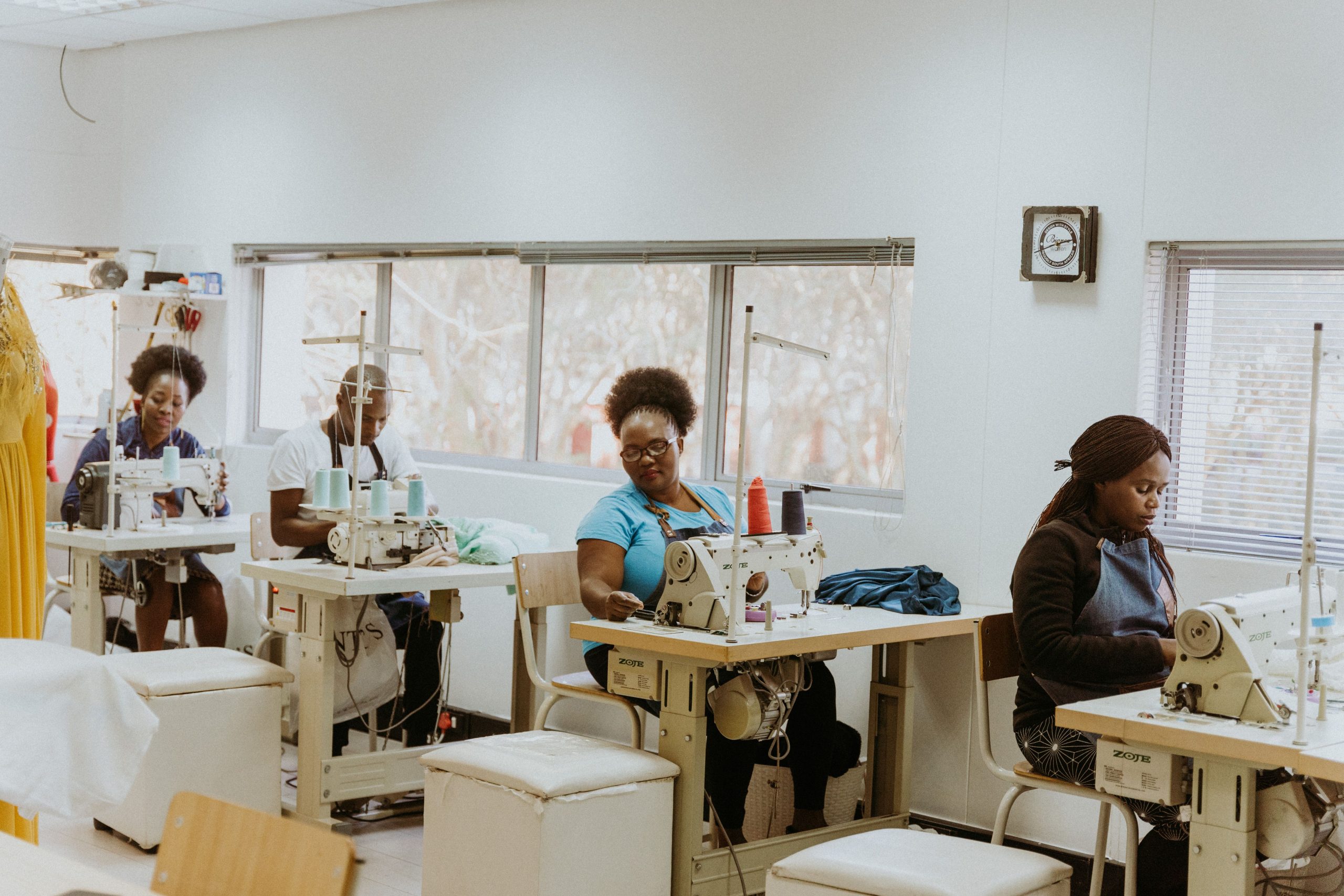
Because their work challenges preconceived notions about what African creativity should look like, Liberian designers are increasingly challenging how African fashion is framed internationally. Instead of relying on experimentation, conceptual design, or modern innovation, global fashion industries often expect African designers to demonstrate cultural familiarity through predictable aesthetics.
Liberian artists use a variety of strategies to fend off that pressure. Some make direct allusions to their heritage through textile storytelling, ceremonial inspiration, embroidery, or tailoring. Others don’t feel compelled to perform simplified cultural symbolism for global audiences; instead, they concentrate on minimalist silhouettes, luxury construction, urban fashion, sustainability, or avant-garde styling.
Because African fashion is still often viewed as a single category rather than as a collection of highly distinct national and cultural industries, the diversity itself is important. Liberian fashion culture is a reflection of its history, which was influenced by urban inventiveness, migration, diaspora, post-war reconstruction, and tailoring systems.
Younger designers are also rejecting the notion that international recognition is the only reliable indicator of success. Long before the topic of international visibility comes up, fashion in Liberia benefits local communities, nightlife culture, weddings, the entertainment industry, and daily social life.
Our examination of Liberia’s ceremonial clothing traditions also highlights this conflict between local significance and international visibility. Long before outside fashion systems tried to classify African style, clothing served as a social communication tool.
Therefore, by broadening the scope of contemporary African design, Liberian creatives contribute to broader discussions in African fashion. African fashion encompasses luxury, streetwear, tailoring, conceptual storytelling, sustainability, nightlife aesthetics, and digital creativity all at once, as their work shows.
African designers are increasingly positioning African identity as a source of contemporary creative authority rather than cultural reference material for Western interpretation, as demonstrated by brands like Daily Paper and Boyedoe.
In the end, Liberian designers are important because they create fashion systems grounded in Liberian realities and help change contemporary African fashion on a global scale.
The Omiren Argument
Because international fashion industries continue to prioritise larger commercial markets over smaller creative ecosystems where equally significant cultural innovation is underway, Liberian designers are frequently excluded from discussions about African fashion.
African fashion coverage often focuses attention on a small number of nations that are already part of the global fashion infrastructure. Even though they produce designers who work in tailoring, streetwear, luxury fashion, cultural storytelling, and contemporary design innovation, smaller industries like Liberia’s are then viewed as peripheral.
Despite these structural constraints, Liberian designers continue to produce influential creative works. While creating fashion identities that are deeply rooted in Liberian urban life, diaspora experience, and social history, they simultaneously work in entrepreneurship, tailoring, photography, styling, cultural preservation, and digital media.
This distinction modifies the global understanding of African fashion authority. International luxury systems are not the only places where creative influence can be found. Additionally, it occurs in smaller national industries where designers directly influence culture through community visibility and local fashion economies.
Thus, Liberian designers are more than just underappreciated talent. They show how creativity rooted in local identity, cultural authorship, and entrepreneurial resilience continues to propel contemporary African fashion beyond traditional centres of visibility.
Frequently Asked Questions (FAQs):
-
Who are Liberian designers?
Liberian designers are fashion creatives from Liberia working across tailoring, luxury fashion, streetwear, cultural storytelling, and contemporary Afrocentric design both locally and internationally.
-
What makes Liberian fashion unique?
Liberian fashion combines tailoring traditions, diaspora influence, urban youth culture, ceremonial dressing systems, and contemporary African aesthetics shaped by Liberia’s social history and cultural identity.
-
Do Liberian designers work internationally?
Yes. Many Liberian designers and creatives work internationally or within diaspora communities while maintaining cultural and creative relationships with Liberia through fashion storytelling and design references.
-
How does street culture influence Liberian designers?
Street culture in Monrovia influences designers through music aesthetics, oversized silhouettes, sneakers, nightlife fashion, second-hand clothing markets, and youth identity shaped by urban Liberian life.
-
Why are Liberian designers important to African fashion?
Liberian designers expand contemporary African fashion by contributing perspectives rooted in Liberian history, migration, tailoring culture, entrepreneurship, and modern African identity beyond dominant fashion markets.
EXPLORE MORE
Through editorials centred on identity, craftsmanship, urban life, and cultural transformation, the Omiren Styles covers Afrocentric fashion, African creative industries, textile heritage, and contemporary design culture.
Visit Omiren Styles to learn more about Afrocentric creative industries, African designers, textile heritage, and urban fashion.